REVIEW · SEMINYAK
Bali Car Charter with English Speaking Driver
Book on Viator →Operated by Bali Day Tour · Bookable on Viator
Bali on wheels is a practical way to see a lot. This Seminyak car charter pairs an English-speaking driver with a flexible full-day plan, so you can chase sunset at Uluwatu and Tanah Lot, then keep rolling through Ubud, Bedugul, and the mountains. I especially like the private group setup and the fact you can shape your own timing as you go. The main drawback to plan for is simple: entrance fees and meals are not included, and some stops (yes, Lempuyang) involve serious stairs in a long day.
What you get feels less like a rigid tour checklist and more like a tailored road trip through Bali’s famous religious sites and scenic highlands. The car is air-conditioned, includes petrol, parking, and a professional English-speaking driver—plus you’ll receive a mobile ticket for smoother coordination.
In This Review
- Key things that make this charter work in real life
- From Seminyak Outward: Why This Pickup-to-Route Format Makes Sense
- Price and Value: What $30 Covers (and Why Entrance Fees Matter)
- Your Driver: The Best Part When You Want Explanations, Not Just Transit
- How the Day Flows: A Stop-by-Stop Temple and View Route
- Stop 1: Uluwatu Temple for Ocean Views and Kecak Sunset
- Stop 2: Tanah Lot Temple and the Offshore Shrine Effect
- Stop 3: Sacred Monkey Forest Sanctuary in Ubud
- Stop 4: Ulun Danu Bratan Temple by Lake Beratan (Bedugul)
- Stop 5: Jatiluwih Rice Terraces and UNESCO-linked Subak Culture
- Stop 6: Kintamani Highland for Mount Batur Caldera Views
- Stop 7: Besakih Temple, Bali’s Mother Temple Complex
- Stop 8: Bajra Sandhi Monument in Renon (Denpasar)
- Stop 9: Lempuyang Temple (Gate of Heaven) and the 1,700-Step Test
- Comfort and Practical Setup in the Car
- Pace Tips: Make a Long Day Feel Manageable
- Potential Drawbacks and How to Avoid Them
- Should You Book This Bali Car Charter from Seminyak?
Key things that make this charter work in real life
- English-speaking driver experience: Some past guests named guides like Agung and Ngurah as friendly, safe, and able to explain culture clearly
- Flexible route control: You can follow the suggested stops or change the order, skip, or spend longer as long as you tell the driver
- Sunset-friendly temple choices: Uluwatu and Tanah Lot are built for ocean-view sunset moments
- Full-day efficiency: One vehicle covers multiple regions without you managing separate transport each time
- Comfort basics included: Air-conditioned car with double blower AC, and a tape/CD player for the ride
From Seminyak Outward: Why This Pickup-to-Route Format Makes Sense
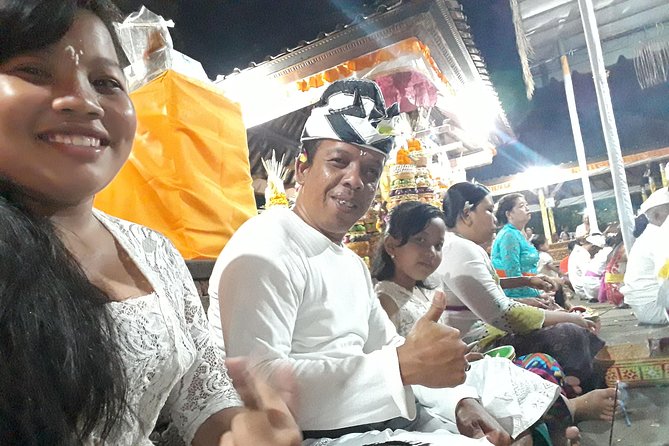
Starting from Seminyak is convenient because it’s a common base for visitors who want Bali highlights without turning the day into a logistics puzzle. With pickup offered and a private vehicle for your group, you avoid the back-and-forth of coordinating multiple rides across the island.
Also, this is set up for flexibility. The day can run about 10 to 12 hours, but you can shorten or extend parts of the route as long as you communicate with your driver. That matters in Bali because temple timing, weather, and your own energy level can affect what feels worth the wait.
You can also read our reviews of more tours and experiences in Seminyak


Price and Value: What $30 Covers (and Why Entrance Fees Matter)
At $30 per person, the best way to judge value is what’s included versus what you’ll likely pay on your own. Your charter price includes:
- Air-conditioned vehicle
- Professional English-speaking driver
- Petrol
- Parking fees
- Tax and service
What’s not included is equally important:
- Entrance tickets
- Lunch and dinner
- Personal expenses
So you’re paying for transportation and a driver-guided day, not a fully ticketed package. If you plan to visit several temples and cultural sites, add entrance fees into your budget early. It’s also smart to plan for meals, because you’ll be out for up to 12 hours and food is not covered.
In short: this works best when you want the convenience of one hired car and an English-speaking guide, and you’re okay handling temple entry and meals separately.
Your Driver: The Best Part When You Want Explanations, Not Just Transit
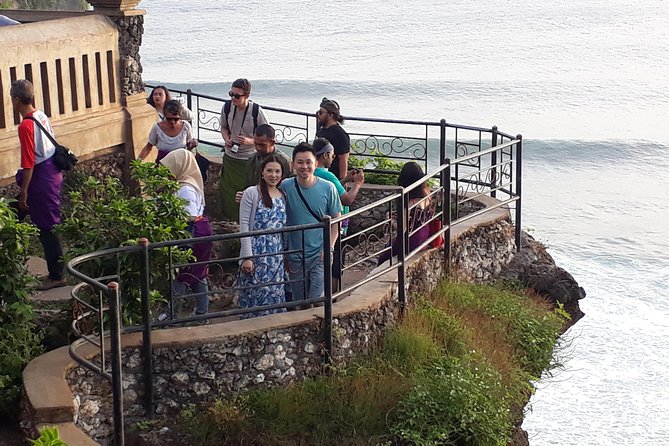
In Bali, the driver can make or break the day. The strongest praise from previous experiences points to the driver role: people highlighted guides like Agung and Ngurah for being warm, friendly, and able to speak English well. One guest described it like touring with a friend, not just a chauffeur.
Even if you don’t need a deep lecture at every stop, an English-speaking driver helps you:
- understand what you’re seeing beyond the photo
- move through the day with fewer misunderstandings
- feel safer and calmer on long, unfamiliar road stretches
You also get a practical comfort feature in the car: double blower air conditioning, plus a tape or CD player if you want familiar entertainment for the ride.
How the Day Flows: A Stop-by-Stop Temple and View Route

The suggested route is a mix of ocean temples, rainforest culture, lake-and-mountain scenery, rice terraces tied to local farming systems, and a couple of big-name “must see” monuments. Each stop is listed as about one hour, but you can adjust your time at places you care about more.
Also, you can skip stops or swap the order. Just tell the driver what you want, because the flexibility is part of how this charter is designed.
Stop 1: Uluwatu Temple for Ocean Views and Kecak Sunset
Uluwatu Temple (Pura Luhur Uluwatu) is famous for its direct views over the Indian Ocean and for daily Kecak dance performances. The setting is part of the draw: Balinese architecture, traditional gateway forms, and ancient sculptures give it an unmistakably sacred feel.
Plan for this stop as a “timing matters” visit. If you’re aiming for the sunset atmosphere, give yourself enough buffer so you’re not rushing at the end. Entrance tickets aren’t included, so check that you’re ready to pay before you go in.
Consideration: This is one of the iconic stops, so it’s worth treating it like a priority, not a quick photo stop.

Stop 2: Tanah Lot Temple and the Offshore Shrine Effect
Tanah Lot Temple is one of Bali’s most recognizable landmarks, built around an ancient Hindu shrine perched on an outcrop surrounded by crashing waves. It’s also well known for sunset backdrops, with the offshore setting becoming part of the spectacle.
At about one hour, this is a good place to see what makes Tanah Lot instantly different from inland temples. Again, entrance tickets aren’t included, so you’ll want a separate budget for it.
Consideration: Because the beauty here is tied to the setting and lighting, you’ll enjoy it most if you don’t treat sunset as optional.
Stop 3: Sacred Monkey Forest Sanctuary in Ubud
This stop is the Sacred Monkey Forest Sanctuary in Ubud (the park is described as occupying 27 lush acres). It’s home to over 400 long-tailed macaques, split into four groups across the sanctuary.
It’s also not just a zoo-style stop. The park is presented as a cultural and spiritual site, and it welcomes upwards of 10,000 visitors each month. That combination makes it a lively experience, with the animals as the centerpiece and the environment as the stage.
Entrance tickets aren’t included, so plan on paying separately. You’ll likely want a camera ready—this is one of the places where Bali feels playful and wild at the same time.
Consideration: You’re dealing with wildlife, so wear comfortable shoes and be ready for an active walking environment.
Stop 4: Ulun Danu Bratan Temple by Lake Beratan (Bedugul)
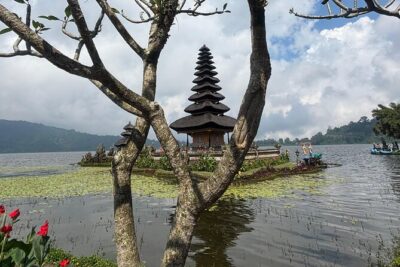
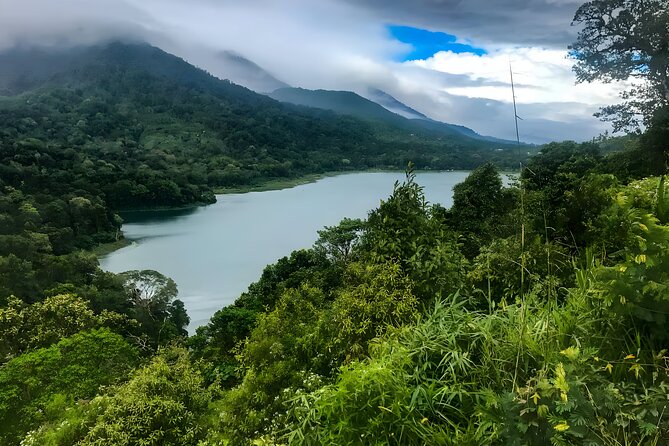
Ulun Danu Lake Beratan Temple is described as a picturesque landmark and an important temple complex on the western side of Lake Beratan in Bedugul. Bedugul itself is framed as a cool upland retreat that connects Bali’s north and south, so the atmosphere at this stop feels like a change of pace from the coastal areas.
This is an especially good stop if you like temples with water views. With the route designed for a full day, this one helps break up the coast-and-stairs rhythm with something cooler and calmer.
Entrance tickets aren’t included here either, so keep that in mind.
Consideration: Bedugul can feel different from the south—bring your best attitude for changing weather and temperatures.
Stop 5: Jatiluwih Rice Terraces and UNESCO-linked Subak Culture
Jatiluwih Rice Terrace (Jatiluwih Green Land) is known for dramatic, wide-open views and for its farming system context. The terraces are nominated for a UNESCO World Heritage Site designation, specifically connected to the Subak Organization as a fundamental part of local society life.
The stop covers the upland village region of Jatiluwih in West Bali, and it’s described as both dramatic and truly exotic—exactly the kind of view that makes a long day feel worth it.
Entrance tickets aren’t included. If you’re the type who likes understanding what you’re looking at (not just snapping pictures), this is a worthwhile pause because it ties scenery to a living local system.
Consideration: This is a “look longer than you think you will” kind of stop. If you only allocate the default hour, you might still enjoy it—but you’ll notice how much there is to take in.
Stop 6: Kintamani Highland for Mount Batur Caldera Views
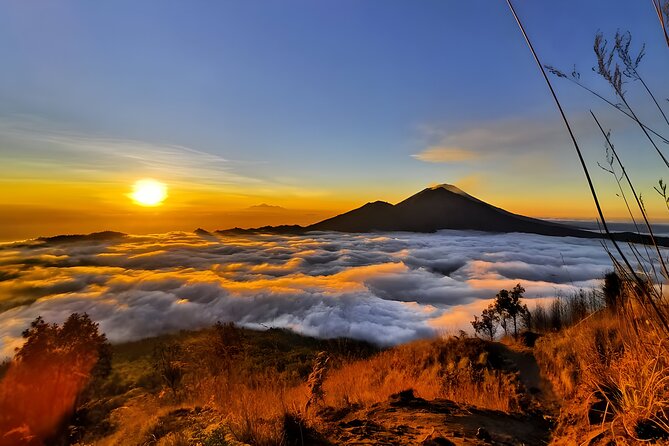
Kintamani Volcano (Mount Batur) is described as one of Bali’s great places, with mountain air and views in all directions. The caldera and Lake Batur are highlighted as the main visual draw, and the crater area is estimated at 13 square km.
This stop also includes the idea of important temples in the mountain area, making it both scenic and spiritual. If you’ve been focusing mostly on temples along the coast, this gives you the “Bali interior” perspective.
Entrance tickets aren’t included. Plan for this to be a photo-heavy stop, but also give yourself a few minutes just to take the scale in.
Consideration: Mountain viewpoints can change with weather, so treat this as a “make it work when it’s good” stop.
Stop 7: Besakih Temple, Bali’s Mother Temple Complex
Besakih Temple is presented as Bali’s Mother Temple, known as having stood for over 1,000 years. It sits on the southwestern slopes of Mount Agung at about 1,000 meters high and covers a vast complex with mountain scenery around it.
The complexity is part of the appeal: at least 86 temples, including the main Pura Penataran Agung (the Great Temple of State) and 18 other temples. With an hour allocated, this is a “big overview” visit. You’ll see how the site functions as a large spiritual setting rather than a single small attraction.
Entrance tickets aren’t included.
Consideration: Because this is large, you may not cover everything in one hour. That’s normal—go for the areas that catch your attention first.
Stop 8: Bajra Sandhi Monument in Renon (Denpasar)
Bajra Sandhi Monument is different from the temple stops. It’s described as built for the memory of Balinese hard work and heroic struggle before and after independence. The building process began in 1981 and stalled for several years, and the monument is located in Niti Mandala, Renon, Denpasar, an area with government offices.
This is a meaningful stop if you’re curious about how Bali presents modern identity and historical remembrance alongside its religious sites.
Entrance tickets aren’t included.
Consideration: It may feel more like a cultural pause than a breathtaking scenery moment, so it’s best if you like context.
Stop 9: Lempuyang Temple (Gate of Heaven) and the 1,700-Step Test
Lempuyang Temple, also known as the Gate of Heaven, is presented as a major highlight for fit and adventurous visitors. The main temple sits at 1,175 meters above sea level, reached by a steep staircase of over 1,700 steps.
Along the way, there are several other temples and long-tailed macaques in the surrounding cool mountain forests. This stop is framed as physically demanding, so it’s a good idea to decide early if you’re up for it.
Entrance tickets aren’t included.
Consideration: This is the one stop where the default timing can feel tight if the climb pace slows down.
Comfort and Practical Setup in the Car
The charter includes an air-conditioned vehicle with double blower AC, and that matters in Bali’s heat. The car also has a tape or CD player, and you’ll have the basic comfort of a private hire rather than squeezing into shared transport.
Pickup is offered, and it’s a private tour/activity, meaning only your group participates. There’s also a mobile ticket and group discounts, which can help if you’re traveling with friends or family.
Dress code is smart casual, and you’re specifically told to bring sunscreen and a camera. That’s good advice here because temple lighting, sea views, and mountain viewpoints can make you want to shoot more than you planned.
Pace Tips: Make a Long Day Feel Manageable
This is a 6 to 12 hour style experience, and the suggested runtime is 10 to 12 hours. That’s a full day, so your win condition is managing priorities.
I suggest you treat Uluwatu and Tanah Lot as your time anchors because both are described as tied to sunset. Then put the climbing-heavy Lempuyang Temple near the top of your list of decisions—if you’re not feeling stairs that day, it’s the easiest stop to skip while keeping the rest of the route.
Because the itinerary is flexible, use that power. If one stop pulls you in, ask to stay longer. If another doesn’t match your mood, ask to adjust and move on.
Also, since lunch and dinner aren’t included, decide whether you want food stops built into the day. This charter gives you the transport and driver; you still handle your own meals.
Potential Drawbacks and How to Avoid Them
The big practical downsides are straightforward:
- Entrance tickets are not included at the temples and sites
- Lunch and dinner are not included
- The day can be long (10 to 12 hours)
- Lempuyang Temple involves over 1,700 steps, so plan for that physical demand
- The experience is noted as requiring good weather, and if it’s canceled due to poor weather, you should be offered a different date or a full refund
There’s also one notable negative note in the feedback record: a guest raised a complaint about being charged for an extra day plus parking, and the provider responded saying the situation was misunderstood and that they never rent an automobile without a driver. That doesn’t change the core value of the charter, but it’s a reminder to double-check the schedule details and return timing clearly with your booking.
Should You Book This Bali Car Charter from Seminyak?
If you want one English-speaking driver, air-conditioned comfort, and the ability to hit major Bali icons in a single day, this charter is a strong fit. It’s especially useful if your goal is variety: ocean temples, Ubud’s monkey forest, Bedugul’s lake setting, Jatiluwih’s rice terraces, the Kintamani mountain viewpoint, and the spiritual weight of Besakih and Lempuyang.
I’d book it when:
- you’re okay paying entrance fees and meals separately
- you’re traveling with people who prefer convenience over hopping multiple transport systems
- you want a driver who can explain what you’re seeing (past feedback highlights this well, including English clarity with guides like Agung and Ngurah)
I’d think twice when:
- you don’t want a long day
- climbing 1,700+ steps isn’t your idea of fun
- you’d rather have a fully ticketed package with meals handled for you
If you go in with realistic expectations—especially about paid entrances and the stairs at Lempuyang—you’ll likely find this is an efficient, friendly way to get a meaningful snapshot of Bali.