REVIEW · SEMINYAK
Full Day – Ubud Art Village and Mount Batur Kintamani with Lunch
Book on Viator →Operated by Bali Best Tour Guide · Bookable on Viator
A long day, but it’s a good one. You’ll bounce through Bali’s craft centers, temples, and countryside, with artisan stops plus a Mount Batur lunch view built into the plan. Two things I really like: you get hands-on watching (not just a quick photo stop) and the schedule is packed with classic Ubud scenery that you’d otherwise stitch together on your own. The one thing to consider is that it’s a 10 to 11 hour day with plenty of driving and walking, so it suits a moderate fitness level.
One more practical note: the monkey forest and waterfall are both popular for a reason, but they also mean you’ll be sharing space outdoors with other visitors and your timing can’t be fully flexible once the day is in motion.
In This Review
- Key highlights you’ll notice right away
- Why This Ubud to Kintamani Day Tour Feels Like Good Value
- Morning Pickup and Tohpati Batik Weaving Center (Batik That You Can Actually See)
- Celuk Village for Gold and Silver Craft Work (Where Detail Is the Point)
- Batuan Puseh Temple and the Kori Agung Gate (Balinese Temple Details, Not Just a View)
- Batuan Village Artists and the Culture Scenes They Paint
- Sacred Monkey Forest Sanctuary in Ubud (A Tropical Temple Forest With Real Monkeys)
- Tegalalang Rice Terraces and Subak Irrigation (The Classic Ubud View With a Real System Behind It)
- Kintamani Lunch With Mount Batur and Lake Batur Views (Where the Day Hits the Payoff)
- Segara Windhu Coffee Plantation Tastings (How Luwak Coffee Is Processed and What You Can Taste)
- Kemenuh Wood Carving Village (The Short Stop That Makes You Want to Shop)
- Tegenungan Waterfall at Around 15 Meters (A Jungle Finish With Real Atmosphere)
- How Long Days Like This Actually Work (Timing, Pace, and What to Wear)
- Price and Logistics: What You’re Paying $61 For
- Who Should Book This Tour (and Who Might Skip It)
- Should You Book This Ubud + Kintamani Full Day?
- FAQ
- What time does the tour start?
- Where is pickup and drop-off offered?
- How long is the tour?
- What’s included in the price?
- What are the main stops during the day?
- Is lunch included, and what kind is it?
- Is this a private tour?
- Can I cancel for a refund?
Key highlights you’ll notice right away
- Batik, gold, silver, and wood carving done by real artisans, not just shop displays
- A temple visit with sarong included, so you’re not scrambling at the last second
- Ubud’s monkey forest + Tegalalang rice terraces in one tidy circuit
- Kintamani lunch with Mount Batur and Lake Batur views as the day’s big payoff
- Coffee plantation tastings, including mention of Luwak coffee processing and clay-pan roasting
- Tegenungan Waterfall (about 15 meters) to close out the sightseeing
Why This Ubud to Kintamani Day Tour Feels Like Good Value
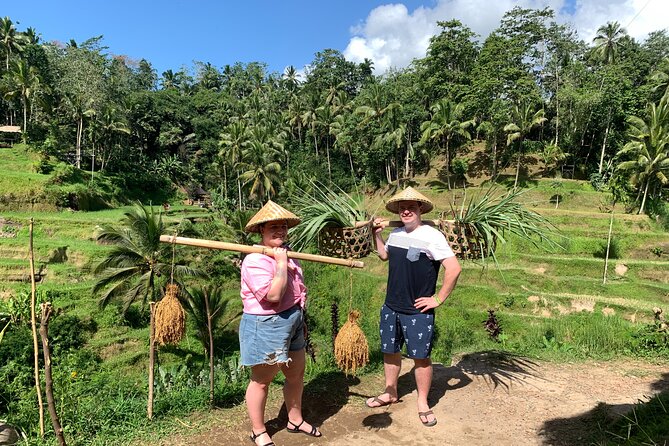
For $61 per person, you’re paying for a full-day routing that normally costs more once you add up transport, entry fees, and a set lunch plan. The tour includes hotel pickup and drop-off from Seminyak, an air-conditioned private car, bottled water, a sarong for temple entry, and all stated entrance tickets plus lunch.
The smart part is that you’re not just visiting “one or two famous things.” You’re covering a whole theme: Bali’s making-it-with-your-hands culture. And you’re pairing it with scenic stops where the countryside does some of the talking for you—especially around Ubud, Tegalalang, and Kintamani.
You’ll start at 8:30 am and finish after about 10–11 hours, so plan for an earlier dinner later. This is also a private experience, meaning it’s only your group, not a big open-to-everyone bus lineup.
You can also read our reviews of more tours and experiences in Seminyak


Morning Pickup and Tohpati Batik Weaving Center (Batik That You Can Actually See)
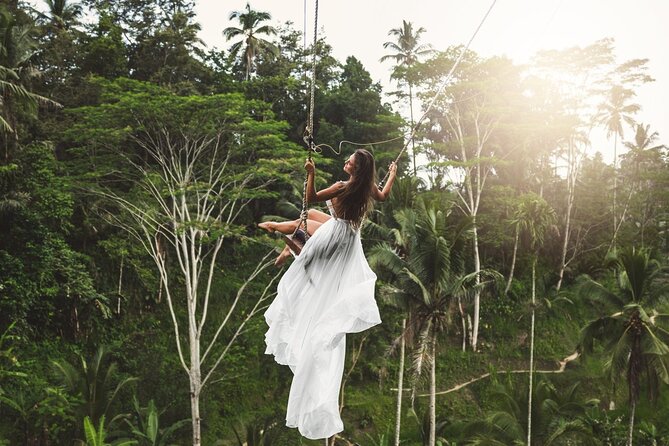
Your day kicks off with pickup (Seminyak) and then straight to Tohpati Village, famous for Bali’s batik hand weaving. Batik is traditionally done with wax-resist methods—layering dots and lines so the patterns show up on the fabric after dyeing. It’s the kind of process you can’t fully appreciate from a storefront.
You’ll spend about one hour here, and the admission ticket is listed as free. What you’re really buying with this stop isn’t a souvenir; it’s the ability to watch the steps and understand why these pieces take time.
What to do to get more out of it: go slow when you’re looking. Ask questions if your guide offers them, and pay attention to how the pattern develops, not only what the final cloth looks like.
Celuk Village for Gold and Silver Craft Work (Where Detail Is the Point)
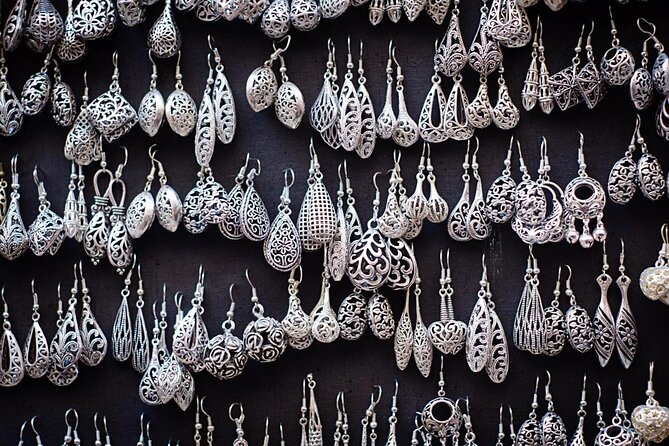
Next is Celuk Village, known for gold and silversmiths. You’ll watch artisans working with intricate designs and patterns. In other words: you’re not just passing by a craft street—you’re seeing the skill and precision up close.
This stop runs about one hour, and it’s listed as free for admission. This is also a good counterbalance to batik. Batik is wax lines and dye; Celuk is metalwork and fine detail. Together, they show you how varied Bali’s craft culture is.
Practical tip: if you’re hoping to buy something later, take note now. You’ll likely see different styles and skill levels across villages, and it helps you avoid impulse buys that don’t match your taste.
Batuan Puseh Temple and the Kori Agung Gate (Balinese Temple Details, Not Just a View)
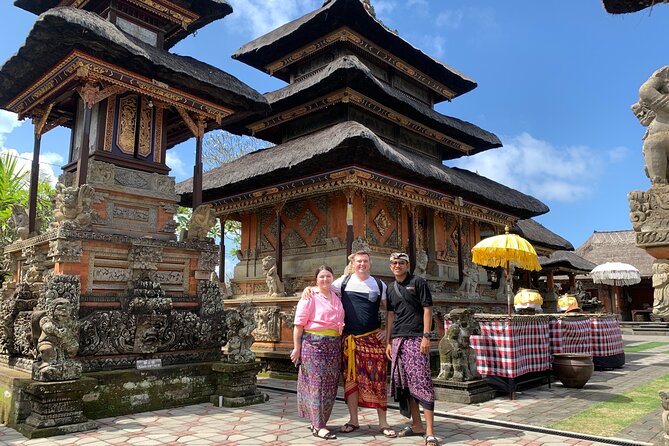
At Puseh Batuan Temple, you’ll step into classic Balinese temple architecture, with intricate stone carvings and a high entrance gate called the Kori Agung (flanked by sculptures). This is one of those stops where the “cool photos” are real—but the carvings are what keep it interesting.
You’ll have about 40 minutes here, and admission is included. The tour also includes a sarong for entering the temple, which is great because it prevents the usual scramble. If you’re used to visiting temples in places with dress requirements, you’ll appreciate being handled.
Why it’s worth the time: temples like this aren’t just landmarks. They’re a living part of the local religious landscape, and the architecture is specific enough that a guide’s context helps you notice what you might miss on your own.
Batuan Village Artists and the Culture Scenes They Paint
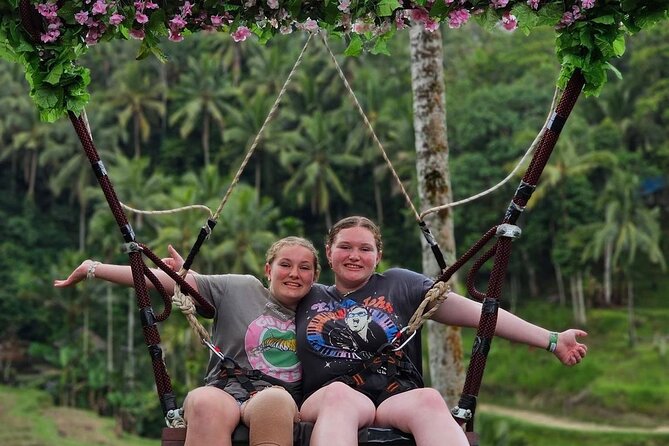
Then you’ll head to Batuan, a village popular for artwork and handicrafts, including painting. This is a shorter stop—about 30 minutes—but it’s focused on the painting process and themes: culture, gods and goddesses, dancers, and demons showing up in artworks tied to religion and history.
Admission here is listed as free. The value is that the time is short enough to stay moving, but not so short that you barely look. You get to see the work as an active craft, not only finished product.
Who enjoys this most: people who like art but don’t want a long museum lecture.
You can also read our reviews of more tours and experiences in Seminyak
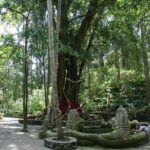


Sacred Monkey Forest Sanctuary in Ubud (A Tropical Temple Forest With Real Monkeys)
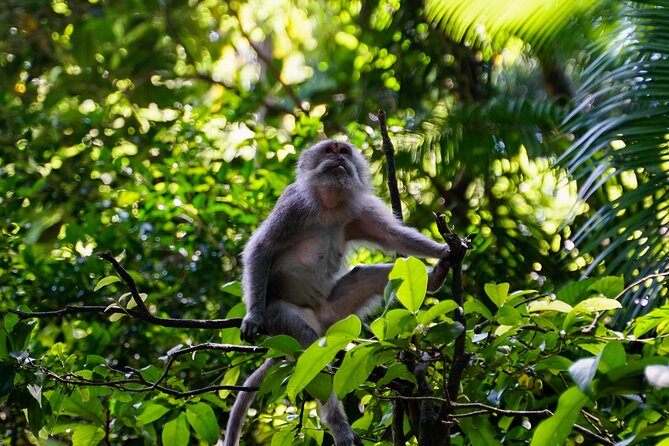
Ubud’s Sacred Monkey Forest Sanctuary is a preserved tropical forest area with ancient temple spaces and monkeys that are, frankly, very comfortable being around people. You’ll spend about one hour here with admission included.
The forest setting matters. It’s not a fenced zoo look. The experience is built around a walking path through a green, lived-in jungle environment, where monkeys run, eat, and play—plus the chance to see temple elements inside the sanctuary.
One consideration: you’ll be close to monkeys, so keep your belongings controlled and don’t treat it like a themed selfie set. The best photos come from watching first, then stepping in when you can do it calmly.
Tegalalang Rice Terraces and Subak Irrigation (The Classic Ubud View With a Real System Behind It)
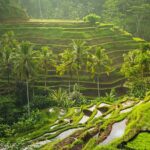
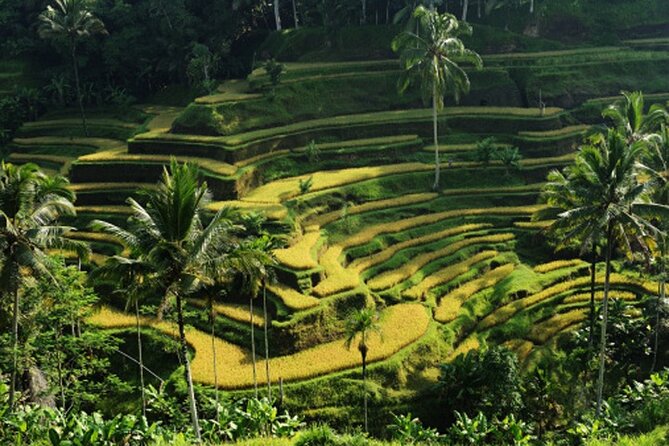
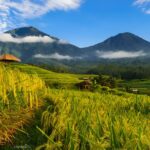
After that, it’s Tegalalang Rice Terrace, about one hour, with admission included. This is the postcard Ubud scenery—rice paddies, layered viewpoints, and that recognizable terrace rhythm.
What makes it more than a photo spot is the explanation tied to the Subak irrigation system: a traditional cooperative system that helps manage water across fields. You’ll see how the landscape isn’t random; it’s shaped by organized human work.
How to enjoy it more: take your time at viewpoints and don’t rush the explanation part. The “why” behind the terraces makes the “wow” stick longer after you leave.
Kintamani Lunch With Mount Batur and Lake Batur Views (Where the Day Hits the Payoff)
This is the day’s big scenic break: Kintamani, with lunch while you look toward Mount Batur and Lake Batur. You’ll have about one hour here, and Kintamani’s admission is listed as free because the focus is the location and meal.
The tour is built so you get your sit-down time away from the constant stop-and-go. The lunch is a buffet included in the price, and the setting is part of the deal—cooler air, dramatic volcanic views, and a chance to reset before the second half.
Practical note: lunch time is also your best chance to hydrate fully and cool down. Even without sunrise trekking, this is still a long day.
Segara Windhu Coffee Plantation Tastings (How Luwak Coffee Is Processed and What You Can Taste)
Next is Segara Windhu Coffee Plantation, about one hour 30 minutes, with admission listed as free. You’ll walk through the farm and see a traditional process for Luwak coffee, including roasting on a clay pan using heat from firewood (as described in the tour info).
Then comes the part most people remember: tastings. The tour lists options including lemon tea, ginger tea, chocolate coffee, ginger coffee, and regular Balinese coffee. That lineup is a nice way to find what you actually like without committing to one bitter cup and regretting it later.
If you’re not a coffee person: you still get tea options, so you’re not locked into coffee tasting.
Kemenuh Wood Carving Village (The Short Stop That Makes You Want to Shop)
After Kintamani, you’ll head to Kemenuh, a village identified as a center for wood carving art. You’ll watch artisans working and get a look at more exclusive carved pieces.
This stop is about 30 minutes, and admission is listed as free. It’s short, which works. Wood carving details can take a while to absorb—so a half-hour prevents the day from dragging while still letting you see the craft.
How I’d approach it: focus on technique. Look at how the design is carved, not just the final product. If you do want to buy, you’ll be better at spotting quality.
Tegenungan Waterfall at Around 15 Meters (A Jungle Finish With Real Atmosphere)
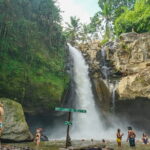
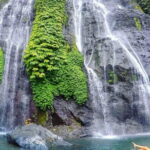
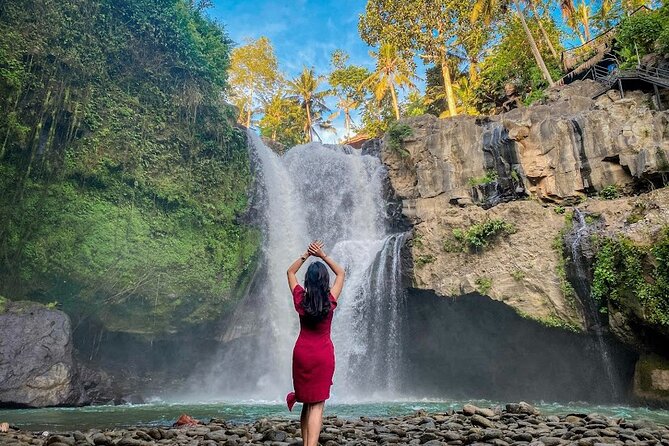
To close the day, you’ll go to Tegenungan Waterfall, described as about 15 meters high, set in a tropical jungle setting with lush greenery. You’ll spend around one hour, with admission included.
This is a classic Bali “wow” moment because the waterfall creates its own mini weather system. It also provides a change from temples, craft centers, and terraced views—so your eyes finally get a different kind of scenery.
What to plan for: expect humidity. If you’re coming straight from other walking stops, bring quick-dry comfort in your day bag mindset.
How Long Days Like This Actually Work (Timing, Pace, and What to Wear)
The biggest factor here is simple: you’re moving all day. The tour runs 10–11 hours starting at 8:30 am, which means you’ll want to pack smarter rather than heavier.
Here’s what helps in real life:
- Wear comfortable shoes because you’ll be walking through forests and terrace viewpoints.
- Use sunscreen and a hat for outdoor stops like the terraces and waterfall.
- Keep a small water habit going. Bottled water is included, and the experience is described as including water throughout the day in the feedback I read, with cold water and fruit also mentioned.
Also, the tour info calls for moderate physical fitness. You don’t need to be an athlete, but you should be comfortable with steady walking and changing locations back-to-back.
Price and Logistics: What You’re Paying $61 For
Let’s make the math feel real. At $61 per person, you get:
- Private air-conditioned car
- Hotel pickup and drop-off in Seminyak
- All entrance tickets listed as included
- Lunch (buffet)
- Sarong for temple entry
- Bottled water
- A day with a guide who helps connect the dots between places
What’s not included: gratuities and other personal expenses. That’s pretty normal.
The best value part is that the schedule covers multiple Ubud-area highlights plus Kintamani in one organized run. If you tried to DIY this with separate drivers and tickets, you’d likely spend more—and you’d lose the benefit of a single flow where you’re not constantly rescheduling.
In the feedback, people repeatedly highlighted the guiding side—like guides such as Pakis and Manu getting praise for English, context, patience, and photo help. There’s also mention of a driver named Mr. G being exceptionally professional and informed. That matters, because this route makes sense when someone helps you plan photo stops and keep the day from feeling like a checklist.
Who Should Book This Tour (and Who Might Skip It)
This tour is a strong fit if you want:
- A classic Ubud + countryside day without planning every step
- Culture through crafts: batik, metalwork, wood carving, and painting
- Scenic payoff built in, especially the Mount Batur lunch view
- A full “hits list” experience that still feels focused (temples, terraces, coffee, waterfall)
It may not be your best match if you prefer:
- A slower pace with fewer stops
- Only one type of attraction (for example, if you only want beaches or only one village)
And if monkeys or waterfalls aren’t your thing, you’ll want to weigh whether that time fits your comfort level.
Should You Book This Ubud + Kintamani Full Day?
I’d book this if you want one day to connect Bali’s art-making culture with major scenery—without juggling tickets, timing, and transport yourself. The included lunch at Kintamani and the mix of craft villages make it feel like more than just a tour bus ride.
Book it with confidence if you like watching artisans work, taking photos at viewpoint stops, and learning just enough to make the places feel specific. Skip it if your ideal Bali day is quiet and short, because this one is long and active.
FAQ
What time does the tour start?
The start time is 8:30 am.
Where is pickup and drop-off offered?
Pickup and drop-off are offered, and the tour location is listed as Seminyak, Indonesia.
How long is the tour?
It runs about 10 to 11 hours.
What’s included in the price?
Hotel pickup and drop-off, a private air-conditioned car, all entrance tickets, lunch, sarong for temple entry, and bottled water.
What are the main stops during the day?
You visit Tohpati Village, Celuk Village, Puseh Batuan Temple, Batuan, Sacred Monkey Forest Sanctuary, Tegalalang Rice Terrace, Kintamani, Segara Windhu Coffee Plantation, Kemenuh, and Tegenungan Waterfall.
Is lunch included, and what kind is it?
Yes. Lunch is included and it’s described as a buffet lunch with views toward Mount Batur in Kintamani.
Is this a private tour?
Yes. It’s a private tour/activity, and only your group participates.
Can I cancel for a refund?
Free cancellation is available. You can cancel up to 24 hours in advance for a full refund.