Ubud in one long, varied day. I like how this tour centers Tirta Empul Temple and its holy spring-water rituals, and I also love the photo-ready sweep of the Tegallalang Rice Terraces. One consideration: you’re committing to a long stretch of sightseeing (about 8 to 10 hours), and lunch is not included.
What makes it practical is the private setup. You get an air-conditioned vehicle, an English-speaking driver-guide, and hotel pickup and drop-off in the Seminyak/Kuta/Sanur/Nusa Dua area, with entrance tickets included and bottled water during the tour.
You also get a little flexibility built in. Depending on the day, you’ll go to Tirta Empul or Goa Gajah (Elephant Cave), cool off at Tegenungan or Ulun Petanu Waterfall, and the Sacred Monkey Forest Sanctuary is optional. That’s handy if you’re trying to match the day to your energy level.
In This Review
- Key highlights at a glance
- Morning Pickup From Seminyak: Private Comfort, Realistic Timing
- Practical tip
- Tirta Empul (or Goa Gajah): Holy Spring Water and Temple Atmosphere
- What to watch for
- Tegallalang Rice Terraces: UNESCO Views With Time to Walk
- How to get more out of the terrace hour
- Tegenungan (or Ulun Petanu) Waterfall: Jungle Cooling Break
- What I’d pack (based on the stop type)
- Sacred Monkey Forest Sanctuary: Optional, Fun, and Worth Reading the Room
- A straightforward “be smart” checklist
- D Alas Warung Lunch Stop: Scenic Driving and Food on Your Own
- Art Village Stops: Wood Carving, Painting, and Silver Workshops
- What to do if you’re shopping
- How This Tour Avoids the Rush (and Where It Can Still Happen)
- Quick self-check before you book
- Value and Price: What $60 Includes and Why It Matters
- Who This Tour Fits Best (and Who Might Want Something Else)
- Final Take: Should You Book Hidden Ubud: Waterfalls & Sacred Temples?
- FAQ
- What areas are pickup and drop-off available from?
- How long is the tour?
- Are entrance tickets included?
- Is lunch included?
- Will I definitely visit Tirta Empul and the waterfall?
- What’s the cancellation policy?
Key highlights at a glance
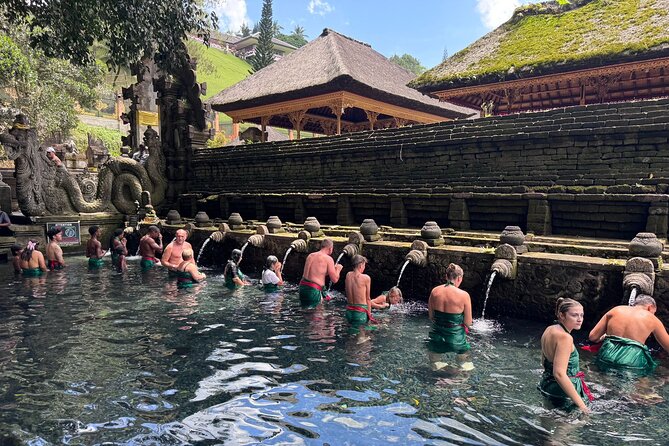
- Tirta Empul holy spring-water stop built around Balinese spirituality and temple customs
- UNESCO Tegallalang Rice Terraces with time to slow down and actually look
- Tegenungan or Ulun Petanu waterfall cooling time in lush jungle surroundings
- Optional Sacred Monkey Forest Sanctuary for temples and long-tailed macaques
- Art village workshop-style stops for wood carving, painting, and silver work
- A praised driver-guide experience with notes about punctual pickup and safe, careful driving (names like Dewa and Made Gama show up)
Morning Pickup From Seminyak: Private Comfort, Realistic Timing

This tour starts in the morning with pickup from your area, with Seminyak Square listed as the meeting point on Jl. Kayu Aya No.1. The plan is to begin around 8:00–8:30 AM and then head straight into Ubud’s traffic and slower village roads.
You’re in a private air-conditioned vehicle, not a shared van where you’re waiting on strangers. That matters in Bali because travel time can change fast with road conditions and where you need to park. Here, you get a professional English-speaking driver-guide, plus bottled water, parking fees, and fuel handled as part of the experience.
What I like about this format is that it lets you keep your day coherent. Instead of bouncing between tours, you get one set route with built-in pauses: temples, rice terraces, a waterfall, an optional nature/temple forest, and then art-focused stops.
You can also read our reviews of more tours and experiences in Seminyak.


Practical tip
Wear something comfy for walking on uneven temple grounds and rice-terrace paths. If you’re going to the waterfall, bring footwear you don’t mind getting splashed and that won’t be miserable on wet steps.
Tirta Empul (or Goa Gajah): Holy Spring Water and Temple Atmosphere
Your first major cultural stop is Tirta Empul Temple, famous for its holy spring water. This is the kind of place where you’ll feel the rhythm of Balinese spirituality just by watching how people move through the space. The experience is about more than a quick look—it’s a real temple visit, supported by a ticket that’s included.
If Tirta Empul isn’t the chosen stop that day, the alternative listed is Goa Gajah (Elephant Cave). It’s a reminder that Bali’s sacred sites aren’t just open-air landmarks; some are tied to stone, shadow, and long-formed traditions.
Either way, expect about 1 hour at this point in the day. That’s enough time to understand what you’re seeing, take in the setting, and still stay on schedule for Ubud’s other highlights.
What to watch for
Temple areas typically have rules about dress and behavior. I’d plan to cover shoulders and wear clothing that won’t feel too exposed in a sacred setting. Also, keep your phone use respectful—some areas are active for worship.
Tegallalang Rice Terraces: UNESCO Views With Time to Walk
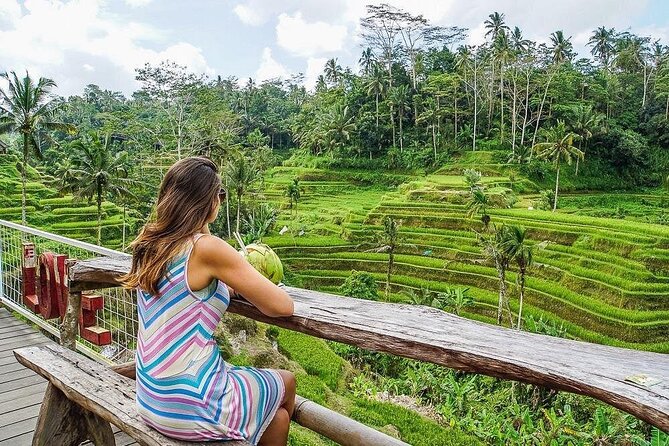
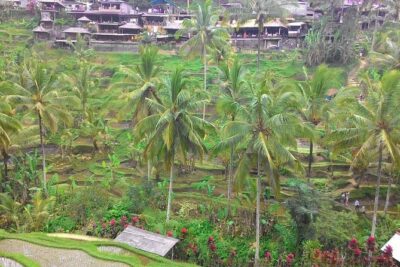
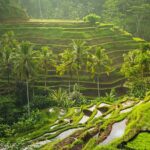
Next up is Tegallalang Rice Terrace—one of the most recognizable views around Ubud, and for good reason. The terraced fields create that classic emerald pattern, and you’ll have about 1 hour here to take photos and walk the edges.
Admission is included, so you’re not juggling extra ticket stops. More importantly, you’re not just pulling over for a postcard. This is one of those places where the walking adds value: you start to see how the water and farming shape the whole scene.


How to get more out of the terrace hour
Go early in the day for more comfortable temperatures and better light angles. Bring a hat, because you’ll be exposed in many spots. And if you’re thinking about photos, aim to step down toward viewpoints rather than staying at the most crowded edge—your driver-guide can point out where you’ll get the best angles with less backtracking.
Tegenungan (or Ulun Petanu) Waterfall: Jungle Cooling Break
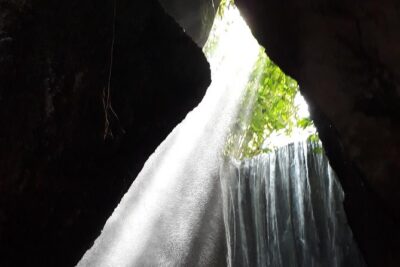
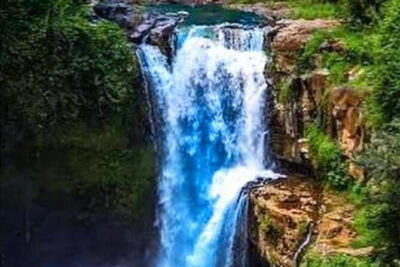
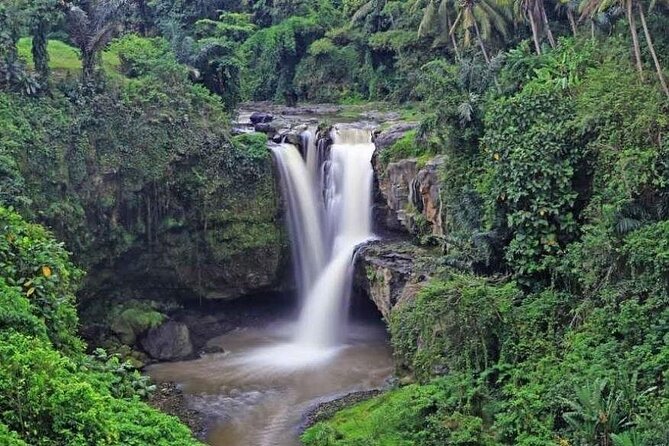
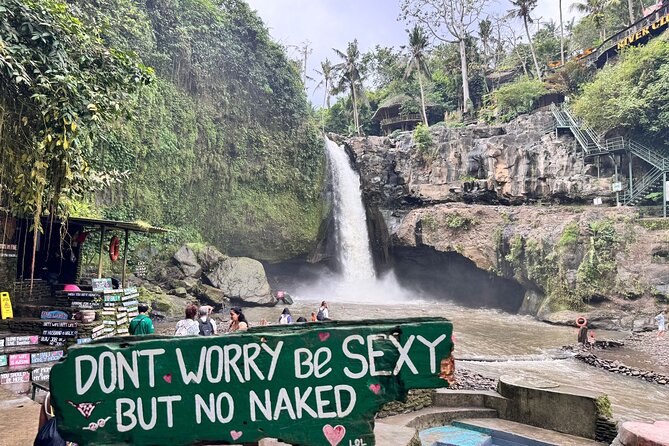
Then comes the physical reset: the waterfall stop. You’ll cool off at Tegenungan Waterfall or Ulun Petanu Waterfall, with about 1 hour scheduled and entrance included.
This is the part of the day that changes the pace from culture-and-walk to nature-and-breathe. It’s also where you’ll want to be smart with your time. Waterfalls are fun, but they can also slow you down if you’re spending too long changing into swim-ready clothes or exploring far beyond your one-hour window.
What I’d pack (based on the stop type)
- Water-friendly shoes or sandals with grip
- A towel or quick-dry layer if you’ll get wet
- A small bag you can secure (phone and electronics don’t love splashes)
If you’re traveling with kids, this is often the easiest stop to keep energy up—everyone likes “let’s cool down” breaks.
Sacred Monkey Forest Sanctuary: Optional, Fun, and Worth Reading the Room
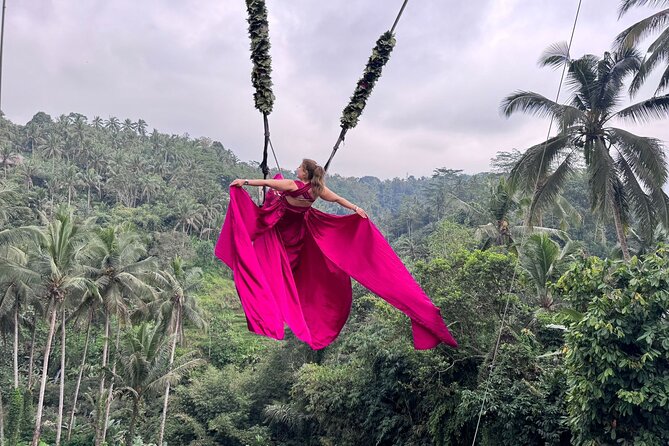
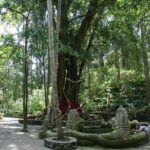
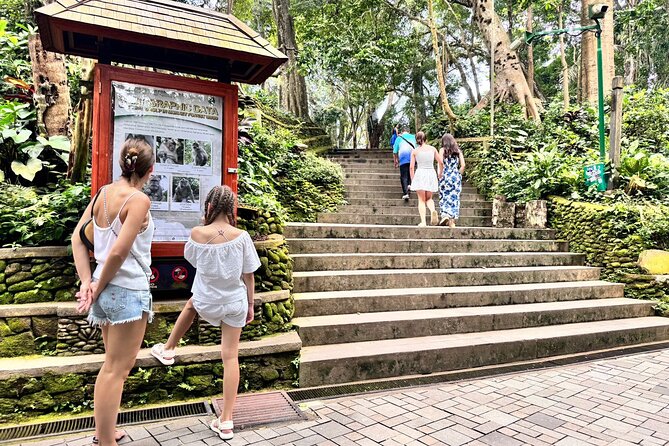
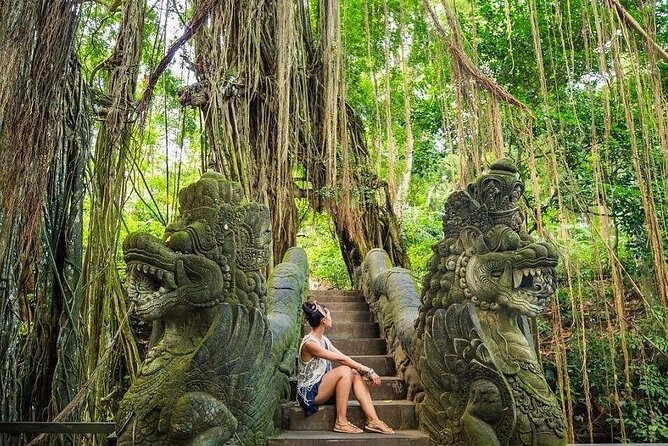
The Sacred Monkey Forest Sanctuary is optional, with about 1 hour if you choose it. It’s known for long-tailed macaques and ancient temple structures in a forest setting.
I like adding an optional nature/temple component because it lets you choose your own level of chaos. If you’re curious and you’re comfortable around animals, this is an easy “yes.” If you’re not into monkey interaction, you can still enjoy the rest of the day’s temples and art without it.
A straightforward “be smart” checklist
- Keep snacks and food secured
- Don’t carry things like loose hats or sunglasses where a monkey can grab them
- Expect to see people photographing—give yourself a buffer and don’t rush into the thick of it
Your driver-guide can help you decide on the day based on your group’s mood.
D Alas Warung Lunch Stop: Scenic Driving and Food on Your Own
Lunch is scheduled around a countryside stop at D Alas Warung Restaurant, but meals and drinks are not included. So you’ll be choosing your own lunch and paying separately.
This is a good setup because Ubud area restaurants can vary a lot. If you know what you like—Indonesian classics, lighter meals, vegetarian-friendly options—you’ll have the freedom to pick instead of getting stuck with one set menu.
One small drawback to know: since lunch is on your own, budget time and money. Don’t plan to rely on included snacks to cover the whole day. Also, if you’re sensitive to spicy food, Bali menus often lean bold—ask what’s in the sauce before you dig in.
Art Village Stops: Wood Carving, Painting, and Silver Workshops
After lunch and the mid-day energy shift, you’ll visit a traditional Balinese art village area where you can observe craft work firsthand. The stops described include:
- Traditional wood carving techniques by local artisans
- A Balinese painting community to learn about local art styles and heritage
- A silver workshop where you can see handcrafted jewelry processes
- Time for observation rather than just photo stops, which makes it feel less like a sales showroom
This part of the day is especially valuable if you like culture that you can see made. Temples give you spirituality; rice terraces give you agriculture; waterfalls give you nature. Art stops add the human side—hands-on work that gets passed down.
What to do if you’re shopping
Even when a workshop stop is educational, you may be near places where art is for sale. I’d treat buying like any market purchase: set a budget, compare quality if you can, and don’t feel pressured to buy just because someone explained the process. If you do buy, go for pieces that feel durable and well-finished—not just pretty from a distance.
How This Tour Avoids the Rush (and Where It Can Still Happen)
On paper, the schedule looks structured: each major stop is roughly 1 hour, with driving in between and a late-afternoon return to your hotel. In practice, time in Bali is fluid. Road conditions, parking, and how quickly you want to explore at each site can shift your day.
What helps here is that the tour is private with a personal driver-guide. You can usually slow down for photos at the terraces, spend a little more time at the temple if it’s speaking to you, or skip the monkey forest if you don’t feel it.
Still, here’s the one scheduling reality: an 8 to 10 hour day means you should plan for steady pacing, not long, wandering museum-style time. This tour works best when you’re happy with a “see the essentials, then move on” rhythm.
Quick self-check before you book
If you prefer a relaxed day with fewer stops and more unstructured time, you may find the schedule tight. If you want a single day that covers major Ubud highlights without wasting time figuring out logistics, it’s a strong match.
Value and Price: What $60 Includes and Why It Matters
At $60 per person, the value is driven by what’s covered:
- Private air-conditioned vehicle
- Professional English-speaking driver-guide
- Hotel pickup and drop-off (Ubud, Kuta, Seminyak, Sanur, Nusa Dua area)
- Bottled water during the tour
- Parking fees and fuel
- Entrance tickets included for the major stops
That’s a lot of “hidden costs” handled upfront. Many Bali day tours look cheap until you add admission fees, transport, and guide expenses separately. With this one, you’re paying for a complete core experience, then choosing only meals and personal spending on top.
The main costs you’ll still handle yourself are meals and drinks—lunch at D Alas Warung is your cue—and gratuities if you choose to leave them.
Who This Tour Fits Best (and Who Might Want Something Else)
This tour is a strong pick for:
- First-time visitors to Ubud who want temples, terraces, and a waterfall in one day
- Couples and small groups who prefer private comfort over shared schedules
- Families who need an organized plan but still want breaks at varied locations
- Travelers who like culture you can physically experience: sacred bathing sites, farming terraces, and craft workshops
You might look for a different option if:
- You dislike long travel days and prefer fewer stops
- You want a lot more time at each site (especially the terraces and temple areas)
- You’re hoping for meals fully included with no extra spending
The optional monkey forest stop is also a good indicator: this tour makes it easy to match the experience to your comfort level.
Final Take: Should You Book Hidden Ubud: Waterfalls & Sacred Temples?
I’d book it if your goal is a well-paced, private Ubud day that covers the big “why people come” stops—Tirta Empul, Tegallalang, and a waterfall—plus art village observations that add more than just scenery. The fact that entrance tickets and transport are included makes the price feel fair, and the private driver-guide format helps keep things smooth.
If you go, go prepared for a full day. Bring comfy shoes, plan to pay for lunch, and treat each 1-hour block as a chance to see the highlight without trying to do everything to the last detail. When you match your expectations to the pace, this is a very solid Ubud sampler with enough variety to keep the day interesting.
FAQ
What areas are pickup and drop-off available from?
Pickup and drop-off are included for the Ubud, Kuta, Seminyak, Sanur, and Nusa Dua area. The meeting point listed is Seminyak Square on Jl. Kayu Aya No.1.
How long is the tour?
The tour runs about 8 to 10 hours total.
Are entrance tickets included?
Yes. Entrance tickets are included for the tour stops.
Is lunch included?
No. Meals and drinks are not included, and lunch is available at your own expense at a local restaurant stop.
Will I definitely visit Tirta Empul and the waterfall?
Not necessarily. The itinerary lists Tirta Empul or Goa Gajah as an option, and Tegenungan or Ulun Petanu as the waterfall option. The Monkey Forest Sanctuary stop is also optional.
What’s the cancellation policy?
Free cancellation is available up to 24 hours in advance for a full refund. If you cancel less than 24 hours before the start time, the amount paid is not refunded.