REVIEW · SEMINYAK
Bali Canggu Silver Jewelry Making Experience
Book on Viator →Operated by Big Tree Jewelry Classes · Bookable on Viator
Silver work is a different kind of Bali souvenir. In Canggu, you’ll join an intimate workshop capped at just 15 people, with hands-on help from a silversmith and simple comforts like complimentary water and Wi‑Fi. It’s the kind of class that turns your trip into something you can actually wear.
The best part is the practical craft time. You use 1–6 grams of silver to make one design, then learn the steps from early shaping to final polishing. A possible drawback: the studio isn’t wheelchair accessible, since there are stairs and the workshop is physically involved.
In This Review
- Key highlights to know before you go
- Canggu silver jewelry making near Seminyak: what you’re really signing up for
- Price and what $46.43 buys in the real world
- The 2-hour flow: from check-in drink to polished souvenir
- Tools you’ll use and techniques you’ll learn (the hands-on part)
- Your design and the silver budget: 1–6 grams matters
- Optional gold plating: when the upgrade makes sense
- What you’ll walk away with (and how to judge quality)
- Getting there in Canggu: the meeting point and small-group logistics
- Who this class fits best (and who should choose something else)
- Should you book Big Tree’s Canggu silver jewelry experience?
- FAQ
- How long is the Bali Canggu silver jewelry making experience?
- How many people are in the class?
- What’s included in the price?
- Can I add gold plating to my silver jewelry?
- Where does the experience start?
- Is the studio wheelchair accessible?
- What is the cancellation policy?
Key highlights to know before you go
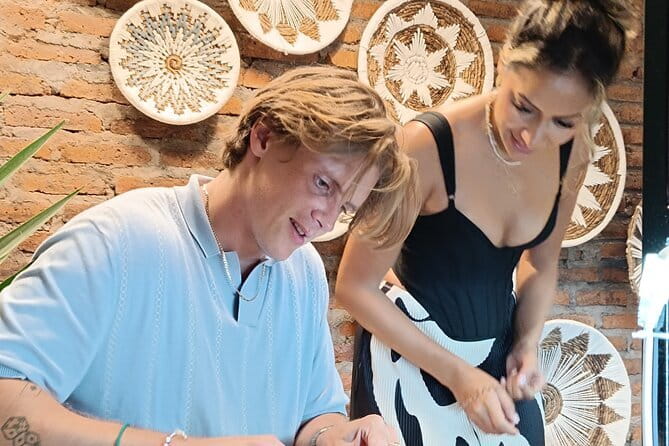
- Capped at 15 people for real hands-on attention
- Free bottled water and Wi‑Fi while you wait and create
- Use 1–6 grams of silver for your one-piece design
- Tools like saws, files, and grinding wheels plus stamping and hammering techniques
- Optional gold plating if you want extra shine for an added charge
Canggu silver jewelry making near Seminyak: what you’re really signing up for
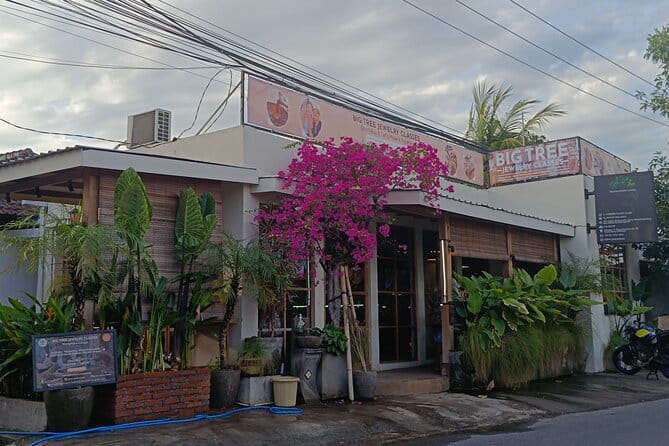
This is a craft class in the Canggu area, offered with pickup-style convenience in mind for people staying around Seminyak. Instead of a passive tour, you’re making something by hand. That alone changes the vibe. You’ll spend your time learning how jewelry is actually built—concept, cutting or shaping, refining, and finishing—so the final piece feels personal, not store-bought.
Because the group is limited to 15, you’re not lost in a crowd. You should expect an instructor to stay close as you handle the tools. That matters in a jewelry class, where small mistakes can cost time. It also means you’ll have a better shot at leaving with a piece you’d genuinely wear on a normal day, not just keep in a drawer.
One more practical note: this is listed as part of Seminyak in a broad sense, but the meeting point is in Canggu (Tibubeneng). If you’re bouncing between neighborhoods, plan extra time to get to the exact studio address so you don’t start late.
You can also read our reviews of more tours and experiences in Seminyak.



Price and what $46.43 buys in the real world
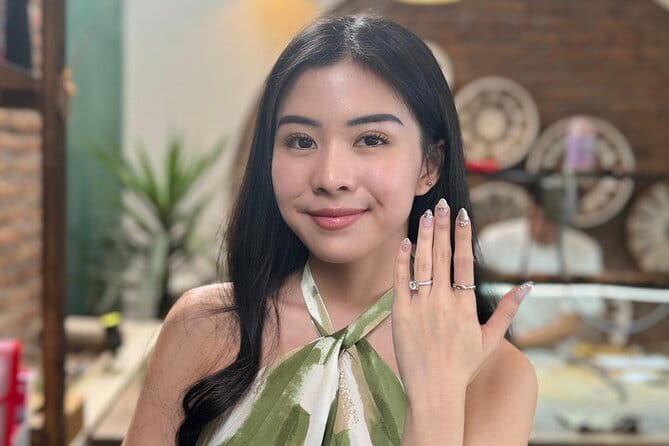
At $46.43 per person for about 2 hours, this can feel like good value because several basics are handled for you. You’re not just paying for “watching and trying.” You get:
- A silversmith instructor
- 1–6 grams of silver for your design
- Bottled water
- Free Wi‑Fi
- An activity with tools and guided steps from start to finish
Jewelry classes elsewhere can quickly add up once you factor in materials and instruction. Here, the silver for your piece is explicitly included within that 1–6 gram range. The total cost stays fairly predictable unless you choose the optional upgrade.
The one thing that can add cost is gold plating. That’s great if you want a more dramatic look, but if you’re trying to keep the budget tight, stick with the included silver and put your energy into getting your shape and finish right.
The 2-hour flow: from check-in drink to polished souvenir
You’ll start at the Big Tree studio in Canggu. The process is simple and meant to keep you comfortable and moving:
First, you check in at Big Tree Jewelry Classes. There’s a waiting room where you’ll get a welcome drink. If you need to stay connected, free Wi‑Fi is available right there, so you can send messages or map out your next stop without rushing.
Next comes the workshop itself. This is when you shift from watching to doing. The silversmith walks you through how to create your jewelry, and you move through the steps that turn raw metal into a finished piece. The class covers:
- The initial concept and planning
- Building the piece from raw materials
- Refining techniques
- Final polishing
Near the end, you take your creation home as a souvenir from Bali. The whole experience is listed as ending back at the meeting point, so it’s a tidy “show up, make something, leave with it” format.
Tools you’ll use and techniques you’ll learn (the hands-on part)
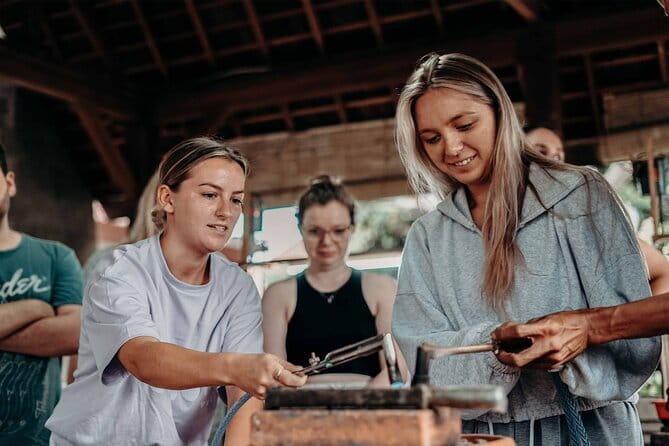
This workshop isn’t just shaping metal with your imagination. You’ll work with real jewelry tools. Expect to use items like grinding wheels, jeweler’s saws, and files. Those tools are how you move from a rough idea to an actual jewelry shape you can wear.
You’ll also learn technique beyond basic cutting. The class includes how to use and refine methods such as:
- Stamping
- Hammering
- Polishing to finish
Why this is valuable: most Bali activities give you a view, a photo, or a short demo. This gives you a skill set. Even if you don’t become a jeweler, you’ll walk away understanding what goes into a piece—how metal is adjusted, how details are made, and what “finish” really means.
And because the group is small, you’re more likely to get feedback while you’re still in the process. That feedback is what turns a fun craft into something you’ll be proud to wear.
Your design and the silver budget: 1–6 grams matters
A key detail you should pay attention to is the amount of metal used: 1–6 grams of silver for 1 jewelry design.
That doesn’t mean you’ll be limited to one style. It does mean you’re working within a material budget. If you try to design something overly complex for the amount of silver you’re assigned, it can affect how your final piece turns out. So your best move is to keep your design clean and realistic for one piece.
If you’re aiming to make a ring, this limitation can actually help. Simpler shapes often produce better results in a short workshop. And from the overall tone of the experience, the goal is clearly to end with something you’ll actually use—not a “science project” that never leaves the jewelry box.
A practical mindset: think of this as making one wearable item with the help of a professional. If you go in trying to make five different ideas, you’ll feel rushed. Choose one design and focus on the finish.



Optional gold plating: when the upgrade makes sense
There’s an optional upgrade for gold plating, available for an additional charge. You’re not forced into it. You can keep your piece in silver, or add gold plating if you want a warmer tone and extra visual contrast.
When is it worth it? If you’re the type of person who likes your souvenir to match jewelry you already own—gold-toned bracelets, gold rings, or mixed-metal looks—then gold plating can make the piece feel more like part of your everyday style.
If your priority is staying close to the base price and celebrating the pure silver look, you can skip it. The class still includes polishing and finishing as part of the process, so your silver keepsakes can look sharp without extra plating.
Either way, the upgrade is your choice. The workshop is built to let you leave with a customized result.
What you’ll walk away with (and how to judge quality)
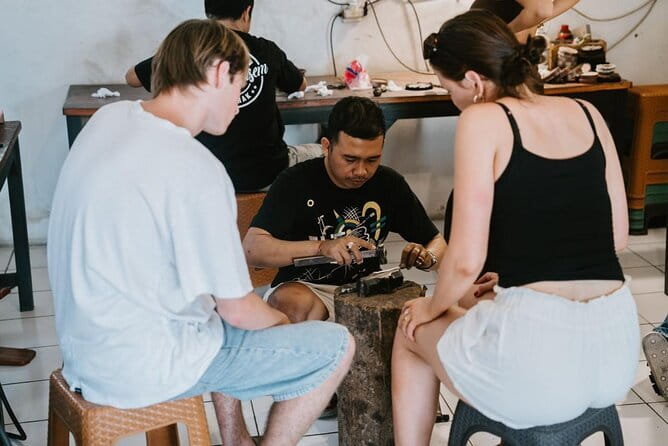
The workshop is designed around a clear promise: you leave with a handmade souvenir you can wear. That shows up in the way the class is structured. You’re not just making a stamped tag or a simple charm. You’re creating a jewelry piece using the included silver and guided steps through the work stages, including polishing.
From a quality standpoint, the most useful signal here is consistency. People tend to rate this experience highly when the end result looks like a real piece of jewelry. That’s the difference between a craft demo and a workshop where the instructor helps you get to the finish line.
What I suggest you do when evaluating the final product after class: check the shape, edges, and polish. If anything feels too rough or uneven, ask the instructor to help you adjust while you’re still there. The class is built for you to complete the polishing step, so you shouldn’t be afraid to focus on the finish.
Getting there in Canggu: the meeting point and small-group logistics
Your meeting point is clearly listed as:
Big Tree Jewelry Classes | Canggu Jewelry Making Class | Gold Plated
Jl. Raya Padonan no.57 Tibubeneng, Canggu, Kec. Kuta Utara, Kabupaten Badung, Bali 80361, Indonesia
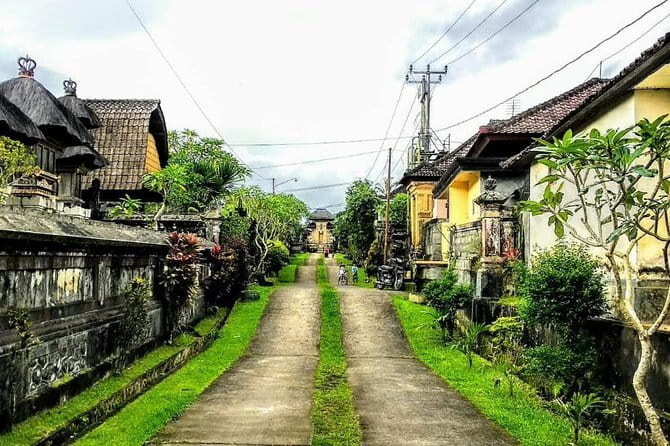
It’s also described as near public transportation, which helps if you’re not taking a private car. That’s a real value factor in Bali, where travel time can change depending on the day and traffic.
Group size is capped at 15 travelers, which is a big deal for a hands-on class. You’ll likely spend more time working at your station and getting feedback, and less time waiting for instructions.
One more practical consideration: the studio is not wheelchair accessible and there are stairs, which can make the physical part challenging. If you need an accessible route, plan accordingly.
Who this class fits best (and who should choose something else)
This is a great fit if you want:
- A Bali activity that’s creative but not just sightseeing
- Something you can wear later, not only take photos of
- A structured, guided craft session with tools and technique
It’s also a nice option for couples or friends who like doing one shared activity together. The workshop format supports pair conversations, while still keeping instruction focused.
You might want to skip it or reconsider if:
- You need wheelchair accessibility due to stairs
- You’re looking for a big outdoor experience or a long tour with lots of walking
If you like practical skills and want a souvenir with a backstory you can explain in one sentence, this class works.
Should you book Big Tree’s Canggu silver jewelry experience?
My take: if you’re choosing between another beach photo stop and a hands-on craft, this is a smart pick. The combination of small-group size (15 max), real tools, and a wearable end result makes the time feel “worth it.” You’re paying for instruction and included silver, not just entry into a room.
Book it if you want a genuine skill-based souvenir from Bali, and you don’t mind a couple hours of focused work.
Skip or think twice if accessibility is a concern for you, since the studio setup includes stairs and the activity is physically involved.
FAQ
How long is the Bali Canggu silver jewelry making experience?
It lasts about 2 hours.
How many people are in the class?
The workshop has a maximum of 15 travelers.
What’s included in the price?
The price includes bottled water, a silversmith instructor, 1–6 grams of silver for one jewelry design, and free Wi‑Fi. Gold plating is optional and costs extra.
Can I add gold plating to my silver jewelry?
Yes. There’s an optional upgrade to add gold plating for an additional charge.
Where does the experience start?
It starts at Big Tree Jewelry Classes at Jl. Raya Padonan no.57 Tibubeneng, Canggu, Kec. Kuta Utara, Kabupaten Badung, Bali 80361, Indonesia.
Is the studio wheelchair accessible?
No. The place is not wheelchair accessible due to stairs, which can make the activity challenging.
What is the cancellation policy?
You can cancel for a full refund up to 24 hours before the experience starts. If you cancel within 24 hours of the start time, you won’t get a refund.