REVIEW · SEMINYAK
Bali Culture And Spring Temple Private Guided Tour
Book on Viator →Operated by Seminyak Tour Driver Bali · Bookable on Viator
A private Ubud day feels like having Bali to yourself. This tour strings together Bali’s most memorable culture stops—Barong dance, the Tegallalang rice fields, Tirta Empul’s holy spring ritual, and the waterfall views—plus door-to-door pickup in South, Central, and East Bali. It’s a full day (about 10 hours) built for good pacing and easy photos without the usual logistics headache.
I really like the way the route mixes performance, craft, and religion in a way that makes sense. Seeing the Barong and Kris story, then watching silverwork at Celuk, then walking into a living temple for the spring blessing ritual helps you connect the dots between belief and everyday Balinese life.
The one consideration: lunch isn’t included, and while entrance tickets are listed as all-inclusive, the fine print also mentions possible extra entrance fees (around $18 per person) depending on what you’re covering. If you budget for food and a possible small ticket top-up, you’ll keep the day smooth.
In This Review
- Key things that make this tour worth your time
- Why This Private Ubud Culture Route Works So Well From Seminyak
- The 10-Hour Plan: Transport, Pacing, and What To Expect
- Batubulan Barong and Kris Dance: Myth, Karma, and Performance Energy
- Celuk Silver Village: Watching Craft Happen Step by Step
- Bali Traditional House Gung Aji: How a Compound Explains Daily Life
- Tegalalang Rice Terrace: Views, Lunch Options, and the Swing Detour
- Tirta Empul Temple: The Holy Water Ritual and Why It Matters
- Tampaksiring Tea Time: A Breather With Garden Photos
- Tegenungan Waterfall: Best Light Timing and Why Swimwear Helps
- Price and Entrance Tickets: What You’ll Pay Beyond the $20
- Guide Quality: The Friendly English-Level That Makes the Day
- Should You Book This Bali Culture and Spring Temple Tour?
- FAQ
- What is the duration of the Bali Culture And Spring Temple Private Guided Tour?
- Is pickup and drop-off included?
- Is this a private tour?
- What’s included in the price?
- Is lunch included?
- What should I wear or bring?
- What is the cancellation policy?
Key things that make this tour worth your time
- Door-to-door pickup in multiple Bali areas so you’re not hunting for shuttles all morning
- Private air-conditioned transportation with an English-speaking guide who can tailor the pace
- Barong and Kris dance in Batubulan gives you the good-versus-evil mythology in real performance form
- Tirta Empul spring ritual at the sacred water temple where you learn what each spring is for
- Tampaksiring tea time + garden photo spots as a breather between temples and waterfall
- Tegenungan Waterfall with better afternoon light and swimwear-ready timing
Why This Private Ubud Culture Route Works So Well From Seminyak
Even though the tour is described around Seminyak, the real value is that you get private door-to-door pickup and drop-off across a wide slice of the island. That matters in Bali, where traffic can turn a “short hop” into a half-day detour.
This route also avoids the classic mistake of piling everything into one location. You start with a traditional dance show in Batubulan, then move outward through Ubud-area cultural stops (silver village, a traditional house compound, rice terraces, temples), and end with a waterfall that’s best when you can time it right. The day feels like a guided loop through what most people come to Bali for—without forcing you to stress about getting from A to B.
Most of the itinerary runs about an hour per stop. That’s long enough to actually see, ask questions, and take photos, but short enough that you don’t feel stuck. And because it’s private, your guide can adjust if you’re slower, faster, or you just want one extra picture at the terrace.
You can also read our reviews of more guided tours in Seminyak


The 10-Hour Plan: Transport, Pacing, and What To Expect
Plan on roughly 10 hours total, including pickup, travel between sites, and time at each stop. You’ll have individual private transportation in an air-conditioned car, which is a big deal in Bali’s heat—especially once you start bouncing between open-air terraces, temple stone steps, and the shaded comfort of the vehicle.
The day includes a water bottle, plus tea time during the Tampaksiring stop. That helps a lot when your schedule doesn’t include a full lunch break at the exact same point every day. If you’re the type who gets hangry, I’d treat lunch as an optional add-on you budget for, not something you expect to be built in.
One small practical note: the itinerary is set up for photos and clear sightlines, but places like Tirta Empul and Tegenungan involve rules (dress, ritual etiquette, and sometimes slippery surfaces). Your guide will help you flow through it, but you’ll want to be ready for short walks, stairs, and changing light conditions.
Batubulan Barong and Kris Dance: Myth, Karma, and Performance Energy
The day kicks off with the Barong and Kris dance in Batubulan. This isn’t just a pretty stage show. It’s a live, traditional story built around the Balinese mythology of good and evil spirits, and the performance connects it to karma and moral balance.
You’ll usually sit through a full performance length (about one hour), and the experience is enhanced by narration from the performers/handlers during the show. The key thing is to watch it like a story, not like a spectacle. Even if you don’t catch every word, the contrast between characters, the drama of the movement, and the spiritual framing give you an immediate emotional hook.
Dress-wise, you’ll be in smart casual clothing for most of the day. This is the kind of stop where you don’t need extra gear. If you’re hoping for great photos, arrive ready to shoot during the action moments, not during calmer transitional sections.
A real advantage here: this is early enough that you’re energized for the rest of the route, and you’re not trying to learn culture facts while already tired.
Celuk Silver Village: Watching Craft Happen Step by Step
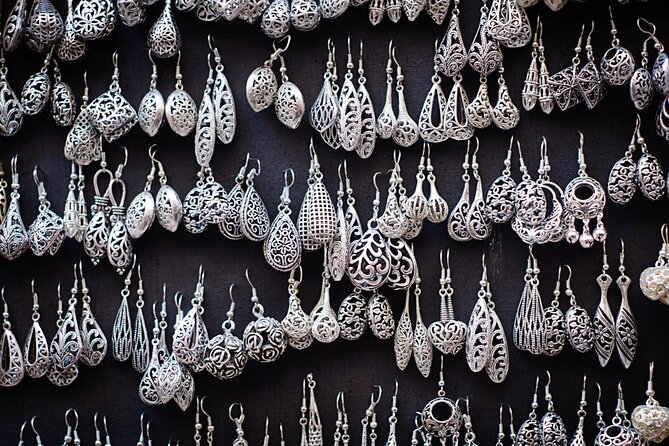
Next comes Celuk Village, the silvercraft center where you can actually see the process rather than just buy a finished souvenir. Plan for about one hour here.
What I like about this stop is that it’s not only about the shiny end result. You’re guided through how the special artists of silver making create designs and products step by step. You’ll also get to see the kind of Balinese silver art that goes beyond generic “Bali trinkets” and feels tied to specific craft traditions.
This is a good stop for two types of travelers:
- If you love artisan work, you’ll appreciate the handwork and the explanations.
- If you’re only mildly interested, it still works because you get to watch something happening, which keeps the hour from dragging.
If you’re shopping, go in with a simple mindset: look for craftsmanship and ask about what you’re seeing. Your guide can help you compare quality and avoid impulse buys that don’t match your budget.
Bali Traditional House Gung Aji: How a Compound Explains Daily Life
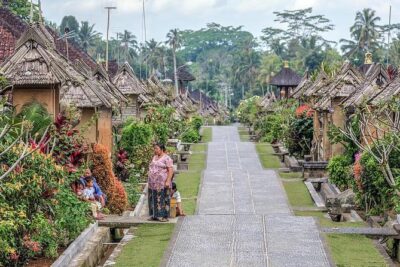
Then you move to a traditional Balinese house compound (Gung Aji). Expect another one-hour stop focused on how Balinese building structures work and what each part is used for.
This is where a lot of tours get vague. Here, the emphasis is on explanations of function—so instead of just “this is a traditional home,” you learn how the compound supports daily living and spiritual practice. Your guide will walk you through the layout in a friendly, easy way, which is exactly what you want because traditional compounds can look confusing if you don’t have a map in your head.
Practical tip: take a moment during this stop to slow down and observe. The best photos usually come from understanding what you’re photographing—threshold areas, courtyard spaces, and the structure relationships—rather than just snapping at the first pretty corner.
If you’re the kind of visitor who likes questions, this is a great time to ask. House layout is one of the easiest topics to connect to what you’ve learned earlier about belief and ritual.
You can also read our reviews of more private tours in Seminyak





Tegalalang Rice Terrace: Views, Lunch Options, and the Swing Detour
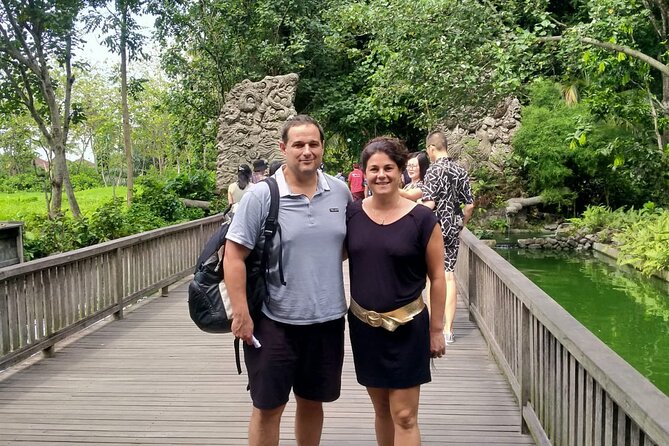
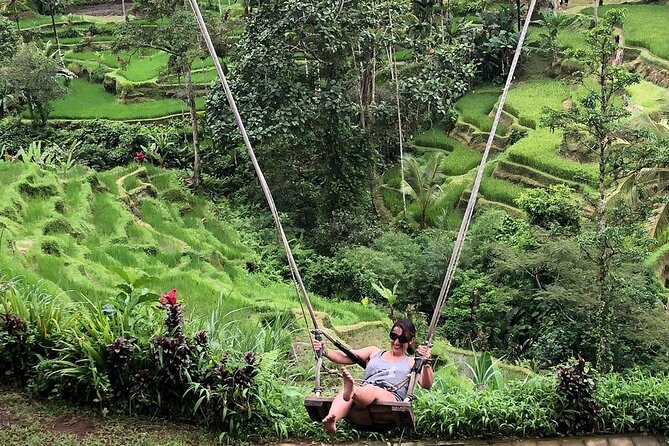
Tegalalang Rice Terrace is one of Bali’s most photographed places for a reason. You get a one-hour window here to enjoy the terraced landscape views and pause for lunch.
Lunch is an extra personal expense at a local restaurant, with an estimate around $4 per person based on what’s listed. It’s worth planning for because a midday meal is what keeps the afternoon comfortable, especially if you’re heading toward a temple and then a waterfall after.
There’s also an optional traditional attraction swing you can try at the terrace. The details around duration or cost beyond the mention aren’t provided, so treat it as a maybe, not a must-do. If you want it, bring the right attitude: you’re trading some time and effort for a specific kind of photo.
The biggest practical advice for this stop: timing matters for light and crowd level. Since the overall day is designed with later waterfall timing in mind, you may find the rice terraces feel less like a sprint and more like a scenic break—especially if your guide keeps you moving at a comfortable pace.
Tirta Empul Temple: The Holy Water Ritual and Why It Matters
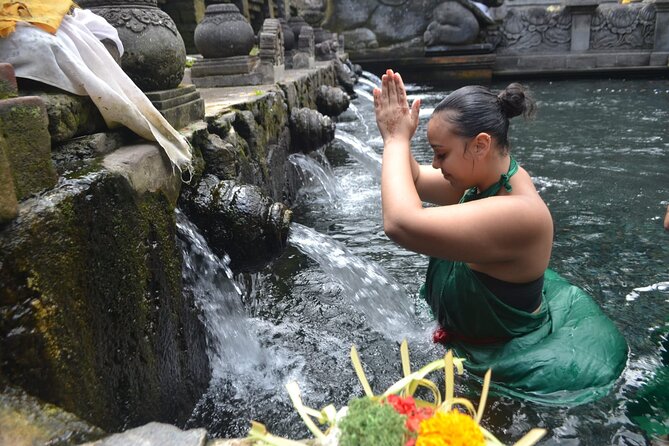
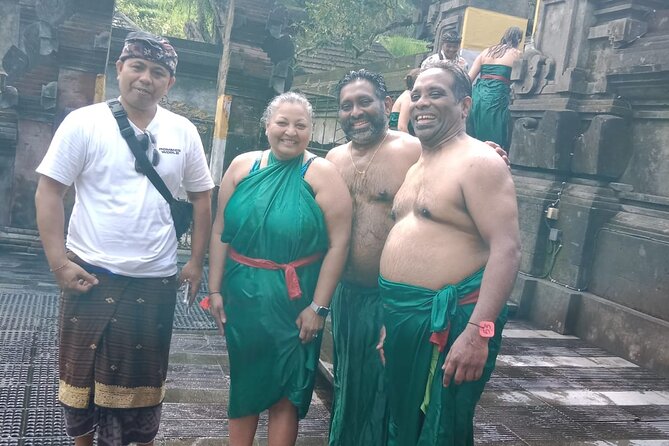
Tirta Empul is the “spring temple” stop, and it’s one of the most meaningful experiences on this itinerary. You’ll spend about one hour here, and the focus is the sacred holy water temple and the blessing ritual.
The guide helps explain the function of each holy spring, and you can join the blessing ritual as part of the experience. This isn’t just walking around. It’s participating in a ritual context, and your guide’s role is important because temple etiquette can be confusing if you don’t know what to expect.
For your comfort: bring smart casual clothing as required, and also be ready for wet stone surfaces. The tour information asks for smart casual and notes bringing swimming clothes—so you’re likely to get wet or at least be close to water activities during the day. That helps you avoid that awkward moment of realizing you’re in the wrong outfit.
This stop is a strong choice if you want Bali culture that isn’t only visual. It gives you a clear connection between spirituality and place. And if you’re curious, ask questions about why each spring exists—those explanations are the difference between seeing a temple and understanding it.
Tampaksiring Tea Time: A Breather With Garden Photos
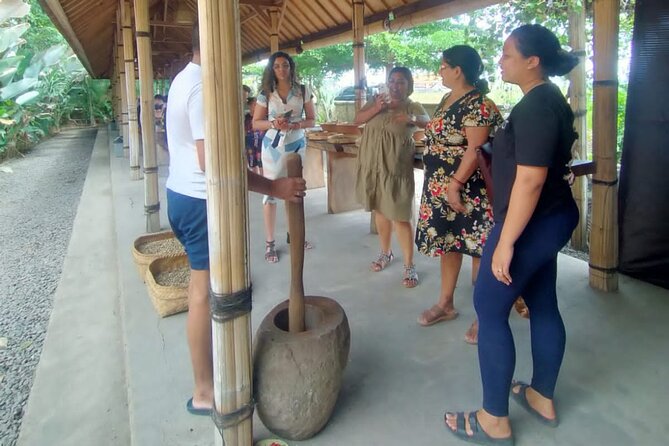
After Tirta Empul, the schedule includes Tampaksiring, where you get complimentary tea time. This is another one-hour stop that works like a pressure-release valve between temple intensity and waterfall excitement.
You’ll have a chance to capture photos in a green garden area and enjoy the tropical feel of the village atmosphere. It’s not a flashy headline stop, but it makes the day more human. Instead of nonstop sights, you get a pause where you can sit, sip tea, and reset your energy.
If your group includes people with different travel styles, this is also a useful compromise stop. Some folks love ritual and history; others prefer scenery. Tea time keeps everyone satisfied without turning it into a long detour.
Tegenungan Waterfall: Best Light Timing and Why Swimwear Helps
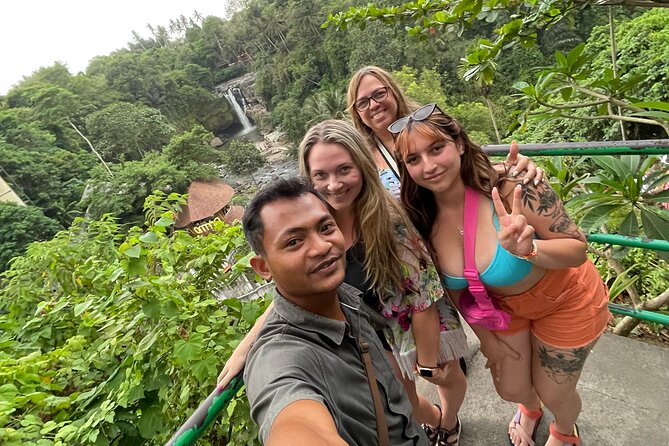
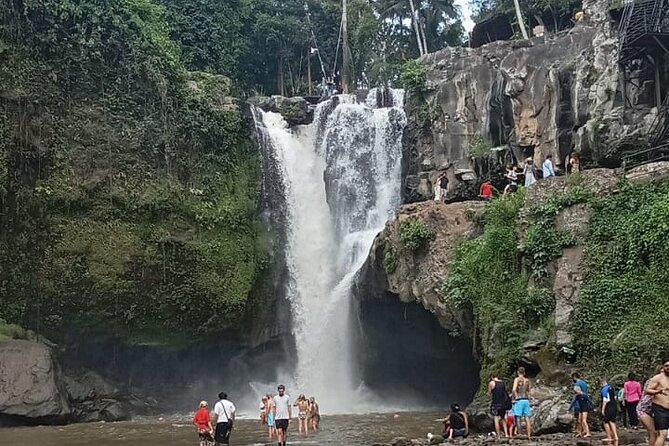
The final big hit is Tegenungan Waterfall, where you get about one hour. The tour notes that arriving at the right time can mean it’s not too crowded in the afternoon, and that the light can be ideal for photos. You also get the chance to take pictures with green scenery around you.
Here’s the practical part: the tour info asks you to bring swimming clothes. That’s your hint that water is part of the plan, or at least that you’ll want the option. Waterfalls in Bali can be slippery and unpredictable, so having swimwear ready helps you handle the moment without stressing over your outfit.
Also, don’t plan to turn this into a marathon photoshoot. One hour is enough if your guide helps you choose a smart vantage point and you focus on a few strong shots instead of chasing every angle.
Price and Entrance Tickets: What You’ll Pay Beyond the $20
The price is listed at $20 per person, and it’s hard to beat that value for a private day packed with well-known Ubud-area stops. The real reason it feels like good value is the combination of private air-conditioned transport, an English-speaking friendly guide, and ticket coverage.
That said, read the fine print carefully. The included section says entrance ticket on premium all-inclusive, while the non-included section notes that you may pay entrance tickets (around $18 per person) if visiting all attractions, plus lunch as an extra expense. Since these statements can conflict depending on your exact package setup, I’d treat entrance coverage as “mostly handled” but confirm what’s included for your exact booking.
Budget expectations that are clearly stated:
- Lunch is extra, estimated around $4 per person
- You may encounter an additional entrance ticket charge (about $18 per person) depending on how the package is applied
- You’ll still want a bit of cash or card flexibility for snacks or small purchases
If your goal is a single day that hits major cultural icons—dance, craft, temple ritual, rice terraces, and a waterfall—this pricing structure is the kind that can work well for couples and small groups who don’t want to coordinate transit on their own.
Guide Quality: The Friendly English-Level That Makes the Day
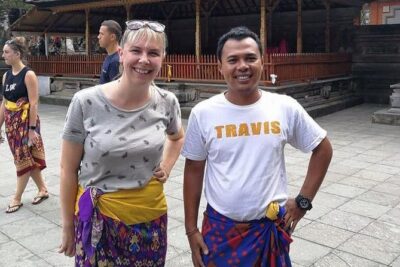
The reviews emphasize guide personality and clear communication, and that’s exactly what makes a private tour worth paying for. Names that came up include Komang Adi, Eka, and Kadek (including Kadek Dwi). People praised their friendliness, politeness, and the fact that they stayed flexible when plans shifted.
One thing I really value on tours like this: a guide who can answer your questions in real time. Several comments highlighted how guides were “inciteful,” gave thorough walkthroughs stop by stop, and helped people feel comfortable—right down to helping with a practical task like buying a SIM card when someone needed it.
Also, at least one review mentioned a personal photographer and another noted vehicle comfort like Wi-Fi and Bluetooth. Those are not things you should count on, but they align with a theme: guides often make the day more than a checklist.
My advice: when you book, tell your guide what you care about most. If you want photos, say so. If you want the ritual explained carefully, say so. Private tours work best when you give your guide a little direction.
Should You Book This Bali Culture and Spring Temple Tour?
Book it if you want one guided day that hits major Balinese culture anchors with private transport and a friendly English-speaking guide. It’s especially good for first-timers to Bali who want an efficient route through Ubud’s best-known sites—without spending your day solving tickets, parking, and timing.
Skip or adjust if you’re trying to keep costs ultra-tight or you hate the idea of adding optional expenses. Since lunch and possible entrance fees may come up, you’ll get the best value by planning a little buffer.
If you go in with the right expectations—smart casual clothing, a willingness to follow temple etiquette, and the ability to enjoy a day that mixes ritual, craft, and scenery—you’ll leave with a very coherent Bali story. Not just photos. A sense of how it all fits together.
FAQ
What is the duration of the Bali Culture And Spring Temple Private Guided Tour?
The tour runs about 10 hours.
Is pickup and drop-off included?
Yes. Pickup and drop-off are included across Seminyak, Ubud, Kuta, Nusa Dua, Legian, Canggu, Gianyar, Jimbaran, and Kerobokan.
Is this a private tour?
Yes. It’s a private tour, so only your group participates.
What’s included in the price?
Included items list private air-conditioned transportation, an English-speaking guide, water bottle and tea time, insurance, and entrance tickets on premium all-inclusive (with a note that entrance fees may apply depending on the attractions).
Is lunch included?
No. Lunch is an additional personal expense, estimated around $4 per person.
What should I wear or bring?
Dress code is smart casual, and you should bring swimming clothing.
What is the cancellation policy?
Free cancellation is available. You can cancel up to 24 hours in advance for a full refund.