Holy water and rice terraces, in one calm route. A Balinese healing day like this pairs ritual purification at Tirta Empul with scenic Tegalalang rice views, plus a relaxed coffee stop on a plantation so the meaning sticks, not just the photos. I especially like the private, from-your-hotel flow that keeps you from wasting time crisscrossing the island, and the fact that key temple needs are handled for you (sarong, offerings, guiding). One thing to consider: this is not a long, full-day cultural tour—4 to 5 hours means you’ll have a focused experience, but you won’t have much extra time for random detours or a leisurely lunch.
You’re also in good hands with how the ritual is structured: you visit the holy spring temple area, go through purification, and then meet with the healer as part of the healing session. The overall vibe is grounded and practical—get to the sights, do the ritual, learn what it means, then go back feeling clearer. The only potential downside is personal comfort: if you’re uncomfortable with getting wet during temple purification or wearing a sarong, plan accordingly.
In This Review
- Key takeaways before you go
- Why this Balinese healing day feels different than standard sightseeing
- Seminyak transfers that keep your day on track
- Tegalalang Rice Terrace: the view stop with real meaning
- Tirta Empul Temple purification: where the day becomes a ritual
- The healer meeting: clarity and direction, not just a stop
- Plantation coffee stop: a simple wrap-up that actually helps
- Price and value: what $50 buys in a short, meaningful day
- Who should book this Balinese healing experience
- Should you book this tour?
- FAQ
- How long is the Balinese healing experience?
- Where does the tour take place?
- Is hotel pickup included?
- Is this experience private or shared?
- Are admission tickets included?
- What’s included in the purification part?
- Is coffee included after the ritual?
- Is lunch included?
- How far in advance do people typically book it?
- What’s the cancellation policy?
Key takeaways before you go
- Tirta Empul purification uses the sacred holy-spring waters as the center of the whole experience
- Tegalalang Rice Terrace gives you the classic Ubud-area view early, when it’s often calmer
- Private hotel pickup + 2-way transfers saves time and keeps the day from feeling rushed
- Sarong, offering, mineral water, guiding, and temple admission are handled for you
- A plantation coffee stop helps you connect the ritual to everyday Balinese life
- Small group setup means your session feels personal, not like you’re getting processed
Why this Balinese healing day feels different than standard sightseeing
A lot of Bali tours stack temples and viewpoints like a checklist. This one is built around a specific Balinese Hindu idea: healing isn’t only about a place you visit—it’s about a ritual you experience. That’s why Tirta Empul isn’t just another stop. The holy waters are the main event, and everything else supports it.
I like that the day moves with intention. You start with nature and scenery at Tegalalang, then you shift into purification at Tirta Empul, then you land on a plantation with coffee and a religion explanation. The result is a day that feels like it has a “before, during, after,” not just moving from one location to the next.
The private setup matters more than you might think. When you’re coordinating your own transport, you lose time figuring out routes, parking, and entry logistics. Here, you get pickup and round-trip transfers from your Ubud or south Bali hotel, which keeps your day on schedule. For a 4 to 5 hour experience, that time savings is the difference between a calm ritual day and a stressful one.
You can also read our reviews of more tours and experiences in Seminyak.

Seminyak transfers that keep your day on track
Your day starts with pickup, and the trip is designed to be efficient. The experience is based in Seminyak, but the route supports visitors from Ubud or south Bali hotels. That’s a big plus if you’re staying in a busier beach area and don’t want to spend part of your healing session stuck on the road figuring out details.
Because the tour includes private transfers, you also avoid the usual group-tour problems: waiting for late passengers, squeezing everyone into tight schedules, and losing track of where everyone is. This is described as a private activity, so only your group participates. Even if it’s just you, it tends to feel more respectful—especially once you’re dealing with temple etiquette.
Practical tip: temples and rice terraces can involve walking on uneven ground. With private pickup, you’re not managing multiple stops on your own—so wear something comfortable for short stretches, and keep your pace steady.
Tegalalang Rice Terrace: the view stop with real meaning
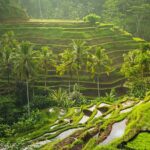
The first stop is Tegalalang Rice Terrace, with pickup from your hotel and a drive to the rice terraces in the Ubud area. The plan gives you about an hour here, and the timing of an early scenery stop works well. Even if the terraces are busy at times, starting with nature helps you shift your mind from hotel mode into island mode.
What I like: this isn’t just a photo pull-off. Rice terraces are part of how Balinese life connects to land and water. You’re setting your body in the right context before you get to the holy springs. It’s a mental warm-up.
A realistic drawback: one hour goes fast. If you love slow wandering and want to take your time exploring every path, you might feel slightly limited. For most people, though, it’s a good balance—enough time to enjoy the view and reset your head, without turning the day into a long hike.
Tirta Empul Temple purification: where the day becomes a ritual
After the rice terraces, the tour moves to Tirta Empul Temple, described as a holy spring temple experience. Here’s the core idea: you do purification in the holy waters before you meet the healer.
This part is the heart of the value. Temple admission fees are included, and you’re provided with key items like a sarong and offerings. The guiding also matters because ritual spaces have rules—where you stand, how you prepare, and how you move—so having someone help you follow the flow is a big stress reducer.
What you can expect during purification (without over-promising details):
- You’ll participate in the holy-spring cleansing as part of the ceremony.
- You’ll likely need to manage wet areas carefully, since the whole point is the water.
- You’ll be guided on the right order and readiness for the ritual moment.
Consideration: water + temple etiquette means you should dress thoughtfully. Even though a sarong is provided, you’ll still want comfortable, easy-to-wear clothing because you may get damp. If you’re sensitive about modesty or moisture, plan for that up front so you can stay relaxed during the cleansing.
The healer meeting: clarity and direction, not just a stop
Once purification is done, the plan brings you to the healer as part of the overall healing session. The experience is described as helping you find grounding, clarity, and direction. That wording is common with healing experiences, but what makes it feel more believable here is the structure: you’re not skipping straight from sightseeing into a “healing talk.” You’re physically and mentally in the right place first.
Since the session is private to your group, your healer time should feel focused. You’re also not doing this while wrangling crowds. It’s set up to be a calm block of time inside a sacred setting.
One practical note: healing doesn’t always mean the same thing to every person. For some, it’s the ritual and the symbolism; for others, it’s the guidance they receive. Either way, the value is that you get both the cultural context (temple setting and guidance) and the personal experience (meeting with the healer).

Plantation coffee stop: a simple wrap-up that actually helps
After the ritual, the plan includes coffee at a plantation and learning about local religion. This is one of those “sounds small” parts that ends up being really helpful.
Why? Because the day can otherwise feel like two separate worlds: nature sightseeing and a temple ceremony. A coffee stop gives you a moment to absorb what you just experienced. And the religion talk helps connect the dots—so you’re not just thinking, That was interesting, but Why is it done this way?
Is coffee included? The experience description says the day includes coffee at a plantation, but the explicit included list mentions guiding, sarong, mineral water, offerings, and admission tickets. So treat coffee as part of the cultural stop, but don’t assume it’s automatically included in the $50 unless it’s stated for your specific booking.
Still, it’s a nice pacing tool. You get out of the spiritual intensity, sit for a bit, and let the day settle into something you can carry home.
Price and value: what $50 buys in a short, meaningful day
At $50 per person, the big question is whether this is worth it compared to piecing things together. In a nutshell: for a short 4 to 5 hour day, the cost makes sense because it covers a lot that usually adds up.
Here’s what’s included:
- Pickup and 2-way private transfers from your Ubud or south Bali hotel area
- Tegalalang Rice Terrace admission (about 1 hour)
- Tirta Empul Temple admission (about 3 hours)
- Guiding
- Sarong and offerings
- Mineral water
- The experience provider states all fees related to the included activities
What you don’t get: lunch and personal expenses.
So you’re paying mainly for two things: access + guidance. Temples are not just “walk in and go.” With sarong and offerings handled, you aren’t scrambling for the basics. And with admission tickets included, you aren’t paying surprise entry fees mid-day.
Would I call it a bargain? It’s fairly priced for what it bundles, especially if you’d otherwise spend money and time organizing transport and paying temple entries separately. If you’re trying to maximize value, this is better than taking separate generic tours and hoping the ritual part still feels meaningful.
Who should book this Balinese healing experience
This tour is a strong fit if you want:
- A private experience rather than a large group day
- A healing-focused plan centered on Tirta Empul purification
- The classic Ubud-area Tegalalang view without turning it into a long trek
- A structured day that runs about 4 to 5 hours, not a full travel day
It’s especially good if you’re in Seminyak but want to spend time in the Ubud area with less hassle. The private transfers keep your time intact, which matters when you’re also doing a ritual that asks for attention and calm.
Who might reconsider:
- If you want lots of free time for wandering, this schedule is tight.
- If you’re very uncomfortable with temple water rituals or getting damp, you’ll need to plan carefully.
- If you’re expecting a long lunch break and a slow, leisurely day, remember lunch isn’t included.
One more helpful angle: guides can shape the experience. In the feedback, a guide named Ketut comes up with strong praise, including being friendly and helpful, and even assisting with photos. If you’re the type who likes clear guidance and you care about capturing a few respectful moments, asking for Ketut can be worth considering.
Should you book this tour?
If your goal is a short, meaningful day that combines scenery with an actual Balinese Hindu purification ritual, I think it’s a smart pick. The value is strongest when you appreciate structure: admission tickets, sarong and offerings, guiding, and hotel pickup all rolled into one plan.
Book it if you want clarity and a reset, and you like the idea of ending with coffee and a bit of religion context so it all clicks. Consider it less if you want an all-day adventure or you’re not comfortable with the water-and-ritual aspect.
FAQ
How long is the Balinese healing experience?
It runs about 4 to 5 hours.
Where does the tour take place?
It’s in the Seminyak, Indonesia area, with stops that include the Ubud region (such as Tegalalang Rice Terrace) and Tirta Empul Temple.
Is hotel pickup included?
Yes. Pickup is offered, and the experience includes time-saving private 2-way transfers from your Ubud or south Bali hotel.
Is this experience private or shared?
It’s a private tour/activity. Only your group participates.
Are admission tickets included?
Yes. Admission tickets are included for both Tegalalang Rice Terrace and Tirta Empul Temple.
What’s included in the purification part?
The included items cover all fees and offerings, plus sarong and guiding, along with mineral water.
Is coffee included after the ritual?
The plan includes coffee at a plantation after the ritual, but the provided included list doesn’t explicitly confirm what’s covered beyond the overall listed inclusions.
Is lunch included?
No, lunch is not included.
How far in advance do people typically book it?
On average, it’s booked about 9 days in advance.
What’s the cancellation policy?
You can cancel for a full refund up to 24 hours in advance of the experience start time (based on local time).