REVIEW · DENPASAR
Nusa Dua: Museum Pasifika Admission Ticket with Audio Guide
Book on GetYourGuide →Operated by Globaltix Indonesia · Bookable on GetYourGuide
This museum feels quietly world-class. I love how the galleries encourage a slow wander, and I like that the audio guide gives you context on everything from Raden Saleh to modern Pacific works. Museum Pasifika turns Bali’s calm Nusa Dua area into a serious art day, without making you feel rushed or lost.
One thing to consider: you may notice humidity and limited climate comfort in some rooms, so plan for a warmer feel and take breaks when you need them. Still, at around $7 for an entire day with an audio guide, it’s hard to beat as an indoor option that also feels genuinely different from the usual Bali routine.
In This Review
- Key highlights to look for
- Museum Pasifika in Nusa Dua: A great-value art day
- Tickets and what to do first at the reception desk
- Indonesian masters: from national icons to contemporary voices
- Indo-European rooms: seeing how artists responded to Indonesia and Bali
- Western masters, but tied to Asia: Gauguin and friends
- Michoutouchkine and Pilioko: the Oceania sculpture collection you’ll remember
- The comfort reality: humidity, photos, and how to pace it
- What a full day inside the museum feels like
- Who should book Museum Pasifika
- Should you book Museum Pasifika in Bali?
- FAQ
- How much is the Museum Pasifika admission ticket?
- How long can I spend at the museum?
- Is there an audio guide, and what languages are available?
- Where do I go when I arrive?
- Are flash photos or tripods allowed?
- Is the museum wheelchair accessible?
Key highlights to look for
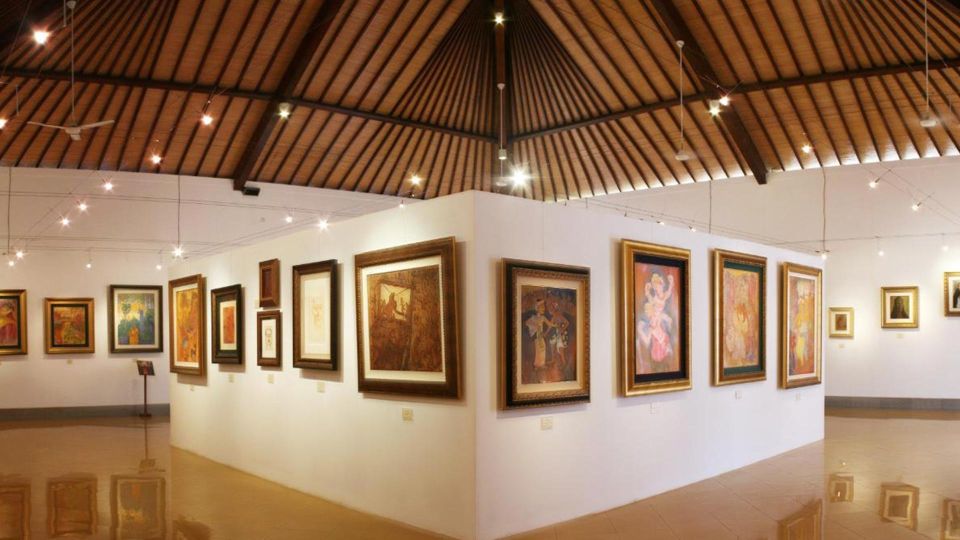
- 600+ artworks covering painting and sculpture from across the Asia-Pacific
- Audio guide in English/Indonesian to connect names and movements to what you see
- Indonesian masterworks including Raden Saleh, Affandi, and the Lempad circle
- Michoutouchkine and Pilioko Oceania collection with about 200 sculptures from 10 Pacific nations
- Legendary Western Artists exhibition featuring Paul Gauguin from his Tahiti period
Museum Pasifika in Nusa Dua: A great-value art day
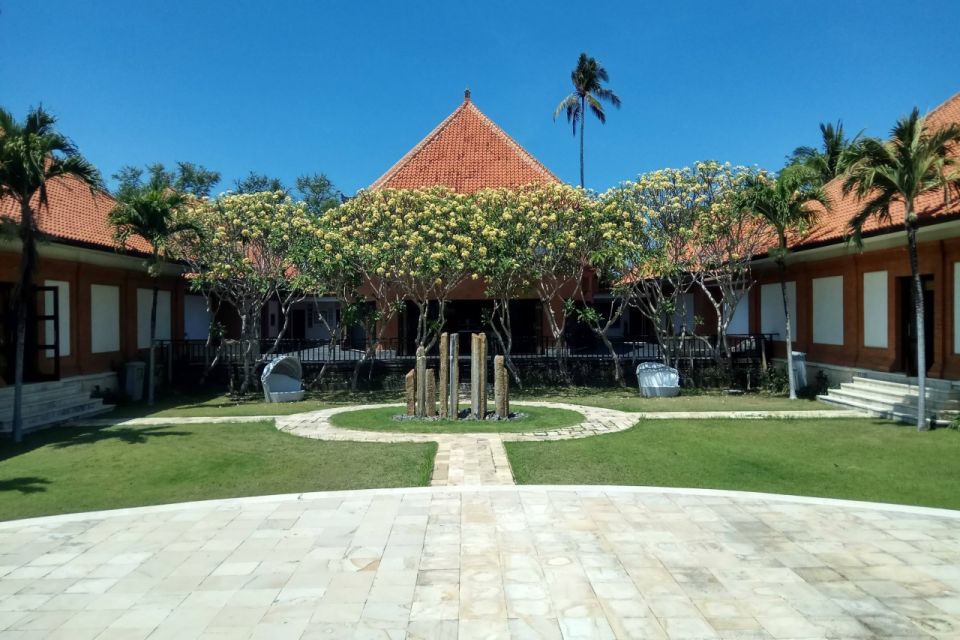
For about $7, Museum Pasifika is one of those “how is this this affordable” museum stops in Bali. You’re not paying for a quick look at a few rooms. You’re buying a full day pass to a collection that stretches across historic and contemporary art, with a scale large enough that you can set your own pace.
What makes the museum especially enjoyable is the mix. You’ll see major Indonesian and Southeast Asian art currents, then you’ll shift into Indo-European work tied to Indonesia and Bali, and later you’ll spend time with Pacific sculpture that feels like a different world. It’s a good way to spend a hot day without giving up the sense of discovery.
You can also read our reviews of more tours and experiences in Denpasar
Tickets and what to do first at the reception desk
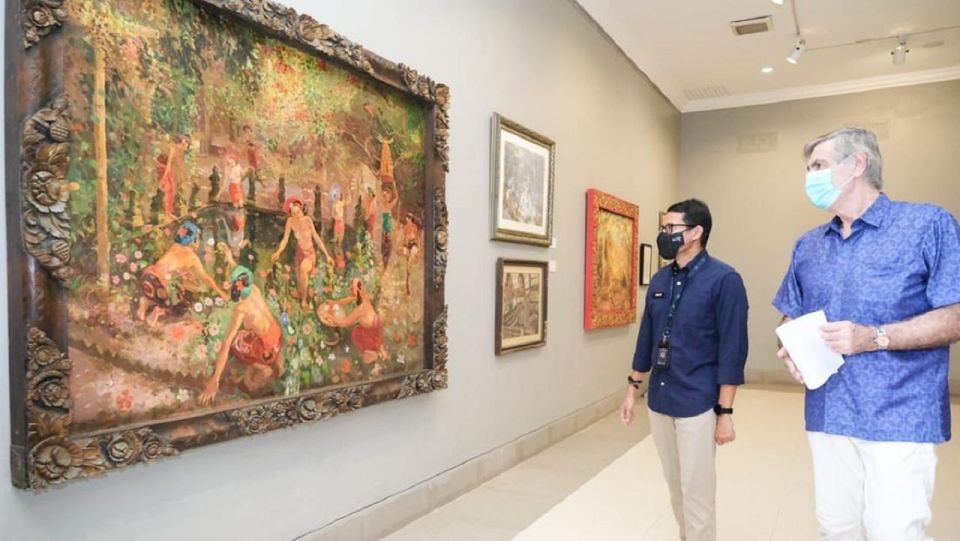
Your mission is simple: go to the reception area, show your ticket, and grab the audio guide setup for your visit. The ticket is valid for the visit date, so don’t plan this as a “swing by sometime” museum.
The audio guide is one of the best ways to make your money feel like it’s working. It’s available in English and Indonesian, and it helps you connect the why behind the what. In a museum with lots of names and styles, that matters. Without it, the works can still be impressive, but you’ll miss some of the stories tied to each room.
Once you’re inside, take a few minutes to settle your route. You can absolutely wander randomly, but a quick plan helps you avoid the classic museum problem: you start strong, then end up rushing the most interesting wing.
Indonesian masters: from national icons to contemporary voices
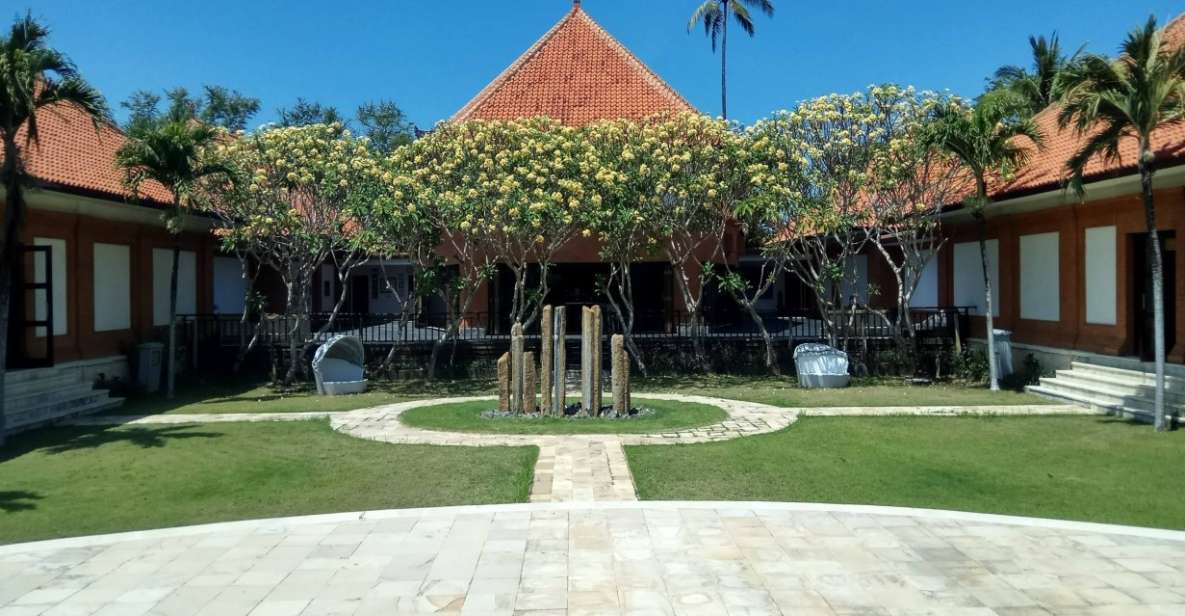
One of the museum’s strongest pulls is its Indonesian focus. Expect to spend real time in the rooms dedicated to Indonesian masters and artists, including names like Raden Saleh, Affandi, Lempad, Hendra, and Kobot. These aren’t just decorative art labels. The collection is structured so you can see Indonesian creativity as both rooted and evolving.
The Indonesian section also helps you understand the breadth of what the museum considers part of the story. It includes works representing heritage across more than 50 Indonesian artists, including both historic and contemporary expressions. That means you’re not only looking at one era or one “look.” You’re watching artistic styles develop across time.
If you like art that feels connected to place, you’ll likely enjoy the way the collection highlights Indonesian artistic identity while still placing it in a wider Asia-Pacific context. That’s the value here: you’re not just seeing art from Indonesia. You’re seeing it positioned among the influences and exchanges that reached Bali and beyond.
Indo-European rooms: seeing how artists responded to Indonesia and Bali
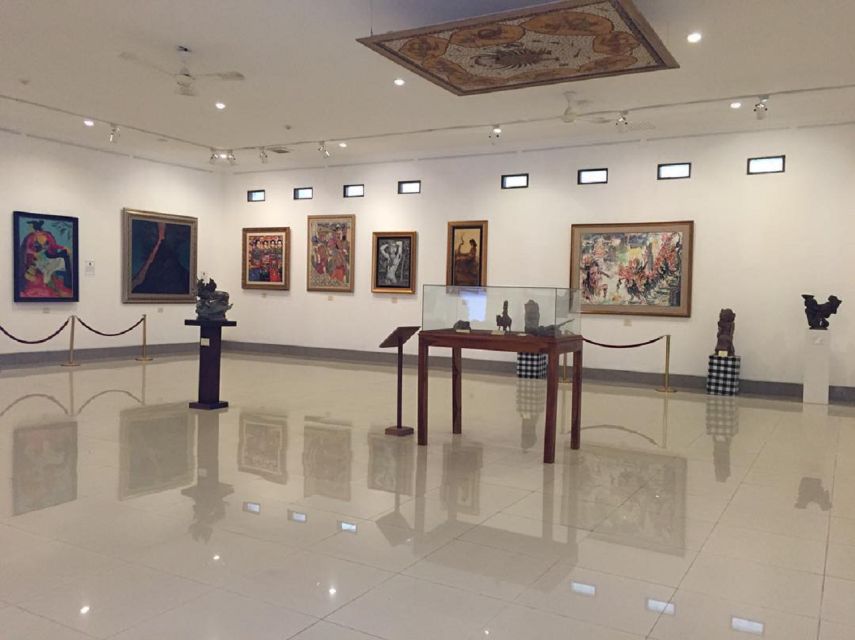
After the Indonesian focus, the museum shifts to Indo-European artists whose work drew inspiration from Asia, particularly Indonesia and Bali. This part can be a real eye-opener if you’ve never paid attention to how European artists approached the tropics, local culture, and regional scenes during different periods.
You’ll see rooms connected to artists associated with Walter Spies, Miguel Covarrubias, Jean Le Mayeur, and Charles Sayers. The point isn’t that you should memorize every name. The point is that the museum uses these figures to show how artistic exchange worked in practice: some artists were drawn by the atmosphere and people, and others were interested in the visual language that already existed in the region.
If you use the audio guide here, you’ll likely get more out of it than doing it “by vibes only.” The guide helps translate the relationship between subject matter and style, especially when different artists interpret similar themes with very different brushwork and composition choices.
Western masters, but tied to Asia: Gauguin and friends
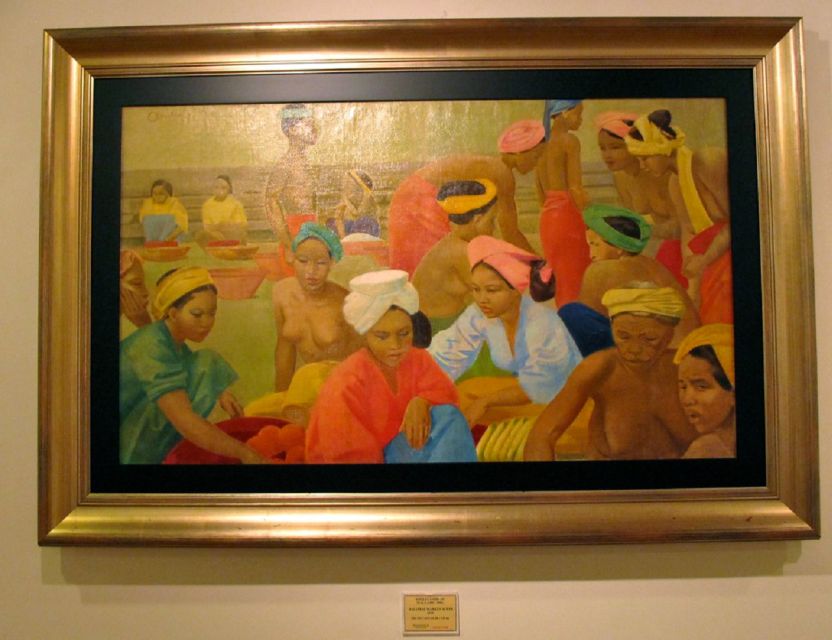
The museum doesn’t keep its Western art section separate in a way that feels detached. Instead, it frames some Western artists through the lens of time in Asia.
A highlight is the Legendary Western Artists exhibition. Here, you can admire Paul Gauguin pieces connected to his Tahiti period, including works like sculptures and woodcuts associated with that era. Gauguin is one of those names that can feel distant until you’re actually in front of the art. This is a solid chance to see why his approach mattered and how he translated what he encountered into a personal visual world.
You’ll also come across work associated with other major artists such as Henri Rousseau, Henri Matisse, Auguste Rodin, Marvina Hoffmann, and Bernard Buffet, with pieces noted as inspired by their time in Asia. Again, the goal isn’t to turn this into a checklist. It’s to watch how inspiration travels, then changes shape.
Practical tip: don’t rush this section. Western masterworks are often visually striking right away, but the audio guide adds meaning when you take a little extra time with the details.
Michoutouchkine and Pilioko: the Oceania sculpture collection you’ll remember
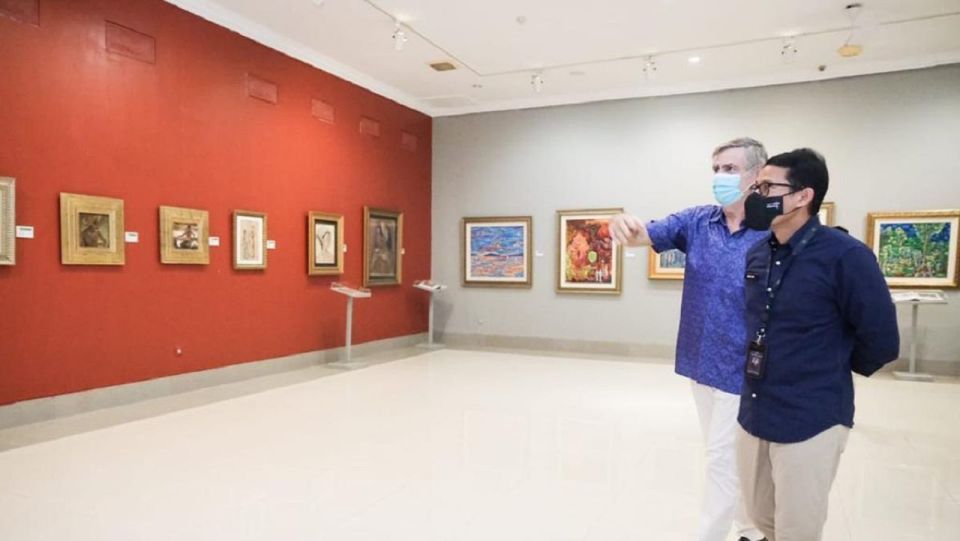
If the painting rooms feel like one kind of world, the museum’s Oceania collection feels like another. The Michoutouchkine and Pilioko collection is described as around 200 sculptures from 10 Pacific Ocean nations, collected over 50 years by the two artists.
This is the part that tends to stick in your head because sculpture is harder to fake with memory. Paintings can blur together later. Sculptures occupy space in a different way, and you naturally slow down to look at form, surface, and style decisions.
It’s also a collection with breadth. The Pacific Ocean nations angle matters because you’re not looking at one single tradition. You’re seeing how different cultures approached sculpture, storytelling, and materials across a wide region.
If you’re even slightly curious about Oceanic art, this wing is worth planning your day around. I’d put it in the middle or later half of your visit so you don’t burn out before you reach it.
The comfort reality: humidity, photos, and how to pace it
Bali can be warm and humid, and one reviewer note lines up with a practical planning takeaway: some rooms may not feel airtight, and climate comfort can vary. If doors are open or air-conditioning is limited, the museum can feel more humid than you’d expect.
So here’s how you make that work for you:
- Start early in your visit to get the best energy for slower looking.
- Take breaks between wings instead of pushing straight through.
- Use the onsite refreshment options, especially if you start feeling sticky or tired.
The museum includes practical comforts: cold towels and drinks like tea, coffee, or infused water. There’s also a café onsite, plus free Wi-Fi. That means you can refuel and regroup without leaving the property.
Photo rules are straightforward: no flash photography and no tripods. If you want photos, keep it casual and avoid anything that might look like filming gear. The no-flash rule is typical, but it’s extra important here because you’ll want to respect the artworks and how they’re displayed.
What a full day inside the museum feels like
A “1-day” ticket is exactly what you need here, because the museum’s collection isn’t built like one long corridor. It’s built like several different mini-experiences, each with its own art focus.
A good pacing strategy is to treat the museum like two halves. First, spend time with the painting-heavy parts: Indonesian masters and the Indo-European rooms. Then switch gears and focus on the sculpture-heavy parts: the Oceania collection and the Western works connected to Asia.
If you’re using the audio guide, don’t feel forced to listen word-for-word. Use it to answer your own questions in the moment: Who is this artist? Why does this style look different? What’s the connection to Asia or the Pacific?
Because the museum’s total count is listed as over 600 artworks by 200 top international artists, it’s easy to overestimate how much you can take in. You’ll get more from selecting a handful of works to really look at closely, then letting the rest be discovery rather than homework.
Who should book Museum Pasifika
This is an excellent choice if you want:
- A quiet, indoor art day in Nusa Dua instead of another outdoor activity
- Art variety in one visit: Indonesian, Indo-European, Western, and Pacific sculpture
- An audio guide experience that helps you connect names like Walter Spies, Jean Le Mayeur, and Paul Gauguin to what you’re seeing
It may be less ideal if you strongly need strong climate control all day. If you’re heat-sensitive, you’ll want to plan breaks and drink water, especially since conditions can feel humid in some areas.
The museum also works well for anyone who likes context. The guide isn’t just repeating labels. It’s there to help you follow the connections between artists, regions, and styles.
Should you book Museum Pasifika in Bali?
I’d book it if you’re looking for real art value without a long, complicated plan. At $7 per person with an audio guide, plus refreshments like cold towels and drinks, the price feels fair for a whole-day experience. The standout reasons to go are the Indonesian masterworks, the Indo-European rooms tied to Bali and Indonesia, and especially the Oceania sculpture collection by Michoutouchkine and Pilioko.
Don’t book it if you need a fully climate-controlled museum atmosphere and you only want extremely protected, pristine display conditions. If humidity comfort is a deal-breaker, plan your visit timing and pace carefully.
If you want one memorable “different from the beach” day in Bali, Museum Pasifika is a smart pick.
FAQ
How much is the Museum Pasifika admission ticket?
The ticket price is listed as $7 per person.
How long can I spend at the museum?
Your ticket is valid for 1 day, with the audio guide included as part of your visit.
Is there an audio guide, and what languages are available?
Yes. The audio guide is included, and it’s available in English and Indonesian.
Where do I go when I arrive?
Show your ticket at the reception area for Museum Pasifika Bali.
Are flash photos or tripods allowed?
No. Flash photography and tripods are not allowed.
Is the museum wheelchair accessible?
Yes. The museum is wheelchair accessible, and galleries and facilities are stated as accessible for wheelchair and motorized wheelchair users.