REVIEW · NUSA PENIDA
Reef Rehabilitation Course and Snorkeling
Book on Viator →Operated by Ecotourism Nusa Penida · Bookable on Viator
You can plant corals, not just watch. This Reef Rehabilitation Course and Snorkeling experience in Nusa Penida pairs coral education with real hands-on restoration and guided snorkeling.
I especially like the straightforward structure: coral nursery time, then learning how to secure fragments, then planting 70 corals (about 4 m²) per person. I also like the small-group feel (max 10), plus the practical extras like lunch at Coral Cafe and a knot-tying lesson you actually use underwater.
One consideration: the activity expects you to swim comfortably and have moderate physical fitness. If you’re a shaky swimmer or hate gear-based water activities, this may feel like more work than fun.
In This Review
- Key highlights you’ll care about
- Why Reef ReHab Feels Practical (and Different)
- The 6-Hour Flow: From Coral Nursery to Planting 70 Corals
- Your day starts at Ecotourism Nusa Penida
- Coral Conservation Presentation: The Part That Makes Planting Make Sense
- Coral Nursery Time: Seeing How the Corals Are Cultivated
- Snorkeling Sessions and the Reef Nursery Connection
- Lunch at Coral Cafe: Fuel Without Breaking the Day
- Underwater Knot-Tying: A Skill You’ll Remember
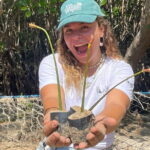
- Planting 70 Corals (4 m²) Per Person: Your Hands-On Impact
- What’s Included (and What You’ll Need to Budget Separately)
- Saturdays: School Visits, English Teaching, and Beach Cleanups
- Group Size, Fitness, and Who This Works Best For
- Price and Value: Is $62.61 a Good Deal?
- Should You Book Reef ReHab?
- FAQ
- How long is the Reef Rehabilitation Course and Snorkeling?
- How much does it cost?
- What’s included in the tour price?
- Do I plant corals during the experience?
- How many snorkeling sessions are included?
- What are the swimming and fitness requirements?
- How big is the group?
- What changes on Saturdays?
- Where does the tour start and end?
- Is free cancellation available?
Key highlights you’ll care about
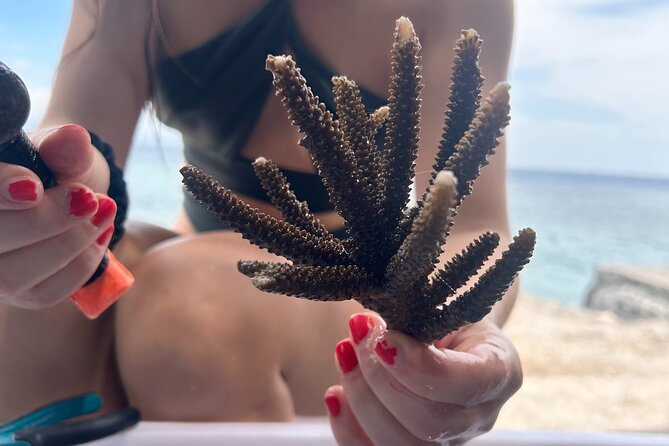
- Plant 70 corals by hand (4 m²) per person
- Snorkeling with included equipment and guided sessions (3 total)
- Coral nursery training before you plant
- Underwater knot-tying and rope prep using coral fragments
- Lunch included at Coral Cafe, plus a gift for local kids and school
- Small group size: up to 10 travelers
Why Reef ReHab Feels Practical (and Different)
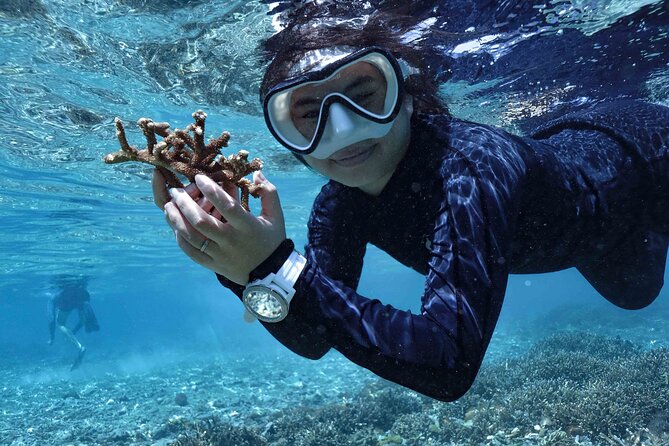
Most “coral” experiences stop at photos. This one starts with education and then gives you a role in the actual restoration steps, from handling fragments to anchoring them on the seabed.
What I like most is that it’s not framed as a feel-good side quest. You’re learning coral biology and ocean conditions, then turning that knowledge into action during the planting stage.
You also get local context. The program is built around a community-led effort in Nusa Penida, and the guides (including Nyoman and Festi, as named in one review) focus on how currents and coastlines affect the work.
You can also read our reviews of more snorkeling tours in Nusa Penida
- ️Nusa Penida by Private Boat – Snorkeling 4 spots, Swim with Mantas + Land Tour
★ 5.0 · 6,424 reviews

The 6-Hour Flow: From Coral Nursery to Planting 70 Corals
This is a roughly 6-hour experience, and it stays focused instead of turning into a full-day tour marathon. You’ll move through clear stages: reef learning, nursery viewing, fragment harvesting, lunch, knot-tying, rope prep, and then the planting itself.
Expect the day to feel “hands-on” more than “sightseeing.” Even the breaks, like lunch, are timed around the conservation workflow so you can stay energized for the water parts.
Your day starts at Ecotourism Nusa Penida
The meeting point is Ecotourism Nusa Penida Buyuk, Jalan, Ped, Nusa Penida, Klungkung Regency, Bali 80771, Indonesia. The activity ends back at the meeting point.
That round-trip convenience matters in Bali, where hopping between areas can turn into time loss fast.
Coral Conservation Presentation: The Part That Makes Planting Make Sense
Before you snorkel and plant, you get a coral presentation focused on how the reef works. The emphasis is on coral biology, ocean conditions, and what damaged ecosystems need to recover.
This is where the tour earns its value. If you know what you’re looking for—growth patterns, stress factors, and why certain conditions matter—then the nursery and seabed planting stop being random tasks. You’re doing the work with context.
You’ll also learn how coral restoration happens in practice, not just in theory. That includes why fragment handling and proper attachment techniques matter for survival.
Coral Nursery Time: Seeing How the Corals Are Cultivated
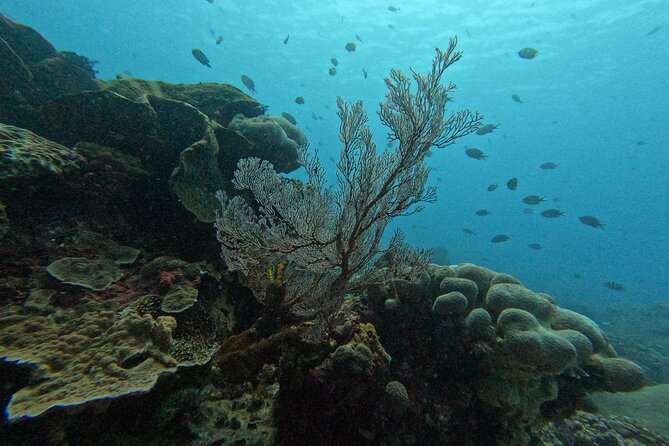
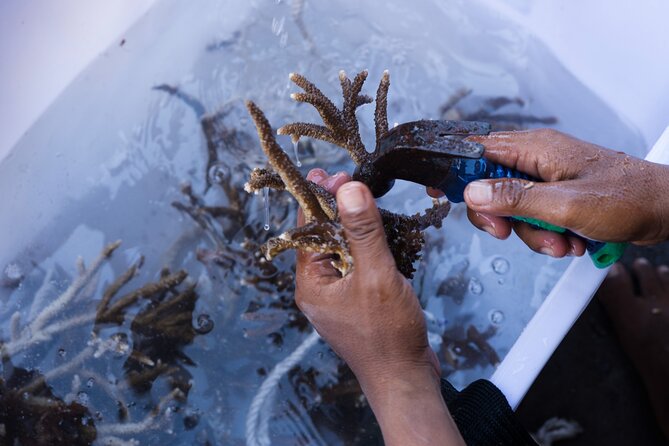
Next you’ll see how they cultivate corals in their nursery. This is one of the most important stops because it shows you the “why” behind the process.
You’re not just handed coral fragments. You’re guided through how the fragments are prepared for planting and what makes a nursery setup different from a natural reef.
In one standout review, the person specifically called out the coral garden and learning how to work the coral, tie it to ropes, and secure it on the seabed. That matches the structure: nursery first, then hands-on restoration.
Snorkeling Sessions and the Reef Nursery Connection
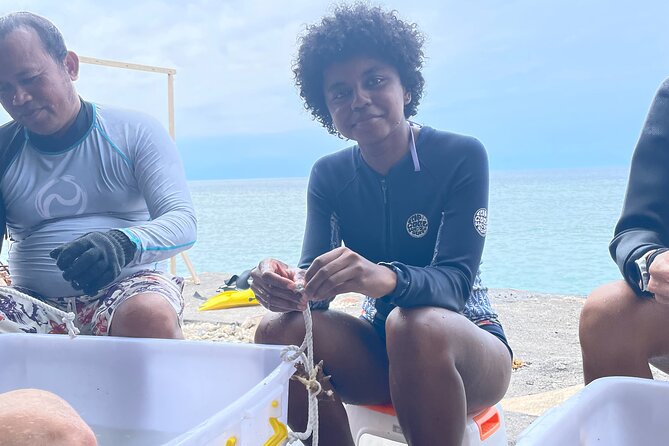
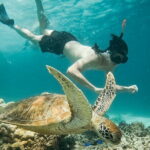
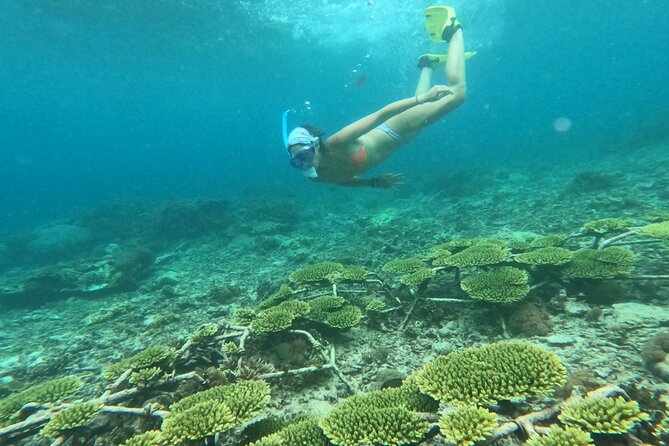
You’ll do guided snorkeling experiences—3 guided snorkeling sessions are part of the plan. Snorkeling equipment is included, so you’re not stuck on the day trying to figure out gear rentals.
This sequence matters. You get multiple chances to see the nursery context and how the planting approach translates underwater. You’re also able to practice your movements and comfort level before the main planting task.
One note for comfort: the tour expects you to be able to swim comfortably. You’ll feel much better if you can stay relaxed in the water, especially during setup steps like knot-tying and rope preparation.
Lunch at Coral Cafe: Fuel Without Breaking the Day
You get a lunch break at Coral Cafe. It’s included in the price, which helps keep the day’s budget predictable.
For a conservation activity, this kind of planned food stop is more than a convenience. It helps you stay steady for the later physical tasks, like handling rope, working with fragments, and doing the actual planting.
Underwater Knot-Tying: A Skill You’ll Remember
Then comes a truly specific part of the day: tight knots underwater.
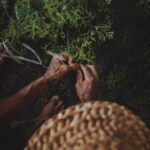
You’re taught knot-tying and learn how to prepare the ropes with the collected coral fragments. This step is where “reef rehab” becomes real craft, not abstract volunteering.
If you’re the type who likes learning hands-on techniques, you’ll probably enjoy this section the most. It’s also a good reminder that restoration is detail work. Small differences in how things are secured can change outcomes.
In the praised review, the learner highlighted exactly this chain of skills: tie coral to ropes, then attach it on the seabed. That’s the core experience here.
Planting 70 Corals (4 m²) Per Person: Your Hands-On Impact
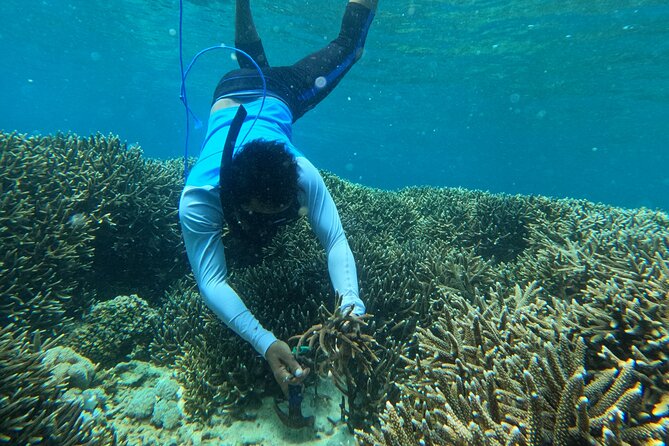
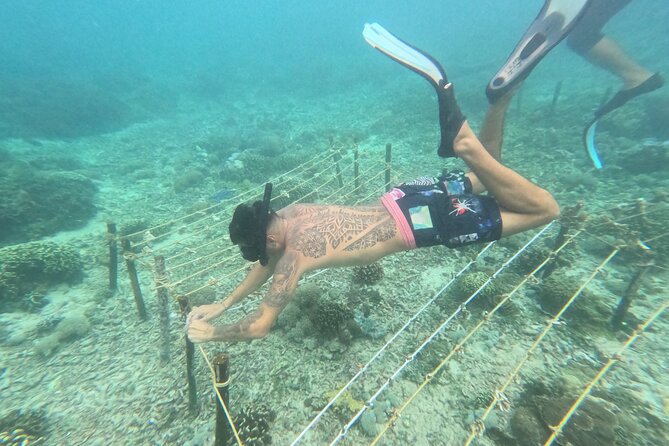
Now for the headline task: you plant 70 corals, restoring about 4 square meters of reef per person.
This isn’t framed as “sponsor a coral.” It’s participation in the physical planting process, including rope prep and placement. That’s why the experience feels more meaningful than typical adoption-style options.
Also, the planting number helps you understand scale. If you’re curious whether your time matters, this gives you a measurable outcome. It’s not just a donation wrapped in an activity.
The program’s pitch is that similar coral restoration involvement would cost hundreds through typical NGOs. Even if you treat that claim as marketing language, the included elements—lunch, equipment, restoration materials, and the guided learning to complete the task—make the price easier to justify.
What’s Included (and What You’ll Need to Budget Separately)
The price includes:
- Lunch
- Snorkeling equipment
- Materials for coral restoration
- A gift to local kids and the school
Personal expenses are not included, so you’ll want to plan for any extras you might buy on your own.
I like that the core conservation work isn’t treated as a “pay more for better gear” scenario. The snorkeling gear and coral restoration materials are part of the structure, which keeps the experience from feeling like a menu of upgrades.
Saturdays: School Visits, English Teaching, and Beach Cleanups
On Saturdays, the day shifts in a social and community-focused direction.
You’ll visit the local school, teach English, and join conservation activities with children—like beach cleanups. This adds another layer to the reef mission: caring for the ocean isn’t only underwater. It starts with habits and cleanup on land.
If you enjoy meeting locals and doing something a bit different from the standard conservation workflow, Saturday is the day to look for.
Group Size, Fitness, and Who This Works Best For
This is capped at 10 travelers, which is a big deal for activities that involve water work and hands-on coordination. Smaller groups tend to mean more attention during instruction—especially for knot-tying and rope setup.
You should have moderate physical fitness, and you should be able to swim comfortably. That doesn’t mean you need to be a pro athlete, but it does mean you should feel confident moving in open water conditions while wearing snorkeling gear.
You’ll likely enjoy Reef ReHab if:
- You want a conservation experience with a real task, not just snorkeling
- You like learning specific skills (coral handling and underwater knots)
- You want local, community-led work in Nusa Penida
Price and Value: Is $62.61 a Good Deal?
At $62.61 per person, this looks like a bargain compared with typical “pay to watch” snorkeling tours. But the better way to judge value is what you receive for that money.
You’re getting:
- Coral education and guided interpretation
- Nursery time and hands-on planting
- Snorkeling equipment
- Lunch and the restoration materials
- A school/kids gift
You’re also getting a measurable action: 70 coral plantings per person. That kind of output is the core reason the price can work.
One extra practical point: the experience is often booked about 38 days in advance on average. If you have a tight trip window, I’d treat this as something to plan early so you don’t end up choosing a less hands-on option.
Should You Book Reef ReHab?
Yes—if you want your snorkeling day to mean something tangible. The strongest reason to book is the combo of instruction plus real planting: nursery education, underwater knot-tying practice, and then the chance to plant 70 corals yourself.
I’d hesitate only if you’re uncomfortable swimming or you’d rather snorkel with zero “work” involved. The course has a clear purpose and expects you to participate, not just float and observe.
If you do book, aim to arrive ready to learn and repeat instructions until you feel confident. The guides (including Nyoman and Festi) focus on getting the technique right, and that’s what turns your effort into actual reef restoration.
FAQ
How long is the Reef Rehabilitation Course and Snorkeling?
It runs for about 6 hours.
How much does it cost?
The price is $62.61 per person.
What’s included in the tour price?
Lunch, snorkeling equipment, materials for coral restoration, and a gift to local kids and the school are included.
Do I plant corals during the experience?
Yes. You plant 70 corals per person, restoring about 4 square meters of reef.
How many snorkeling sessions are included?
The program includes 3 guided snorkeling experiences.
What are the swimming and fitness requirements?
You should have moderate physical fitness and be able to swim comfortably.
How big is the group?
Maximum group size is 10 travelers.
What changes on Saturdays?
On Saturdays, the group visits a local school, teaches English, and does conservation activities like beach cleanups with children.
Where does the tour start and end?
It starts at Ecotourism Nusa Penida Buyuk in Nusa Penida and ends back at the same meeting point.
Is free cancellation available?
Yes. You can cancel up to 24 hours in advance for a full refund.
You Might Also Enjoy

More Snorkeling Tours in Nusa Penida
- ️Nusa Penida by Private Boat – Snorkeling 4 spots, Swim with Mantas + Land Tour
★ 5.0 · 6,424 reviews
More Tour Reviews in Nusa Penida
- ️Nusa Penida by Private Boat – Snorkeling 4 spots, Swim with Mantas + Land Tour
★ 5.0 · 6,424 reviews