Holy water, waterfalls, and rice terraces in one day. This private Ubud tour pairs the Tirta Empul Temple ritual with classic Balinese scenery and craft villages, all explained by an English-speaking driver-guide. You get time to explore on your own at each stop, instead of rushing through everything like a checklist.
What I like most is the private driver-guide setup. Your guide narrates what you’re seeing and still gives you room to wander at your own pace, which matters a lot when you’re mixing temples, viewpoints, and busy attractions. I also like the practical comfort: air-conditioned car, bottled water, and free Wi‑Fi help the day feel easier from start to finish.
One thing to consider: a few stops revolve around crafts and coffee, so you should expect some sales energy. One person mentioned feeling pressured in shops, so if you hate that style, set your boundaries early and keep moving.
In This Review
- Key highlights you’ll actually care about
- Tirta Empul holy water and the rhythm of the ritual
- Gung Aji in Batuan: a short stop with the right payoff
- Tegalalang Rice Terrace and Tegenungan Waterfall: two kinds of wow
- Mas wood carving and Teba Sari coffee: where the culture meets commerce
- How the 8-hour private schedule actually plays out
- Price and the entrance-ticket upgrade: what value looks like
- What to pack and how to handle the holy water sarong moment
- Should you book this Ubud Tour with Tirta Empul?
- FAQ
- How long is the Tirta Empul Ubud tour?
- Does the tour include hotel pickup?
- What stops are included on the itinerary?
- Are entrance tickets included?
- Is lunch included?
- What’s included in the price besides transportation?
- Is this a private tour?
Key highlights you’ll actually care about
- Tirta Empul holy water temple with a chance to participate in the ritual (or watch)
- Private, flexible pacing across 8 hours, with time to explore independently
- Tegalalang Rice Terrace + Tegenungan Waterfall for two very different Bali views
- Craft village stops such as Bali Traditional House Gung Aji and Mas wood carving
- Teba Sari Bali Agrotourism for a coffee plantation visit
- Private hotel pickup and drop-off from Ubud and much of south Bali
Tirta Empul holy water and the rhythm of the ritual
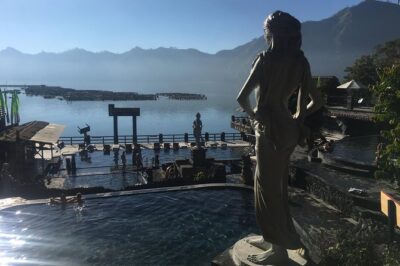
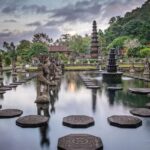
Tirta Empul is the main reason most people sign up, and it’s easy to see why. It’s a beautiful temple in Gianyar known for the holy water bathing rituals, and it’s open to the public. This stop lasts about an hour, which is long enough to understand what you’re looking at and still feel like you’re there for a real experience, not a quick photo.
The big practical point is participation is optional. If you want to take part in the holy water ritual, you’ll likely need a sarong, and that cost is your choice. One guest noted they were informed before entering, and that the sarong payment was presented as necessary only if they planned to join. That’s the most sensible way to do it: you can watch quietly if you’d rather not participate.
What I’d do: go in with respectful curiosity, ask your guide what to expect before you start, and let them show you where the ritual areas are. A guide can also help you understand why this place feels more than just scenic. Even if you only watch, you’ll notice how the temple organizes movement and attention, and it changes your whole mindset from tourist mode to observer mode.
You can also read our reviews of more tours and experiences in Seminyak.


Gung Aji in Batuan: a short stop with the right payoff
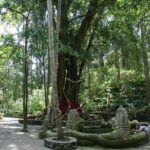
After Tirta Empul, you’ll head to Bali Traditional House Gung Aji in Batuan, Gianyar. This isn’t the kind of stop where you’re hunting for a ticket booth and a souvenir rack. The focus here is the traditional house setting and the viewpoints it offers, so you can actually see how Balinese homes and daily life relate to the landscape.
You get about an hour, including admission, and that time matters. If you only have five minutes at a viewpoint, you miss the details. With a full hour, you can settle in, take a few photos without rushing, and ask questions that don’t fit into a photo caption.
Potential drawback: traditional house stops can feel passive if you’re expecting hands-on experiences. If you’re the type who likes stories behind architecture and family life, you’ll appreciate this. If not, just use the time to slow down, look around, and enjoy the atmosphere.
Tegalalang Rice Terrace and Tegenungan Waterfall: two kinds of wow
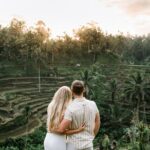
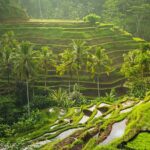
This is where the day turns scenic in a hurry. You’ll visit Tegalalang Rice Terrace first, about one hour with admission-free entry. It’s one of Bali’s most famous views, and your eyes immediately understand why people keep coming back: layered greenery, small paths, and the feeling that you’re inside the island’s farming pattern. The trick is to enjoy it without letting it become only a photo stop. Walk a bit, look for angles where the terraces stack clearly, and pause long enough to see how the light changes.
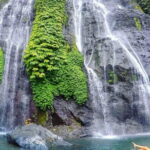
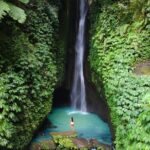
Then comes Tegenungan Waterfall, also about an hour and admission-free. This is a different experience from the rice terraces. Instead of careful, patterned agriculture, you get raw nature energy—water, sound, and a lot more foot traffic. The upside is the contrast: you’ll get both slow farming beauty and more dramatic waterfall scenery in the same day.
What to watch for: these are popular areas, so expect crowds and busy viewing points. Your private guide helps here by timing and pacing—choosing when to step back from the busiest spots and when to take in the view.
Mas wood carving and Teba Sari coffee: where the culture meets commerce
The tour includes two very Balinese taste-and-craft stops: Dewa Malen Wood Carving in Mas village and Teba Sari Bali Agrotourism (coffee plantation).
At Dewa Malen Wood Carving, you’ll spend about an hour and admission is included. Mas is known for wood arts, and this stop gives you a chance to see how craft is made, not just displayed. It’s also a place where you might see demonstrations or browse finished works. If you like practical souvenirs—carvings with real skill behind them—this is a solid match.
Then you’ll shift to coffee at Teba Sari. This stop is also about an hour and admission is free. Bali is famous for coffee experiences, and this one is centered on a plantation-agrotourism setting. Even if you don’t buy anything, you’ll learn what goes into the coffee story and likely taste something if that’s offered during your visit.
One consideration based on a common travel frustration: craft and coffee stops can become sales-heavy. That doesn’t mean the art isn’t real. It just means you need to stay in control of your time and spending. A simple approach works: browse first, decide later, and tell yourself you’re here to understand the craft, not to be persuaded.
How the 8-hour private schedule actually plays out
This tour runs about 8 hours, and it’s built around the idea of a private driver-guide. That matters because Bali distances add up fast. A shared tour can feel like a bus ride with occasional stops. A private setup feels more like your day has a driver and a narrator, not a rigid timetable controlled by strangers.
Your guide’s job is twofold:
- narrate the significance of each stop, especially the temple
- give you enough time to explore independently
That means you can linger when something catches your eye, and you can skip the bits you don’t care about. Guests mentioned guides being flexible with pacing, which is exactly what you want on a day like this: temples, terraces, waterfalls, and villages all have different “pace needs.”
You’ll also get private comfortable air-conditioned transport, bottled mineral water, and free Wi‑Fi. That may sound small, but on a hot day across multiple stops, it keeps you from feeling wrecked halfway through.
Tip for a smooth day: start with water planning in mind, and keep your phone charged for rice terrace photos and waterfall videos. You’ll move often, and you’ll want your battery to survive the whole loop.

Price and the entrance-ticket upgrade: what value looks like
At $23.00 per person for a full-day private tour, the value is mostly about logistics. You’re paying for:
- private air-conditioned transport
- an English-speaking guide-driver
- water and Wi‑Fi
- entry coverage depending on the option you choose
Entrance tickets are listed as optional, but the tour is also described as having an upgrade to include entrance fees for ease. In practice, that’s the difference between handling small transactions yourself versus letting the tour include admissions more smoothly. Some stops are already marked as having admission involved (like Tirta Empul and the traditional house and wood carving stops), while others are marked as free (like Tegalalang rice terrace and Tegenungan waterfall).
If you hate managing tickets during a busy day, go for the upgrade. It reduces friction. If you’re the type who likes control and budgeting, you can skip it—just be ready that you might pay entrance-related costs at specific stops.
Also note: lunch is not included. That’s normal for Bali day trips, but it’s worth planning for. Bring snacks if you tend to get hungry quickly, or decide where you’ll eat before you start the day.
What to pack and how to handle the holy water sarong moment
This is a temple-focused day, so dress and behavior matter. I’d bring clothes you can manage comfortably for walking and for changing how “serious” you feel at the temple. You’re not just seeing views; you’re entering a place where people come to participate in rituals.
The most concrete tip from the experience data is the sarong payment tied to the Tirta Empul ritual. If you plan to join the holy water ceremony, expect you may need one and that it’s part of the participation cost. If you don’t want to participate, you can still visit and watch respectfully.
Other practical items:
- comfortable shoes for uneven ground at rice terraces and around waterfall areas
- a light layer if you get chilly in the car after being in the sun
- cash for small purchases, because craft stops often involve buying decisions on the spot
- your phone charger cable, because you’ll want to capture both terraces and the waterfall
And yes, bring a flexible mindset. On this kind of day, the best memories often come from the moments between the big attractions: a guide explaining why a ritual matters, or the quiet before the next crowd line forms at a viewpoint.
Should you book this Ubud Tour with Tirta Empul?
I’d book this tour if you want a one-day “greatest hits” of Ubud and central Bali culture without doing mental math on distances. The itinerary hits the major appeal points: Tirta Empul for spirituality, rice terraces for iconic scenery, Tegenungan for dramatic nature, and craft/coffee stops for a taste of daily island life.
I’d skip it if you strongly dislike sales pressure at craft shops and coffee stops. There’s nothing wrong with those stops, but the style can be pushy for some people. If that’s your sensitivity, you can still do the temples and scenery part well—just go in deciding you’re not obligated to buy anything.
One more deciding factor: guides. Multiple named guides from this operator’s lineup were praised for being punctual and for explaining cultural meaning and proper ritual behavior, including helping guests with how to participate at Tirta Empul. In other words, you’re not just buying a ride—you’re buying interpretation, and that’s where this day earns its value.
FAQ
How long is the Tirta Empul Ubud tour?
The tour is about 8 hours.
Does the tour include hotel pickup?
Yes. Pickup is offered, including transfers from hotels in Ubud and much of south Bali.
What stops are included on the itinerary?
You’ll visit Tirta Empul Temple, Bali Traditional House Gung Aji, Tegalalang Rice Terrace, Tegenungan Waterfall, Dewa Malen Wood Carving (Mas), and Teba Sari Bali Agrotourism.
Are entrance tickets included?
Entrance tickets are optional, and there is an upgrade option that makes it easier by including entrance fees.
Is lunch included?
No, lunch is not included.
What’s included in the price besides transportation?
Included items are an English-speaking driver-guide, air-conditioned private car, bottled mineral water, free Wi‑Fi, and insurance.
Is this a private tour?
Yes. It’s a private tour/activity, and only your group will participate.