REVIEW · SEMINYAK
Ubud Wonderful Day Tour
Book on Viator →Operated by Ubud baliday tour · Bookable on Viator
Ubud hits different in a single day. What I like most is the stress-free round-trip transfer from your Bali hotel and the fact you can see several headline sights—Monkey Forest, Goa Gajah, Tegalalang, and Tegenungan—without building your own route. The day is also guided with English support, and you’ll get sarong help for temple stops. One catch: lunch and personal spending aren’t included, and one of the stops doesn’t have an included admission ticket.
Bali Hindu culture is woven into every part of this route, from sacred sites to everyday rituals around the village areas. I also like the pacing: you get focused time at each place (about an hour at most stops, longer at the waterfall), so you’re not stuck in a slow, draggy schedule.
This is best for anyone who wants Ubud’s big sights in one go, especially if you’re short on time and don’t want to coordinate rides. Just keep in mind the tour needs good weather, because the day is timed around outdoor views like rice terraces and waterfalls.
In This Review
- Key Things to Know Before You Go
- Ubud in One Day: How the 6–8 Hour Plan Works
- Sacred Monkey Forest Sanctuary: Seeing the Sacred Side of Bali
- Mas Carving Center: Watching Traditional Wood Art at Work
- Goa Gajah (Elephant Cave): A 9th-Century Temple Carved Into Stone
- Tegalalang Rice Terrace: Irrigation, Farming, and a View You Can Explain
- Tegenungan Waterfall: A Popular Scene With a Real Time Buffer
- Price and Value From Seminyak Hotel Pickup
- Packing List and On-the-Ground Tips for a Smooth Day
- Who Should Book This Ubud Wonderful Day Tour
- Should You Book? My Decision Checklist
- FAQ
- FAQ
- How long is the Ubud Wonderful Day Tour?
- Is hotel pickup and drop-off included?
- What’s included in the $40 price?
- Are entrance tickets included for every stop?
- Is lunch included?
- What happens if the weather is poor?
- Do I get a mobile ticket, and can I cancel?
Key Things to Know Before You Go
- Hotel pickup and drop-off: round-trip transfers from your Bali hotel to keep the day simple
- Entrance tickets mostly handled: several major stops include admission, so you’re not hunting for lines
- Sarong provided for temples: helpful for Goa Gajah and other temple-related moments
- A 9th-century temple stop: Goa Gajah is described as built in the 9th century with carved rock-wall architecture
- Tegalalang irrigation story: you’ll learn how farmers work with rice and the irrigation system
- Tegenungan for a longer stretch: about two hours gives you breathing room at the waterfall
Ubud in One Day: How the 6–8 Hour Plan Works
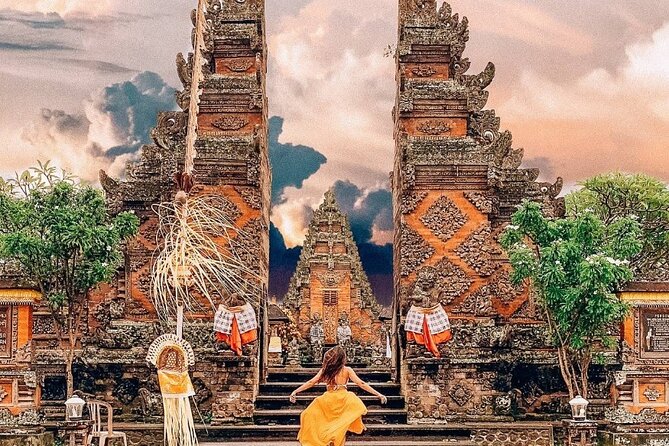
If you’re staying in Seminyak, this style of tour is a lifesaver. You get picked up from your Bali hotel, ride in a private car, and then get dropped back off the same way. That matters because Ubud traffic and getting around can eat hours fast, especially when you’re bouncing between temples, forests, and viewpoints.
The day is designed like a greatest-hits playlist. You’ll move from one anchor attraction to the next, with a short, intentional time window at each stop:
- roughly an hour at Monkey Forest, Mas Carving Center, Goa Gajah, and Tegalalang
- about two hours at Tegenungan Waterfall
That structure is great if you want variety more than sitting still. It’s also a good fit for solo travelers and couples, because your guide keeps you moving and you don’t have to figure out the order yourself.
One more practical detail: you’re not just in a bus with strangers. The tour is described as private for your group, and it also offers group discounts. Translation: you get your own crew in the car while still benefiting from the company’s pricing.
You can also read our reviews of more tours and experiences in Seminyak.


Sacred Monkey Forest Sanctuary: Seeing the Sacred Side of Bali
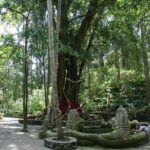
The day starts at the Sacred Monkey Forest Sanctuary in the heart of Ubud. It’s a full 1-hour stop with admission included, and it’s all about observing how the monkeys behave around visitors. This isn’t a hands-on animal park pitch; it’s more about watching the relationship between a sacred natural space and the people who come to see it.
Here’s how to enjoy it without turning it into a stressful routine:
- Keep small items secure. Monkeys are curious and will investigate what looks easy to grab.
- Don’t act like a snack vendor. If you’re carrying food, keep it closed up.
- Wear shoes you’re comfortable walking in. The ground can be uneven.
The best part of this stop is that it sets the tone for Ubud. You’re not just seeing a building or a viewpoint. You’re getting a taste of how nature and daily life overlap here, and why sacred spaces matter in Balinese culture.
Possible consideration: because it’s a monkey sanctuary, you’re going to be around active animals. If you hate surprises or you’re traveling with a strong fear of animals, you may feel more tense than you want to during this portion.
Mas Carving Center: Watching Traditional Wood Art at Work
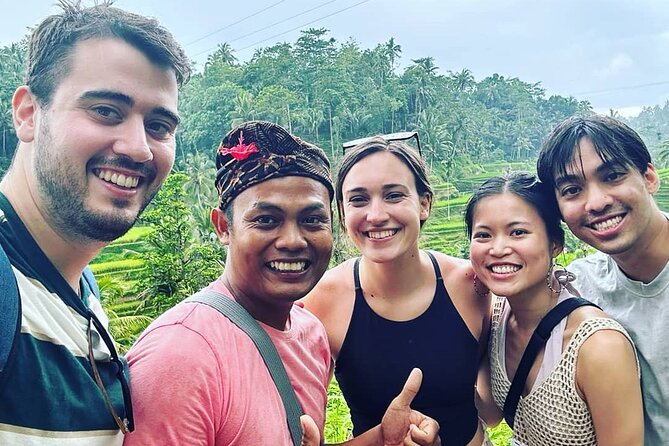
After the forest, you head to the Mas Carving Center. You’ll spend about an hour, and this is one of the few places where admission is not listed as included. That means you may want to bring a bit of extra cash (or be ready to pay on site) if you decide to enter specific workshops or viewing areas tied to the carving process.
What makes this stop worthwhile is the focus on process. You’re going to a wood carver house to see how art is made by manual methods. That’s the real value here: you get to see skill in action rather than just shopping for souvenirs.
If you like buying thoughtful gifts, this is where you can slow down. Carved items tend to be the kind of thing you’ll enjoy later, not just today. The practical move: think about scale (small carvings travel better) and set a budget before you fall in love with everything in the workshop.
Goa Gajah (Elephant Cave): A 9th-Century Temple Carved Into Stone
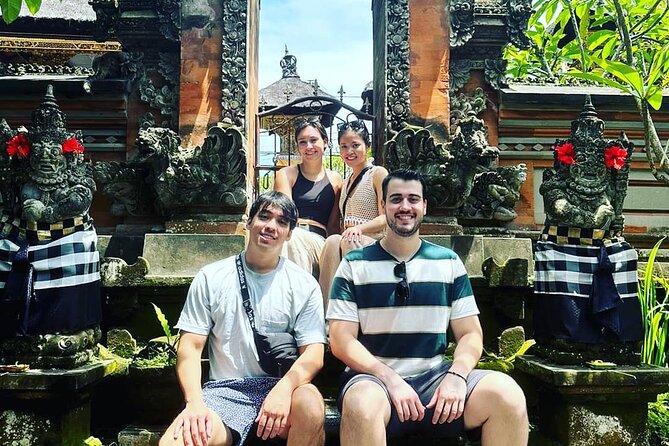
Next comes Goa Gajah, often called the Elephant Cave area. It’s a Hindu temple site described as built in the 9th century, with original architecture carved on rock walls. You’ll have about an hour here, and admission is included.
This stop hits a different kind of “wow.” Instead of a modern viewpoint or an outdoor park vibe, you’re looking at stonework meant to last. The carved rock architecture is the headline, and it’s especially meaningful because a temple like this isn’t just a photo stop—it’s part of a living cultural landscape where spiritual spaces still matter.
You’ll also get a sarong provided for temple visits. For you, that means one less thing to pack and one less thing to scramble for at the entrance.
How to make the most of the hour:
- Move slowly through the main areas so you can actually see the carvings.
- Look for details along the rock surfaces rather than only aiming for the broad shot.
- Follow your guide’s cues on where to stand and how to behave.
A fair warning, only because it affects comfort: cave-style or rock-temple spaces can mean steps and slick footing in places, depending on conditions. Wear sensible shoes and you’ll be happier.
Tegalalang Rice Terrace: Irrigation, Farming, and a View You Can Explain
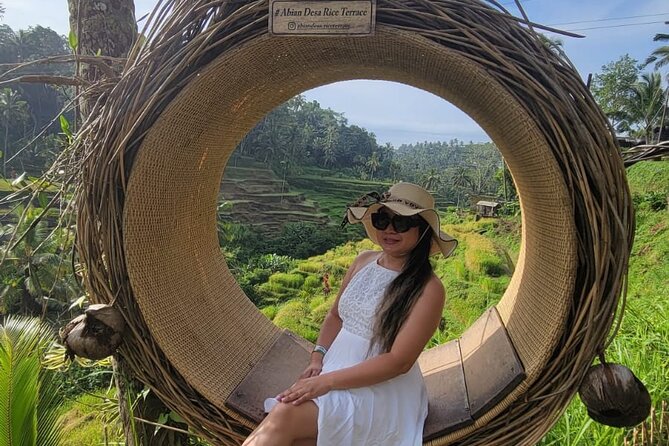
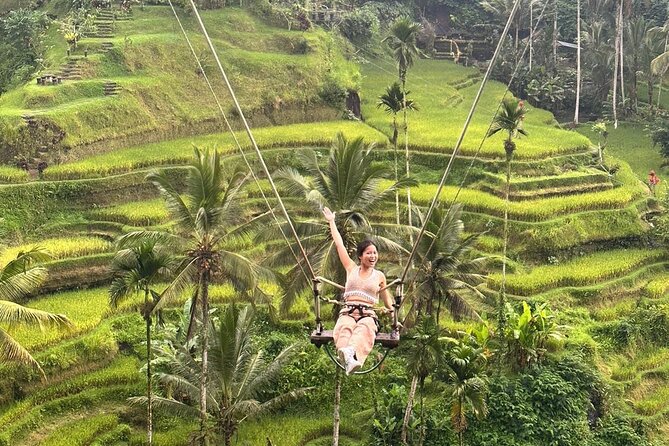
The day continues to Tegalalang Rice Terrace for a scenic, educational stop. You’ll have about an hour, admission included. This is the portion where you can both take photos and learn something useful: you’ll get time to enjoy the rice terraces view, and you’ll also learn about how farmers work with rice and the irrigation system.
That irrigation detail is the difference between a pretty photo and an actually interesting experience. Water management is the engine behind terrace farming, and understanding that gives you a better appreciation for what you’re seeing.
A few tips for making this hour feel productive:
- Plan on looking at both the terraces and the systems that guide water. It’s not just steps of green; it’s work.
- If you’re visiting mainly for photos, aim to pick one or two focal angles rather than trying to catch every possible view.
- Bring patience if you hit busy moments. Tegalalang is popular, and the best shots often mean waiting a minute or shifting position.
Even if you’re not a “rice terrace person,” this stop is still a solid cultural angle. It connects Bali’s food system to its landscape, and it helps the rest of your day make more sense.


Tegenungan Waterfall: A Popular Scene With a Real Time Buffer
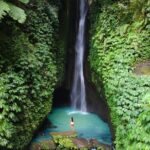
Tegenungan Waterfall is your final big anchor, and it’s built into the schedule with about two hours—plus admission included. This longer time window matters. Waterfalls aren’t a quick glance-and-go attraction unless you’re okay with rushing. Two hours lets you take in the view, move around safely, and not feel like you’re being herded.
What you’ll likely enjoy most is the combination of the waterfall itself and the surrounding scenery. It’s also a great end-of-day reset. After temples and forests, you get a visual break and the sound of water changes the whole mood.
A practical note: waterfalls often mean slippery areas, uneven steps, and humidity. If you bring a camera or phone, keep an eye on splash zones and bring a small towel if you want to wipe gear quickly.
If you want to avoid feeling cooked, think about the order of your activities inside those two hours:
1) get your main photo out early
2) then slow down for a second pass
3) finish with a comfortable, unhurried moment where you can just listen
Price and Value From Seminyak Hotel Pickup
At $40 per person, this tour is priced like a value day trip. The key isn’t that it’s the cheapest option. It’s that several costs are bundled so you’re not surprised later.
Here’s what’s included:
- English-speaking guide
- private car (plus parking fees, tax, and patrol)
- round-trip transfers from your Bali hotel
- sarong for temple visits
- entrance tickets for multiple stops (Monkey Forest, Goa Gajah, Tegalalang rice terraces, and Tegenungan Waterfall)
What’s not included:
- lunch
- personal expenses
- Mas Carving Center admission ticket is not listed as included
So for you, the budget question becomes: can you handle paying for food and any optional site costs on the side? If yes, then $40 is a solid deal because you’re essentially paying for transport plus guided access plus several admissions.
Also, getting pickup from Seminyak (instead of meeting up in Ubud and spending extra time traveling) is a big part of the value. The day is already structured to minimize downtime.
One more “value” angle: the tour is described with a mobile ticket, and confirmation comes at booking. That kind of simplicity helps when you’re juggling multiple travel days.
Packing List and On-the-Ground Tips for a Smooth Day
You don’t need a fancy kit for this trip, but you do want to be comfortable. I’d plan around four realities: temples, stairs/paths, being outdoors, and animals at Monkey Forest.
Bring:
- A light day bag that stays closed (monkey-curious behavior can turn open bags into a problem)
- comfortable walking shoes
- sun protection (hat/sunscreen) because you’ll spend time outdoors
- a refillable water bottle, since lunch isn’t included
Temple behavior basics:
- your sarong is provided, so you’re covered for temple requirements included in the tour plan
- dress modestly in general so you’re not stuck thinking about clothing during the day
For a waterfall day:
- bring something quick-dry if you expect mist
- keep your electronics protected
If you do this right, you’ll spend more time enjoying the sights and less time managing logistics.
Who Should Book This Ubud Wonderful Day Tour
Book it if you want an efficient day that hits the big Ubud highlights:
- Sacred Monkey Forest for nature + sacred space
- Goa Gajah for a 9th-century Hindu temple experience with carved rock architecture
- Tegalalang for terraces and an irrigation-focused farming explanation
- Tegenungan Waterfall to finish with a scenic outdoor break
It’s also a good pick if you’re traveling solo and want a clear plan. The tour format keeps you from bouncing around Ubud on your own, which is a real stress-saver.
I’d skip or rethink it if:
- you’re not comfortable around monkeys
- you hate day-long schedules and prefer slow, single-sight visits
- you’re hoping for a lunch included price (you’ll need to handle meals yourself)
Should You Book? My Decision Checklist
I’d recommend booking this tour if your priorities are variety, guided context, and saving time on transport from Seminyak. The bundled admissions and sarong support make it easier to keep the day moving, and the schedule gives enough time at each stop to actually enjoy it.
One final check before you commit: confirm you’re okay paying for lunch and any extra entrance needs at Mas Carving Center. If that extra budget doesn’t bother you, this is a strong way to see Ubud’s top sights without turning your day into a planning project.
FAQ
FAQ
How long is the Ubud Wonderful Day Tour?
The tour runs about 6 to 8 hours.
Is hotel pickup and drop-off included?
Yes. Round-trip transfers from your Bali hotel are included.
What’s included in the $40 price?
Entrance tickets (for the listed stops), an English-speaking guide, a private car, sarong for temples, parking fees, tax, and patrol are included.
Are entrance tickets included for every stop?
No. Entrance tickets are included for Sacred Monkey Forest Sanctuary, Elephant Cave (Goa Gajah), Tegalalang Rice Terrace, and Tegenungan Waterfall, but Mas Carving Center admission is not included.
Is lunch included?
No. Lunch and personal expenses are not included.
What happens if the weather is poor?
The experience requires good weather. If it’s canceled due to poor weather, you’ll be offered a different date or a full refund.
Do I get a mobile ticket, and can I cancel?
Yes, you receive a mobile ticket. You can cancel for a full refund up to 24 hours in advance of the experience’s start time.