REVIEW · SEMINYAK
Well-Guided Local Textile Tour of Denpasar
Book on Viator →Operated by Ayu and Ngurah · Bookable on Viator
Textiles in Denpasar tell a story fast. This guided tour is a practical way to see how Indonesian and Balinese people use cloth every day—plus how local markets actually supply the things you later spot in tourist boutiques. I especially liked the way Ayu explains what you’re looking at, with real pride and the kind of English that makes shopping and questions feel easy.
I also like the route: you start near Jl. Gajah Mada with Pak Rayyis, then you move into Kumbasari Market for specialty fabric shops, and finish at Jalan Sulawesi for everyday batik and a huge range of materials. The one drawback to plan around is timing: it’s about 2 hours, so if you want to linger, bargain for multiple items, or compare fabrics for a long time, you’ll probably want to add extra shopping time on your own afterward.
In This Review
- Key highlights you’ll feel on the walk
- Why this Denpasar textile walk beats boutique shopping
- Start on Jl. Gajah Mada: meeting Pak Rayyis and setting your textile radar
- Kumbasari Market: where you see batik, ikat, and weaving-focused shops
- Jalan Sulawesi: the fabric haven for everyday batik and modern materials
- What the guide adds: Ayu’s flexible stops and clear communication
- Price and value: what $25 buys you (and what it doesn’t)
- How to plan your afternoon around the 2-hour schedule
- What you’ll actually see: textile variety across Denpasar
- Should you book the Denpasar textile tour?
- FAQ
- How long is the Well-Guided Local Textile Tour of Denpasar?
- How much does the tour cost?
- Where does the tour start and end?
- What time does the tour start?
- What stops are included?
- How big is the group?
- What kinds of textiles will I see?
- Is there a full refund if I cancel?
- What happens if the weather is bad?
Key highlights you’ll feel on the walk
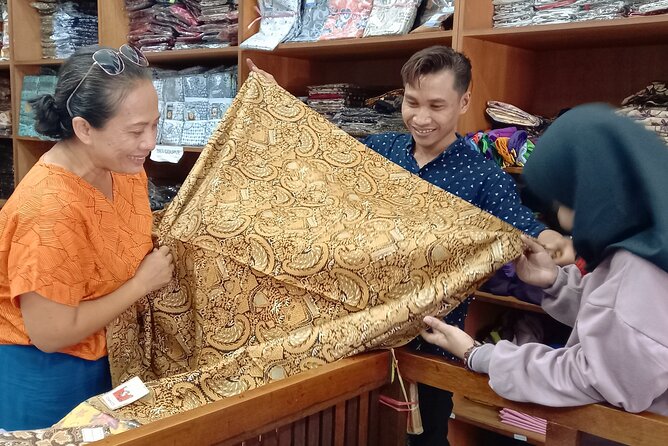
- A local textile guide (Ayu and Ngurah) who can adapt the stops to what you care about most
- Pak Rayyis on Jl. Gajah Mada, where you hear about textile collections at the start
- Kumbasari Market shop time, including places focused on batik, ikat, and weaving
- Jalan Sulawesi fabric street, packed with affordable everyday batik and lots of modern materials
- Small group size (max 10) so it stays personal, not crowded
- Mobile ticket for a smoother start
Why this Denpasar textile walk beats boutique shopping
If you’ve only seen Bali textiles in polished, tourist-facing stores, this tour changes the picture quickly. You’re walking through local streets where fabric is part of daily life: the supplies are bought here, styles are tested here, and you’ll see variety without the pressure of a big-brand display.
What I found helpful is that it’s not just a photo stop. Your guide helps you look with a purpose. You’ll learn what different types of textiles look like in person and where they’re sold, which makes your next purchase smarter. And because the guide can adjust based on interest, you’re not locked into a rigid “look, look, look” format.
Also, at this price point—$25 per person for about 2 hours—you’re paying for orientation and access. That’s the real value here: getting into the local rhythm so you can shop (or simply browse) without feeling lost.
You can also read our reviews of more guided tours in Seminyak


Start on Jl. Gajah Mada: meeting Pak Rayyis and setting your textile radar
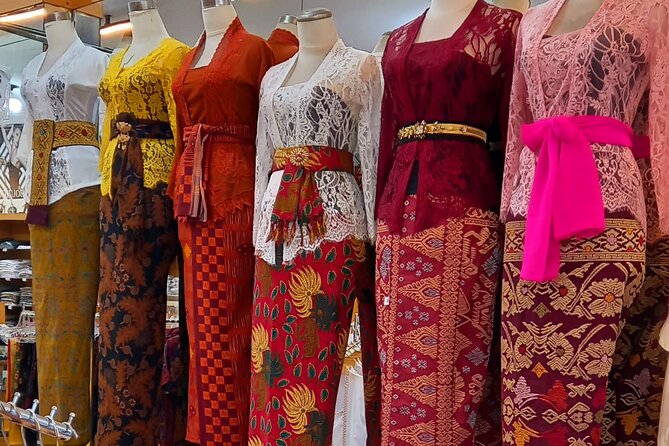
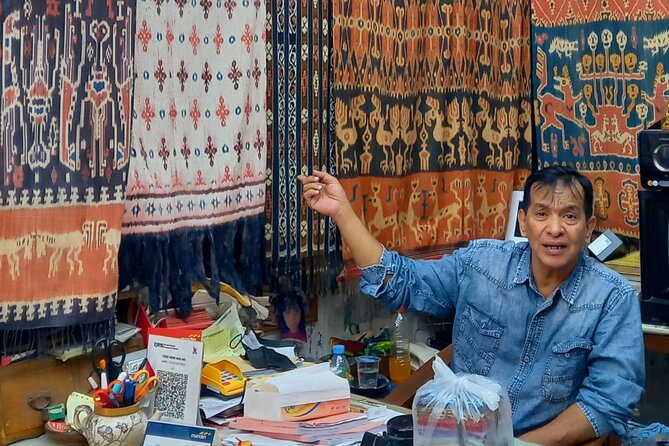
The tour begins at Jl. Gajah Mada No.1 (Dauh Puri Kangin, Denpasar Utara) and starts you off in the right mindset. You’ll meet Pak Rayyis and hear about his textile collections before the walk turns into market browsing.
This opening matters. Starting with someone local and connected to textile collections gives you a baseline. Suddenly, the colors, patterns, and fabric types you see later at Kumbasari Market and Jalan Sulawesi make more sense. You’re not just staring at cloth—you’re learning what to compare and what questions to ask.
It’s also a good moment to ask for practical guidance before you’re surrounded by bolts of fabric. If you’re the type who wants to buy, your guide can steer you toward what fits your goal—everyday wear, interiors, dressmaking materials, or just something fun for a keepsake.
Kumbasari Market: where you see batik, ikat, and weaving-focused shops
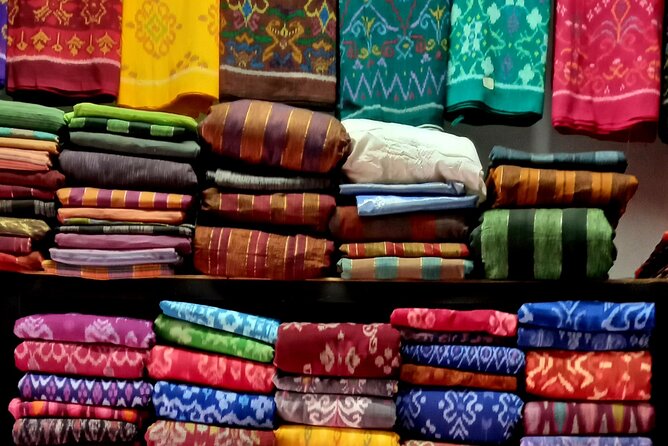
Next comes Kumbasari Market, where you’ll visit two shops specializing in traditional batik, ikat, and weaving. This is one of the most valuable parts of the tour because specialty shops cut through the noise. Instead of one store carrying everything, you get focused selection.
Here’s what I like about this stop: you’re seeing textiles in the category that matters to you. If you’re drawn to batik, you’re not hunting through a mixed inventory. If you’re curious about ikat or weaving, you’re in places that are set up for exactly that kind of shopping.
There’s also a shopping rhythm that feels more honest than tourist markets. Prices and choices are discussed at local pace. You can take your time looking at patterns, cloth thickness, and style options without being rushed into a single checkout line.
One small caution: markets like this reward patience. The best approach is to look first, then ask. Your guide’s English and confidence help a lot here, especially when you’re comparing options and trying to understand what’s meant for everyday use versus something more tailored or decorative.
Jalan Sulawesi: the fabric haven for everyday batik and modern materials
Then you head to Jalan Sulawesi, a well-known fabric area. If Kumbasari Market feels focused, Jalan Sulawesi feels expansive. This is where you’ll find print affordable everyday use batik, plus a long list of modern materials and supplies.
Depending on what you’re shopping for, you might see options like:
- linen, brocade, cotton
- lace and quilting materials
- dressmaking and interiors fabrics
- silk and rayon
- and almost any fabric material you’re hoping to find
This is the stop for people who want choices. It’s also a great place if you’re not sure what you want yet. Browsing here helps you figure out your personal “yes” fabric—something you can picture in a bag, a shirt, curtains, or a simple home project.
Keep your expectations realistic. Because the tour is limited to about two hours total, Jalan Sulawesi is your chance to act. If you’re the “I need to compare five stores” type, take notes on what you like and decide quickly. You can always come back later on your own—but using this stop efficiently makes the guided part feel worth it.
What the guide adds: Ayu’s flexible stops and clear communication
Two things stand out from the experience descriptions and what people emphasize most. First, the guide has genuinely flexible stop choices based on your interests. That means if you’re more excited about one type of textile, you can steer the walk in that direction while staying on track.
Second, the guide’s English makes a real difference. When you’re shopping for fabric, small language gaps can turn simple questions into awkward guesswork. Here, your guide’s English helps you:
- ask what you’re seeing
- discuss reasonable options
- and get smart shopping tips without feeling pushed
And with a maximum of 10 travelers, you’re not stuck waiting behind a long line. The pace stays human, and questions don’t get swallowed by the group.
This is also one reason the tour feels good value. At $25, you’re not just paying for access—you’re paying for clarity. That clarity can save you money later by helping you avoid mismatched fabric choices.

Price and value: what $25 buys you (and what it doesn’t)
Let’s be honest about value. This tour costs $25 per person and runs about 2 hours. That price isn’t buying you a stack of fabric or a guaranteed discount. It’s buying you local expertise, introductions to shops, and an efficient route through the textile areas of Denpasar.
So the best way to judge value is to ask yourself what you need most:
- If you want help finding the right shops fast, this tour is a good deal.
- If you just want a stroll with zero shopping talk, you might not feel the full payoff.
- If you’re serious about fabric shopping, you’ll probably come away with ideas and next-step guidance you can use after the tour ends.
Another value factor: it’s built for browsing. You’re seeing multiple textile types—hand-painted batik, modern batik, ikat, endek weaving, and more—so even if you don’t buy the first thing you see, the tour still teaches you what to look for.
How to plan your afternoon around the 2-hour schedule
The start time is 2:00 pm, and the tour ends back at the meeting point. That matters because it makes the tour easy to plug into a normal Bali day. You can do this after a lazy lunch, then shop or relax afterward.
But the schedule is also tight. You’ll be walking and visiting several areas, which means you shouldn’t treat this as a time for a long, slow “choose every detail” shopping session. Instead, think of the tour like a guided sampler:
- you get introduced to the key textile streets
- you get help spotting what’s available
- you get a chance to buy if something really hits
If you find yourself loving everything, that’s normal. Textile shopping is like that. The trick is to set yourself a simple target before you go—one item, one fabric type, or one practical use—so you can take action in the time you have.
What you’ll actually see: textile variety across Denpasar
One of the reasons this tour is so appealing is the range. In the local shops and market stops, you might come across:
- Javanese traditional hand painted batik
- modern batik
- ikat
- endek weaving
- plus a long list of modern fabric materials at Jalan Sulawesi
That mix is the practical part. It helps you understand the difference between traditional patterns you’d recognize in craft circles and modern fabrics meant for everyday tailoring, interiors, or craft supplies.
Even if you don’t buy, you’ll likely walk away with sharper taste. And if you do buy, having seen multiple categories in one guided afternoon makes it easier to judge whether something is what you intended to purchase.
Should you book the Denpasar textile tour?
Yes—if you enjoy hands-on shopping guidance and want to skip the uncertainty of wandering fabric streets alone. This is especially worth it for fabric lovers, people buying a first textile item in Bali, and anyone who wants to learn what’s sold where—without spending an entire day lost between shops.
Skip it (or add extra time) if you’re looking for a long, slow shopping day or you hate market noise. It’s a smart, efficient walk, not a half-day shopping marathon.
Also, it depends on weather. Since the experience requires good weather, plan for the possibility of a date change if conditions aren’t right.
If you want a local textile route that helps you shop with confidence—and maybe even find something you wouldn’t see in the tourist strip—this Denpasar walk is a very solid pick.
FAQ
How long is the Well-Guided Local Textile Tour of Denpasar?
It lasts about 2 hours.
How much does the tour cost?
The price is $25.00 per person.
Where does the tour start and end?
It starts at Jl. Gajah Mada No.1, Dauh Puri Kangin, Kec. Denpasar Utara, Kota Denpasar, Bali 80232, Indonesia, and ends back at the meeting point.
What time does the tour start?
The start time is 2:00 pm.
What stops are included?
You’ll visit Kumbasari Market, Jalan Sulawesi, and the tour ends back in Denpasar at the meeting point. You also meet Pak Rayyis at the start on Jl. Gajah Mada.
How big is the group?
The tour has a maximum of 10 travelers.
What kinds of textiles will I see?
You’ll see a range of traditional and modern textiles, including hand painted batik, modern batik, ikat, endek weaving, and various fabric materials at Jalan Sulawesi.
Is there a full refund if I cancel?
Yes. You can cancel up to 24 hours in advance for a full refund.
What happens if the weather is bad?
If the tour is canceled due to poor weather, you’ll be offered a different date or a full refund.