REVIEW · NUSA PENIDA
3-Day Freediving Level 1 Course
Book on Viator →Operated by Freedive Nusa · Bookable on Viator
A place like Nusa Penida makes learning feel real. This 3-day Level 1 freediving course is built for beginners who want a safe, structured start, with both pool training and open-ocean sessions. You also take home underwater photos and finish with certification included.
I especially like the way this course stays practical: theory on land, then repeated drills in controlled water before you head out. I also like the small-group focus, with a maximum of four students per instructor, which shows up in the supportive coaching people describe from instructors like Sabli, Artem, Roberto, Seva, Hamza, and Gaston.
One thing to consider: while this is beginner-friendly, it still asks for moderate physical fitness and you need to be able to swim. Also, the price covers training and equipment, but it does not include lunch, accommodation, or private transportation.
In This Review
- Key things that make this course worth your time
- Nusa Penida: why this setting helps you learn
- What you do across 3 days (and why the schedule works)
- Training goals: safe breath-hold, then going deeper
- Instructors: how the coaching shows up in real progress
- Underwater photos and coral time: what’s included beyond the training
- Day-by-day reality: theory, then pool work, then open ocean
- Price and value: what $450 really buys you
- Who this course suits best (and who should think twice)
- Practical notes: where you start and the daily pace
- Should you book this Level 1 course in Nusa Penida?
Key things that make this course worth your time
- Small groups (max 4 per instructor) for quick feedback while you practice breath-hold skills
- 3 days, 8:30–16:30 with theory + practice each day (including lunch break)
- 2 confined-water sessions + 3 open-water sessions so you build confidence in steps
- Underwater photos included, so you get something tangible to remember the training
- Certification + digital learning materials included, not just “a one-off experience”
- Most students reach 15–20 meters and 2+ minutes breath-hold by course end
Nusa Penida: why this setting helps you learn
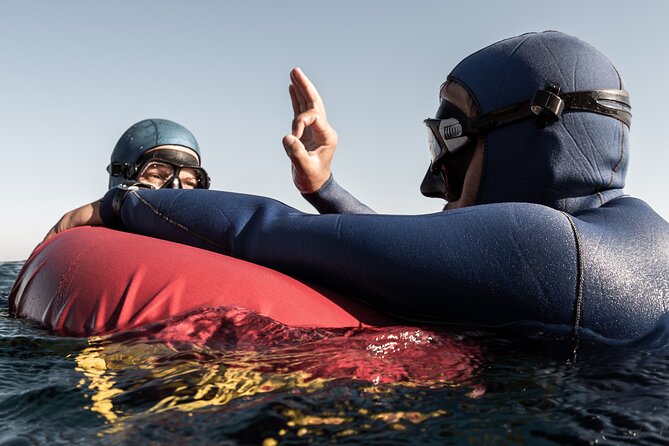
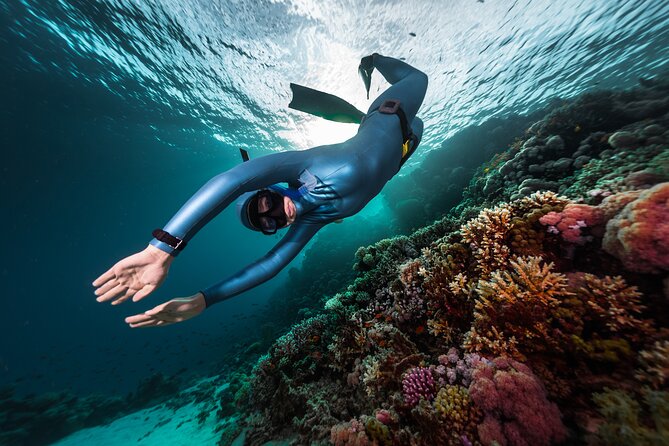
Nusa Penida is one of those places where the ocean feels like the main character. The training includes going underwater among coral and tropical fish, and that matters for a Level 1 course because motivation and focus tend to drop when the water feels boring or scary.
In practice, the location supports a smart learning rhythm: start with skills you can control, then move to the open ocean once you’ve built the basics. That’s exactly how this course is set up—pool and confined sessions first, then open-water sessions. The goal is not just depth. It’s learning how to stay calm, equalize safely, and manage your breathing so you’re not fighting your own nerves.
You can also read our reviews of more tours and experiences in Nusa Penida.
- ️Nusa Penida by Private Boat – Snorkeling 4 spots, Swim with Mantas + Land Tour
★ 5.0 · 6,424 reviews

What you do across 3 days (and why the schedule works)
The course runs for about 3 days, with daily sessions from 8:30 AM to 4:30 PM, including a break for lunch. Over those days, you’ll go through a mix of learning styles:
- Theory and practical instruction on land
- 2 confined water sessions (think controlled, easier conditions)
- 3 open water sessions (where conditions are real and the ocean asks more of you)
That structure is the real value here. A lot of beginner experiences either throw you straight into the ocean or stop at a swimming-pool “try it once.” This one gives you repeated chances to practice core skills, then tests them in open water. For most people, that’s the difference between feeling “I saw something cool” and actually progressing.
And because the school limits group size to four students per instructor, you’re more likely to get corrections that fit you—not generic tips that apply to nobody in particular.
Training goals: safe breath-hold, then going deeper
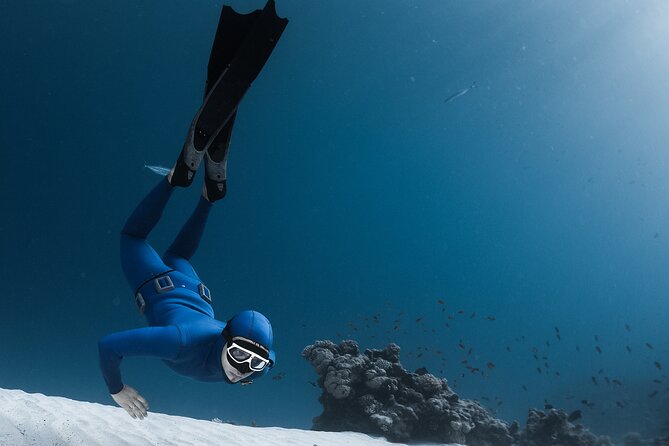
This is explicitly a Level 1 introduction, so you’re learning the foundation: how to prepare your body, handle breath-hold time, and feel comfortable moving through the water column.
The course description sets clear outcome targets: most students can descend to around 15–20 meters (50–65 feet) and hold their breath for more than 2 minutes at the end. That doesn’t mean everyone will hit those numbers on day three, but it does tell you the course is designed to bring beginners forward in a measurable way.
What I like about these expectations is that they’re not marketing fluff. You’re told what success usually looks like. And you can judge whether the training matches your mindset: do you want a gentle introduction, or do you want real practice that pushes you to improve? The instructor feedback in the supplied reviews points to a “careful but progressive” coaching style—people talk about being supported while still being challenged in the right direction.
Instructors: how the coaching shows up in real progress
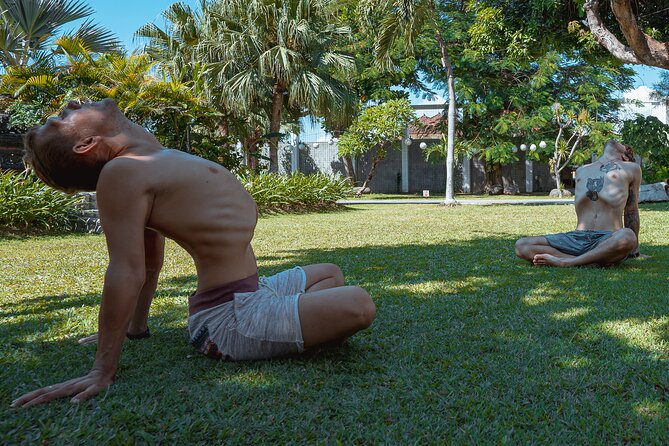
You’ll get the most out of a beginner course if the instructor can translate safety and technique into something you can actually do under pressure. The reviews give strong signals that this school takes that part seriously.
Different instructors show up in feedback: Sabli is praised for clarity, organization, and good-quality gear. Artem is mentioned as attentive and careful about guiding each student. Roberto gets credit for support that helped someone move past fear of being in the water without breathing. Seva is described as patient, knowledgeable, kind, and genuinely funny, with a “feeling safe” emphasis. Hamza is noted as extremely patient and confidence-building for a rookie.
In short: you’re not just borrowing equipment. You’re learning from people who spend time with your individual pace. That lines up with the max-four-to-one instructor approach—less waiting, more hands-on correction.
Underwater photos and coral time: what’s included beyond the training
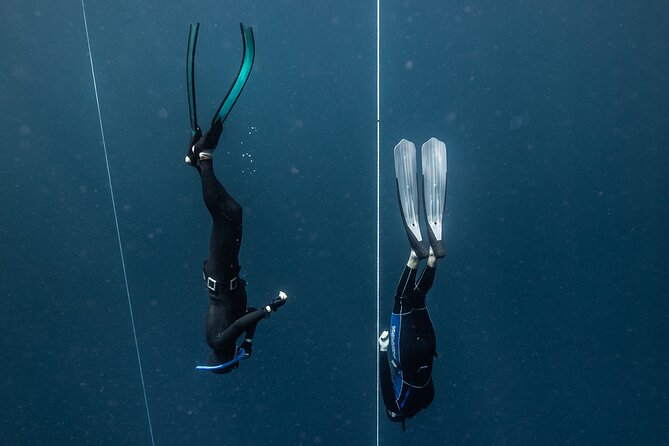
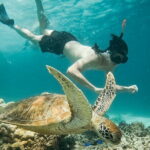
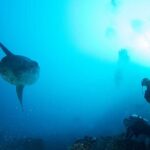
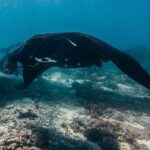
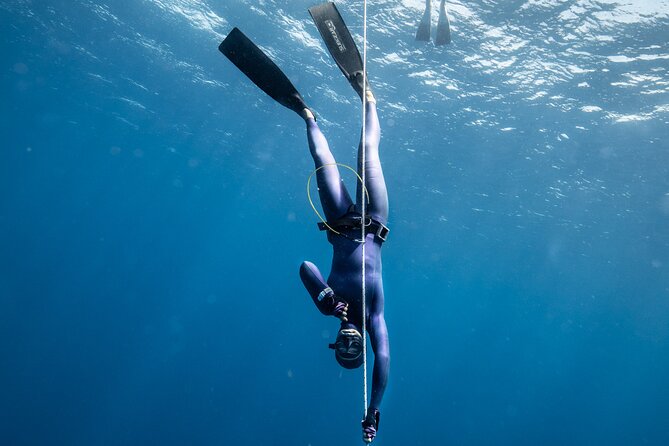
One nice perk is that you’re set up to take home underwater photos of yourself. The course overview describes photos taken while you’re underwater amid coral and tropical fish, which is a big deal for beginners who might not know whether they’ll even feel comfortable enough to enjoy the scenery.
This is also why the course feels more complete than many “intro” activities. You get the skills, and you leave with proof—images you can look back on when you’re tempted to think you’re not “that kind of person who could do this.” Even if your first few attempts are shaky, photos turn the whole week into a progress story.
Day-by-day reality: theory, then pool work, then open ocean
Even without you needing to memorize a minute-by-minute plan, the sequence matters. Here’s the practical rhythm you should expect.
Day 1 vibe (start clean and build comfort):
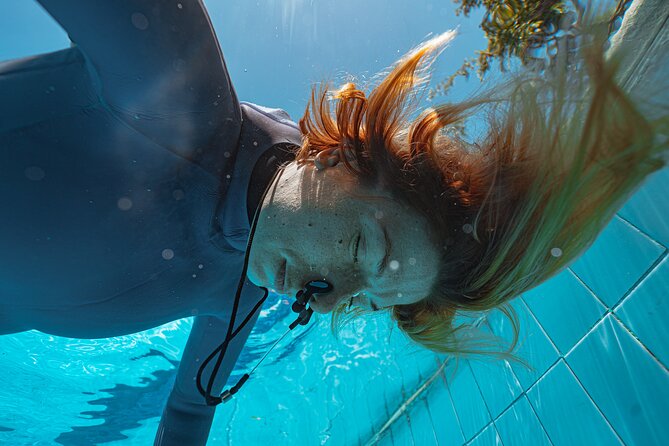
You begin with learning on land and then move into controlled water practice. This is where you focus on comfort with breath-hold and the mechanics of the training process.
Middle of the course (repeat and refine):
The two confined water sessions matter most here. Confined water is your practice lab. You rehearse, make mistakes, get corrections, and repeat—so open ocean doesn’t feel like a totally new sport.
Final push (open water application):
Then come the three open water sessions. This is the stage where people typically feel both excitement and nerves, because open water is less predictable than the pool. The point of the earlier training is to help you keep control: stay calm, equalize properly, and manage your breathing instead of rushing depth.
If you’ve ever done a class where you “kind of understood” on land but froze in water, this structure is designed to reduce that gap.
Price and value: what $450 really buys you
At $450 per person for a roughly 3-day course, the big question is: what’s included that you’d normally pay for anyway?
Here’s what’s included:
- Freediving equipment
- All fees and taxes
- Freediving certification
- Digital learning materials
And here’s what is not included:
- Private transportation
- Accommodation
- Lunch
When you zoom out, the value looks solid for a few reasons. Equipment is included, so you’re not hunting for rentals or worrying about whether you got the right setup. Certification and digital materials add real “course value” beyond a fun day out. And the small group size is often the hidden cost in quality instruction—this model avoids a big crowd where you wait your turn.
The main budget consideration is simple: plan for food, and plan for how you’ll get there and stay nearby. If you already have Bali/Nusa Penida logistics handled, this course price feels like you’re paying for coaching and progression, not for add-ons.
Who this course suits best (and who should think twice)
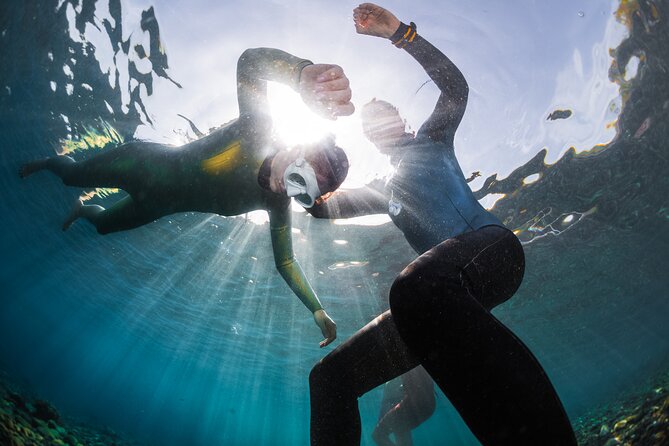
This is for beginners, including people with no previous water freediving experience. You only need to be able to swim, which keeps the entry point realistic.
You should also have moderate physical fitness, because it’s still an active course with multiple water sessions across 3 days. From the reviews, fear is common at the start—one person specifically described initial worry about being in the water without breathing, then getting used to it gradually. That’s a good sign for you if you’re nervous right now: the course is set up for gradual adaptation, not sudden hero moments.
You’ll probably enjoy this most if:
- You want structured safety training
- You like small groups and direct coaching
- You want measurable progress and certification
- You care about underwater photos, not just a once-in-a-lifetime feeling
You might want to reconsider if you’re looking for a super-relaxed “tour only” day. This is instruction-heavy and practice-heavy. It moves.
Practical notes: where you start and the daily pace
You’ll meet at Freedive Nusa at Jl. Ped – Buyuk No, Desa, Ped, Kec. Nusa Penida, Nusa Penida, Bali 80771. The daily training window runs 8:30 AM to 4:30 PM, Monday through Sunday, and the activity description indicates availability across a broad date range.
Also note the course uses a mobile ticket, and you should receive confirmation when you book.
Should you book this Level 1 course in Nusa Penida?
If you want a beginner-friendly start that still takes safety seriously and teaches you real breath-hold skills, I think this is a strong pick. The max four students per instructor setup, the mix of theory + pool + open ocean, and the included certification and equipment are exactly the things that make a Level 1 course worth the money.
Book it if:
- You can swim and you’re okay with a full day schedule for three days
- You want coaching that’s close enough to correct your technique
- You’d like underwater photos and a certification finish
Skip it or ask extra questions first if:
- You don’t want a structured training program
- You haven’t planned for lunch and your own transport/accommodation
If you’re on the fence, here’s the easiest deciding question: do you want to learn the skill properly, or just sample the idea? This course is clearly built for learning properly.
You Might Also Enjoy
More Tour Reviews in Nusa Penida
- ️Nusa Penida by Private Boat – Snorkeling 4 spots, Swim with Mantas + Land Tour
★ 5.0 · 6,424 reviews