REVIEW · NUSA PENIDA
Try Scuba Diving for Beginners with manta rays (Non – Certified)
Book on Viator →Operated by Sanctum Dive Nusa Penida · Bookable on Viator
First-timers get a fast taste of scuba magic in Nusa Penida. The big pull is the chance to meet manta rays while you learn neutral buoyancy step by step. I also like that the course keeps the group tight with a 1:2 instructor ratio (max two divers per instructor), so you get real attention instead of being shuffled around. The main drawback to plan for: it depends on conditions and coaching quality, and one review flagged an unfriendly coach—so you’ll want to communicate early if something feels off during the pool training.
This is built as a non-certified option with all the scuba gear handled for you, including the mask. You’re not just staring at fish from the boat; you’re breathing underwater and learning how to stay stable in the water, with two guided shallow water sessions as the payoff. I like the “whole day” structure too—there’s lunch, nonalcoholic drinks, and snacks/fruit so you don’t turn into a grumpy noodle halfway through. One consideration: there’s no breakfast, and you’re on a morning start (pool training in the early hours).
If you’re the kind of person who likes clear guidance, calm pacing, and a small team, this format makes a lot of sense. Bring swimwear, show up healthy, and keep a good attitude—those are not fluff lines here. They really matter when you’re learning breathing skills and buoyancy control for the first time.
In This Review
- Key points at a glance
- Why Nusa Penida manta-ray chances are a smart first-scuba goal
- The 8:00 pool session: learning neutral buoyancy without guesswork
- Two guided shallow water sessions: what you’re actually doing underwater
- Timing and flow: a 4-hour experience that still covers the essentials
- Price and value: what you get for $122.19 (1,600,000 IDR)
- Group size and safety reality: the 1:2 ratio is the heart of this day
- The “coach vibe” issue: how to protect your experience
- What to bring (and what to skip)
- Who should book this try-scuba program
- Should you book? My take
- FAQ
- Is this for non-certified beginners?
- How long does the experience take?
- Does the price include scuba equipment and a mask?
- What’s included for food and drinks?
- What should I bring?
- Is breakfast included?
Key points at a glance
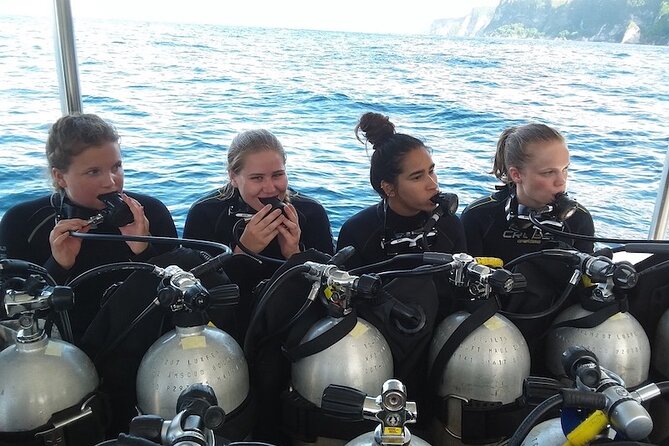
- Pool training first: about 45 minutes to learn basics before you go underwater.
- Small instructor ratio: max two divers per instructor, plus a stated 1:2 ratio.
- Manta-ray goal in Nusa Penida: the experience is designed around likely manta encounters.
- Gear + mask included: you don’t need to pack your own scuba kit.
- Food and hydration are included: lunch, snacks, fruit, and nonalcoholic drinks on the boat.
- Short day, ~4 hours: finishes by about 2:00 pm, not an all-day slog.
Why Nusa Penida manta-ray chances are a smart first-scuba goal
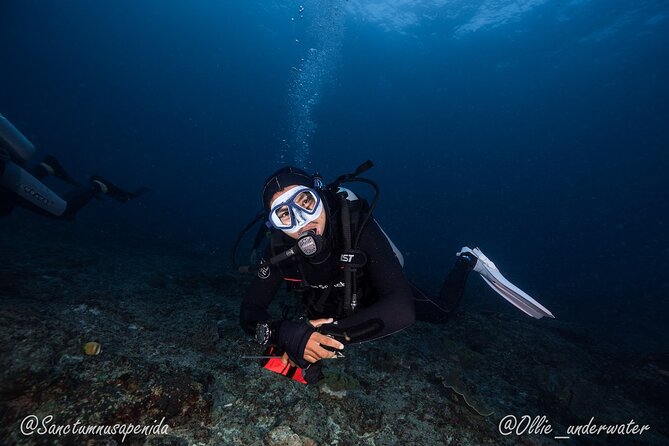
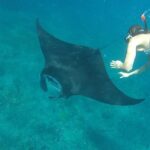
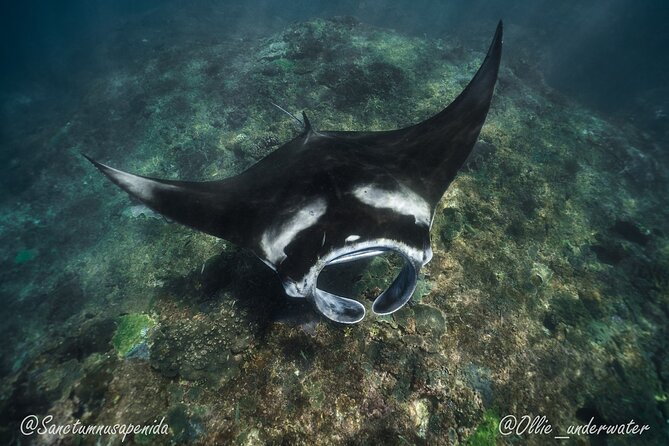
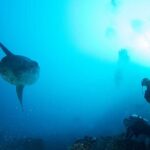
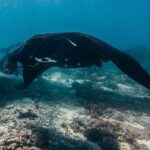
Nusa Penida is the setting, and the whole program is aimed at beginners who want that wow moment without needing certification. What I like about this setup is that it gives you a clear purpose for the day. You’re not paying just to learn gear and shuffle around; you’re learning so you can actually enjoy the water when you’re close to the manta-ray viewing areas.
The manta-ray angle also helps you see why this is structured the way it is. Instead of sending brand-new people straight into the open ocean with a big mission, you start with pool skills and basic control. That matters because neutral buoyancy isn’t just a theory word—it’s what keeps you from fighting your body the whole time. If you can stay stable, you’ll spend less energy and feel safer, which usually makes the animal moments (like manta rays) more likely to land the way you hope.
That said, manta sightings can’t be guaranteed in any ocean program. The operator’s wording is “likely” for manta encounters, which is honest. So I’d treat this as a high-chance experience, not a fixed promise.
You can also read our reviews of more scuba diving tours in Nusa Penida
The 8:00 pool session: learning neutral buoyancy without guesswork
The day starts with pool training, typically at 8:00 am for about 45 minutes (plus or minus). Then you head out for two shallow water sessions. This order is the secret sauce for beginners: you practice core skills on dry, quiet terms first—then you take those skills into open-water conditions.
Here’s what the “pool training first” approach buys you:
- You get coached on breathing and how to move while using scuba equipment.
- You learn how to control your position in the water—neutral buoyancy—before you’re trying to look around for wildlife.
- You can ask questions in a controlled environment where the consequences are lower.
For a first course, that’s huge. If you start your underwater time already comfortable with equipment handling and buoyancy basics, the whole experience feels less like survival and more like a guided intro to a new way of seeing the world.
Also, note the equipment promise: you don’t need to bring your mask. That reduces the number of things that can go wrong on day one. You show up in swimwear, get fitted, listen, practice, repeat.
Two guided shallow water sessions: what you’re actually doing underwater
After pool training, the program includes two shallow water sessions with an instructor. The goal is to keep the learning curve gentle while still giving you time to experience the sensation of breathing underwater and moving with controlled buoyancy.
The most reassuring part for first-timers is the instructor support level. The program specifies a maximum of 2 divers per instructor, and it also states a 1:2 instructor ratio. In practical terms, this usually means you’re not getting “quick looks” from afar. You should expect hands-on corrections and coaching that helps you adjust your body position and calm your breathing.
This matters because the biggest beginner struggles tend to be the same ones:
- You kick too hard and sink or float uncontrollably.
- You hold your breath because you’re startled by the feeling.
- You focus on panic instead of technique.
A small ratio helps you fix those issues faster. Even if you’re nervous, you’re more likely to get immediate feedback before you drift into a bad pattern.
Timing and flow: a 4-hour experience that still covers the essentials
The whole program runs about 4 hours (approx.) and is scheduled to wrap up around 2:00 pm. Start time is listed as 8:30 am, with pool training at 8:00 am—so in real life, you should plan to arrive early and be ready for an early-morning pool start. I’d rather you show up a bit before than be the person sprinting to check in with damp hair and a tight mask strap.
Here’s the flow you should expect:
- Morning check-in at the operator’s base in Nusa Penida.
- Pool training for around 45 minutes to learn basics.
- Boat transfer out for two shallow water sessions.
- Back to finish the day, ending at the same meeting point.
This pacing is efficient. You’re not losing half a day to travel between activities. It’s also long enough to feel like a real program rather than a 20-minute “hello, water” session.
Price and value: what you get for $122.19 (1,600,000 IDR)
At about $122.19 per person (listed as 1,600,000 IDR), this could be a strong value if you want the full beginner package rather than piecemeal rentals and instruction.
What’s included in the price:
- Pool training (about 45 minutes)
- Instructor ratio support (max two divers per instructor; 1:2 ratio)
- Scuba equipment (including mask—so you don’t have to pack one)
- Boat
- Lunch plus snacks, fruit, and nonalcoholic drinks
- Coffee and/or tea
What’s not included:
- Private transportation (you need to get to the meeting point yourself)
- Breakfast (only lunch happens after the trip)
Why that matters for value: first-time scuba gets expensive fast when you start adding boat time, equipment rentals, and instruction separately. Here, you’re buying a structured day with training, gear, and the food plan handled. If you already know you don’t want to manage mask rentals or figure out timing, this bundle reduces stress.
One more note: the average booking window is about 7 days in advance. If you’re traveling in busier periods, planning around that timeframe can help.
Group size and safety reality: the 1:2 ratio is the heart of this day
The operator makes a safety claim by pointing to a small maximum pairing: no more than two divers per instructor. Safety isn’t only a promise; it’s also about how training is delivered. A beginner program needs eyes on you—especially when you’re learning buoyancy and trying to stay relaxed.
I also appreciate that the program is framed as beginner-friendly and non-certified. That means the instructor is teaching skills, not expecting you to already know how scuba equipment behaves underwater.
Now, the balanced part: safety depends on both instruction and your own readiness. The experience calls for moderate physical fitness and for you to be in healthy body and mind. In other words: if you’re exhausted, sick, or anxious to the point you can’t focus, you’re better off rescheduling for a day you can bring your attention.
The “coach vibe” issue: how to protect your experience
One review rated the training facility poorly and specifically complained about very inexperienced coaches, including an unfriendly attitude and feeling that the coach was dangerous in the water. The response from the operator asked for the coach’s name for debrief and said that if the issue was raised during the pool session, they could change the coach immediately.
So here’s my practical advice: treat pool time as your checkpoint. If you feel uncomfortable—because of communication, coaching style, or how safe things feel—raise it right then. Don’t wait until after you’re already underwater. That’s the moment the operator says they can adjust.
Also, show up with the right mindset. The program explicitly asks for good attitude. For many beginners, that means staying open to correction even if it feels awkward at first. If you stay calm, listen, and respond, you’re much more likely to have a smooth day.
What to bring (and what to skip)
Based on the info provided, pack light and focus on comfort:
- Bring swimwear
- Bring a calm, positive attitude
- Be healthy and meet a moderate fitness level
- You do not need to bring your mask (it’s included in the gear package)
Since breakfast isn’t provided, plan your morning accordingly. Have something before you go, then let the included lunch and snacks take care of you after the sessions.
You’ll also have a mobile ticket, so keep your phone ready and charged. Confirmation happens at booking as well.
Who should book this try-scuba program
This experience fits best if you:
- Are non-certified and want a structured beginner intro
- Prefer a small group with close instructor attention
- Want both training and a strong chance of manta-ray encounters in Nusa Penida
- Value a single-price package that includes gear, boat time, and meals
You might want to think twice if you:
- Get easily overwhelmed and can’t handle early-morning starts
- Are sensitive to coaching style and need a very specific communication approach
- Expect a rigid, guaranteed manta encounter (this is framed as likely, not certain)
- Don’t plan for transportation to the meeting point or for the lack of breakfast
Should you book? My take
If you want a beginner scuba course that’s built around learning fundamentals quickly, with close instructor support and the manta-ray goal driving the day, I’d lean toward booking. The best part is the combination of pool training first, max two divers per instructor, and the fact that gear and mask are included. Add in lunch, snacks, fruit, and nonalcoholic drinks, and you’re buying a full experience rather than a bare-bones lesson.
I’d book with two caveats in mind: the experience is weather dependent, and coach quality seems to matter a lot to some people. Your best protection is to communicate during the pool training if anything feels off. If you do that, the structure gives you a genuine path from beginner nerves to an underwater experience you can feel good about.
FAQ
Is this for non-certified beginners?
Yes. It’s a try-scuba style program designed for non-certified participants, starting with pool training and then including two shallow water sessions with an instructor.
How long does the experience take?
It runs about 4 hours (approx.) and is scheduled to finish around 2:00 pm.
Does the price include scuba equipment and a mask?
Yes. Scuba equipment is included, and there’s no need to pack your own mask because it’s part of the package.
What’s included for food and drinks?
Lunch is included, along with snacks, fruit, coffee and/or tea, and nonalcoholic drinks.
What should I bring?
Bring swimwear. You should also be in healthy body and mind with moderate physical fitness.
Is breakfast included?
No. Breakfast is not included; lunch comes after the trip.
You Might Also Enjoy

More Scuba Diving Tours in Nusa Penida
More Tour Reviews in Nusa Penida
- ️Nusa Penida by Private Boat – Snorkeling 4 spots, Swim with Mantas + Land Tour
★ 5.0 · 6,424 reviews