REVIEW · UBUD
ARMA Museum Visit
Book on Viator →Operated by Arma Museum & Resort · Bookable on Viator
Art in Ubud, without the hassle. An ARMA admission ticket is a smart way to reach one of Indonesia’s most respected art spaces and then move through it on your own schedule. I like the focus on both Southeast Asian art and the practical value of skipping the worst of waiting in line. One drawback to consider: your experience length can run from a quick 30 minutes to a longer 2 hours, so you’ll want to decide how deep you want to go before you arrive.
ARMA isn’t just rooms of paintings. It’s also a center for visual and performing arts—so your visit can include exhibits plus the kinds of cultural programs that show up through the museum’s day. The ticket also comes with a free hot drink (coffee and/or tea), which is a small perk that makes the break feel part of the outing, not an extra stop.
Here’s the key tradeoff: this is self-guided. If you want a tightly structured tour with explanations at every turn, you may still enjoy ARMA, but you’ll get more out of it by going with your own interests and questions.
In This Review
- Key Things to Know Before You Go
- ARMA Museum in Ubud: why this ticket feels like good value
- The big picture: what ARMA really is (art plus arts culture)
- Getting in smoothly: how the ticket reduces waiting
- Your visit flow inside ARMA: how to make 30 minutes feel like more
- The art focus: Batik to contemporary masterpieces
- Temporary exhibitions and cultural programs: what’s worth watching for
- The included hot drink: when to use it for maximum comfort
- Time, ticket value, and how to fit ARMA into a Ubud day
- What the top ratings tell you (and how to use that info)
- Who should book this ARMA museum admission ticket
- Should you book ARMA Museum admission in advance?
- FAQ
- How much is the ARMA Museum admission in Ubud?
- How long does the ARMA museum visit take?
- What’s included with the ticket?
- Is this admission ticket self-paced?
- What types of art can I expect at ARMA?
- Is a guide provided?
- Can I cancel for a full refund?
Key Things to Know Before You Go
- Self-paced entry: you explore without waiting on a group schedule
- Hot drink included: coffee and/or tea comes with your ticket redemption
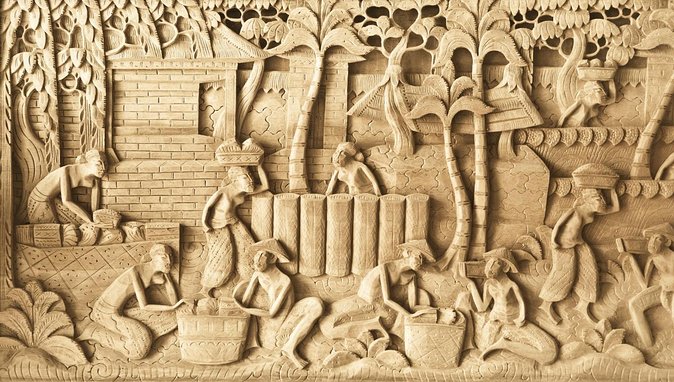
- Art spans styles: traditional Batik paintings to contemporary masterpieces
- More than a museum: ARMA also hosts performing arts, classes, and cultural workshops
- Small enough to feel easy: maximum group size listed as 100 travelers
- Timed for real-life visits: you can plan for about 30 minutes to 2 hours
ARMA Museum in Ubud: why this ticket feels like good value
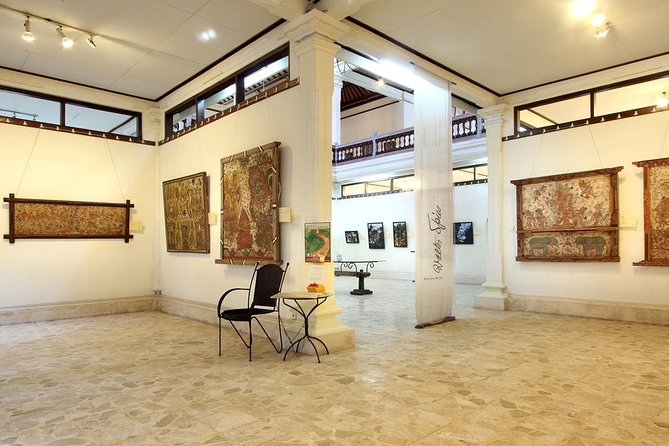
ARMA Museum of Art (often called the Agung Rai Museum of Art) sits in Ubud, and it’s the kind of place you can treat as your main art stop—or as the more artsy side of a Ubud day. The ticket price is $9.38 per person, which is pretty reasonable for a museum that covers a serious range: traditional Batik-style works, plus contemporary pieces.
What makes this ticket feel worth it isn’t just the art. It’s the “arrival friction” factor. Booking ahead is designed to help you spend less time stuck in entry lines and more time walking galleries and taking your time. In other words, you’re buying back something valuable: your energy.
The included coffee and/or tea is the second value layer. It’s not a full meal or a big add-on, but it does two useful things. First, it gives you a built-in pause during your visit. Second, it turns the museum into a longer experience, not a quick dash.
And the final plus: you’re not tied to a group itinerary. Even when the experience is offered as part of a set activity, the way this works emphasizes your pace. That’s a big deal at museums, where half the fun is deciding what you want to linger over.
You can also read our reviews of more tours and experiences in Ubud.



The big picture: what ARMA really is (art plus arts culture)
ARMA isn’t presented as a single-purpose gallery. It’s described as a center for visual and performing arts, and that matters because it changes what the building can feel like.
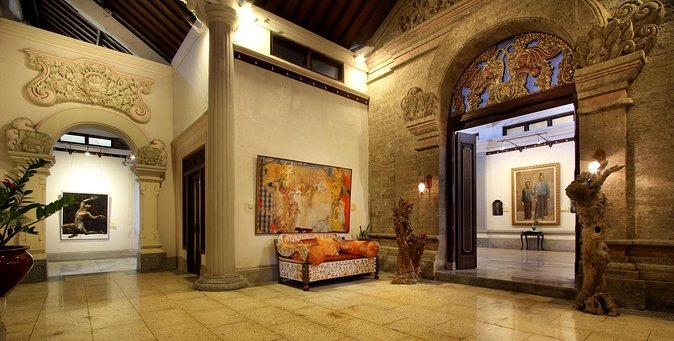
You’re not only there for paintings. The museum space is also connected to theatre performances, dance, music, and painting classes. It also includes practical visitor-friendly areas like a bookshop, a library, and a reading room. Add in cultural workshops, conferences, seminars, and training programs, and you get a sense of a place that’s active, not static.
For you, that means two things:
- If you enjoy museums that feel alive, ARMA has a better chance of matching that mood.
- If you prefer quiet time with art, you can still focus on the permanent and temporary exhibitions and use the reading room or library areas for calm breaks.
Just keep your expectations realistic. Because the museum runs cultural programs, what’s happening at any exact hour can vary. You’ll likely see exhibits as the core of the experience, but performances or classes are best approached as “possible, depending on the schedule,” not a guaranteed part of your exact 30-minute visit.
Getting in smoothly: how the ticket reduces waiting
The strongest practical reason to book ahead is line management. The ticket is meant to secure your admission so you spend less time waiting and more time enjoying the collection.
That may sound minor, but in Ubud it adds up. When you’re on a tight day, waiting becomes lost time. And when it’s hot or busy, waiting can feel worse than the walk through the museum.
By booking in advance, you’re also choosing a visit rhythm. Since the experience is set up so you can explore without waiting for a group, you avoid that “everyone moves together” feeling. You can start with the kind of art that first grabs you—maybe Batik first, maybe contemporary works—then branch out.
If you have flexible timing, aim to enter when you want to be freshest. Since your visit window can be 30 minutes to around 2 hours, you have options. A shorter visit can work if you’re using ARMA as a focused stop. A longer one works if you like reading, comparing styles, and using the museum’s rest spaces.
Your visit flow inside ARMA: how to make 30 minutes feel like more
Even though the museum visit is self-paced, you still need a plan so you don’t accidentally rush or get stuck wandering. Here’s a simple approach that fits the stated time range (30 minutes to 2 hours).
First, start by scanning the main exhibition areas to get your bearings. Then choose one direction to go deeper—traditional Batik-style works on one side of your brain, or contemporary masterpieces on the other.
As you move, look for patterns. ARMA’s range is part of the point. If you love how traditional styles connect to newer expression, you’ll get extra enjoyment comparing pieces rather than treating each room like a separate event.
Second, build in a break at the included drink stop. Even though it’s small, coffee or tea gives you a natural mid-visit reset. That makes a longer visit easier, and it also helps a quick visit feel less rushed.
Third, don’t ignore the spaces that aren’t “just galleries.” ARMA’s bookshop, library, and reading room are part of the experience. If you like taking notes or reading short materials, those spaces can be where your visit feels most personal.
The art focus: Batik to contemporary masterpieces
One of the most exciting things ARMA is associated with is its coverage of styles. The collection ranges from traditional Batik paintings to contemporary masterpieces, which means you’re not only seeing one time period or one visual language.
For you, that range is valuable because it encourages multiple kinds of viewing:
- If you’re here for craftsmanship, Batik-style works can give you a strong foundation.
- If you’re here for modern creativity, contemporary pieces can show how artists interpret identity, culture, and place in newer ways.
The museum also includes a permanent collection plus special temporary exhibitions. Even if you only spend an hour, temporary exhibitions can shift the mood of a visit. You don’t need to see everything to feel like you “got” the museum—what matters is picking what you’re curious about and moving through it at your pace.
If you tend to overthink museums, this is a good place to use your instincts. ARMA’s stated range makes it easy to follow what pulls you in, because there’s something different to catch your eye as you move.



Temporary exhibitions and cultural programs: what’s worth watching for
Because ARMA is described as hosting theatre performances, dance, music, and painting classes, there’s a chance you’ll see cultural activity during your visit. The practical way to treat this is flexible curiosity.
Here’s what I’d do if your goal is to leave with a full-feeling visit:
- Look for any temporary exhibitions that are listed as “special” during your visit time.
- Keep an eye out for any ongoing cultural activity, but don’t plan your whole schedule around it.
- Use your self-paced entry to adjust on the fly. If a performance is drawing attention and you’re curious, you can shift your focus for a short time, then return to the galleries.
This is where ARMA can feel better than a museum that’s only about static displays. The building supports arts programming, so even if you don’t catch a performance, the museum environment can still feel connected to living culture rather than just artifacts in a box.
The included hot drink: when to use it for maximum comfort
The ticket includes coffee and/or tea, provided when you redeem your entry. That small detail is more useful than it sounds.
Use the hot drink like a timed tool:
- If you’re doing the shorter 30-minute version, consider sipping it at the end, so your visit stays focused on art first.
- If you’re doing the longer 1–2 hour version, use it halfway through as a reset. It helps you slow down instead of racing to “finish.”
Also, treat the drink as a sign that this is meant to be more than a “walk in, walk out” museum trip. You can build a calm rhythm: art, pause, more art.
And yes, there’s also mention of a restaurant experience in the strong review feedback around the place. So even if you aren’t packing the museum and restaurant into one sitting, you’ll likely find it easier to plan an easy meal nearby without turning the day into a logistics puzzle.
Time, ticket value, and how to fit ARMA into a Ubud day
The visit duration is listed as 30 minutes to 2 hours, which is exactly what you want from an art ticket in Ubud. Some museum stops demand half a day. This one gives you control.
If your Ubud schedule is packed, do ARMA as a focused stop. Choose a couple of rooms and really spend time comparing Batik-style works with the contemporary collection. Keep your drink for a quick pause, then move on.
If you have breathing room, treat ARMA as your slow art hour (or two). That’s when the library/reading room and bookshop can matter more. If you like souvenirs that aren’t just magnets, the bookshop can also become part of your take-home experience.
A final value note: the maximum group size listed as 100 travelers suggests this isn’t meant to feel like a massive crowd event. You’ll still want to be patient at peak times, but the ticket format supports an easier pace than group-only tours.
What the top ratings tell you (and how to use that info)
This experience has a 4.5 rating with 93% recommended across 46 reviews. That’s a strong consensus, and it lines up with what you’d hope for from a museum ticket: smooth entry, satisfying art time, and a good overall experience.
One highlighted detail from the feedback is that ARMA feels like a first-class experience and that it’s a good combo of museum plus restaurant. Another point is that it’s in a location that’s close to other things you may want to do afterward.
So here’s how you can use that info without overthinking it:
- If you want one solid art stop that you can pair with other Ubud plans, this is a safe bet.
- If you’ve had museum disappointments because they felt too rushed or too hard to plan, this ticket format is designed to solve that.
Who should book this ARMA museum admission ticket
This ticket fits best if you:
- Want Southeast Asian art with both traditional and contemporary styles
- Prefer a self-paced museum visit rather than a tightly timed group tour
- Like museums that function as arts centers, not just storage for artworks
- Appreciate an included break item like coffee or tea
It might be less ideal if you:
- Want a fully guided, minute-by-minute explanation throughout your visit
- Need a guaranteed schedule of performances or classes as part of the experience
Should you book ARMA Museum admission in advance?
Yes, I’d book it in advance if you’re aiming for an efficient, low-stress museum visit in Ubud. The price is reasonable, the key benefit is less waiting, and the included hot drink makes the experience feel planned rather than improvised.
I’d also book it if you like control. Being able to explore at your own pace is a real advantage in a museum with such a wide range—from Batik works to contemporary pieces, plus the possibility of arts programs.
If you’re unsure, use this quick filter: if ARMA’s mix of traditional and contemporary art sounds like your kind of outing, the ticket is a smart use of time. If your style is strict schedules and guided narration, you may need to add extra support through a more structured tour elsewhere.
FAQ
How much is the ARMA Museum admission in Ubud?
The price is $9.38 per person.
How long does the ARMA museum visit take?
The visit duration is listed as approximately 30 minutes to 2 hours.
What’s included with the ticket?
Coffee and/or tea are included.
Is this admission ticket self-paced?
Yes. You can explore at your own pace and you do not have to wait for a group.
What types of art can I expect at ARMA?
The collection ranges from traditional Batik paintings to contemporary masterpieces, and it also includes a permanent collection and special temporary exhibitions.
Is a guide provided?
It may be operated by a multi-lingual guide.
Can I cancel for a full refund?
Yes. There is free cancellation, and you can cancel up to 24 hours in advance for a full refund.