REVIEW · JIMBARAN
Authentic Balinese Cooking Classes
Book on Viator →Operated by Bakas Cooking Class · Bookable on Viator
Balinese cooking starts long before you pick up a knife. You’ll shop with a local mindset, haggle for ingredients like everyone else, then cook and eat what you chose. I love that this class is hands-on and limited to a small group, so you actually get time with the chef. I also like that it includes a morning market tour for morning bookings, which turns the food lesson into a real Balinese routine. One thing to consider: if timing slips on an early start, you can miss part of the market component.
You can choose a start time that works for you, from morning through afternoon, and the whole day is about learning by doing. The experience runs about 6 hours, includes round-trip transfers from many south Bali areas, and is designed for English speakers. Keep expectations realistic: it’s a cooking class and market lesson, not a sit-and-watch show.
In This Review
- Key Things That Make This Class Worth It
- First: What This Cooking Class Actually Is
- Pricing and Value: The Real Cost Breakdown
- Getting There From Jimbaran and Beyond (Without the Headache)
- The Morning Market Lesson: Where You Learn to Think Like a Cook
- Back of House to You: The Hands-On Cooking Portion
- The Setting: Views and Atmosphere Matter More Than You Think
- Your Meal: Eating What You Made
- Who This Is For (And Who Should Skip It)
- Practical Tips to Get the Best Day Possible
- FAQ
- FAQ
- How long is the cooking class?
- Where does it take place?
- Do I get pickup and drop-off?
- Is the market tour included?
- What dishes will I cook?
- How many people are in the class?
- Is the class taught in English?
- What if I cancel?
- Should You Book This Balinese Cooking Class?
Key Things That Make This Class Worth It
- Market bargaining and selection: You practice choosing produce, meat, and fish the Balinese way, including what to accept and what to reject.
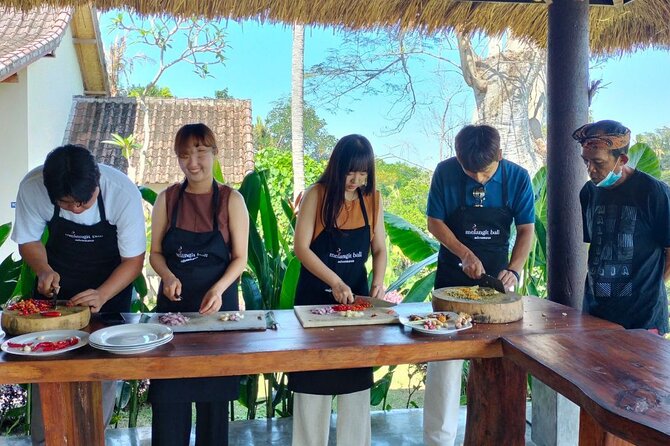
- You cook, at your own station: The class is hands-on with your own tools, not a passive demo.
- Small group size: With a maximum of 10 participants, you get room to ask questions and stay moving.
- Classic Balinese dishes: Plan on making items like satay, nasi goreng, and black rice pudding.
- Pickup from many areas: Transfers are included from a long list of hubs across south Bali and nearby regions.
First: What This Cooking Class Actually Is
This is a cooking day built around Balinese food, not just Balinese “themes.” The flow is simple: you start with a market lesson, then you cook the dishes you learned about, then you eat what you made. You’ll be guided through the flavor logic of Balinese cooking—how ingredients, spice, and technique combine into everyday favorites.
The setup is also practical for travelers. You pick your start time (morning through afternoon), and the experience includes round-trip transfers from many areas around south Bali. That matters here, because the cooking location is in Bakas, Klungkung, and you’re unlikely to want to arrange transport separately on a schedule like this.
And importantly, the class is hands-on. You’ll work at your own station with utensils provided, and the cooking is conducted in English. That combination is often where cooking classes succeed or flop: if you’re not actively cooking, you don’t really learn the method.
You can also read our reviews of more tours and experiences in Jimbaran.


Pricing and Value: The Real Cost Breakdown
At $65 for about 6 hours, you’re paying for three things at once:
- Market time + ingredient coaching
- Full hands-on cooking instruction
- Food for the meal you create
- Included transportation from a large set of pickup areas
If you compare that to paying for a restaurant meal plus a cooking workshop separately, the value usually tilts toward this kind of bundled class—especially because you’re also learning market selection and bargaining. Even if you only take a few techniques home, that’s hard to replicate in a one-off class.
Small group size also protects your value. With a maximum of 10 participants, you’re less likely to get stuck waiting while the chef works with someone else. That’s not a small detail in a kitchen setting. Less waiting means more learning, more chances to correct mistakes, and a better chance the food actually turns out the way it should.
Getting There From Jimbaran and Beyond (Without the Headache)
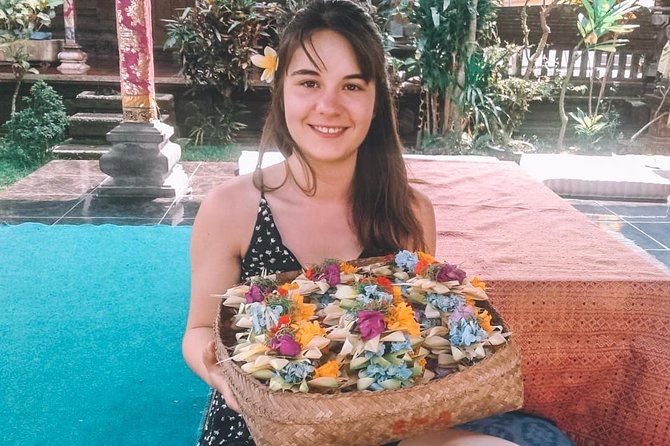
The tour meets you with pickup and drop-off, covering areas that include Jimbaran, Ubud, Denpasar, Nusa Dua, Sanur, Seminyak, Legian, Kuta, Benoa Harbor, and more. This matters most if you’re staying outside the immediate Jimbaran center, because the cooking location is in Klungkung.
Expect travel time to be part of your day. In similar Balinese experiences, you may spend roughly an hour and a half getting out there depending on your pickup zone and traffic. Plan accordingly: this is not a quick in-and-out activity.
Also, because Bali markets open early, your timing affects the quality of the market tour. If your day starts late, you might still cook, but the market component can feel smaller or rushed. If you’re choosing an early slot, I’d treat it like any early morning plan: confirm details, be ready on time, and keep your schedule buffer.
The Morning Market Lesson: Where You Learn to Think Like a Cook
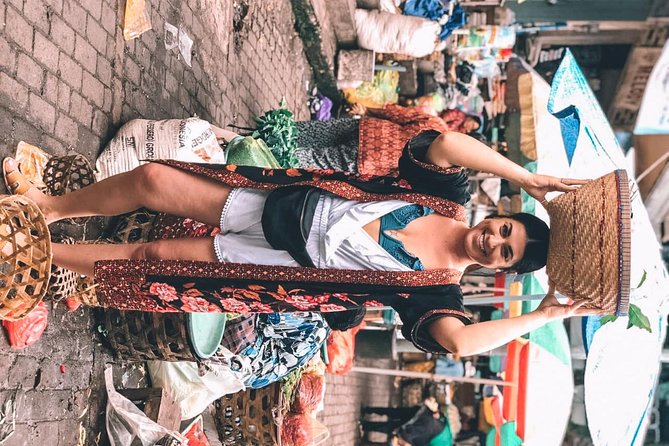
For morning bookings, the day begins with a trip to a local market. Bali markets open early, and this part is more than shopping. It’s where you learn how local cooks look at ingredients.
Here’s what you should expect to practice:
- The chef explains Balinese tastes and customs as you move through the market.
- You look at local meat, fish, and produce in context, not in packaged form.
- You learn what to select and what to reject.
- You try Balinese-style bargaining and get comfortable asking for the right items.
This is the biggest value add if you want to cook at home later. Most cooking classes teach recipes and skip the purchasing logic. But in Bali, choosing ingredients is part of the cooking skill. You’ll also better understand why some dishes taste the way they do—because the ingredients are being chosen for specific results.
One caution: timing matters. If your pickup is late, the market may be less than fully open by the time you arrive, and you lose some of the hands-on lesson. If you’re relying on the full market experience, pick a start time that gives you breathing room and stay on top of communication the day before.
Back of House to You: The Hands-On Cooking Portion
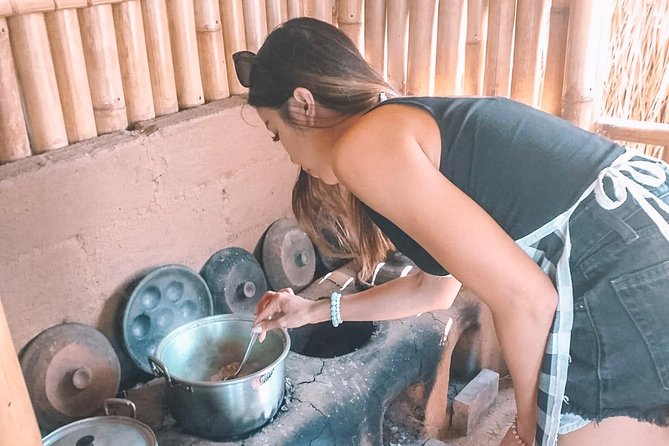
After the market, you shift into the kitchen. This is where the experience becomes fun instead of educational.
You’re not watching from the side. You’ll have your own cooking station and utensils, and you’ll prepare and cook all of the dishes yourself. The class runs in English, so you can ask about substitutions, spice levels, and technique without playing kitchen charades.
The cooking portion includes classic Balinese dishes such as:
- Satay
- Nasi goreng
- Black rice pudding
What I like about this menu is balance. You get savory dishes where spice and aromatics matter, plus a dessert that shows how Balinese cooking can be both comforting and distinctly local. You’re also learning techniques you can reuse later, like handling spice mixes, building flavor in stages, and timing components so everything lands at the right moment.
You can also read our reviews of more tours and experiences in Jimbaran


The Setting: Views and Atmosphere Matter More Than You Think
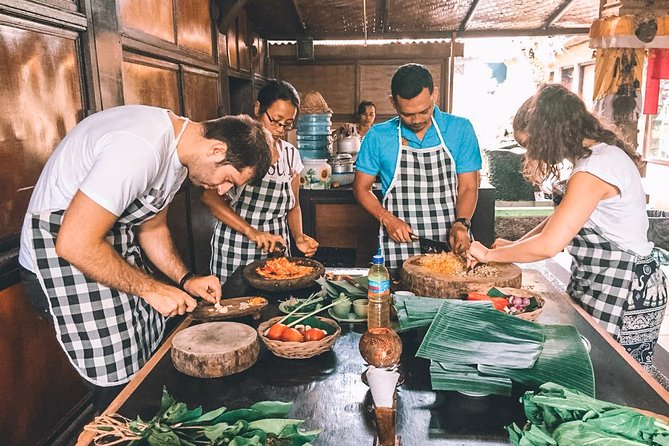
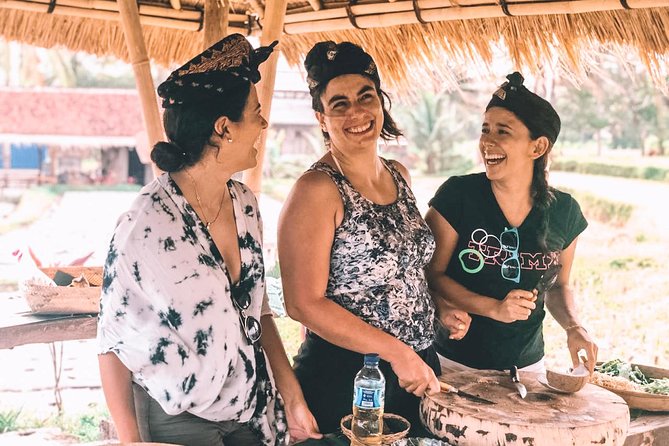
The cooking location in Bakas, Klungkung can feel special in a very practical way. Some days, you’ll get views like rice fields nearby and a sense of greenery around you while you cook. That makes a difference because you’re spending hours together, and a nice setting keeps the day from feeling like a chore.
If you’re hoping for a scenic day, you’ll likely appreciate that the environment supports the mood. You’re eating real food and moving through the full cycle—market to kitchen to meal—so having a pleasant backdrop makes the whole flow more memorable.
Your Meal: Eating What You Made
At the end, you eat what you cooked. This isn’t a token tasting either. The meal is the payoff for the market lesson and the cooking work you put in.
This is where the class turns into something you’ll remember when you’re back home. Cooking teaches through repetition and correction. Eating confirms whether the flavors actually clicked. And because your dishes include both familiar and Balinese-forward items, you’ll have a good range to compare in your head.
Also, cooking together in a small group keeps the meal social. With a max of 10, it’s easier to talk with others and get clarity from the chef without being herded through like a conveyor belt.
Who This Is For (And Who Should Skip It)
This class is ideal if you want more than a dinner with a story. You’ll be happiest here if you:
- Want to learn hands-on cooking in English
- Like markets and want to understand what to buy and why
- Care about spice and technique, not just ingredients
- Prefer small group instruction
You might want to consider a different option if you’re very time-sensitive and can’t handle early pickup variability. The market component is a core feature, and if your day doesn’t start cleanly, you may feel like that part was shortened.
Practical Tips to Get the Best Day Possible
A few small moves can make a huge difference in a market-and-cook format:
- Go hungry for the market stage. You’ll be tasting ideas, smelling spices, and then cooking your meal. If you snack too early, the day can feel mentally flat.
- Ask about spice and substitutions. Since the class is in English, use that. Even one or two answers will help when you try to recreate dishes later.
- Keep an eye on timing for early starts. The market lesson depends on market hours. If you’re booking early, make sure you’re ready for pickup.
- Be open to bargaining as a learning tool. Even if you don’t love the back-and-forth, it helps you understand local value and why ingredients cost what they cost.
And one more: don’t treat the class as only a recipe hunt. Treat it as a method lesson. If you learn how the chef thinks, you can adapt the recipes later to what you can find at home.
FAQ
FAQ
How long is the cooking class?
It runs for about 6 hours.
Where does it take place?
The cooking class is in Bakas, Klungkung, Bali.
Do I get pickup and drop-off?
Yes. Round-trip transfers are included from many areas in south Bali and nearby locations such as Ubud and Denpasar.
Is the market tour included?
For morning bookings, the day starts with a trip to a local market. The market tour is part of the experience.
What dishes will I cook?
The class includes Balinese dishes such as satay, nasi goreng, and black rice pudding.
How many people are in the class?
It’s limited to a maximum of 10 participants.
Is the class taught in English?
Yes, the cooking class is conducted in English.
What if I cancel?
You can cancel for a full refund up to 24 hours before the experience’s start time.
Should You Book This Balinese Cooking Class?
If you want a real cooking day with a market lesson and you like learning through doing, I think it’s a strong pick for Bali. The hands-on format, small group size, and included transfers make it easy to commit without juggling logistics. And the dish lineup is varied enough that you’ll likely bring home a few techniques you’ll actually use.
I’d book it especially if a morning market experience is on your wishlist. Just be mindful of early timing: start times matter here because the market is part of the core value. If you keep your schedule flexible and communicate clearly about pickup, you’ll set yourself up for a day that’s equal parts education and delicious food.