REVIEW · SEMINYAK
Bali Full-Day to Exploring The Most Popular Bali Temples Tour
Book on Viator →Operated by Telaga Waja Rafting Bali · Bookable on Viator
Temple time in Bali, without the stress. This full-day Seminyak tour strings together Kehen, Besakih, Tirta Empul, Gunung Kawi Sebatu, and Goa Gajah, with pickup, an air-conditioned ride, and a professional English-speaking driver. I love that all entrance tickets are included, and I also like the holy-water focus at Tirta Empul and Gunung Kawi Sebatu. One drawback to plan for: if Kehen Temple is affected by restoration work, your driver may swap in an alternate stop, so keep your schedule flexible.
It’s also a real private setup: your group is the only one in the vehicle. That means you can ask for small timing tweaks and move through each site without the rhythm of a big bus crowd.
The day runs about 9 to 10 hours, so it’s not a quick snack tour. Bring sunscreen, use a camera app you trust, and go in with smart-casual clothes while expecting temple rules to vary by stop.
In This Review
- Key points to know before you go
- A temple circuit that fits a full day from Seminyak
- Price and logistics: what $90 really buys
- Private tour comfort: why your group matters
- Kehen Temple: steep steps and a Hindu focus on the Trinity
- Besakih Temple: Bali’s Mother Temple and the middle-of-the-day break
- Tirta Empul: purification pools and the power of sacred water
- Gunung Kawi Sebatu: a water temple dedicated to Vishnu
- Goa Gajah (Elephant Cave): archaeology at the end of the day
- The village passes: wood carving, weaving, and metalwork glimpses
- What to wear and bring for a smooth temple day
- Timing, weather, and small plan changes that actually help
- Who this tour is best for
- Should you book this Bali Full-Day Temples Tour?
- FAQ
- What’s included in the Bali temples tour price?
- Is this tour private?
- Which temples are visited on this full-day tour?
- How long does the tour last?
- Is lunch included?
- Can I request a vegetarian meal?
- What should I wear or bring?
- What happens if weather is poor?
Key points to know before you go
- Private, just-your-group vehicle keeps the pace calm and conversation easy
- Entrance fees are included for every temple stop on the route
- Tirta Empul’s purification waters are the day’s most memorable ritual experience
- Besakih lunch with views adds a relaxed break in the middle of the circuit
- En route village passes include wood carving, weaving, and gold-and-silversmith areas
- Plan for flexibility on closures since restoration work can affect specific sites
A temple circuit that fits a full day from Seminyak
If you want Bali temples that feel meaningful (not just a checklist), this route gives you variety in one day. You start up high with Kehen, move to the grand scale of Besakih, then shift to water-and-ritual stops at Tirta Empul and Gunung Kawi Sebatu, before ending at Goa Gajah, an archaeological site tied to Bali’s older layers of culture.
The big practical win is flow. Instead of bouncing around on your own, you’re handed a sequence that makes sense geographically and spiritually. And because it’s private, you don’t have strangers filling your space while your guide tries to herd everyone through lineups.
You can also read our reviews of more tours and experiences in Seminyak


Price and logistics: what $90 really buys
At $90 per person, the price looks fair when you remember what’s bundled. You’re not just paying for a driver. You get an air-conditioned vehicle, hotel/villa pickup and drop-off in the Seminyak area, petrol and parking, taxes and services, and—most important—all entrance tickets for the listed temples. You also get a buffet lunch option (only if you select it).
Here’s how I think about value on tours like this:
- Entrance fees add up fast across multiple sites.
- A temple route is exhausting if you’re also paying for taxis between every stop.
- The private vehicle turns a stressful day into a manageable one.
If you’re traveling as a pair or small group, this can be a strong “one-and-done” day. If you’re the type who loves wandering slowly and doesn’t like being on a set schedule, you might feel the timing pressure. But for most people, a 9–10 hour plan is just about right.
Private tour comfort: why your group matters
This is labeled as a private tour, meaning there’s no other participant in the vehicle—just you and your party. That sounds like a small detail, but it changes your whole experience in Bali temple country.
With a private ride, you can:
- ask the driver to adjust timing based on what your group needs that day
- spend extra minutes at a site without making everyone else wait
- ask practical questions in the moment, with a driver who’s also acting as a guide
You also get an English-speaking guide, which helps when you want more than a quick photo stop. Even when the sites are visually stunning, the meaning behind them is the real payoff—and that’s where a good guide earns their keep.
Kehen Temple: steep steps and a Hindu focus on the Trinity
Kehen Temple is a sacred spot dedicated to Hindu gods Shiva, Brahma, and Vishnu. It’s also visually striking because the temple sits above a steep slope, so you climb up through stone stairs before you reach the entrance gate.
This stop is about more than scenery. Kehen gives you a feel for how Bali’s temple worship can look in motion: worshippers burn offerings on a small hearth, and the whole place carries a lived-in spiritual rhythm rather than a staged tourist vibe.
One practical note: the stair approach means comfortable footing matters. And based on what can happen on the ground, closures can occur due to restoration work. In one past outing, the driver Ketut said Kehen couldn’t be visited and swapped in an alternate stop instead (Ulu Petanu waterfall). So treat your plan as flexible, not fragile.
Besakih Temple: Bali’s Mother Temple and the middle-of-the-day break
After Kehen, the route heads to Besakih, often described as Bali’s Mother Temple. Besakih is a major Hindu temple complex and one of the most popular places to visit on the island. You’ll feel the scale here. It’s not just one courtyard; it’s a temple complex that encourages you to keep moving and noticing details as you go.
This is also where your day gets a breather. After exploring, you’ll have lunch in the Besakih area. In particular, the lunch location has a reputation for being scenic, and the food quality is part of what makes the break feel worth it rather than a rushed pit stop.
For me, the best part of placing lunch here is mental timing. After a temple morning, you get a chance to reset before the water-focused stops. You’ll come back sharper for Tirta Empul and Gunung Kawi Sebatu, which are more active and ritual-heavy.


Tirta Empul: purification pools and the power of sacred water
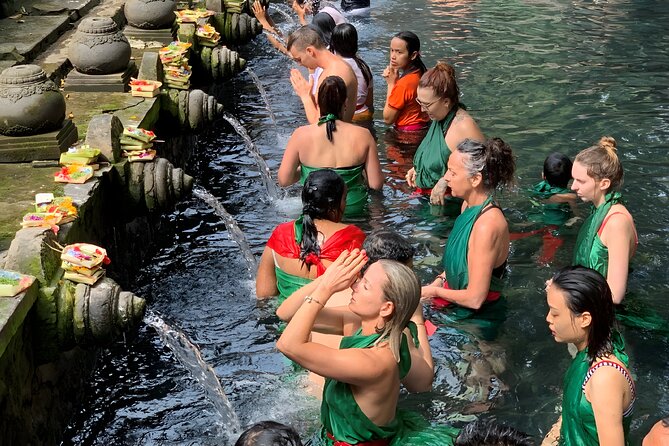
Tirta Empul Temple is built around a holy water spring. Even if you only remember one thing from this tour, make it this: the water at Tirta Empul feeds purification baths, pools, and fish ponds around the outside perimeter.
This stop is vivid because it’s sensory and interactive. You can watch how people approach the waters with intention, and the environment feels ordered by ritual. It’s not all about big views. It’s about what the water is used for—cleansing rituals that are part of the temple’s purpose.
Spend your time here with a calm pace. If you’re taking photos, be respectful and avoid blocking paths around the purification areas. A little patience goes a long way at Tirta Empul because people are often moving slowly for a reason.
Gunung Kawi Sebatu: a water temple dedicated to Vishnu
Gunung Kawi Sebatu shifts the tone from Tirta Empul. It’s a Hindu water temple dedicated to Vishnu, with the idea that Vishnu is the ruler over water.
The setting helps explain the theme. The site is located in a dip in the land, and it’s surrounded by stonewalls on three sides. That layout changes how the space feels—you don’t just look around; you sense the enclosure and the importance of the water element in the overall design.
This stop is a good “bridge” between ritual cleansing and the final historical site. It gives you another viewpoint on water as worship—one more reason this tour isn’t just five temples in a row. It’s a connected story.
Goa Gajah (Elephant Cave): archaeology at the end of the day
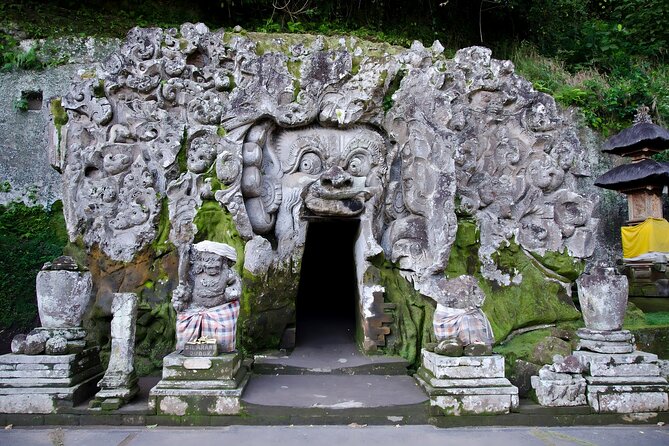
Goa Gajah Temple—also known as Elephant Cave—is the tour’s historical closer. It’s an archaeological site with significant historical value, and that’s what makes it different from the other stops.
While temples like Tirta Empul make you feel present in current ritual, Goa Gajah asks you to think backward. It’s located on the cool western edge of the Bedulu village area. That geographical hint matters because it suggests a different kind of setting and mood than the mountain-and-steps feel of Kehen and Besakih.
If your legs are tired by the end of the day, this is still worth it, because the payoff is more about meaning and atmosphere than just climbing or walking through a long sequence of areas.
The village passes: wood carving, weaving, and metalwork glimpses
Even though the official tour time centers on the temples, you also pass several types of traditional areas: a traditional village, a wood carving village, a gold and silversmith village, and a hand weaving village.
These short passes can be surprisingly useful. They give you context for what you’re seeing later back in town—why Bali’s crafts and temple aesthetics go together. You’ll probably notice how artisanship shows up in details, colors, and everyday objects.
Don’t expect a full market tour here. This is more about quick cultural contact while you’re moving between sites. But it adds texture to the day and helps the temples feel less isolated from daily life.
What to wear and bring for a smooth temple day
The dress code is smart casual. That’s intentionally broad, so use common sense: comfortable shoes matter because you’ll walk through temple approaches and uneven areas. Pack sunscreen since you’ll be outside for hours, and bring a camera.
If you’re selecting lunch, you can also request a vegetarian option at booking. That’s a big deal for comfort on a long day—no one wants to hunt for food after a full circuit of temples.
Also, bring patience for timing. The tour runs 9 to 10 hours, and you’re stacking multiple active sites. This isn’t a sit-down museum schedule. It’s a living landscape.
Timing, weather, and small plan changes that actually help
This experience requires good weather. If it gets canceled due to poor weather, you’ll be offered a different date or a full refund. That part matters because temple visits can be slippery or unpleasant in bad conditions, and outdoor walking is the core of this day.
You’ll also have flexible time arrangement based on your request. In practice, that means if your group wants a slightly different pace—more time to look, less time to rush—the driver can often accommodate within the overall plan.
And remember: site access can change. Restoration work can affect specific temples, and your driver (like Ketut in one example) may offer an alternate stop if needed. Treat flexibility as part of the experience, not a problem.
Who this tour is best for
This Bali temples tour is a strong fit if:
- you want a one-day route that covers multiple famous temples without figuring out transport
- you care about context, not just photos
- you prefer the comfort of hotel pickup and door-to-door drop-off
- you like a structured day that still leaves room for small adjustments
It’s also a good option if you’re staying in Seminyak and don’t want to spend your limited time bargaining for rides across the island.
If you hate schedules and want total freedom to roam at your own tempo, consider doing fewer stops and adding extra time around one or two temples. But if you like a curated circuit, this hits a sweet spot.
Should you book this Bali Full-Day Temples Tour?
I’d book it if you want a practical temples day with real value: multiple major sites, included entrance tickets, private transport, and a mid-day lunch option. The route makes sense thematically too, with water-and-cleansing experiences standing out as more than just photo backgrounds.
Skip or reconsider if:
- your group needs a very slow pace with no changes
- you’re traveling with very limited walking tolerance (because you’ll face stairs and uneven temple grounds)
- you’re hoping for a deep cultural immersion program at each village (this day is temple-focused, with village passes as glimpses)
Overall, this is a well-packed full day. You’ll leave with a better sense of how Bali’s sacred spaces connect—step by step, water by water, and history by history.
FAQ
What’s included in the Bali temples tour price?
The tour includes a private vehicle (air-conditioned), a professional English-speaking driver, all entrance tickets for the listed temples, a buffet lunch if you select that option, petrol and parking fees, taxes and services, and hotel/villa pickup and drop-off in the Seminyak area.
Is this tour private?
Yes. This is a private tour/activity, which means only your group participates, with no other participants in the vehicle.
Which temples are visited on this full-day tour?
The itinerary includes Kehen Temple, Besakih Temple, Tirta Empul Temple, Gunung Kawi Sebatu Temple, and Goa Gajah Temple (Elephant Cave).
How long does the tour last?
The duration is approximately 9 to 10 hours.
Is lunch included?
Lunch is included only if you select the buffet lunch option.
Can I request a vegetarian meal?
Yes. A vegetarian option is available if you advise at booking.
What should I wear or bring?
Dress smart casual. Bring sunscreen and a camera.
What happens if weather is poor?
The tour requires good weather. If it’s canceled due to poor weather, you’ll be offered a different date or a full refund.