REVIEW · TANJUNG BENOA
Bali Traditional Dance, Waterfall and Hindu temple with lunch
Book on Viator →Operated by Bali Charm · Bookable on Viator
A temple, a dance, then a waterfall.
This private day trip strings together Balinese arts, religion, and nature into one easy route, with a driver picking you up from your hotel or the port and handling the entrance fees for you. You’ll also get to choose the craft stop, from Celuk gold to batik making, and finish with temples in and around Ubud’s cultural heart.
What I really liked most were the Barong & Kris dance storytelling and the rice-field lunch in Kemenuh, which feels like a breather between the heavier temple stops. I also like that the guide can shift the plan if you’ve already seen something on a different tour.
One possible drawback: it’s a full 7 to 8 hours with multiple stops, so if you prefer slow travel with fewer transitions, this schedule may feel like a lot.
In This Review
- Key Things To Know Before You Go
- A Private Day With Real Balinese Variety
- 8:15am Pickup and the Guide Factor
- Barong & Kris Dance: Good vs Evil, Told With Movement
- Choosing Your Craft Village: Celuk, Mas, Tohpati, or Batuan
- Tegenungan Waterfall: Photos and Cool Water Time
- Kemenuh Lunch With Rice-Field Views
- Goa Gajah Elephant Cave: Old Stone in a Quiet Setting
- Pura Puseh Desa Batuan: Tri Kahyangan and Split Gates
- Legong Fine Art of Batik: Watching Cloth Work Up Close
- Price and Value: Is $65 a Fair Deal?
- Who This Tour Suits Best
- Should You Book This Bali Traditional Dance, Waterfall and Temple Day?
Key Things To Know Before You Go
- Private door-to-door pickup from your hotel or the port, with an air-conditioned vehicle
- Barong & Kris dance focuses on the fight between good and evil (Barong vs. Rangda)
- Craft village choice can be tailored: Celuk, Mas, Tohpati, or Batuan
- Tegenungan Waterfall gives you time for photos, cooling off, and even a bath
- Included lunch at a local spot with rice-field views
- Two temple stops plus an Elephant Cave visit for a strong religion-and-architecture day
A Private Day With Real Balinese Variety
This tour works because it’s not just one thing. You get a performance, an art-making stop, a nature break, and then temple visits that explain how Balinese daily life mixes religion with craft and routine. The driver starts you early at 8:15am, which helps you beat crowds and keeps the day from dragging.
The tour is private, but it still runs like a smooth local itinerary. Your group is the only group in the vehicle, with a capacity up to 6 people in a regular car or up to 12 in a bigger Hiace. If you’re traveling with family or friends who want one shared day plan, this setup is practical and usually less stressful than figuring out transport on your own.
One detail I appreciate: entrance tickets and site fees are included. That sounds boring until you’re actually in Bali trying to collect the right admissions for multiple stops. Here, it’s handled as part of the package.
You can also read our reviews of more tours and experiences in Tanjung Benoa.



8:15am Pickup and the Guide Factor
You’ll meet at Bali Charm – Day Tours, with pickup around 8:15am from your hotel or the port. That timing matters. You’ll have more daylight for photos at the waterfall and better momentum for the temple sequence.
What makes the day feel better than a checklist is the guide approach. In particular, Wayan stands out for being friendly and very good at explaining what you’re seeing. The big win: he’s flexible. If you’ve already visited a temple earlier in the trip, he can swap in an alternative so you still get a full day without repeating the same site.
That flexibility is worth something. Bali is full of overlapping experiences, and a smart guide prevents your day from becoming redundant.
Barong & Kris Dance: Good vs Evil, Told With Movement
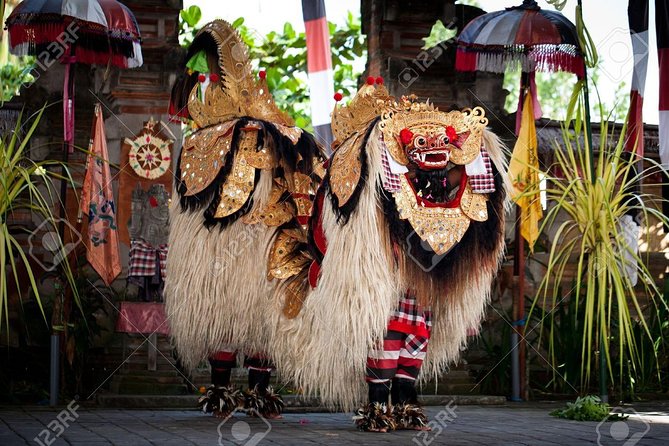
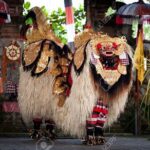
The heart of the morning is the Barong & Kris Dance, a traditional performance built around a battle between good and evil. In the story, Barong represents the good side, while Rangda plays the evil counterpart. It’s not a lecture. It’s theater with Balinese symbolism—so you feel the narrative, not just hear it.
Expect about 1 hour at the dance. This is a good stop early in the day because it sets the cultural tone before you start walking through places of worship. The performance also makes a nice contrast to craft villages. After watching hands and materials at work, you switch to watching how stories and beliefs become body movement.
If you like art that’s readable at first glance, you’ll probably enjoy this. Even when you don’t know every symbol, the big theme comes through clearly.
Choosing Your Craft Village: Celuk, Mas, Tohpati, or Batuan
After the dance, you head to a craft-focused stop where you choose what to prioritize. The tour is designed so you can pick based on your interests:
- Celuk Village for gold and silver handicrafts
- Mas Village for wood carving
- Tohpati Village for batik
- Batuan Village for painting
This is where the tour can feel more personal than typical group programs. Instead of forcing everyone into the same shop-and-stroll path, you can steer the day toward the kind of craft you actually want to see up close.
A practical note: the stop is about 1 hour, so you’ll get a look and some explanation, but it won’t turn into a slow, workshop-style experience. If you’re the type who wants to watch every tiny step for a long time, consider spending a bit of your own time after the stop if shopping and demonstrations are your thing.
Also, keep an eye on your priorities: you’ll later see batik-making again during the final art stop. If batik is your top interest, you might choose a different craft village earlier to avoid feeling like you repeated the same theme.
Tegenungan Waterfall: Photos and Cool Water Time
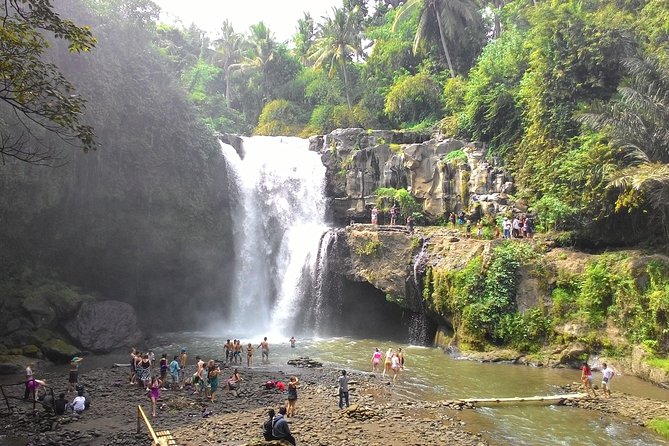
Then comes Tegenungan Waterfall, with about 1 hour on site. The big draw here is simple: scenery, fresh air, and that rare Bali moment where you’re not indoors and you can breathe.
The tour includes time to take a bath there. That matters because it changes how you should pack and plan. If you want to actually enjoy the water, bring swimwear and something to rinse off later. If you don’t want to get wet, you can still enjoy the views and photos, but you’ll want comfortable footwear for uneven ground.
Waterfall stops can be tricky in any destination—slippery edges and the ever-present problem of crowds. Your best strategy is to keep your pace flexible. Give yourself a few minutes to settle in, find a safe spot for photos, then decide if you want to go closer for a swim.


Kemenuh Lunch With Rice-Field Views
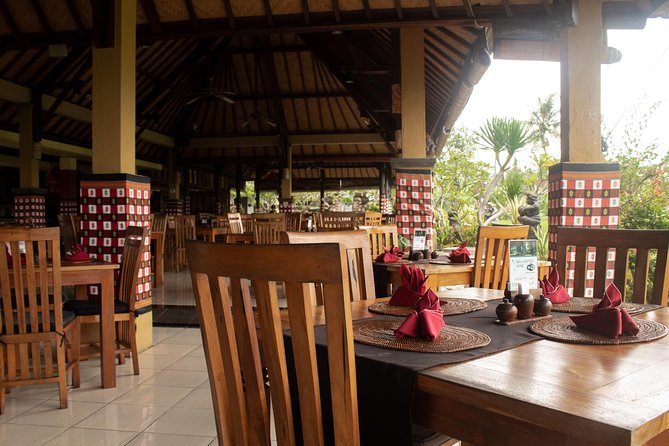
Lunch is at a local restaurant in Sumampan Kemenuh village, with about 1 hour to eat. The standout here is the setting: you get rice-field views, which turns the meal into more than just fuel.
In a day with dancing, crafts, and temple walking, this lunch stop is a reset button. It’s the moment you slow down and take in the countryside without moving. That’s a real value for a 7 to 8 hour program.
This is also a good time to recharge your phone and hydrate. The tour includes bottled water, but you’ll still want to drink steadily, especially if the day is hot or humid.
Goa Gajah Elephant Cave: Old Stone in a Quiet Setting

Next is Goa Gajah, also known as Elephant Cave Temple. It’s an ancient cave-like site with carved stone elements and high artistic and historical value. You’ll spend about 1 hour here, which is enough time to look around and understand the basic feel of the place without rushing.
Cave temples have a different mood than open-air sanctuaries. There’s often a sense of age and atmosphere, and the stonework tends to reward slow looking. If you enjoy religious architecture—stone guardians, carvings, and the way worship spaces are shaped—this stop is a strong anchor for the day.
One thing to watch for: caves can feel dim compared to the bright outdoors. If you’re taking photos, give your camera/phone a moment to adjust exposure so you don’t miss the details.
Pura Puseh Desa Batuan: Tri Kahyangan and Split Gates
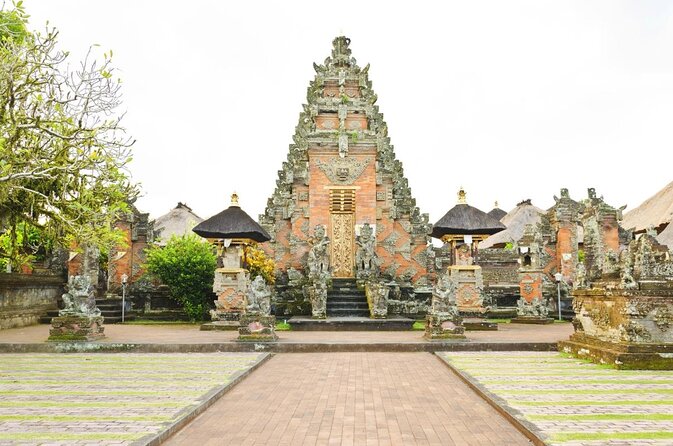
After Elephant Cave, the tour heads to Pura Puseh Desa Batuan, one of the most popular and beautiful village temples on the route. It’s connected to the three major temples in the area, known as Tri Kahyangan.
The architecture here gets specific in a helpful way. You’ll see split gates and stone guardians, classic Bali design elements that make the entrance feel ceremonial rather than just decorative. The stop is about 1 hour, which works well because you can absorb the layout, take photos, and appreciate the stone forms without feeling rushed.
If you’re someone who likes to understand the meaning behind the structure, a good guide can make a big difference. With Wayan, the temples tend to feel explained, not just visited.
Legong Fine Art of Batik: Watching Cloth Work Up Close
To wrap up the day, you’ll visit Legong Fine Art of Batik, where you can see the process of making batik (Balinese traditional cloth). This stop is about 1 hour and is a great final note because it ties the whole trip together: dance (storytelling), crafts (hands working), temples (belief spaces), and batik (heritage applied to everyday materials).
If you chose a craft village earlier, you can use this batik session to fill gaps. If your early craft choice wasn’t batik, this becomes the perfect follow-up. If you did choose batik earlier, then treat this stop as a comparison: what techniques and styles you saw first versus what you see at the fine art workshop.
This is also one of the better points in the day to buy something if you want a handmade souvenir. You’ll have just enough context to spot quality and understand the time involved.
Price and Value: Is $65 a Fair Deal?
At $65 per person, this is the kind of Bali tour that can feel either like a bargain or a splurge depending on what’s included. Here’s the value math that matters: pickup and drop-off, an air-conditioned vehicle, bottled water, parking fees, fuel surcharge, and entrance fees are all included.
So you’re not paying extra on top for ticket chaos. And since the day includes multiple paid sites—dance performance, waterfall admission, and temple entries—those “small” add-ons can pile up fast if you’re self-planning.
It also runs as a private itinerary. That means you’re not sharing the flow with strangers trying to squeeze photos at every stop. If you care about having a day that stays focused on your interests, that privacy is part of the value.
For couples or small groups, the price tends to work well. If you’re a solo traveler, it still can make sense because it buys convenience and a guide. The only time I’d hesitate is if you already know you’ll spend most of the day sitting out at one location. The tour is built for moving and seeing.
Who This Tour Suits Best
This day tour is a strong match if you want:
- Culture with structure: dance, crafts, temples, and a nature stop in one day
- A guide-led version of Bali that’s easier than arranging transport
- A single lunch with rice-field views instead of hunting for food between sites
- Craft variety, since you can choose between Celuk, Mas, Tohpati, and Batuan
It may be less ideal if you prefer long stretches of downtime, or if you already visited most of these temple sites earlier in your Bali trip. Still, the guide’s flexibility can help fix that issue by adjusting the temple choice.
Should You Book This Bali Traditional Dance, Waterfall and Temple Day?
I’d book it if you want a full, well-paced day that blends Balinese art and religion without the self-drive headache. The combination of Barong & Kris dance, a craft-village choice, time at Tegenungan Waterfall, and temple stops around Goa Gajah and Pura Puseh Desa Batuan makes for a day that feels complete rather than random.
Also, if you like having a real human lead the day, Wayan’s style is exactly the kind of guide value that makes tours worth it. He’s friendly, explains what you’re seeing, and can adjust if you’ve already done one temple.
One final check before booking: plan for a warm, active day. If you’re good with 7 to 8 hours of sightseeing, you’ll likely leave with photos, context, and a sense of Bali that goes beyond postcards.