REVIEW · UBUD
Kintamani Lake & Volcano Tour
Book on Viator →Operated by Tour East Indonesia · Bookable on Viator
Bali has a way of surprising you fast. This day trip packs Barong Dance drama, Goa Gajah’s eerie stone carvings, and the big payoff of Mount Batur and Lake Batur views into one 8-hour loop. I especially like how the guide keeps the day moving while explaining the why behind what you’re seeing, not just the what.
That said, your volcano photos depend on the weather. On misty or rainy days, the mountain can vanish behind cloud and you’ll get a more “smoke in the distance” version of the scenery instead of a crisp look at the black lava lines.
In This Review
- Key Highlights You’ll Actually Care About
- A Full-Day Bali Mix That Starts in the Right Place
- Price and Value: What $67.95 Gets You
- How Pickup and Timing Shapes the Day
- Barong Dance at Batubulan (Uma Dewi): The Myth Behind the Movement
- Mas Woodcarving Center: Watching Craft Instead of Just Buying
- Goa Gajah (Elephant Cave): A Strange Entrance and Quiet Temple Grounds
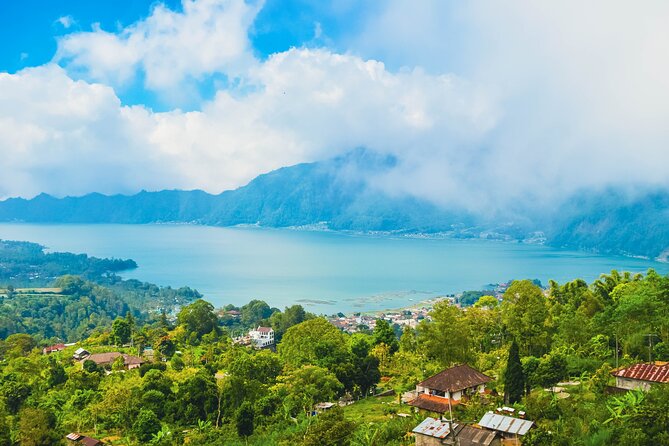
- Kintamani Highlands: Mount Batur and Lake Batur Are the Main Event
- Holy Springs: Healing Lore and a Short Story Stop
- Celuk Village (Ubud Area): Gold and Silver Making in Plain View
- The Not-So-Secret Part: Shopping Stops and the Commission Question
- Weather Reality: Why Your Volcano View Might Change
- Who This Tour Fits Best (and Who Should Skip It)
- Should You Book This Kintamani Lake & Volcano Tour?
- FAQ
- FAQ
- What’s the duration of the Kintamani Lake & Volcano Tour?
- What time does the tour start, and where does it end?
- Is hotel pickup included?
- Are tickets included for the stops?
- What about lunch and drinks?
- How big is the group?
Key Highlights You’ll Actually Care About
- Barong Dance (Uma Dewi): A myth-based performance with the good-vs-evil storyline that makes Bali’s rituals click.
- Goa Gajah (Elephant Cave): An 11th-century carved entrance and temple grounds that feel both strange and calm.
- Kintamani viewpoint: Mount Batur and Lake Batur in one stop, with lunch nearby at your own expense.
- Art stops that feel optional… until you’re in them: Mas woodcarving and Celuk gold/silver can include shopping pressure.
- Small group size: Max 15 travelers, which keeps photo lines and timing more manageable.
A Full-Day Bali Mix That Starts in the Right Place
You start the day in the Ubud orbit, then head out into Bali’s craft areas and highlands. The tour is designed like a sampler platter: culture (dance and temples), hands-on craft watching (woodcarving and metal work), then the main visual event—Mount Batur above the shimmering lake.
I like that the pace gives you multiple “Bali moods” instead of one long stretch of the same thing. In one day you can go from ornate temple carvings, to a dramatic performance, to volcanic scenery that makes you stop talking for a minute.
You can also read our reviews of more tours and experiences in Ubud.



Price and Value: What $67.95 Gets You
At $67.95 per person, this is the kind of tour that’s usually worth it if you want convenience plus a guided overview. You’re not just buying a bus ride. You get pickup and drop-off in many south Bali hot spots (Kuta, Seminyak, Sanur, Jimbaran, and Nusa Dua areas), an English-speaking licensed guide, and admission tickets for the listed stops.
The big thing to budget for: food and drinks are not included, and lunch is at your own expense in Kintamani. Some people also run into card-payment hassle at lunch spots when signal is weak, so I’d bring cash just in case. The reviews also point out that lunch can be pricey, so treat it like part of the cost of enjoying the view—not a bonus.
One more value factor: a lot of people love the guide experience here. I’ve seen guides like Guside, Anto, and Radi mentioned for being friendly and for explaining what you’re looking at in a way that makes the sites feel connected.
How Pickup and Timing Shapes the Day
You start at 8:30 am, usually with hotel pickup in an air-conditioned minivan. That’s a real plus in Bali, because the drive time adds up fast when you’re bouncing between Ubud-area culture and the Kintamani highlands.
The day runs about 8 hours. That means you’ll spend enough time to feel like you “did a lot,” but not enough time to linger at every doorway. If you’re the type who hates rushing, you’ll want to mentally prepare for a schedule that’s structured—especially around shows and ticketed entrances.
Small group size helps. With a maximum of 15 travelers, you’re less likely to get stuck in a huge bottleneck. Still, you should plan to be patient, because the day includes multiple stops that each have their own timing and entry pace.
Barong Dance at Batubulan (Uma Dewi): The Myth Behind the Movement
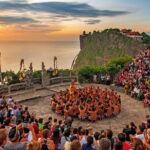
The tour kicks off with the Barong Dance in Batubulan. This is one of Bali’s best “culture intro” shows because it’s tied to myth and ritual themes—an eternal struggle between good and evil, with characters representing forces that Balinese storytelling keeps front and center.
I like that you’re not just watching dancing. The performance frames why people in Bali take these stories seriously. It also gives you the first taste of Bali’s theatrical style: costumes, big gestures, and a dramatic ending that feels like it’s building toward something important.
One practical note: some dancers’ performances in Bali can mean a lot of waiting time. If you’re sensitive to long sit-down stretches, bring something to do with your eyes—watch how the crowd reacts, or keep your camera ready for the strongest costume moments. A few reviews mention waiting can feel long, so treat the show as the centerpiece that eats time on purpose.
Mas Woodcarving Center: Watching Craft Instead of Just Buying
Next you head to Mas, the woodcarving village. The charm here is simple: you get to see artisans working with wood blocks, chipping out intricate designs right in front of you.
This is one of those stops that can either be a calming break or an exhausting retail funnel, depending on how you handle marketplaces. The good side: it’s genuinely interesting to watch skill being made in real time. The tough side: you may feel nudged toward purchases in craft settings, especially if you’re stopping at multiple art-style places in one day.
My advice: enjoy the watching. If you buy, buy intentionally and compare later. If you don’t want to shop, it’s okay to treat it as a “see it, learn it” moment and move on.

Goa Gajah (Elephant Cave): A Strange Entrance and Quiet Temple Grounds
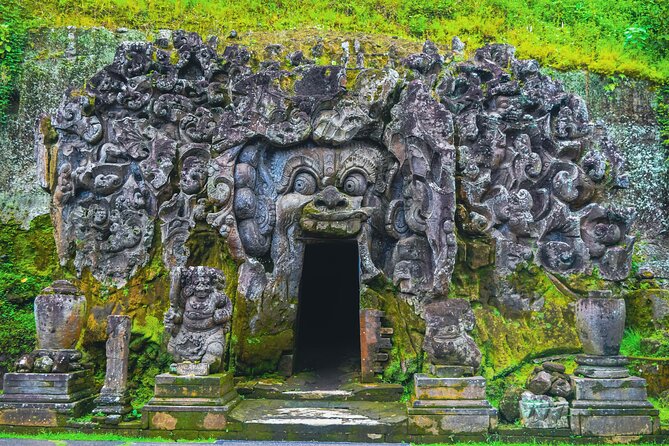
Then comes Goa Gajah, the Elephant Cave, dating back to the 11th century. This stop is one of the most “Bali-unique” on the whole day because it doesn’t feel like a polished show. It feels carved and ancient, with a dramatic entryway and temple grounds.
The stone features are the star. You’ll see carvings that include intertwined leaf forms, waves, animals, and shapes tied to local spirits. After you pass through the entrance, you’re in a more meditative walking zone, where the carvings and sacred atmosphere change the pace of the day.
Time-wise, you get about an hour at this stop. That’s enough to walk the grounds, absorb the carvings, and get a few photos without turning it into a full research trip. If you’re visiting during humid weather, wear shoes you can trust—stone paths can be slick.
Kintamani Highlands: Mount Batur and Lake Batur Are the Main Event
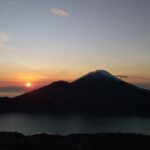
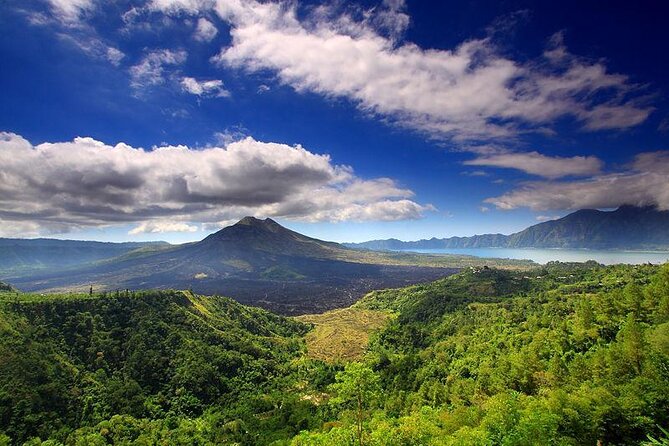
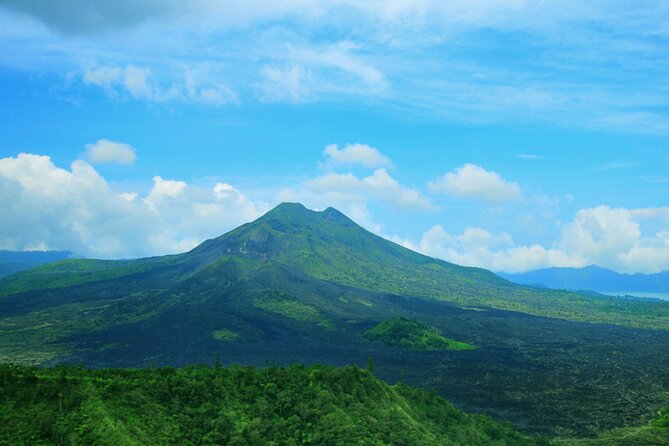
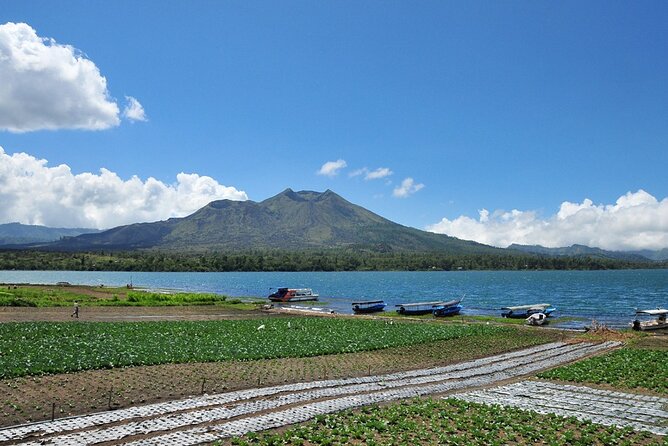
Now you’re in the highlands, where Mount Batur and Lake Batur take over the view. The volcano is active, and from the viewpoint you can see black lava running down the slopes toward the valley, with the lake sitting as a cool counterpoint.
Here’s the reality check: your experience hinges on cloud cover. Reviews mention rainy or misty conditions can hide the volcano, and even on clear days, you might not feel “close.” The viewpoint is about seeing the big picture, not doing a hiking-level encounter.
Lunch happens nearby in a restaurant with mountain and volcano views, but it’s own expense. Based on the feedback, lunch can be expensive and some places may not take card if the signal is bad. Bring cash, and if you have any dietary concerns, ask early before you commit—don’t assume the menu works the way it does at home.
If you want the best chance at great photos, keep an eye on the sky once you arrive. When the clouds break, take your shots fast.
Holy Springs: Healing Lore and a Short Story Stop
On the return, there’s a stop at the Holy Springs. You’ll hear about the water’s reputed therapeutic and healing properties, and you’ll get a quick look at the setting where people come for spiritual and wellness beliefs.
This is not a deep spa day. Think of it as a “why it matters” stop—another layer of Bali’s spiritual logic during the travel portion of the day. If you’re hoping for a long break, manage expectations: it’s more about story and place than time-consuming soaking.
Celuk Village (Ubud Area): Gold and Silver Making in Plain View
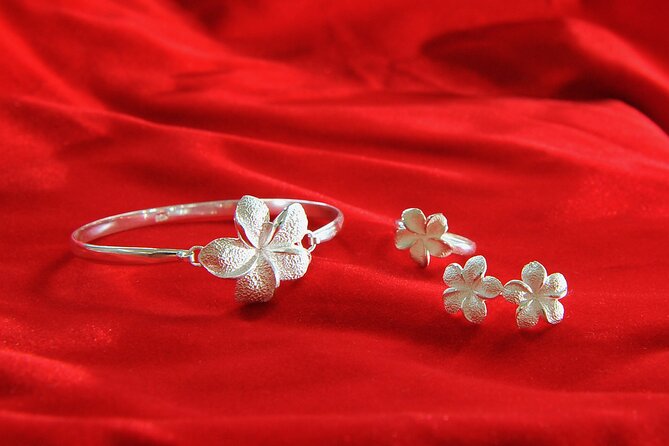
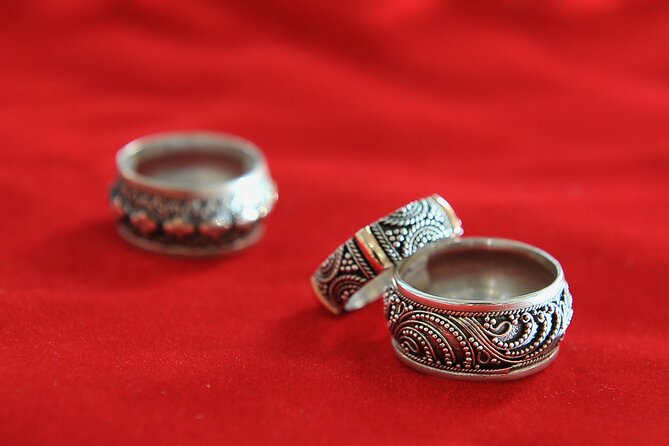
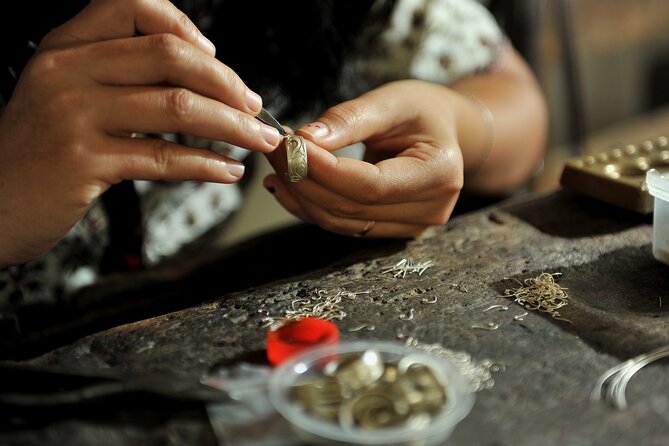
The final cultural stop is Celuk Village, known as Bali’s gold and silver making center. This is the craft part of Bali that looks almost industrial compared with the softer woodcarving vibe. You’ll see the shimmer and the work that goes into metal pieces that often end up as jewelry and gifts.
Like Mas, this stop can include a bit of shopping atmosphere. Even if you’re not buying, watching metalwork and finishing is interesting if you like details. And if you do plan to buy jewelry, consider this a “learn the craft” stop rather than the only chance to shop.
Some reviews mention they were able to find things cheaper elsewhere, so if price matters, don’t feel trapped. You have time later in Bali to compare.
The Not-So-Secret Part: Shopping Stops and the Commission Question
This tour is sold as a culture-and-scenery day, but the day also includes craft centers and shopping-heavy environments. Even when the shops feel connected to the craft villages, you can still end up feeling pressured—especially if you’re taken into extra studios that go beyond the main planned stops.
A few people were also surprised by added craft stops like batik or coffee plantation-type stops during their day. That’s not guaranteed for everyone, but it can happen depending on timing and group situation. The practical move is this: if you dislike shopping, say so early with your guide and keep your walk pace steady.
Also, be aware of potential pickup-related add-ons. One review mentions an extra hotel pickup charge collected in cash (due to location outside a normal pickup area). Before your tour day, ask your operator if any extra pickup fees apply to your hotel. That one question can save you an awkward moment at the curb.
Weather Reality: Why Your Volcano View Might Change
Batur is dramatic on clear days and… less dramatic on cloudy days. Mist can swallow the mountain, and rain can turn the view into a soft silhouette. If you’re booking this as your one big volcano plan, you’re taking a small gamble.
To handle that, plan to enjoy the day even if the volcano looks faint. The craft stops and Goa Gajah still land, and even when the volcano is muted, you’ll still get the highland atmosphere and the lake views.
Also: if the clouds roll in, don’t chase. Wait a bit at the main viewpoint area. Sometimes the view clears in gaps, and you only get the good moments if you stay put.
Who This Tour Fits Best (and Who Should Skip It)
This is a good fit if you want a guided, high-effort day that mixes Bali culture with real scenery, without organizing transport yourself. It’s also ideal for first-timers who want to understand why Balinese rituals, carvings, and craft villages matter.
Skip it if you:
- want a close-up volcano experience with less “viewpoint only” time
- hate shopping stops or feel uncomfortable in sales environments
- want a more temple-focused day with fewer craft stops
If your ideal Bali day is private, flexible, and designed around your exact interests, a personal driver can sometimes be the better value. Several reviews point that way for people who cared most about the volcano and lunch and less about the extra shopping stops.
Should You Book This Kintamani Lake & Volcano Tour?
I’d book it if you want one structured day that checks major Bali boxes: Barong dance, Goa Gajah, Mount Batur and Lake Batur, plus craft highlights in Mas and Celuk. The price makes sense because admission tickets and an English-speaking guide are part of the package, and pickup saves you from dealing with transport logistics.
I wouldn’t book it if you’re only coming for perfect volcano photos and can’t handle weather risk, or if you strongly dislike craft-shop environments. In that case, you’ll likely feel rushed and annoyed instead of delighted.
FAQ
FAQ
What’s the duration of the Kintamani Lake & Volcano Tour?
The tour runs about 8 hours.
What time does the tour start, and where does it end?
It starts at 8:30 am. It ends back at the meeting point.
Is hotel pickup included?
Pickup is included from major hotels in Kuta, Seminyak, Sanur, Jimbaran, and the Nusa Dua area. You should confirm if your hotel is outside those areas.
Are tickets included for the stops?
Yes. Admission tickets are included for the listed stops.
What about lunch and drinks?
Food and drinks are not included. Lunch is available at your own expense during the Kintamani highland stop.
How big is the group?
The maximum group size is 15 travelers.
If you want, tell me where your hotel is in Bali (and roughly where it sits: South Kuta, Ubud, Seminyak, etc.). I can help you judge whether pickup is likely smooth and what you should budget for lunch.