REVIEW · UBUD
Ubud: Monkey Forest, Rice Terraces & Sacred Temples
Book on Viator →Operated by Discova Southeast Asia · Bookable on Viator
Ubud is playful and sacred in one day. I like that this tour strings together Monkey Forest with temple visits and rice terraces, so you get a real sweep of what Ubud feels like. I also love the offering workshop, where you make a canang sari and learn why it matters in daily Balinese life.
The main thing to consider is the pace: it runs about 12 hours, and Monkey Forest is busy with hundreds of free-roaming macaques, so you’ll want to stay focused on your guide’s instructions.
In This Review
- Key highlights you’ll actually care about
- How the day flows: a 12-hour circuit that stays readable
- Goa Gajah (Elephant Cave): carved stone, ancient pools, and strong atmosphere
- Monkey Forest sanctuary: close macaques, temple nooks, and a need for attention
- Ubud Palace: royal design details without overkill
- Tegalalang Rice Terraces: classic green views, best treated as a viewpoint mission
- Mengening Temple: the quieter purification stop that adds meaning
- Canang sari offering workshop: hands-on culture, not just explanations
- The people make a difference: guide quality and how it shows up
- What’s included (and why it changes the value)
- Who this Ubud day trip suits best
- Should you book this Ubud Monkey Forest and temples tour?
- FAQ
- How long is the tour?
- What time does the tour start?
- Is hotel pickup and drop-off included?
- Are entrance fees included?
- Is there a mobile ticket?
- What’s included besides sightseeing?
- How large is the group?
- Can I get a full refund if I cancel?
Key highlights you’ll actually care about

- Small group size (up to 20) for easier questions and smoother timing
- Hotel pickup and drop-off plus an air-conditioned vehicle for a long day
- Entrance fees included at the major sites, so you can spend less mental energy on tickets
- Monkey Forest time with close-up views of the sanctuary’s mossy temples and carvings
- Tegalalang Rice Terraces in the early afternoon light for classic green-layer views
- Canang sari offering workshop that turns temple culture from watching into doing
How the day flows: a 12-hour circuit that stays readable
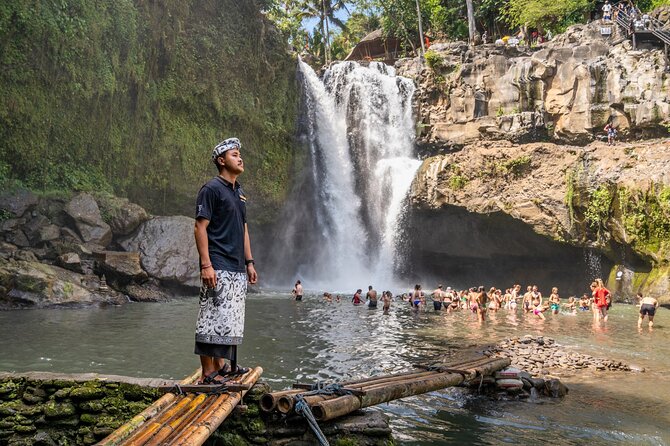
Start time is 9:30 am, with pickup from your hotel and a morning drive into Ubud’s cultural center. The whole trip runs about 12 hours, and the last stretch is a return to your hotel in the late afternoon or early evening. If you’re the type who hates rushing, this is still a full day, but it’s built around stops that are time-efficient without being a constant sprint.
What makes the flow work is the structure: you get a temple-and-history anchor early (Goa Gajah), then move into the iconic Ubud mix (Monkey Forest and the Ubud Palace area), and finish with the scenic viewpoint and a quieter ritual temple tucked into the jungle.
Because it’s a small group (maximum 20), I find you’re more likely to hear the guide’s explanations at each stop, instead of just being carried from one photo spot to the next.
You can also read our reviews of more tours and experiences in Ubud.


Goa Gajah (Elephant Cave): carved stone, ancient pools, and strong atmosphere
Goa Gajah is one of those sites that pulls you in fast. You start with the dramatic carved entrance, then move through the area with ancient bathing pools and surrounding temple ruins. The feeling here is less about view-taking and more about noticing details: the way the stonework frames the space, and how the site hints at how people used it long before modern crowds showed up.
This stop also works as a warm-up. After pickup and the morning drive, you’re not immediately thrown into the busiest-feeling attraction. You get time to orient yourself, listen to your guide’s explanations in English, and settle into the day’s rhythm.
One practical consideration: archaeological sites like this can mean more walking on uneven ground. Since the tour includes an air-conditioned vehicle for transfers, your main comfort issue will be how you handle the short, on-foot segments between stops.
Monkey Forest sanctuary: close macaques, temple nooks, and a need for attention
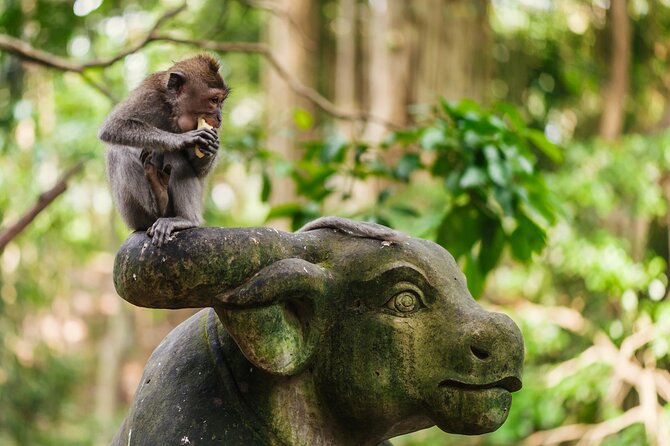
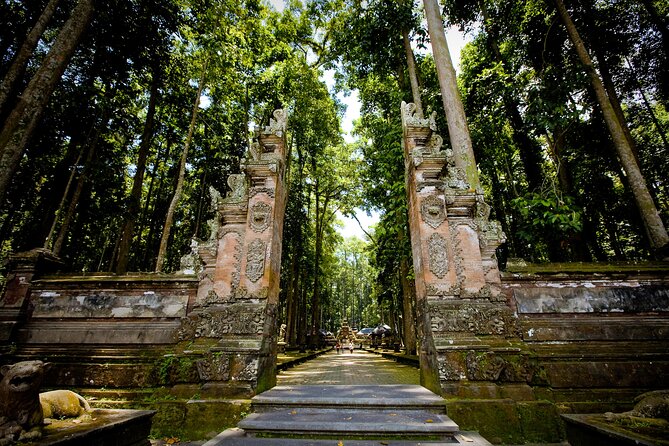
Then you head to the Ubud Monkey Forest sanctuary, described as a mystical jungle area with moss-covered temples, ancient stone carvings, and hundreds of free-roaming macaques. This is the stop where the tour gets its energy. Even when you’re not chasing photos, you’ll feel it: monkeys popping up near pathways, attention pulled in multiple directions, and a lot of movement around you.
The upside is obvious. The sanctuary lets you see macaques in their actual surroundings, not behind a fence or at a distance. You also get temple details tucked into the greenery, which makes it more than just a “look at monkeys” stop.
The drawback is also clear: because macaques roam freely, you should stay alert and follow your guide closely. In a place like this, the most helpful “strategy” is simple: keep your focus on where you’re walking and what you’re doing at the moment, rather than getting distracted by every animal at once. This is especially true for people who don’t love unpredictability.
Ubud Palace: royal design details without overkill
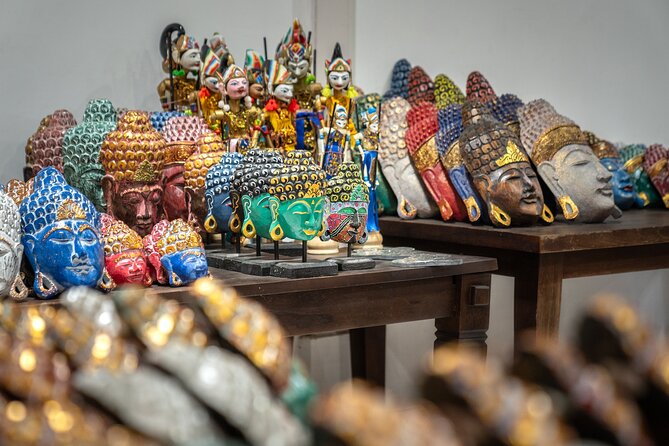
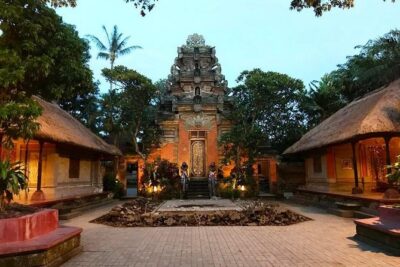
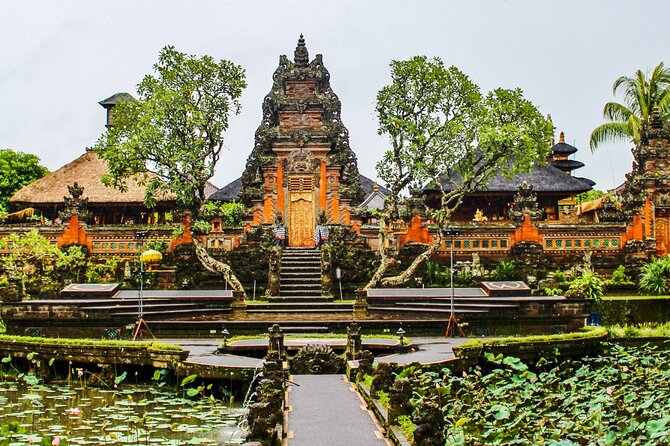
After Monkey Forest, the tour moves to the Ubud Royal Palace, one of the area’s most recognizable landmarks. Here, the emphasis shifts from wildlife to architecture: you explore the courtyard and intricate gateway elements that show traditional Balinese design.
What I like about placing this stop in the middle of the day is that it gives your brain a break. After animal-filled walking and then the open-air energy of rice terraces later, the palace section feels like a structured pause. You can slow down, look closely, and absorb the cultural context in a calmer setting.
It’s also a good stop for first-time Bali visitors because the palace helps connect the dots between religion, everyday life, and the built environment you’ll see throughout Ubud.
Tegalalang Rice Terraces: classic green views, best treated as a viewpoint mission
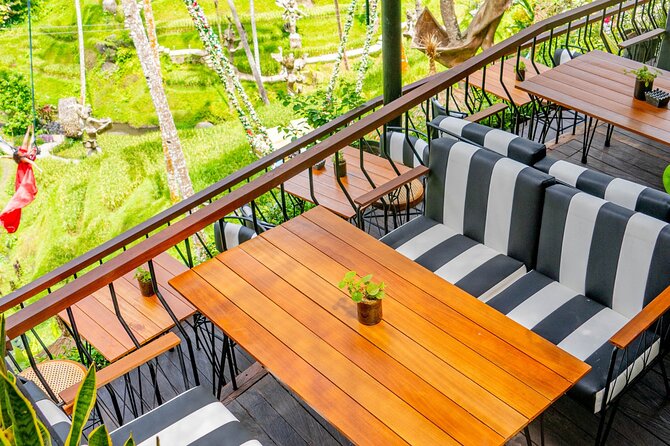
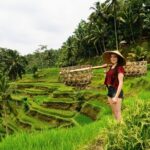
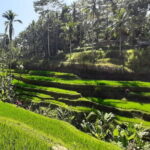
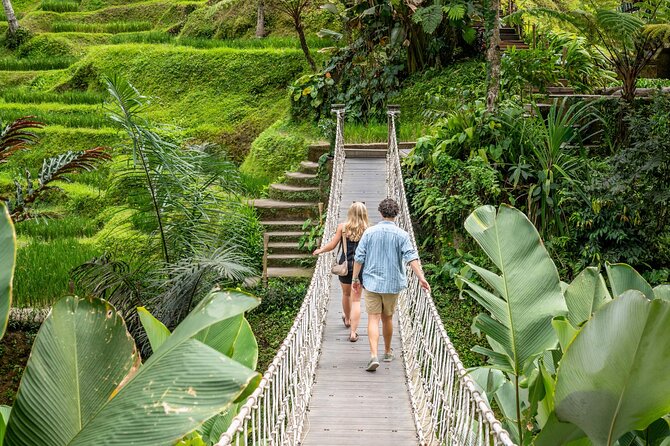
In the early afternoon, you go to Tegalalang Rice Terraces, one of Bali’s most photographed scenes. Expect sweeping layers of bright-green paddies carved into the hillside. This is the part of the day where you’ll naturally spend time looking out over the terraces, waiting for a clear view, and planning your photos.
This is also where the pacing starts to make sense for timing. Midday and early afternoon can be bright, and a viewpoint stop works best when you have time to reposition. The tour allocates enough time here to see the terraces from the main vantage points and absorb the scale.
One thing to keep realistic: rice terraces are famous for a reason, so this is not a “quiet forest” stop. If you’re hoping for emptiness and silence, you’ll likely feel the difference. Still, it’s worth it because the terraces are one of those places that look different from every angle and every step you take along the viewpoints.

Mengening Temple: the quieter purification stop that adds meaning
After the scenic terrace time, the experience turns more intimate at Mengening Temple, described as a serene purification temple hidden within lush jungle. It’s positioned as calmer and less crowded than Bali’s more famous sites, and that matters because it changes how you experience the spiritual layer of the day.
This isn’t just another temple photo stop. The name alone points you toward what makes Mengening different: purification. Even if you’ve never studied Balinese ritual before, being in a quieter setting helps you treat the experience with the respect it’s asking for, and it sets up the workshop that follows.
If you like your Ubud days to include at least one “less obvious” site, this is the part that delivers. It helps the tour feel like more than a checklist.
Canang sari offering workshop: hands-on culture, not just explanations
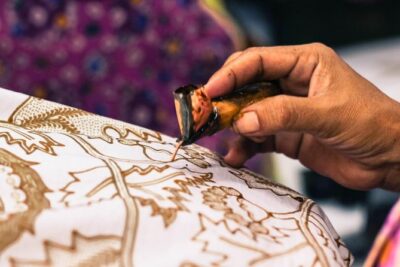
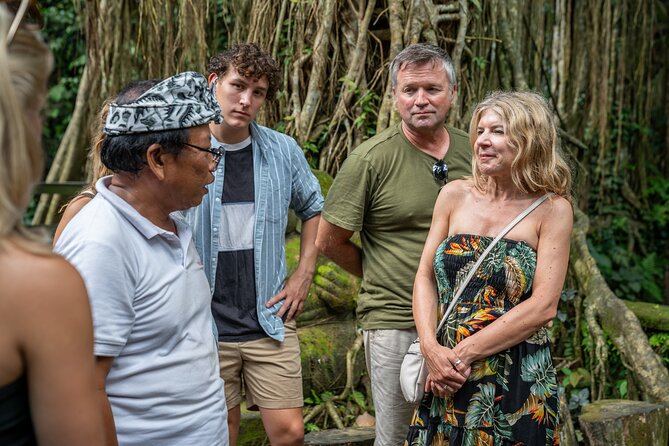
The tour includes an offering workshop, and the experience is hands-on: you make a canang sari and learn its meaning in daily Balinese life. This is one of the best value add-ons in the whole day, because it converts culture from something you watch to something you do.
I like workshop elements on tours because they force you to slow down. Your hands are busy, so you’re less likely to rush past details. It’s also an easy way to ask questions through your guide. When you’re building something yourself, every explanation lands more clearly.
Even if you don’t fully remember every cultural nuance, you’ll leave with a simple, tangible takeaway: you’ll know what the offering is, and you’ll understand why it fits into daily ritual life.
If you’re deciding whether you care about religious or cultural context, I’d treat this workshop as the answer key for your preferences. If you enjoy learning through participation, you’ll get extra satisfaction from the tour.
The people make a difference: guide quality and how it shows up
Most of the tour’s success comes down to the guide’s tone and pace. The reviews tied to this experience repeatedly highlight guides who explain things in detail, take their time, and stay patient when people need extra help.
You might meet guides such as Dan, Ariana, Lara, Gunawan, or Haris, and drivers including Mariyasa, Nengah, or Gus Alit. Across the feedback, the consistent theme is calm professionalism. That matters because your day includes active movement between sites, plus a lively Monkey Forest environment.
Even better: the driver role isn’t just about getting from A to B. In a place with traffic and stop-and-go driving, a steady approach reduces stress. When the vehicle routine is smooth, you arrive at each site with more energy to pay attention.
What’s included (and why it changes the value)
This tour lists several practical inclusions, and they add up to real value when you’re counting total costs and time:
- Hotel pickup and drop-off
- Air-conditioned vehicle
- English speaking tour guide
- Entrance fees included
- Bottled water
- Offering workshop
When entrance fees are included, you avoid the common vacation headache of surprise ticket costs at each stop. When pickup is included, you don’t need to figure out local transport for a long day. And bottled water is a small detail, but on a day that runs about 12 hours, it helps.
The price is $69.00 per person, which is reasonable for a full-day program that covers multiple major sites plus the workshop. The fact that the group is capped at 20 also makes the time feel more human.
What’s not included is also straightforward: personal expenses and gratuities (optional). So you’re basically planning for your own snacks or souvenirs, not major add-on ticket bills.
Who this Ubud day trip suits best
This tour fits you best if you want a full-day introduction to Ubud that balances iconic highlights with at least one calmer, more reflective stop. It’s also a strong pick if you like guided context, not just wandering.
Specifically:
- You want Monkey Forest plus temples in the same day
- You care about learning the meaning behind rituals, especially the canang sari offering
- You want the classic view factor from Tegalalang Rice Terraces
- You don’t want to manage transport or entrance fees by yourself
If you prefer a super slow day with no crowds at all, Monkey Forest and rice terraces might feel like too much. But if you’re okay with controlled busy areas in exchange for variety and value, this works well.
Should you book this Ubud Monkey Forest and temples tour?
If your goal is a smart, efficient Ubud day that covers the headline sites and still adds meaning through a workshop, I’d say yes. The strongest reasons are the combination of included entrance fees, pickup, and the canang sari offering workshop, plus the choice to include a quieter purification temple at Mengening.
Book it if you want one guided day that helps you understand what you’re seeing. Skip it if you’re chasing total silence and prefer only low-activity sightseeing.
FAQ
How long is the tour?
The tour runs for about 12 hours.
What time does the tour start?
It starts at 9:30 am.
Is hotel pickup and drop-off included?
Yes, hotel pickup and drop-off are included.
Are entrance fees included?
Yes, entrance fees are included.
Is there a mobile ticket?
Yes, the tour offers a mobile ticket.
What’s included besides sightseeing?
The tour includes an offering workshop where you make a canang sari.
How large is the group?
The maximum group size is 20 travelers.
Can I get a full refund if I cancel?
Yes. You can cancel up to 24 hours in advance for a full refund. If you cancel less than 24 hours before the start time, the amount paid is not refunded.