REVIEW · UBUD
Ubud Tirta Empul Temple Tour with Purification Experience
Book on Viator →Operated by Ubud Daily Trips · Bookable on Viator
Cold water, clear mind at Tirta Empul. This Ubud experience is interesting because it pairs you with a local spiritual guide and then lets you take part in a real Balinese purification ritual at the sacred spring temple. You’re not just watching from the side either: you learn what each part means as you go, and the tour stays small enough that you can actually ask questions along the way.
I especially like the step-by-step ceremony guidance people talk about, from following the right procedures at the temple to understanding why each action matters. In the same spirit, guides such as Koman and Bayu are mentioned for being patient and clear while walking you through the ritual, and even helping with practical stuff like how to dress properly. One consideration: the water is very cold, so bring your towel and a change of clothes so you can focus on the experience instead of rushing to fix yourself afterward.
In This Review
- Key highlights worth your morning in Ubud
- Ubud’s Tirta Empul: why the sacred spring matters
- Getting there: Ubud Palace pickup and a smooth start
- Inside the temple: what you actually do for purification
- Why the guide changes everything (Koman, Bayu, and the calm factor)
- What to bring and wear: focus on comfort, not improvising
- Small group size: better questions, less crowd pressure
- Timing and pacing: 2 hours that usually feel focused
- Rain, rescheduling, and realistic expectations
- Price and value: is $27.49 fair for what you get?
- Who should book this tour?
- A key rule for participation: menstruation and the ritual
- Should you book the Ubud Tirta Empul purification tour?
- FAQ
- Where is the meeting point and what time does the tour start?
- How long is the tour?
- Does the price include temple admission?
- Is pickup and drop-off provided?
- Do I need a printed ticket?
- What is the maximum group size?
- Do I need WhatsApp before the tour?
- What should I bring?
- Can women who are menstruating join the purification ritual?
- What happens if it rains heavily?
Key highlights worth your morning in Ubud
- Small group limit (max 6) so the guide can stay close and answer questions
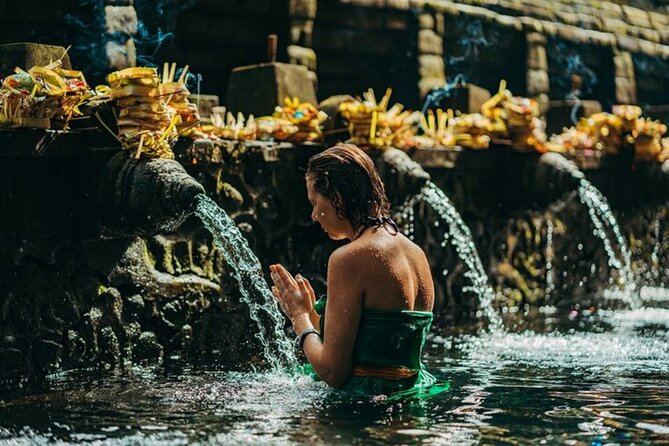
- Purification at Tirta Empul’s holy spring, with guidance for how to do it correctly
- Temple meaning explained, so the ritual feels intentional, not random
- Practical support like telling you what to bring so you’re not scrambling in wet clothes
- Guides like Koman and Bayu are noted for calm coaching and clear instructions
- Admission ticket included, so you don’t have to line up for entry
Ubud’s Tirta Empul: why the sacred spring matters
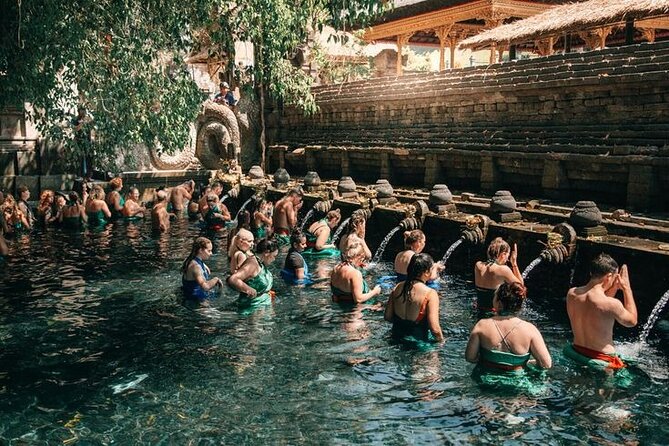
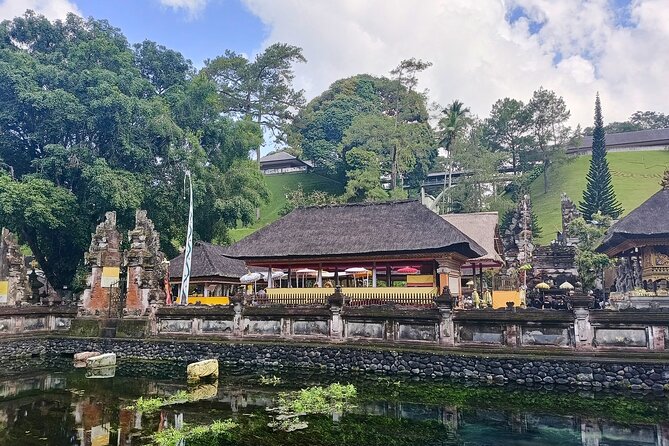
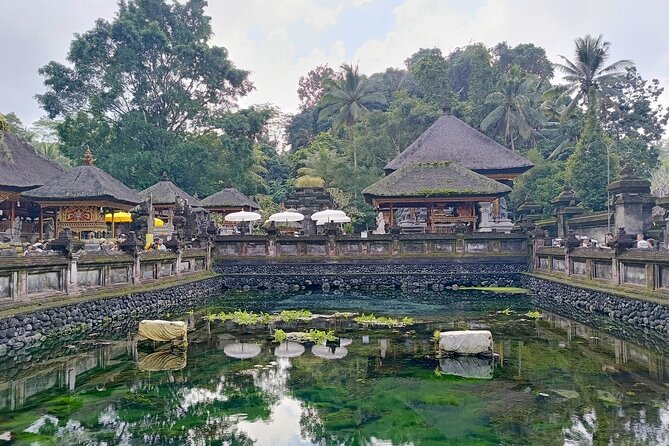
Tirta Empul Temple in Ubud is known for one thing: a sacred spring where people come for cleansing. On this tour, you experience the ritual in the temple’s spiritual setting, and you get context for what you’re doing as you move through the steps.
That context is the difference between a checklist and a meaningful experience. You’ll be shown how the purification is connected to restoring balance, and the tour framework emphasizes the idea that you’re releasing negative energy and returning to a calmer, clearer state. Even if you’re not trying to have a spiritual “transformation,” you still benefit. Clear instructions reduce awkwardness, and the meaning behind the actions helps you stay present.
The holy spring is also a sensory experience. The water is cold, the air can feel damp and cool around the temple pools, and the sounds of other visitors and temple life create a steady rhythm. You’ll likely leave feeling more grounded than you would after a quick photo stop.
You can also read our reviews of more tours and experiences in Ubud.



Getting there: Ubud Palace pickup and a smooth start

The tour starts at Ubud Palace, a very easy landmark to find. Pickup and drop-off are handled at the same meeting point, and the start time listed is 7:30 am. That matters because early in the day, you’re less likely to feel rushed. You can also dress with time to spare.
They ask you to be ready at the meeting point at least five minutes before pickup. That’s not just for timing. It helps you avoid the stress of arriving late while also thinking about ritual rules and what you’ll need once you’re at the temple.
One practical note: the activity uses a mobile ticket, and they’ll confirm booking at the time you reserve. So plan to have your phone charged and easy to access when the guide checks you in.
Also, download WhatsApp prior to the tour. Communication is part of the setup, and it’s the easiest way to stay in sync if there’s any last-minute timing change.
Inside the temple: what you actually do for purification
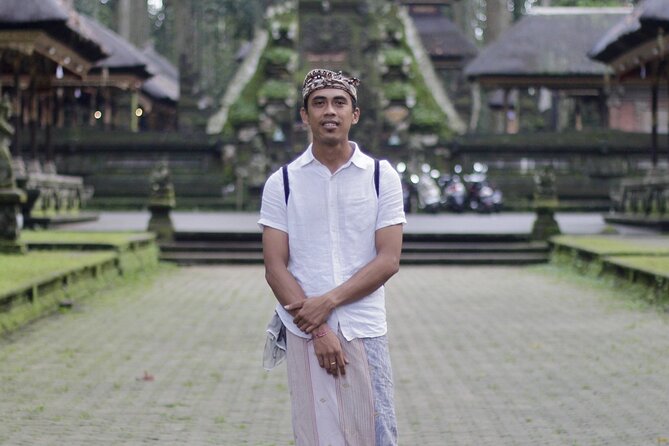
The main moment of the tour happens at Tirta Empul Temple. You’ll explore the temple, learn the history and traditions, and then join the purification ritual. The tour is designed to explain not only what you do, but why you do it.
Here’s what that usually feels like in practice:
- You begin by following the guidance on the correct procedure.
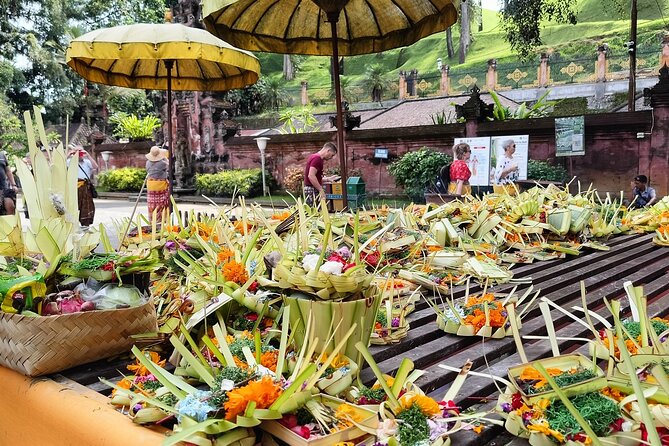
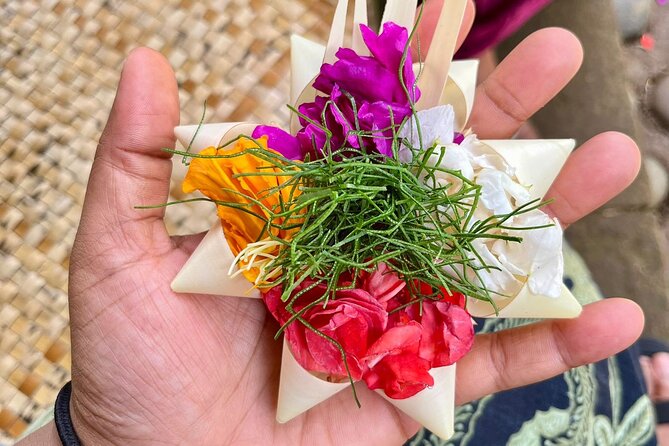
- You use offerings and ritual items such as flowers, rice, and incense sticks as part of the ceremony flow.
- You participate at the sacred spring water area, guided so you know where to stand and what to do next.
- As you move through the spouts/fountains, you’re encouraged to treat each step with intention, not speed.
A key benefit is having someone translate the ritual into understandable parts. Guides named like Koman and Bayu are repeatedly described as clear with instructions, asking if you have questions, and guiding you step by step so you can stay calm instead of second-guessing your actions.
One more thing I like about this format: the tour isn’t framed as a performance. It’s not you doing tricks for photos. It’s you participating respectfully, with learning built in. That’s why it works well for people who are curious about Balinese spirituality but don’t want to guess their way through temple rules.
Why the guide changes everything (Koman, Bayu, and the calm factor)
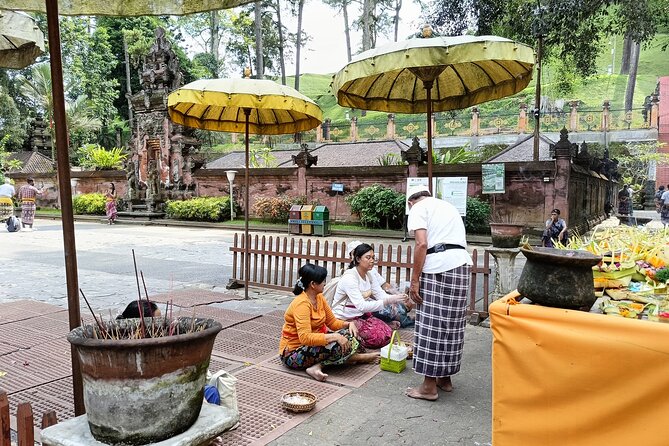
You’ll spend your time with a guide who’s acting as both translator and ritual coach. That’s a big deal at Tirta Empul, because temple purification isn’t just a physical act. It’s tied to tradition, meaning, and specific ways of moving through space.
The strongest praise in the experience centers on instruction quality:
- Guides provide clear, step-by-step guidance so you’re not lost when the ceremony starts
- They explain the meaning behind the fountain or spout sequence
- They answer questions about Bali and the temple traditions as you go
- They can help you avoid common mistakes by guiding your pace and positioning
If you want practical proof of value, think about this: in a group tour, you could still end up feeling disconnected if the guide doesn’t explain the meaning. Here, the teaching is part of what you pay for. It’s how the ritual becomes understandable instead of just cold water plus confusion.
Some guides are also noted for taking great photos and videos. If you care about remembering the day, that’s useful. It means you can focus on being present during the ritual and still get natural-looking footage afterward.
What to bring and wear: focus on comfort, not improvising
This tour expects you to dress appropriately for a Balinese ritual setting. You should plan on having your body ready for water.
Bring:
- a towel
- a change of clothes or extra underwear
That last part matters more than people think. You’ll be wet, and you don’t want to spend the end of the tour figuring out what to do with damp clothes while trying to look composed for temple respect.
Also, come with the right attitude. Many participants say the experience is powerful, and it helps to treat the ceremony like a quiet task you do well, not like a casual sightseeing stop. The guide will help with procedures, but your mindset still counts.
If you’re the type who hates feeling cold, give yourself a little emotional preparation. Cold water can surprise you, even if you expected it. The upside: once you’re in and moving with guidance, it becomes easier to hold steady and follow along.



Small group size: better questions, less crowd pressure
This activity is limited to a maximum of 6 travelers. That small number changes the vibe.
With a small group, you’re more likely to:
- get closer attention during the ritual
- have time for questions instead of being rushed onward
- feel less like you’re part of a conveyor belt
This also tends to be why people like the experience as a chance to meet like-minded travelers. You’re not stuck in a huge bus group where everyone’s separated. Instead, you’re in a manageable group with shared curiosity about culture, spirituality, and doing the ritual correctly.
If you want a calmer, more personal cultural experience in Ubud, the small group size is a real advantage, not a marketing detail.
Timing and pacing: 2 hours that usually feel focused
The tour runs about 2 hours. That’s a good length for a temple + ritual experience because it gives you time for:
- temple exploration and explanation
- the purification ritual itself
- regrouping at the end and returning to the meeting point
You start at Ubud Palace and end back there. That keeps your logistics simple, especially if you’re planning other Ubud stops after.
Since the experience involves changing conditions (cool water, waiting areas, temple movement), the short but focused time window helps. You’ll avoid feeling like you’ve spent half a day waiting for the right moment.
Rain, rescheduling, and realistic expectations
Ubud weather can turn fast. The tour may be rescheduled or canceled due to heavy rain or severe weather for safety reasons. If you’re booking close to your schedule, it’s smart to keep your day flexible.
Also, even without heavy rain, the ritual itself is wet and cool. So dress for comfort and dryness afterward, and plan to treat the experience as something you’ll do fully—not something you’ll casually dip into.
Price and value: is $27.49 fair for what you get?
At $27.49 per person, this isn’t priced like a simple “temple entrance only” stop. You’re paying for several built-in pieces of value:
- Temple admission ticket included
- a local guide to explain temple history, traditions, and the ritual meaning
- guidance during the purification steps, so you don’t feel lost
- pickup and drop-off at Ubud Palace
- a small-group experience (max 6)
If you were to piece this together alone, the cost of admission plus a guide plus transportation can add up quickly. Even if you don’t place a dollar value on spirituality, the practical coaching is real value: it makes the ritual smoother and more respectful, and it helps you avoid the stress of figuring out procedures on your own.
So yes, the price feels fair for what you’re actually doing during those two hours.
Who should book this tour?
This works well if you:
- want a Balinese cultural experience centered on ritual, not just photos
- appreciate clear instructions and cultural context
- prefer small groups over large bus-style tours
- are comfortable participating respectfully in a cleansing ceremony
It may not be a match if you:
- don’t want to get in cold water
- can’t participate in the purification ritual due to the tour’s rules
A key rule for participation: menstruation and the ritual
The tour notes that participants who are women and are menstruating are respectfully not permitted to join the purification ritual. Menstruation rules are part of temple practice, and this tour follows that respectfully. If this applies to you, you’ll want to plan a different kind of temple visit for that day.
Should you book the Ubud Tirta Empul purification tour?
Yes, I think you should book it if you want Tirta Empul to be more than a stop. The best reason is simple: you get guided purification with meaning explained, plus small-group attention.
If your priority is cold water plus a temple you can wander alone, you might skip it. But if your priority is doing the ritual correctly, feeling calm through the steps, and leaving with a clearer sense of what the ceremony represents, this format is strong.
Go prepared with a towel and extra clothes, keep an open mind, and you’ll likely find it’s one of the more memorable cultural experiences you can do in Ubud—without turning it into a stressful mission.
FAQ
Where is the meeting point and what time does the tour start?
The meeting point is Ubud Palace (Jl. Raya Ubud No.8, Ubud). The listed start time is 7:30 am, and you should arrive at least 5 minutes early.
How long is the tour?
The duration is about 2 hours.
Does the price include temple admission?
Yes. The temple admission ticket is included.
Is pickup and drop-off provided?
Yes. Pickup and drop-off are provided at the meeting point, Ubud Palace.
Do I need a printed ticket?
No. The tour uses a mobile ticket.
What is the maximum group size?
The maximum group size is 6 travelers.
Do I need WhatsApp before the tour?
Yes. You’re asked to download WhatsApp before the tour for communication with your guide or host.
What should I bring?
Bring a towel and a change of clothes or extra underwear.
Can women who are menstruating join the purification ritual?
No. Women who are menstruating are respectfully not permitted to join the purification ritual.
What happens if it rains heavily?
Tours may be rescheduled or canceled due to heavy rain or severe weather for safety reasons.