REVIEW · KUTA
An Evening of Bali Traditional Dance
Book on Viator →Operated by Tour East Indonesia · Bookable on Viator
Balinese dance hits different when the story is explained. This evening show brings together Kecak (the Monkey Dance), the Fire Dance, and the Sanghyang (Trance) dance in Batubulan, usually with a guide who helps you follow what you are seeing.
I particularly like the mix of performance styles. The Kecak is all rhythm and chanting with 50 men waving bamboo torches, telling the Prince Rama rescue story. Then the Fire Dance turns up the intensity with dancers stepping over smoldering coals, and the Sanghyang shifts the mood into trance-like movement.
One thing to plan for: logistics and show length can be a little uneven. In the real world of Bali traffic, you may get picked up early, and sometimes the route includes stops you did not expect, while a few people felt the show ran shorter than they hoped.
In This Review
- What You Should Know Before You Go
- Why This Works as a First Real Bali Culture Evening
- Price and Value: Is $48.72 a Good Deal?
- Getting There From Kuta: The Timing Reality Check
- The Show Setting: Batubulan Amphitheater and What to Bring
- Stop One: Kecak at Batubulan (Rama Story with Torchlight Rhythm)
- Fire Dance: Smoldering Coals and the Moment You Expect It to Hurt
- Sanghyang (Trance): When Dance Turns into Something Ritual
- The Whole Itinerary in Real Life: A One-Hour Performance with a Bigger Time Window
- How Good Guides Make This Tour Worth It (Darta and Oka as Examples)
- Possible Drawbacks: Shops, Early Pickup, and Fire-Dance Intensity
- What You’ll Get Most From This Tour
- Should You Book This Evening Dance Tour or Not?
- FAQ
- What time does the tour start?
- How long is the experience?
- What dances are included?
- Is hotel pickup and drop-off included?
- Is the tour price 48.72 per person?
- Is food and drinks included?
- Is transportation provided?
- How big is the group?
- Is there a guide and is English included?
- What is the cancellation policy?
What You Should Know Before You Go
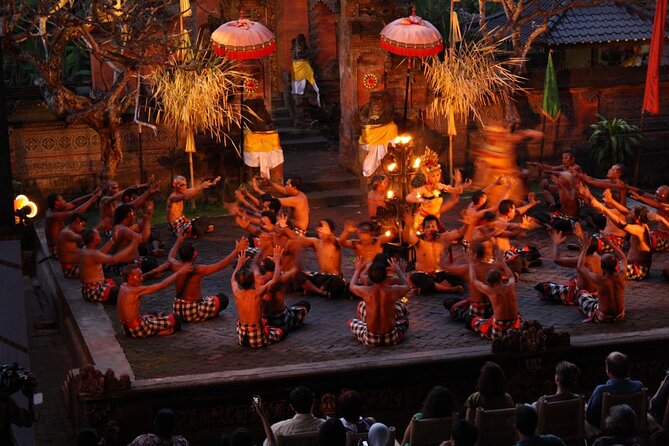
- Three signature dances, one night: Kecak, Fire Dance, and Sanghyang all in the same performance window.
- Story context matters: when your guide explains Rama and the kidnapping rescue plot, the whole evening clicks.
- Outside stage means mosquitoes: the show is in an open-air amphitheater, so insect repellent helps a lot.
- Pickup can be early: traffic planning is common, and you may wait if the venue opens later than you expect.
- Not heavy on food: snacks and drinks are not included in the tour price.
Why This Works as a First Real Bali Culture Evening
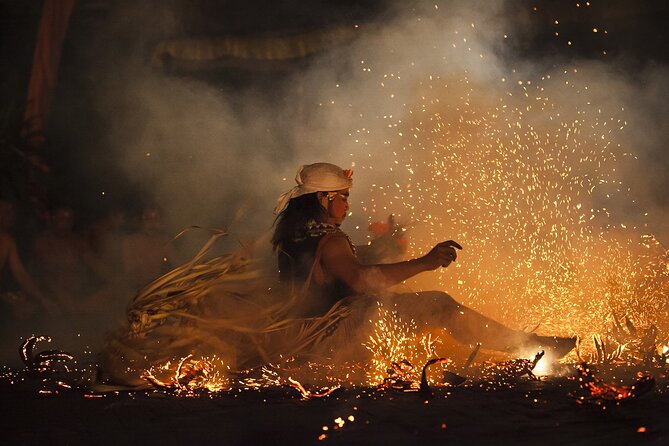
This is the kind of tour that makes sense in Kuta because it gives you structure. A 4:00 pm departure plus hotel pickup takes the guesswork out of getting to Batubulan, and it concentrates on one purpose: watching dance and understanding what it’s doing.
The best version of this experience is when you catch the narrative thread. The Kecak is not just a spectacle of synchronized chanting. It is a retelling of ancient myth, specifically the Rama rescue story. The Sanghyang also has a purpose beyond entertainment; it is described as a traditional trance dance originally performed as an exorcism ritual. When you know that, the eerie energy feels purposeful instead of random.
I also like the group size limit. With a maximum of 15 people, you tend to get more attention than on giant bus tours. It is still a shared evening, but it feels less chaotic.
You can also read our reviews of more evening experiences in Kuta
Price and Value: Is $48.72 a Good Deal?
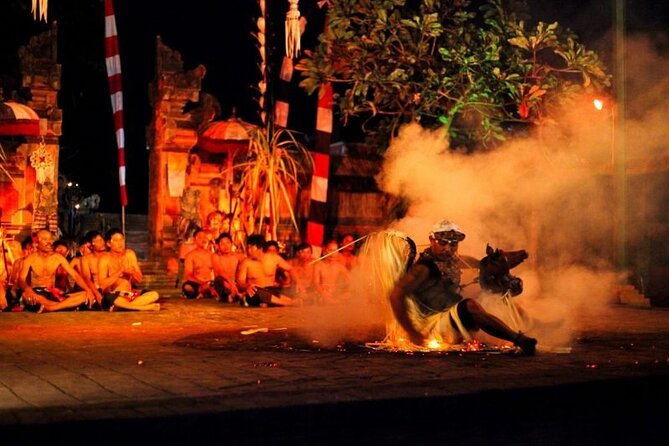
At $48.72 per person, you are paying for more than a ticket. You are buying round-trip transportation from major hotel zones (like Kuta, Seminyak, Sanur, Jimbaran, and Nusa Dua), plus an English-speaking licensed guide, plus a one-hour performance ticket included in the package.
If you are someone who hates arranging transport at the last minute, the value is usually solid. A guide is also useful here because a lot of the impact comes from following the story through the dances, and not every venue staff member explains it in a way that makes it easy.
That said, DIY can be cheaper for some people. One comparison you may see is that a private ride plus individual entry can come out lower than a packaged tour, especially for groups who want flexibility and do not mind going on their own schedule. The tradeoff is you lose the “story help” and you take on the transport planning.
So I’d frame it like this: this tour is best value if you want guided context and door-to-door convenience. If you are comfortable organizing your own driver and you plan to read up on the dance stories before you arrive, you may squeeze out better savings.
Getting There From Kuta: The Timing Reality Check
This tour starts at 4:00 pm. That matters because the ride from Kuta can be long due to traffic, even when the venue is not far in a straight line. Many people reported being collected early, not because the show starts early, but because the operator tries to beat road delays.
Here is the practical takeaway: plan for an evening that might start before you think. If you get picked up earlier, you will likely be waiting for the venue to open. In a couple of real experiences, guides turned that waiting time into something cultural, like a stop at a temple nearby. Even if that does not happen for you, arriving with patience is part of the game.
Also note the tour vehicle is air-conditioned, which is a real comfort in Bali afternoons. Still, the comfort will not make traffic shorter, so keep your expectations grounded.
The Show Setting: Batubulan Amphitheater and What to Bring
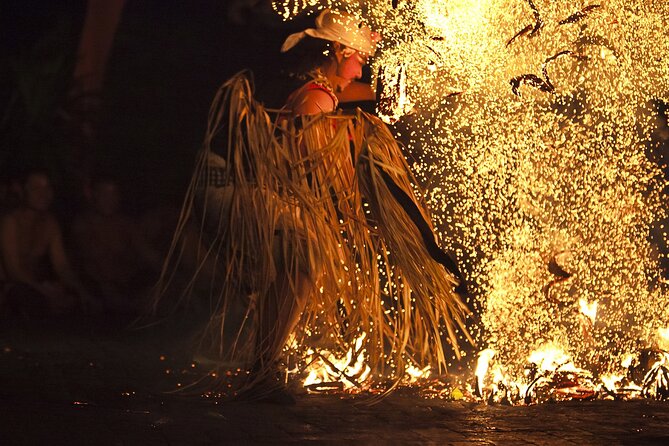
The dancing takes place in Batubulan at a rustic amphitheater. That phrase is code for open-air or semi-open-air seating, and it comes with one immediate consequence: mosquitoes.
A guide named Oka even brought mosquito repellent for one guest before the Kecak portion. You can treat that as a hint. Bring repellent if you have it. Wear something comfortable for sitting outside while the sun drops.
Since the tour does not include food, you should also think about timing your dinner. If you eat lightly beforehand, you will not be hungry while waiting. Some people reported only basic snacks being available at the venue, so do not count on a proper meal.
Stop One: Kecak at Batubulan (Rama Story with Torchlight Rhythm)
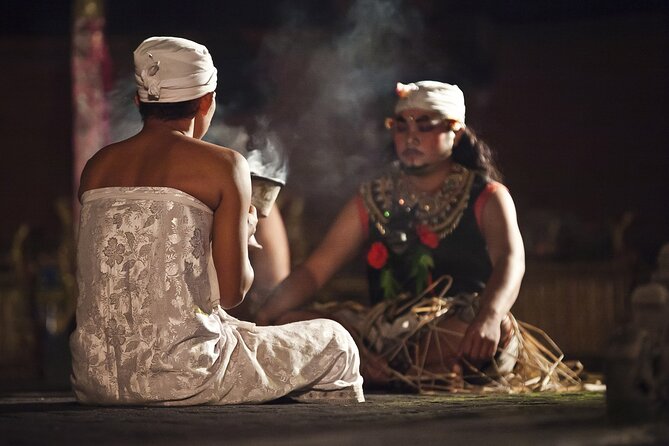
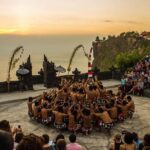
The evening’s anchor is the Kecak (Monkey Dance). Expect the electric feeling of a big chant group: about 50 men with blazing bamboo torches. The setup is dramatic. The audience falls into that expectant hush, and then the chanting builds into something hypnotic.
The key to enjoying Kecak is understanding what it is doing. The show follows a mythic storyline tied to Prince Rama and his courageous rescue of a kidnapped princess. With an English-speaking guide, you are more likely to catch the meaning behind the movements instead of just watching cool synchronized energy.
A practical tip: if the venue gives you a pamphlet or program, skim it before the performance begins. Some people said they only got the full story once they read along, because the explanation is not always given inside the theater.
The Kecak portion is also a great way to judge the whole night. If you like ritual chanting and large group performance, you will likely be all-in for the rest.



Fire Dance: Smoldering Coals and the Moment You Expect It to Hurt
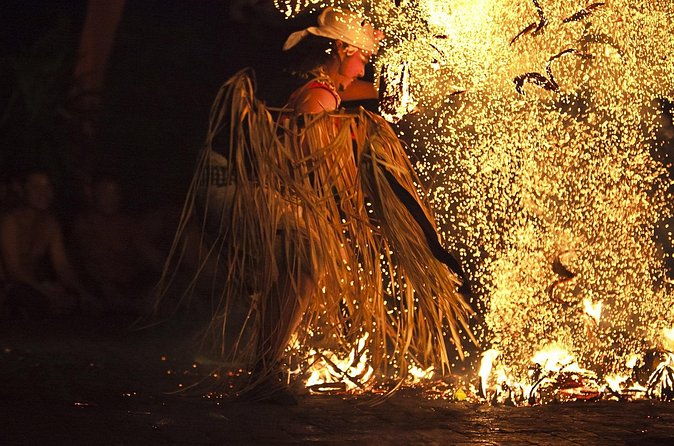
Then comes the Fire Dance. In the show description, the dramatic moment is performers stepping over smoldering coals without feeling pain. That is the part people remember, mainly because it looks so risky from the audience.
If you are easily spooked by intense theatrics, this is where you might feel uneasy. A couple of people described the fire segment as scary to watch, even though it is a scripted performance.
The Fire Dance also works well for first-timers because it is instantly readable. You do not need a myth degree to understand the stakes. Still, you will enjoy it more if you know why it is included in the narrative arc of the larger performance.
Sanghyang (Trance): When Dance Turns into Something Ritual
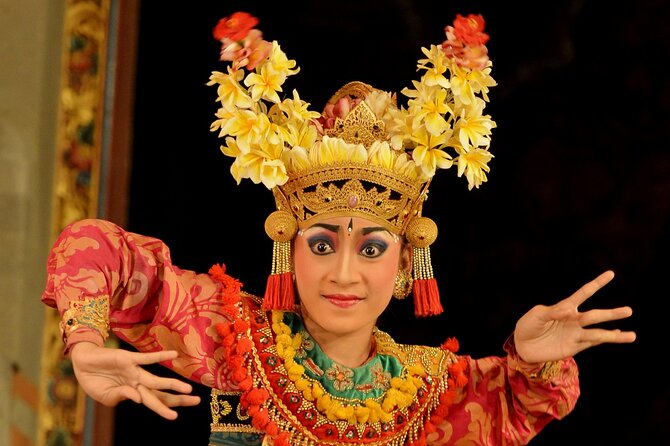
After torchlight and fire, the tone shifts with the Sanghyang (Trance) Dance. The description frames it as a traditional dance originally performed as an exorcism. That matters, because the choreography often looks more like convulsive ritual movement than like a neat story ballet.
So what should you expect? More raw, trance-like energy. Less explanation in your head, more attention on physical expression and the feel of altered states. If you come into this expecting pure storytelling, you might feel slightly thrown off. If you come expecting ritual theater, you will likely see the point fast.
This is also where the guide helps most. Even a short explanation can connect the dots between the fire and trance elements so the evening does not feel like three separate gimmicks.
The Whole Itinerary in Real Life: A One-Hour Performance with a Bigger Time Window
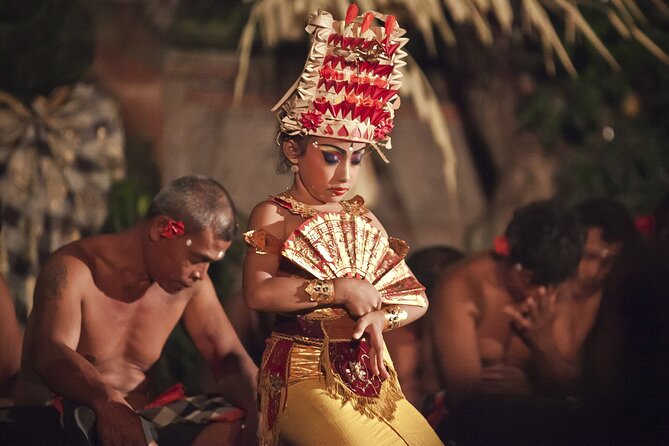
Even though the included performance ticket covers about one hour, the full tour is about 4 hours total. That includes pickup, travel, and the time it takes for the evening to play out.
In practice, the exact timing can vary. Some people experienced pick-up that felt early, then arrival and waiting before the venue opened. Others felt the show ran shorter than expected. None of this cancels the value of the dances themselves, but it does affect how you should budget your attention.
If you have a tight evening plan after this tour, build a buffer. If you treat it as your main event, it becomes a smooth, one-purpose night.
How Good Guides Make This Tour Worth It (Darta and Oka as Examples)
Not every guide makes the same difference, and this tour is one of those where the guide can change how much you get out of it.
Two names popped up in real experiences: Darta and Oka. One Darta highlight was thoughtful time management. The tour anticipated heavy traffic, and when there was extra time, the guide took the guest to see a temple and explain buildings and ceremonies. That kind of cultural “filling of the gaps” turns waiting into part of the experience.
Oka showed a different kind of care. One account mentioned he even bought mosquito repellent to apply while watching the Kecak outside. It’s a small thing, but it makes the evening more comfortable and less distracted.
So when you book, consider this a culture tour with a guide component. If you want a show only, you might feel frustrated by the storytelling approach. If you want context, you will likely appreciate it.
Possible Drawbacks: Shops, Early Pickup, and Fire-Dance Intensity
Let’s be honest about what can go sideways.
First, early pickup and waiting. Even when the operator is being responsible about traffic, you may sit around for a while. If you dislike waiting, bring a plan for boredom: download offline maps, bring a light snack, or just use the time to people-watch from the shade.
Second, route stops that feel salesy. Several people mentioned being taken to markets or craft places on the way, including woodcarvers and silver shops. Sometimes you will find something you love. Sometimes it turns into pushy shopping time. If you want a straight shot to the venue, say so clearly at pickup.
Third, the Fire Dance is intense. It is the headline moment, but it can feel scary if you hate dramatic risk performances.
Finally, length expectations. The tour is described as 4 hours, and the performance is included for about an hour. Still, a few experiences suggested the show ran shorter than advertised, so mentally separate the words on the page from what happens in the moment.
What You’ll Get Most From This Tour
This is a strong match if you:
- Want Kecak, Fire, and Sanghyang in one evening without transport stress
- Care about the story behind Balinese performance, not just the action
- Are okay with outside seating and bringing bug repellent
- Prefer a small group (max 15)
It’s less ideal if you:
- Absolutely hate shopping detours
- Want a perfectly timed, never-a-waiting kind of schedule
- Are very sensitive to intense fire theatrics
Should You Book This Evening Dance Tour or Not?
If you are staying in Kuta, Seminyak, Sanur, Jimbaran, or Nusa Dua and you want a simple way to experience three Bali dance traditions in one night, I think this is a reasonable booking. The real win is when the guide explains the stories behind what you are watching, like the Rama rescue plot in the Kecak and the ritual origins tied to Sanghyang.
But book with eyes open. Traffic can shift your timing, and some routes include stopovers that can feel like extra shopping time. If you keep your expectations on the dances themselves and treat the rest as “support logistics,” you will probably enjoy the evening a lot.
If you want the best experience, do three things: bring mosquito repellent, eat before you go (since food is not included), and read any program info you get so you follow the story during the show.
FAQ
What time does the tour start?
The tour start time is 4:00 pm.
How long is the experience?
The duration is about 4 hours (approx.), with a one-hour dance performance included.
What dances are included?
The tour includes the Kecak (Monkey) Dance, the Fire Dance, and the Sanghyang (Trance) Dance.
Is hotel pickup and drop-off included?
Yes. Pickup and drop-off are included from major hotels in Kuta, Seminyak, Sanur, Jimbaran, and the Nusa Dua area.
Is the tour price 48.72 per person?
Yes, the price is listed as $48.72 per person.
Is food and drinks included?
No. Food and drinks are not included.
Is transportation provided?
Yes. You travel in an air-conditioned vehicle.
How big is the group?
This tour/activity has a maximum of 15 travelers.
Is there a guide and is English included?
Yes. It includes an English-speaking licensed guide service.
What is the cancellation policy?
Free cancellation is available up to 24 hours in advance for a full refund. Less than 24 hours before start time is not refunded.