REVIEW · KUTA
Snorkeling In Nusa Penida And Uluwatu Sunset Tours
Book on Viator →Operated by Sari Nusa Penida Tour · Bookable on Viator
Crystal-clear water plus a full Bali sunset plan. This Nusa Penida and Uluwatu day tour is built around Crystal Bay snorkeling and a classic end-to-end Uluwatu Temple + Kecak + Jimbaran dinner route. The main downside is simple: it’s a long day with an early start, so the schedule can feel intense if you’re not used to getting up fast.
What makes it interesting (and popular) is the way it mixes two different flavors of snorkeling: the bright, clear swim at Crystal Bay and the calmer, more natural-feeling stop at Gamat Bay. You’ll also get a structured cultural sequence right after the water time: Uluwatu Temple for sunset atmosphere, then the Kecak and Fire Dance right next to it, and finally grilled seafood at Jimbaran.
In This Review
- Key Highlights at a Glance
- The 6:00 am Start That Turns This Into a Real Day Trip
- Nusa Penida Snorkeling: Manta Point, Crystal Bay/Wall Point, and Gamat Bay
- Stop 1: Manta Point (Mantas Are the Big Story)
- Stop 2: Crystal Bay / Wall Point (Clear Water and Fish Schools)
- Stop 3: Gamat Bay (A More Natural, Less Crowded Feel)
- Lunch and the Sanur Harbor Reset
- Uluwatu Temple: Sunset Timing Meets Real Crowds
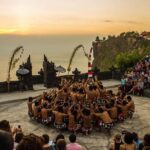
- Kecak and Fire Dance: The Show That Keeps the Energy Up
- Jimbaran Seafood Dinner: The End-Scene You’ll Actually Remember
- Price and Value: What $180.50 Buys in a Long, Packed Itinerary
- Who This Tour Fits Best (and Who Should Rethink It)
- Should You Book This Nusa Penida and Uluwatu Sunset Tour?
- FAQ
- FAQ
- What time does the tour start?
- How long is the tour?
- How much does it cost?
- Is pickup offered?
- Is this tour private?
- Where do you snorkel in Nusa Penida?
- Do you visit Uluwatu Temple and the Kecak and Fire Dance?
- Is the Jimbaran seafood dinner included?
- Is there an admission fee included for snorkeling and attractions?
- What happens if the weather is bad?
- What is the cancellation policy?
Key Highlights at a Glance
- 6:00 am start: you’ll be moving early, which helps you get more time in the water
- Crystal Bay/Wall Point: clear Indian Ocean water and lots of small reef fish visibility
- Manta Point stop: a named manta-ray area where mantas are commonly spotted
- Gamat Bay’s quieter feel: a more relaxed cove vibe compared with busier sights
- Uluwatu Temple + Kecak in the same area: less scrambling, more staying on schedule
- Jimbaran grilled seafood dinner: a sunset-style payoff after snorkeling and temple time
The 6:00 am Start That Turns This Into a Real Day Trip
This is not a leisurely “sleep in and wander” kind of outing. You start at 6:00 am, which matters because it sets the pace for everything else that follows. In practice, this early start gives you a better chance of catching good conditions for your snorkeling stops and daylight for the Uluwatu segment and show.
The overall duration is listed as 12 to 16 hours, so you’ll spend most of the day in motion, plus time walking between parts of the day’s activities. You’ll want to treat it like a full itinerary, not a pick-and-choose menu.
Good to know: the experience is described for people with moderate physical fitness. That doesn’t mean you need to be an athlete, but it does suggest you should be comfortable with long hours, getting on/off boats, and doing some walking in temple areas.
You can also read our reviews of more evening experiences in Kuta

Nusa Penida Snorkeling: Manta Point, Crystal Bay/Wall Point, and Gamat Bay
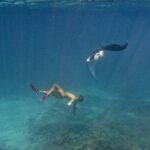
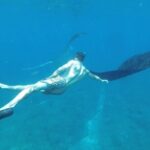
If the snorkeling is your main reason for booking, this route is built for visibility and variety. The schedule moves through three named areas on Nusa Penida: Manta Point, Crystal Bay/Wall Point, and Gamat Bay.
Stop 1: Manta Point (Mantas Are the Big Story)
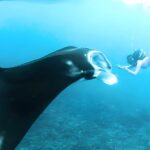
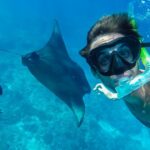
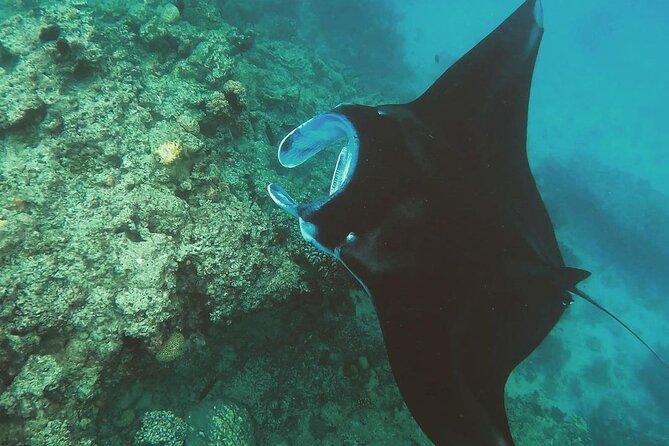
Manta Point is famous for manta rays, and the description notes that mantas are visible frequently in this area, along with spotted stingrays and nurse sharks. The key word for your planning is “frequent,” not “guaranteed.” Marine life depends on the day, the water conditions, and how the group is positioned.
This stop runs about 1 hour and is listed with admission ticket free. In a schedule like this, that time block often feels like a taste of the bigger scene—enough time to look carefully, but not so long that you lose the rest of the day.
Stop 2: Crystal Bay / Wall Point (Clear Water and Fish Schools)
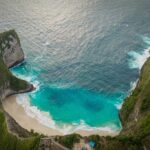
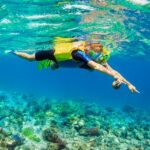
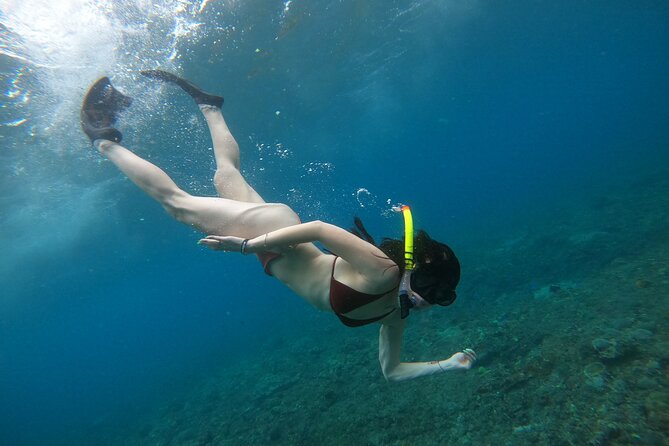
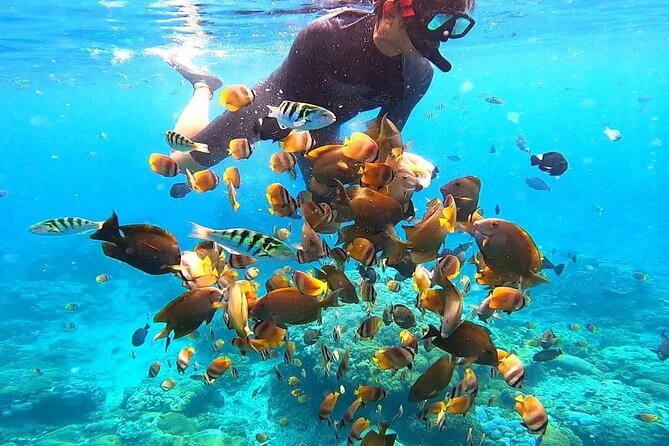
Next comes Crystal Bay / Wall Point, and this is the place described as offering crystal-clear water—exactly what you want for snorkeling photos and for actually seeing what’s going on below the surface. The itinerary mentions schools of anthias and batfish, which is a good sign because it suggests you’re not just looking at empty water.
This stop is listed at about 30 minutes, with admission included. Thirty minutes sounds short until you remember you’re also dealing with getting geared up, getting to the right spot, and adjusting to the water. In other words, it’s built to maximize the chance of clean visibility without eating your whole day.
One thing I like about this kind of two-bay structure is that you get a contrast: one stop optimized for “look hard, you’ll see things,” and another that leans more toward relaxed scenery.
Stop 3: Gamat Bay (A More Natural, Less Crowded Feel)
Then you move to Gamat Bay, described as beautiful and still natural, with the important note that it’s not crowded. The water time is also about 30 minutes and again lists admission as included.
You’ll also hear specifics like very clean sand and soft, colorful corals. Even if you’re not focused on corals, clean sand and a calm-feeling bay often mean a more comfortable snorkeling experience—especially if you’re not trying to go fast and “win” at snorkeling.
Based on the overall ratings pattern (strong snorkeling marks, weaker enthusiasm for everything else), this is the stop I’d watch closest if you want the day to feel balanced. It gives your eyes a break from the flashier “big ticket” sites.
You can also read our reviews of more snorkeling tours in Kuta

Lunch and the Sanur Harbor Reset
After snorkeling, you’ll have lunch and then return toward Sanur harbor. That matters because Nusa Penida days can feel like a loop of water time, then transport time, then more water time (or the next big activity).
Lunch is a smart pressure valve in the middle of the day. Without it, you’d be running on snack crumbs and optimism. With it, you can actually reset—hydrate, wash off salt if you can, and regain some energy before the cultural portion kicks in.
Also, remember that you’re going from marine time back into land time, and that can be a bit of a sensory whiplash: salt on skin, sunscreen in your clothes, sun on your face, and then temple-area walking in the heat.
Uluwatu Temple: Sunset Timing Meets Real Crowds
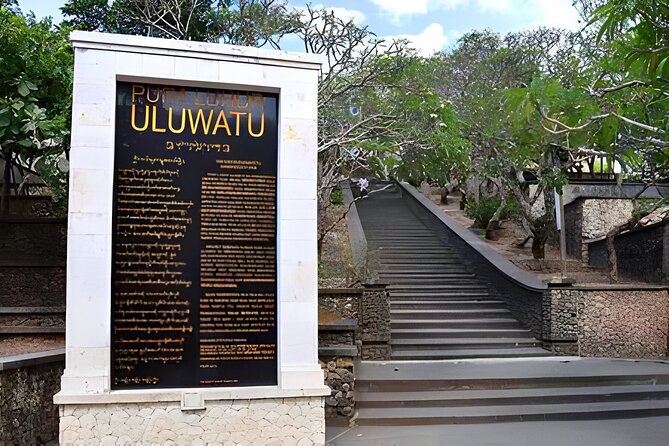
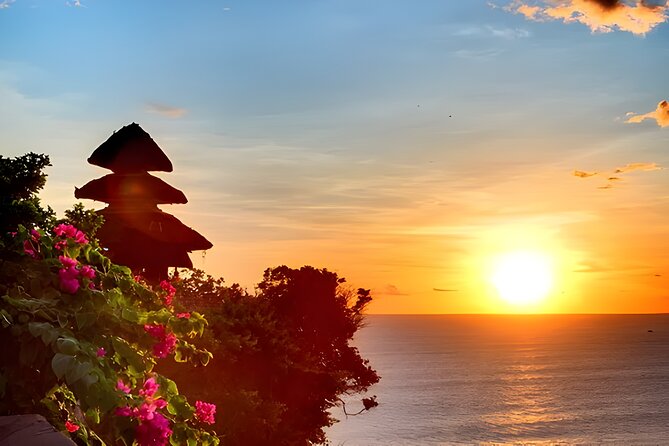
After you leave the water segment behind, the itinerary heads to Uluwatu Temple. This stop is listed at about 2 hours and specifically notes it’s one of the best sunset-time destinations in Bali—plus that it gets very crowded.
That crowd detail is not a reason to avoid it. It’s a reason to adjust your expectations. You’re going to share the space, and you’ll feel the flow of people. The upside is that Uluwatu is a well-known sunset setting for a reason: the cliffside temple atmosphere is built for that golden-hour glow.
Practically, give yourself some patience for walking and viewpoints. If you get irritated easily in crowds, you might find this is the part of the day that tests your calm.
Also, plan for comfort. Temple time can mean uneven surfaces and more standing than you expect—especially when you’re waiting for the sun to do its thing.
Kecak and Fire Dance: The Show That Keeps the Energy Up

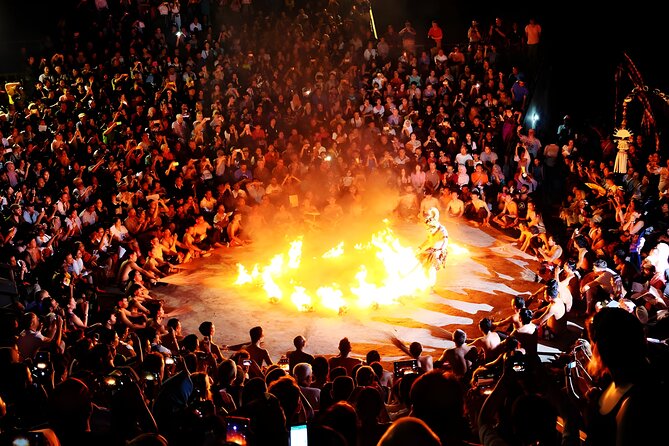
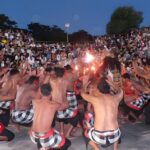
Next is the Kecak and Fire Dance, listed at about 1 hour. It’s described as being located next to the temple, which is a real advantage: you’re not losing show time to transit.
The description also includes the origin story in broad strokes, noting that the exact origin isn’t known for sure, but the Kecak became a performing arts linked with the village of Bona. Even if you don’t memorize the timeline, the takeaway is that this isn’t just background entertainment. It’s a structured, cultural performance that fits the Uluwatu setting.
For your own experience, I’d treat the show like a chance to sit for a while after earlier moving parts of the day. After snorkeling and temple walking, your body will appreciate the seated break, even if you’re still alert and watching closely.
Jimbaran Seafood Dinner: The End-Scene You’ll Actually Remember
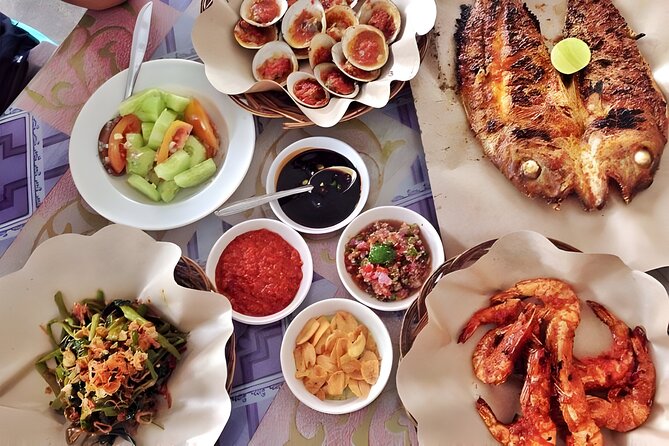
Then you land at Jimbaran Bay for grilled seafood dinner, listed at about 2 hours. The description frames it as fresh grilled seafood with a sunset panorama.
Here’s what makes this ending work: it’s a “payoff” activity that feels connected to Bali’s coastal identity. After a long day, grilled seafood is the kind of simple reward that travels well—salt in the air, sun fading, and food that doesn’t require mental energy.
A couple of practical notes:
- Eat like you still have snorkeling salt in your system. Drink water when you can.
- If you’re the person who gets cold easily later in the evening, bring a light layer. Sunset areas can cool down faster than you expect.
If you’re deciding between booking this tour or doing snorkeling-only, this dinner stop is part of the reason the tour stays popular. It turns the day into a complete arc, not just a water day with a long tail.
Price and Value: What $180.50 Buys in a Long, Packed Itinerary
At $180.50 per person, you’re paying for a full-day bundle: early start logistics, multiple named snorkeling points, lunch, and the Uluwatu Temple + Kecak + Jimbaran dinner sequence.
To judge value, I look at two things: what’s included and what you avoid.
What you’re avoiding:
- You’re not having to connect separate activities across different parts of the island.
- You’re not piecing together a schedule where snorkeling timing clashes with sunset temple timing.
- You get a built-in flow: water first, then cultural stops, then dinner.
What you’re getting:
- Two snorkeling points described with clear water and fish life, plus another bay described as calmer and less crowded.
- Cultural immersion that’s located next to the show, so you don’t lose time.
Is it expensive for Bali? Compared to DIY options, sure. But compared to a multi-stop day with snorkeling windows and a sunset show, it’s priced like a real package.
One more thing: this is listed as a private tour/activity where only your group participates. That can matter if you’re traveling as a couple or small group and you’d rather avoid “big herd” feeling. It also aligns with the idea that the snorkeling time is the star—so you benefit from smoother group coordination.
Who This Tour Fits Best (and Who Should Rethink It)
This tour fits best if you:
- Want snorkeling at multiple Nusa Penida spots in one day
- Love the classic Bali combo of Uluwatu Temple + Kecak + Jimbaran
- Can handle a 12 to 16 hour day and a 6:00 am start without resenting your alarm clock
- Are comfortable with moderate physical fitness for a full itinerary day
You might rethink it if:
- You dislike long travel days and prefer shorter, more relaxed outings
- You’re hoping the entire day will feel as amazing as the snorkeling. The tour’s overall pattern of ratings suggests the water time is the main hit, while other segments may feel more standard by comparison.
That one possible mismatch is the big “consideration” here: if your joy comes only from snorkeling, you’ll likely love the water stops more than the rest of the itinerary. If you want both snorkeling and a complete cultural sunset arc, you’ll appreciate the way the day is structured.
Should You Book This Nusa Penida and Uluwatu Sunset Tour?
I’d book it if you’re aiming for a single, well-timed day that delivers on the two things Bali does best in one stretch: clear-water snorkeling on Nusa Penida and a proper Uluwatu sunset experience. The fact that the snorkeling is repeatedly the top praised element—and the overall rating is strong—makes this a sensible pick for most visitors.
Before you commit, be honest about two factors. First, can you handle the long hours from an early start? Second, do you actually want Uluwatu Temple, the Kecak and Fire Dance, and Jimbaran grilled seafood as part of the same plan? If yes, this tour is built for you.
If you only want snorkeling and would rather keep your schedule lighter, you may get more satisfaction doing snorkeling as the centerpiece and adding dinner another night.
FAQ
FAQ
What time does the tour start?
The experience start time is 6:00 am.
How long is the tour?
The duration is listed as 12 to 16 hours (approx.).
How much does it cost?
The price is $180.50 per person.
Is pickup offered?
Yes, pickup is offered.
Is this tour private?
Yes. It’s listed as a private tour/activity, meaning only your group participates.
Where do you snorkel in Nusa Penida?
You visit Manta Bay (with sharing boat), Crystal Bay / Wall Point, and Gamat Bay.
Do you visit Uluwatu Temple and the Kecak and Fire Dance?
Yes. Uluwatu Temple is included, followed by the Kecak and Fire Dance next to the temple.
Is the Jimbaran seafood dinner included?
Yes. You go to Jimbaran Bay for fresh grilled seafood dinner.
Is there an admission fee included for snorkeling and attractions?
The itinerary lists admission as included for Crystal Bay and Gamat Bay, and it lists admission as included for Uluwatu Temple and the Kecak and Fire Dance. Manta Point is listed as admission ticket free.
What happens if the weather is bad?
The experience requires good weather. If it’s canceled due to poor weather, you’ll be offered a different date or a full refund.
What is the cancellation policy?
You can cancel up to 24 hours in advance for a full refund. If you cancel less than 24 hours before the start time, the amount paid is not refunded.