REVIEW · UBUD
Bali 4WD Adventure WakaLand UNESCO Jatiluwih Trip in Bali Outback
Book on Viator →Operated by Tour East Indonesia · Bookable on Viator
4WD backroads and rice terraces in one day. This 4WD small-group adventure pushes past Bali’s beach-and-market circuit and into the island’s interior, with stops for rural life, sacred sites, and views over Jatiluwih.
I love the lunch at Bamboo Forest Restaurant by WHM on the slopes of Mount Batukaru. I also like how the day mixes practical countryside moments (quarrying stone, tea on a farm) with deeper cultural stops like Batukaru Temple and Bali’s ancient hot mineral baths.
One thing to consider: if you came for long, deep rainforest time, this is more of a countryside drive with timed stops than an all-day jungle trek.
In This Review
- Key highlights worth your attention
- Leaving the beach circuit: the Penebel to Jatiluwih rhythm
- Penebel stone quarry and farm tea: the Bali you don’t scroll past
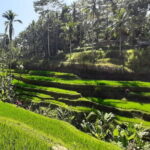
- Jatiluwih rice terraces: Subak irrigation and real working farms
- Bamboo Forest Restaurant by WHM: lunch with a view, not a cafeteria
- Batukaru Temple: sacred mountain sanctuary with 11th-century roots
- Hot mineral baths: why people keep returning
- The 4WD experience: bumpy roads, solid photos, and one real-world risk
- Price and what you’re really paying for (about $115.39)
- Who should book this Bali countryside 4WD day
- Should you book this Bali 4WD Adventure to Jatiluwih and Batukaru?
- FAQ
- How long is the Bali 4WD Adventure WakaLand UNESCO Jatiluwih trip?
- How many people are in each 4WD vehicle?
- Is pickup and drop-off included?
- What’s included with the tour?
- Are there admission fees at the stops?
- Can I cancel for a full refund?
Key highlights worth your attention
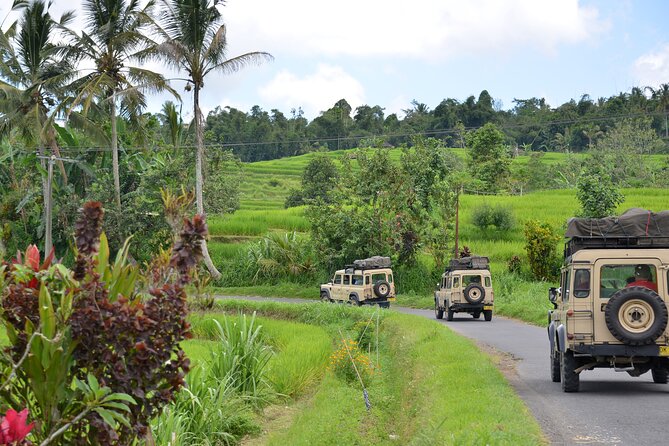
- Small-group 4WD ride (max 6 people per vehicle) for a more flexible, less crowded day
- Jatiluwih rice terraces and the Subak irrigation system viewpoint (admission listed as free)
- Penebel stone quarry and agricultural village tea that feels hands-on, not just scenic
- Lunch in bamboo at Bamboo Forest Restaurant by WHM with mountain views
- Batukaru Temple at a sacred mountain sanctuary tied to the Tabanan dynasty (founded in the 11th century)
- Hot mineral baths stop with guide context on why they still matter
Leaving the beach circuit: the Penebel to Jatiluwih rhythm
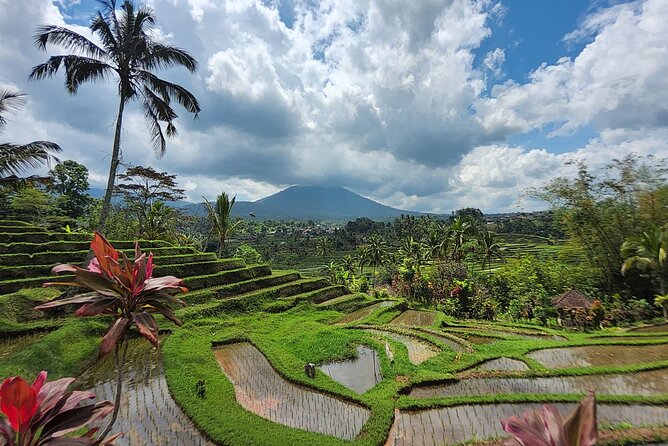
Most people picture Bali as beaches, bars, and tight lanes packed with scooters. This day is different. You start from the Ubud area and get picked up from select hotels around Kuta, Seminyak, Nusa Dua, and Sanur (and the broader Jimbaran/Nusa Dua area). The tour is designed as a full-day route that trades crowds for backroads, then brings you back to your hotel afterward.
The small-group setup matters more than you’d think. With up to 6 people per vehicle, you’re not fighting for the best side of the road every time the scenery opens up. You also get a smoother rhythm when the guide is trying to time short stops between drives.
Expect a true “day on the move” plan. It’s roughly 8 hours total, with breaks that are long enough to breathe and take photos, but short enough to keep the route moving into Bali’s interior.
You can also read our reviews of more tours and experiences in Ubud.



Penebel stone quarry and farm tea: the Bali you don’t scroll past
The first major stop is Penebel, where the day starts with a natural stone quarry. The idea here is simple and memorable: you see how villagers have been cutting stone out of a dry river bed for generations. Even if you don’t know the details of Balinese temple construction, you’ll quickly understand what this kind of stone means when you learn it’s used for temples and shrines.
Then you shift from stone to living agriculture. The drive continues through rural areas, and you get a stop at an agricultural setting where you can enjoy tea. There’s also a sense of place in the route itself: you’ll pass areas where modern and traditional architecture show up side by side, and you’ll often spot hand-carved deities placed in the surroundings.
Practical note: this is a good part of the day for photos, but don’t treat it like a photo-only stop. If your driver/guide slows down in spots that look “ordinary,” those are often the same spots where the story matters most.
Jatiluwih rice terraces: Subak irrigation and real working farms
Jatiluwih is where the route really turns scenic in a big way. You’ll have about 30 minutes at Jatiluwih, and the focus isn’t just on views—it’s on the Subak irrigation system, the traditional water-sharing system behind Bali’s terraced rice. That’s important because it explains why the terraced patterns look the way they do and why so many communities still treat them as more than pretty scenery.
This stop is listed with free admission, which helps keep the day’s value strong. You’ll want comfortable shoes here. The terraces can involve uneven ground and short walks between viewpoints, and you’ll probably want to spend a few extra minutes adjusting angles for the light.
If you’re the type who likes understanding how a place works, Jatiluwih is a great payoff. You’re not just looking at fields; you’re seeing a system that shapes daily life.
Bamboo Forest Restaurant by WHM: lunch with a view, not a cafeteria
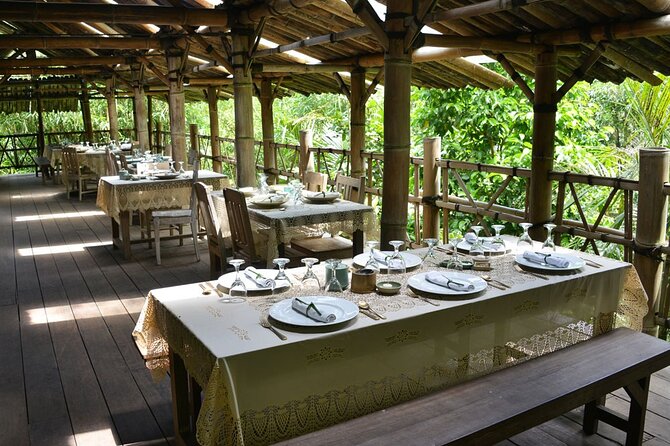
Lunch is one of the strongest reasons to book this tour. You head to the Bamboo Forest Restaurant by WHM on the slopes of Mount Batukaru, surrounded by large bamboo and rain-forest style scenery. The timing here is also practical: you get a proper meal in the middle of the day, not a rushed snack that disappears before you’ve finished enjoying the setting.
The itinerary notes that you’ll dine on Balinese cuisine, and you can choose from drinks such as tea, soft drinks, beer, wine, or coffee. That flexibility is a small but real quality-of-life upgrade on a day that otherwise runs on mountain air and stop-and-go driving.
Here’s a tip that’s helped me on similar mountain lunch stops: arrive ready to linger. You’ll usually find the best photo angles from just standing up and looking around, not from only aiming at one fixed view.
Batukaru Temple: sacred mountain sanctuary with 11th-century roots
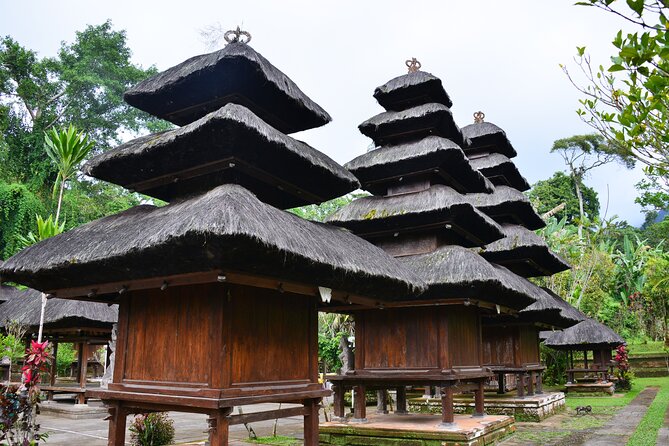
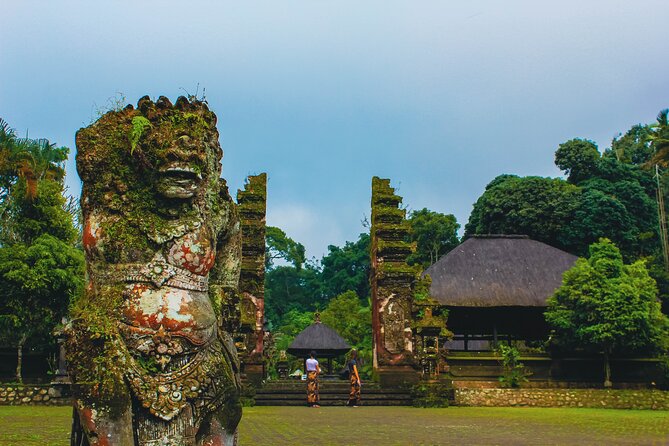
After lunch, you visit Batukaru Temple, described as a sacred mountain sanctuary and royal temple tied to the Tabanan dynasty. The tour info points to a founding in the 11th century by Empu Kuturan, a Hindu sage associated with establishing traditions across Bali.
This stop is valuable for two reasons:
- It gives context. Your guide can connect what you saw earlier (stone, rural life, hand-carved deities) to why temples and shrines are everywhere in Bali.
- It’s not built like a roadside gimmick. You’re visiting a living religious space, and that changes how you experience it compared to more performance-heavy stops.
Time on site is listed at about 1 hour, so it won’t feel like you’re stuck forever. Still, it’s long enough to watch how people move through sacred areas and to understand basic etiquette. If you’re unsure, follow what locals do and keep your pace unhurried.


Hot mineral baths: why people keep returning
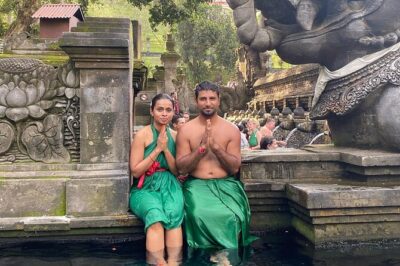
From Batukaru Temple, the next stop is the ancient hot mineral baths. The tour includes a guide explanation about the baths’ history and how they’re used today, which turns this from a simple “photo break” into something more meaningful.
The baths matter in Bali culture because hot springs have been part of healing, bathing, and ritual life for a long time. Even when you’re not a “spa person,” the main value here is learning why locals still care about them and seeing the baths within that broader tradition.
Practical consideration: this portion of the day can vary in how relaxed it feels depending on the water setup and how long you’re encouraged to stay. If you want the option to soak, bring a change of clothes in your day bag just in case it’s feasible during your stop.
The 4WD experience: bumpy roads, solid photos, and one real-world risk
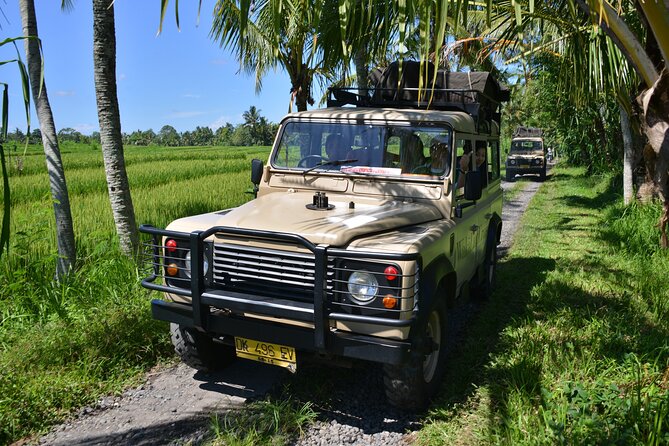
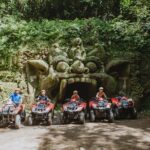
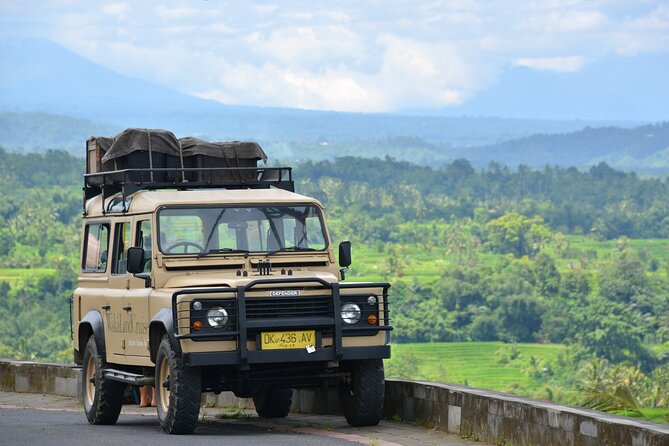
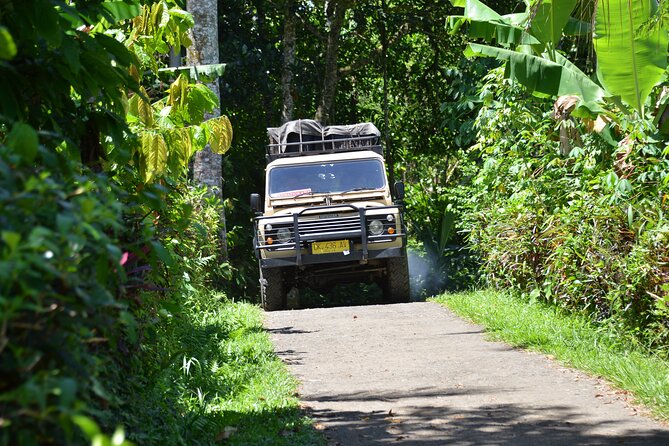
Let’s talk about the actual ride. This is a 4WD itinerary, which means you’re on rougher routes than you’d take in a normal car. That’s part of the appeal. The countryside routes make you feel like you’re really getting off the beaten path.
It also means comfort is about preparation:
- Wear shoes with grip for uneven surfaces and quick photo stops.
- Plan for sun one moment and shade the next, since the route moves through different elevations and temps.
- Keep your phone secure. You’ll want photos of terraces, bamboo corridors, and temple views, but you don’t want a “lost in the seat crack” moment.
One more practical note based on a real operational hiccup: a drive-shaft problem can happen on 4WD vehicles, and if it does, you may need to wait for a replacement. It’s rare, but I like knowing it’s not unheard of so you don’t panic if the day gets briefly delayed.
Price and what you’re really paying for (about $115.39)
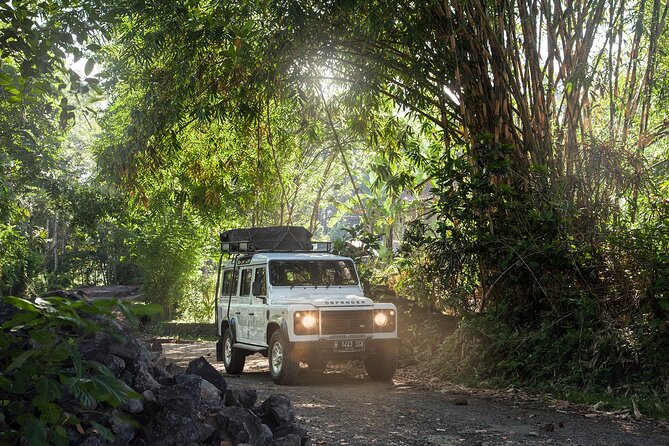
At about $115.39 per person for roughly 8 hours, this tour sits in the “mid-range day trip” zone. For the money, you’re paying for more than transportation.
Here’s what your ticket is built around:
- Pickup and drop-off from select hotel zones around Kuta, Seminyak, Nusa Dua, Sanur (and nearby areas)
- English-speaking licensed guide/driver
- Lunch (Balinese cuisine) at Bamboo Forest Restaurant by WHM
- Coffee and/or tea, plus additional beverages
- Stops with admission listed as free at Penebel and Jatiluwih
If you like value, the lunch setting helps. Many Bali day trips include food, but this one includes a meal in a place with a strong atmosphere and a mountain view. That’s the kind of difference you actually feel at the end of the day.
Also, the group size (max 6 per vehicle) is a quiet value booster. You’ll spend less time waiting around and more time enjoying each stop.
Who should book this Bali countryside 4WD day
This tour is a great fit if:
- You want rural Bali—rice terraces, quarries, village life—rather than only beach areas
- You enjoy a mix of culture and nature (temples plus working farmland)
- You care about a good lunch setting and views, not just check-the-box sightseeing
- You want a guided route with an English-speaking driver/guide who can explain what you’re seeing
It might not be the best match if:
- You expected a long, walking-heavy rainforest experience. The day includes rainforest-style scenery and bamboo, but the schedule is still mostly a driving route with stops.
- You dislike bumpy roads or want a very laid-back pace. This is active and outdoors-focused.
Should you book this Bali 4WD Adventure to Jatiluwih and Batukaru?
Yes—if you want a day that feels like you left the tourist center and actually explored Bali’s interior. The combination of Jatiluwih terraces, Batukaru Temple, hot mineral baths, and especially the bamboo restaurant lunch makes this one of those tours where the best parts are spread across the day, not concentrated into a single stop.
Book it with one expectation set: this is a countryside drive with cultural anchors, not an all-day jungle trek. If that matches what you want, you’ll get a memorable mix of Bali farming life, sacred sites, and mountain scenery—served with tea, lunch, and plenty of photo opportunities.
FAQ
How long is the Bali 4WD Adventure WakaLand UNESCO Jatiluwih trip?
The tour is listed as approximately 8 hours.
How many people are in each 4WD vehicle?
The maximum group size is 6 travelers per vehicle.
Is pickup and drop-off included?
Yes. Pickup and drop-off are offered from major hotels in areas including Kuta, Seminyak, Sanur, Jimbaran, and Nusa Dua (select hotels). The exact schedule is provided by the operator.
What’s included with the tour?
Lunch is included, along with coffee and/or tea and beverages. The tour also includes pickup/drop-off service and an English-speaking licensed guide/driver.
Are there admission fees at the stops?
In the itinerary, the Penebel stop and the Jatiluwih stop list admission as free.
Can I cancel for a full refund?
Yes. Free cancellation is available up to 24 hours in advance for a full refund. If you cancel less than 24 hours before the start time, the amount paid is not refunded.