REVIEW · UBUD
Ubud Arts & Crafts Tour
Book on Viator →Operated by Tour East Indonesia · Bookable on Viator
Ubud crafts start before the souvenir hunt. This Ubud arts and crafts tour takes you from your hotel to the jewelry village of Celuk, then on to woodcarving culture in Mas, with a final stop in central Ubud for art browsing. It’s a simple, guided way to see how Balinese crafts get made, not just how they get sold.
I love the way the tour keeps you close to the process, especially in Celuk where goldsmiths and silversmiths work on intricate pieces right in their workshops. I also like that Ubud isn’t treated as a single type of art—traditional and contemporary paintings show up side by side, so you get a clearer picture of what’s going on now.
One thing to consider: this tour includes visits to higher-end galleries and shops, so you’ll want to compare prices before you buy. It’s still a good day out, but you should go in with a calm shopping plan, not a rush.
In This Review
- Quick Takeaways
- Why This Ubud Arts & Crafts Tour Feels More Real Than Shopping
- Price and Logistics: What You Get for $50 and How the Timing Works
- Celuk Village: The Gold and Silver Jewelry Workshops You Came Here For
- Mas Carving Center: Masks, Natural Forms, and Hand-Chiseled Wood
- Ubud Art Market: Traditional and Contemporary Paintings in One Guided Stop
- The Best Part: A Guide Who Connects Craft to Meaning
- Shopping Smart: How to Avoid Overpaying at the “Top End” Stops
- Who This Tour Fits Best (and Who Might Want Something Else)
- Should You Book the Ubud Arts & Crafts Tour?
- FAQ
- How long is the Ubud Arts & Crafts Tour?
- What areas are pickup and drop-off available from?
- Which places does the tour visit?
- Are admission tickets included?
- Is food or drinks included?
- How much does the tour cost?
- How big is the group?
- What is the cancellation policy?
Quick Takeaways
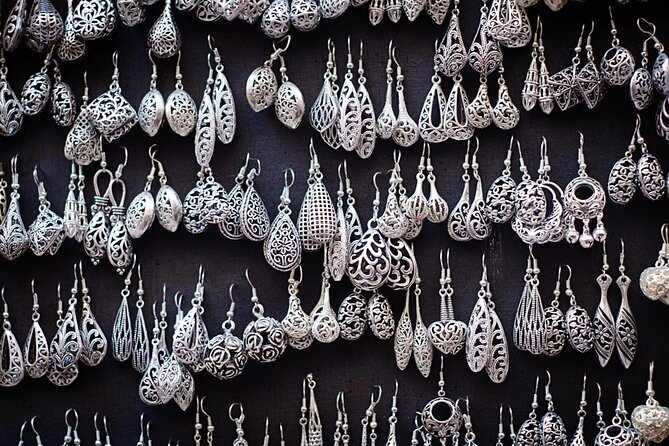
- Celuk silver and gold workshops: Watch artisans work on detailed jewelry in the village known for metal craft.
- Mas woodcarving: See hand-chiseled work and meet carvers making items like dance masks.
- Ubud art stop: A guided look at traditional and contemporary paintings in a quality shop area.
- Hotel pickup included: You avoid the hassle of arranging transport for a short, focused day.
- Small group feel: The tour caps at about 15 people.
- Bring a shopping mindset: You’ll be shown “top end” places, so price-checking helps.
Why This Ubud Arts & Crafts Tour Feels More Real Than Shopping
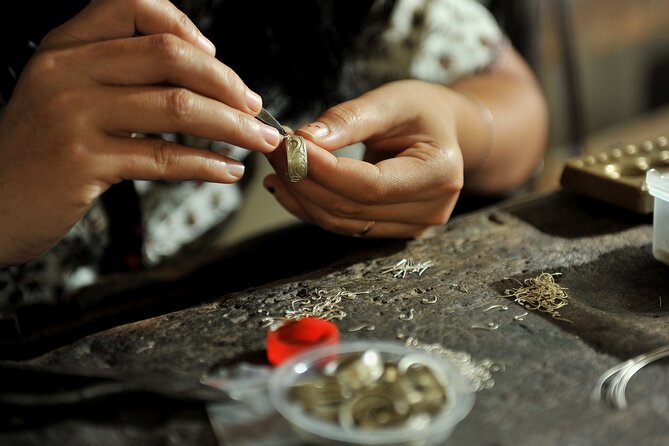
Balinese arts and crafts can look similar in photos—gold, wood, masks, paintings—but the real difference shows up when you watch hands at work and hear how designs get developed. This tour is built around that idea: fewer random stops, more time at the source.
I also like that it’s not just about purchases. In Celuk and Mas, you’re meant to understand the craft—how pieces are made, what styles are typical, and how the work connects to Balinese life and ceremonies. Then, in Ubud, the focus shifts to what people buy and collect, with traditional and modern painting styles in the same orbit.
The route is short enough to fit into a vacation pace, yet structured enough that you don’t spend your morning lost or guessing what to look for.
You can also read our reviews of more tours and experiences in Ubud.



Price and Logistics: What You Get for $50 and How the Timing Works
The price is $50 per person for about 4 hours. For that, you get a guided route with hotel pickup and drop-off, plus admission tickets at each stop. That matters, because it removes two common travel headaches: transport and “what ticket do I buy now?” confusion.
The tour runs with a start time of 8:30 a.m. and then returns you to your starting area. The itinerary is organized into three one-hour stops: Celuk, Mas, and then Ubud.
Two small practical notes to keep your day smooth:
- Food and drinks are not listed as included, so plan to buy your own water and snack if you need it.
- If you’re doing this from far out or timing is tight, confirm where the pickup is arranged in your hotel zone. The tour serves major areas including Kuta, Seminyak, Sanur, Jimbaran, and the Nusa Dua area.
Celuk Village: The Gold and Silver Jewelry Workshops You Came Here For
Celuk is famous for gold and silver work, and the best part of the visit is that you’re not just looking at finished products. You’re shown the workshop world where jewelry design and making happen.
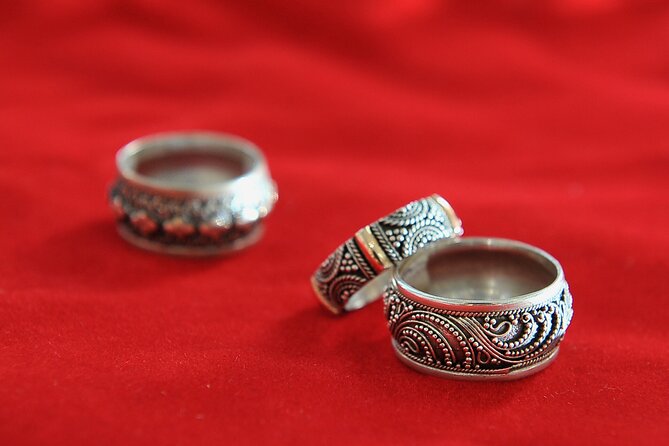
In this stop, you spend about an hour seeing artisans at work in their galleries and workshops. Your guide talks through the processes and family connections behind the craft, and you get a sense for how much work goes into pieces like rings and brooches.
What you’ll notice (if you pay attention) is that jewelry craft is both artistic and technical. The intricate look isn’t random; it’s the result of repeated steps and careful shaping. Even if you’re not buying, it’s worth watching because it trains your eye. You start to see what’s likely to be handmade versus what looks mass-produced.
A realistic drawback: since Celuk is also a sales hub, don’t be surprised if the shop experience feels commercial at times. Still, the difference here is that you’re paired with a guide, so you can ask questions and get context rather than just wandering.
Mas Carving Center: Masks, Natural Forms, and Hand-Chiseled Wood
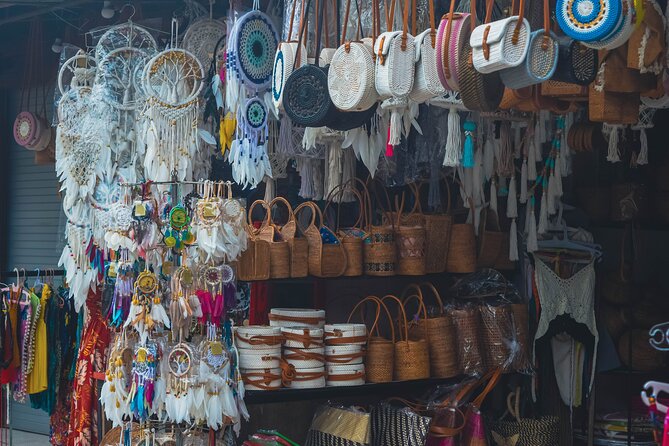
Mas Village is one of the places where woodcarving becomes its own language. This is the stop that tends to make people slow down, because the carvings aren’t just decorative—they connect to Balinese ritual life and storytelling.
You get about an hour in Mas, learning about the history of woodcarving on the island and then focusing on the local style. The carvings are known for natural designs and characters from Hindu mythology. And because the area is known for craftsmen who still chisel by hand, the work feels grounded and specific, not generic souvenir-making.
You’ll also see items tied to performance and ceremonies, including masks used in dance traditions. Watching the carving process helps you understand why these works can look expressive even when they’re carefully structured. The facial details, the proportions, and the way characters are stylized all become easier to appreciate when you see how artisans shape the wood step by step.
If you’re the kind of traveler who likes cultural context, Mas delivers. You’re not only looking at objects; you’re learning how Balinese mythology and daily practice show up in the craft.
Ubud Art Market: Traditional and Contemporary Paintings in One Guided Stop
After Celuk and Mas, the tour moves into Ubud, Bali’s art and culture center. This final stop is about seeing how the craft world translates into what people collect and display.
You’ll spend about an hour exploring an art market/area with your guide, with a focus on quality shops. Ubud is full of galleries, and this visit is positioned as one of the higher-quality stops in town, so you’re less likely to waste time comparing random storefronts.
What I like here is the mix: you can see traditional Balinese painting styles alongside contemporary works by well-known artists. That combination matters because it shows continuity instead of treating Balinese art as something locked in the past.
Practical expectation: you’ll likely see pieces priced across a wide range, and some shops will be more “talkable” than others. The guide helps you understand what makes Balinese art distinctive, so you know what questions to ask when you’re looking at brushwork, subject matter, and style.
And if you’re trying to decide whether to buy, Ubud can be a good reality check. You’ll start to notice the differences in materials, finishing, and how a piece is presented.



The Best Part: A Guide Who Connects Craft to Meaning
This tour works because the guide isn’t just there to count down minutes between stops. You get explanations that connect the objects to the people making them—families in Celuk, carved character styles in Mas, and an overview of what defines Balinese art in Ubud.
That kind of context changes how you shop. Instead of buying because something looks nice, you can buy because you understand the pattern, tradition, or technique behind it. Even if you don’t purchase, it makes the day feel purposeful.
It also turns the tour into a fast primer. In a few hours, you get a basic map of how craft skills in villages relate to art buyers and galleries in central Ubud.
Shopping Smart: How to Avoid Overpaying at the “Top End” Stops
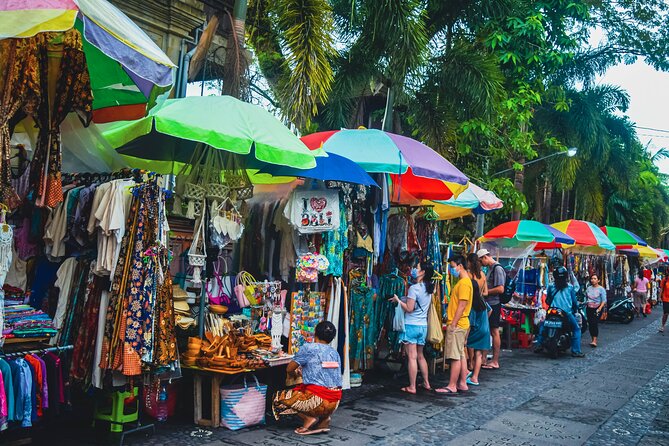
Here’s the tradeoff: this tour takes you to higher-end places. That can be good if you want reliable quality. But it can also mean higher prices than you’ll find in other areas.
One tip from real-world experience: when a stop feels like a sales showroom, don’t assume the first price is the final one. If the item is similar to what you can find elsewhere, do your comparison shopping. Some people end up finding better deals in places like Legian or Kuta for items that look close to the same (silver can be a different story depending on the specific piece and finish).
My advice for you:
- Set a budget before you arrive, then stick to it.
- Ask your guide what makes a piece higher quality (workmanship, details, materials).
- If you’re unsure, take note of what you like and revisit later instead of buying on the spot.
And one more thought: jewelry and art purchases can be emotional. The tour’s pace encourages quick decisions. Staying calm helps you get the piece you actually want, not just the deal you didn’t think through.
Who This Tour Fits Best (and Who Might Want Something Else)
This is a strong fit if you:
- Want to see Balinese crafts without spending the day bouncing around on your own.
- Like watching hands at work—especially in metal and wood.
- Want a guided way to understand what you’re looking at in Ubud, beyond casual browsing.
It’s less ideal if you:
- Only want outdoor sightseeing or temple-hopping and not workshops and shops.
- Hate any hint of shopping pressure. This tour includes galleries as part of the experience, even though the craft process is the point.
If you’re trying to balance Bali’s beach time with a different side of the island, this route is a practical change of pace. You get culture, technique, and the kind of visual details that make Ubud special.
Should You Book the Ubud Arts & Crafts Tour?
If you want a short, guided taste of Balinese craft culture, I think it’s worth booking. The structure makes sense: Celuk for metals, Mas for hand-carved work and masks, then Ubud for the art scene where traditional and contemporary styles meet. Hotel pickup and admission coverage also make it easy to fit into a day without logistics headaches.
I’d say book it sooner rather than later in your trip if you plan to shop, because it helps you learn what to look for. And if you’re buying, bring patience. Do price checks and don’t treat the first store as the last word.
If you’re only coming to Ubud for a single half-day and you want craft context with minimal effort, this is a solid pick.
FAQ
How long is the Ubud Arts & Crafts Tour?
The tour lasts about 4 hours.
What areas are pickup and drop-off available from?
Pickup and drop-off are included from major hotels in Kuta, Seminyak, Sanur, Jimbaran, and the Nusa Dua area.
Which places does the tour visit?
You visit Celuk Village, Mas (the woodcarving area), and the Ubud Art Market area.
Are admission tickets included?
Yes. Admission tickets are listed as included for each stop.
Is food or drinks included?
Food and drinks are not included.
How much does the tour cost?
It costs $50 per person.
How big is the group?
The tour has a maximum of 15 people.
What is the cancellation policy?
You can cancel for free up to 24 hours in advance for a full refund. Changes made less than 24 hours before the start time aren’t accepted.