REVIEW · UBUD
Bali Traditional Village Experience
Book on Viator →Operated by Taro Village Experience · Bookable on Viator
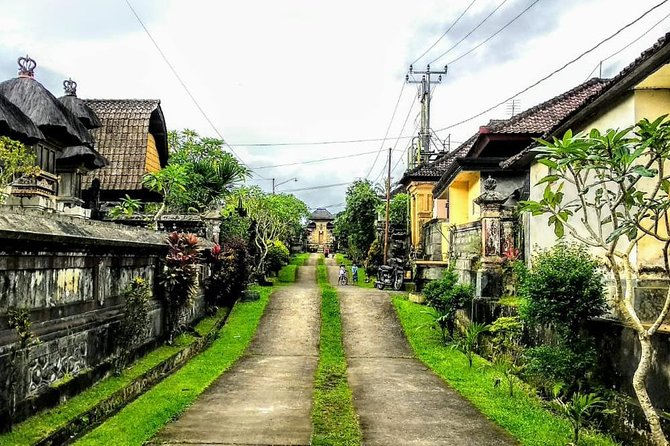
Taro village is a calmer side of Bali. This private half-day in Taro village (about 12 miles north of Ubud) takes you into a family compound, teaches you how to make Canang Sari offerings, and ends with a holy water blessing.
I love how personal it feels, not staged. You’re welcomed into the rhythms of village life: morning tea in the compound, learning where family and their temple spaces fit together, and then trying the offering-making process hands-on.
One thing to consider: this is short (about 2 hours) and you’ll need a bit of flexibility for the holy water stop, including changing into swimwear or wet clothes if you choose the cleansing ritual, plus paying a small cash donation/entrance fee there.
In This Review
- Key highlights worth your time
- Price and value: why $35 feels fair
- Getting to Taro from Ubud without the headache
- Family compound morning tea: where the day actually begins
- Canang Sari: making offerings the practical way
- Holy water site and the blessing ceremony: what changes at the end
- Included snacks and comfort details that make the day easier
- What to wear for sarong rules and wet-ritual options
- Timing, duration, and why this works as a half-day stop
- Who this tour suits best (and who should skip it)
- Should you book this Bali Traditional Village Experience in Taro?
- FAQ
- How long is the Bali Traditional Village Experience in Taro?
- Where does the tour start and end?
- Is transportation included?
- Is this a private tour?
- What do I learn and do during the visit?
- Are the sarong and sash provided?
- What is included in the price?
- What costs are not included?
- Can I combine this with other activities?
Key highlights worth your time
- Private experience in a real family compound in Taro, run by a local guide and his family setting
- Hands-on Canang Sari offering making as part of learning Balinese Hinduism
- Morning tea plus local nibbles like Bali cookies, with coffee and/or tea included
- Holy water blessing ceremony using your own offerings from earlier
- Sarong and sash included and required for entering the holy water site
Price and value: why $35 feels fair
At $35 per person for roughly 2 hours, the value comes from access, not from a long checklist. You’re paying for a private guide who brings you into a family compound and walks you through their spaces—where people live and where the family temple sits—plus teaches you an activity (offerings) that you won’t just watch from the sidewalk.
You’re also not doing the hardest part of the day yourself. The experience includes two-way private transfers from your Ubud area address, which matters in Bali. North of Ubud roads can be slow, and a short tour gets eaten alive if you’re scrambling for transport. Having pickup and return handled keeps the experience focused.
One practical note: the experience price covers snacks and drinks, plus a sarong for the temple visit. But the holy water location has a cash entrance/donation fee that isn’t included, so bring small bills for that moment.
You can also read our reviews of more tours and experiences in Ubud.



Getting to Taro from Ubud without the headache
Your day starts with pickup by driver from your Ubud area address, then a ride north to Taro. The activity begins at Delodsema Traditional Village, Tegallalang (listed meeting point), with the tour ending back at that same meeting point.
This matters more than you might think. With only about 2 hours total, the best way to keep this from feeling like a rushed drive is to skip the logistics and let the tour handle it. You’ll show up ready to participate—rather than arriving tired, sweaty, and late.
Also, the experience is private. That means you’re not stuck waiting for a big group to gather, use the bathroom, or decide what time to depart. If you like a calm, orderly day, this setup is a good fit.
Family compound morning tea: where the day actually begins
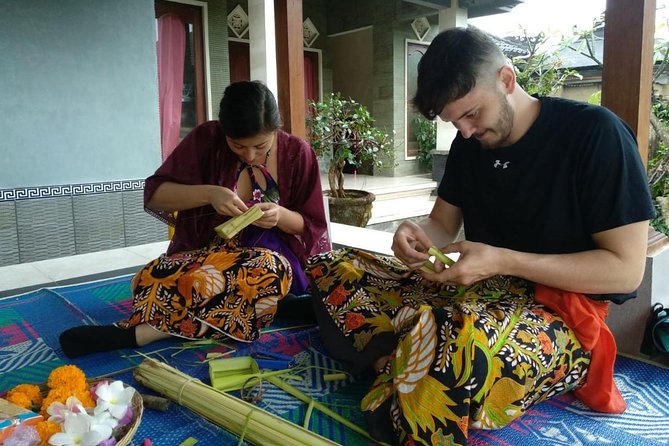
When you arrive, the host guide takes you through their traditional family compound. This is the heart of the visit. You’ll learn where each part of the compound belongs to the family, and you’ll hear about the family temple as part of how the home functions.
This kind of stop works best when you treat it like a conversation, not a photo-op. Listen for how the family explains daily spaces. Even if you don’t know Balinese Hinduism yet, the compound tour gives you an easy way in: you’re seeing the living foundation, then learning the belief practices that connect to it.
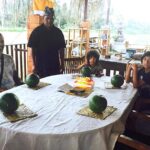
You’ll also get traditional morning tea in the compound. That’s a simple touch, but it changes the tone. Instead of rushing into activities, you get a brief pause with coffee/tea, then you start learning by doing.
What to watch for: you’re moving through a working family space. Keep your pace gentle and be respectful about where you step and linger.
Canang Sari: making offerings the practical way
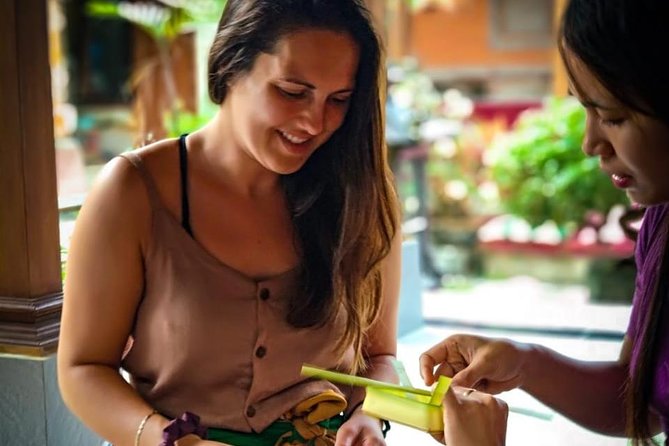
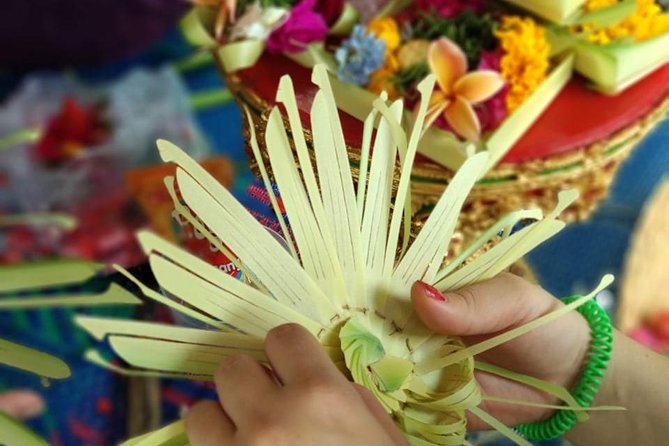
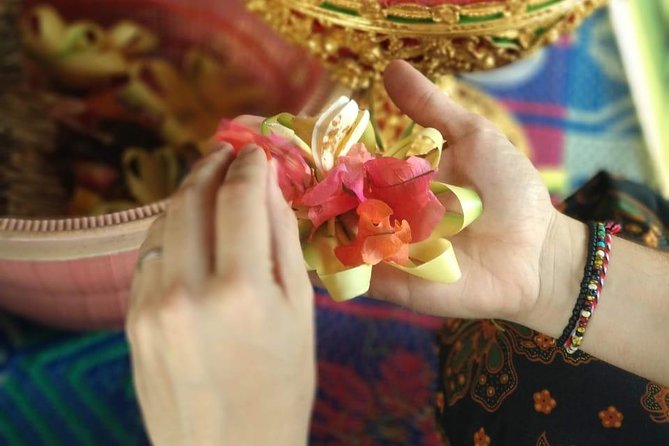
After the morning tea, you’re taught how to make Canang Sari offerings. You won’t just receive a quick explanation—you’ll be guided through making them yourself, as part of learning about Balinese Hinduism.
This is one of the most praised aspects of the experience for a reason: creating something small, specific, and meaningful gives you a deeper understanding than listening to general talk. It also gives you something tangible to remember long after you leave the village.
What makes this step especially good for visitors is how the tour links it to the later ceremony. Your offerings are then used during your holy water blessing. That builds a simple storyline for your visit: make → use → receive.
A possible drawback: if you’re not interested in hands-on activities, this part may feel like your only real activity. But if you can enjoy learning through making, it’s the most rewarding segment.
Holy water site and the blessing ceremony: what changes at the end
Next you’ll visit a sacred holy water site. This stop is designed to connect with what you made earlier, so you’re not starting from scratch again.
Here’s what you can expect on arrival:
- You may be able to change into swimwear or clothes that may get wet if you choose the cleansing ritual.
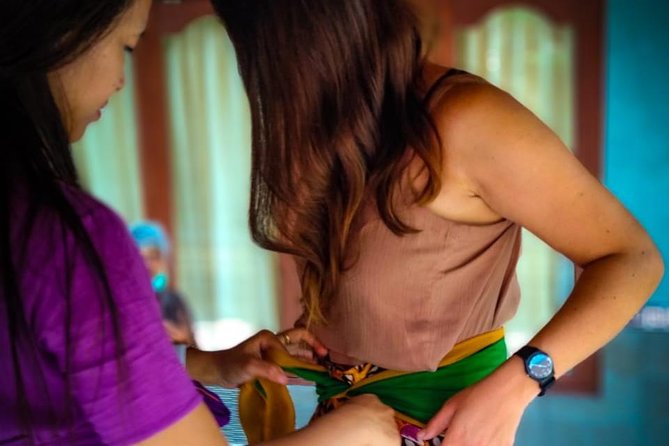
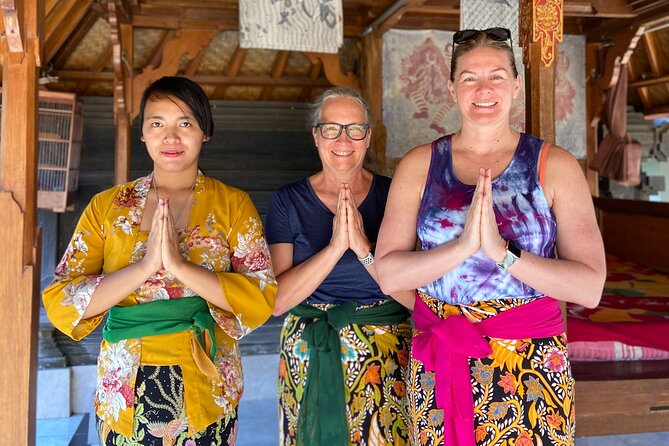
- You’ll be dressed in a sarong and sash, which are mandatory for entering the site.
- Your earlier offerings are used in your blessing ceremony.
The ceremony itself is centered on receiving a Hindu blessing with holy water. The tour notes that a small entrance fee is payable in cash at the holy water temple/site. That means you should plan to have money ready so the moment doesn’t feel awkward or delayed.
Even if you skip the cleansing ritual, the site visit is still meaningful because it shows you how the day’s practice becomes a blessing. You’re seeing the link between household offerings and a sacred place.
Consideration: holy water sites can involve wet or ritual preparation. If you get motion-sick, hate changing clothes, or aren’t comfortable with getting damp, decide in advance whether you’ll do the cleansing part or just participate in the blessing.


Included snacks and comfort details that make the day easier
This tour includes practical comforts that keep it enjoyable, especially since it’s short.
Included:
- Snacks (Balinese cookies)
- Coffee and/or tea
- Balinese sarong
Not included:
- Lunch
- The entrance ticket/donation at the holy water temple (cash payment)
Because there’s no lunch, plan around the timing. If you eat a big meal right before, you might feel heavy during offering-making. If you arrive hungry, the included snacks and tea help, but they may not replace an entire meal for everyone.
Also, you’ll be given the sarong, but you’ll still want to dress for comfort. Think easy-to-wear clothing you can move in.
What to wear for sarong rules and wet-ritual options
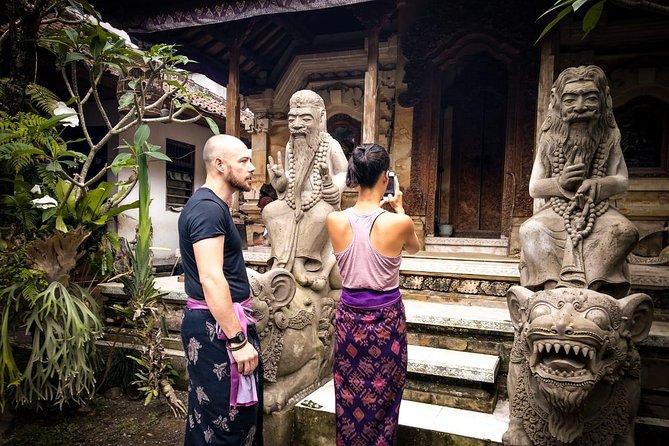
Even though the sarong is provided, you’re still the one who decides how you’ll handle the wet part of the experience.
Bring or wear:
- Clothing you’re comfortable getting wet or that you can swap if you choose the cleansing ritual
- Something you can change out of quickly at the holy water site if needed
- Simple footwear that’s easy to manage around a temple environment
The tour specifically notes that at the holy water site you can change into swimwear or wet clothes if you choose the cleansing ritual. That detail is worth planning for. If you arrive in delicate items or hard-to-wash fabrics, you might end up skipping the cleansing part purely for convenience.
Timing, duration, and why this works as a half-day stop
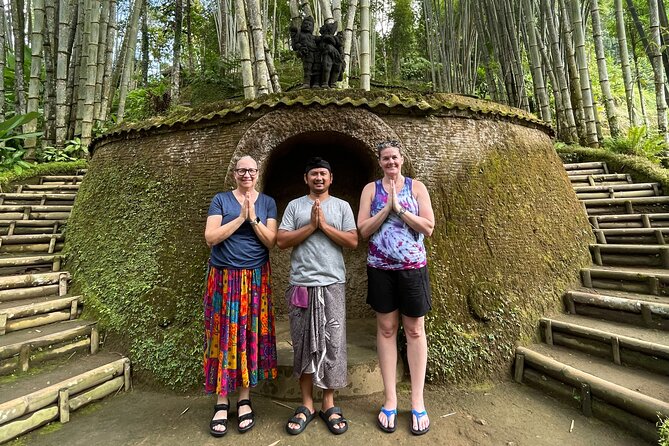
This experience runs for about 2 hours. The short length is a feature, not a bug. It’s an ideal cultural add-on when you want something authentic without draining your whole day.
It’s also well-suited for travelers who prefer:
- A focused cultural activity
- A break from long sightseeing days
- A quieter village setting rather than a full-day tour marathon
The tour is private, so your pacing is more flexible than a group tour. Still, you can’t stretch it into a long hangout—the point is to pack in family compound time, offering-making, and the holy water blessing in a clean sequence.
Who this tour suits best (and who should skip it)
This one fits best if you want a human, respectful look at village life and belief practices rather than a quick checklist of stops.
You’ll likely enjoy it if you:
- Want a hands-on cultural experience with a local family compound
- Like learning through small activities (like making offerings)
- Prefer a short private tour with pickup and return transfers
You might skip it if you:
- Don’t want wet or ritual clothing changes at the holy water site
- Need a full meal included as part of the tour (lunch isn’t included)
- Prefer long, varied itineraries with multiple attractions beyond one village experience
Should you book this Bali Traditional Village Experience in Taro?
Yes, I’d book it if your goal is a real-feeling village encounter in the Ubud area without the usual stress of coordinating transport and timing. The biggest wins are the private access to a family compound, the chance to make Canang Sari offerings yourself, and the way your offerings are used in the holy water blessing ceremony. That connection gives the day meaning, not just motion.
Book sooner than later if your dates are fixed. The experience is often booked about 50 days in advance on average, which suggests it’s popular for exactly the kind of travelers who want something calm, personal, and not overly touristy.
If you’re on the fence, think about what you want from Bali: beaches and big temples are only part of the story. This is the kind of experience that helps you understand daily religious life in a way that’s hard to get from a quick stop.
FAQ
How long is the Bali Traditional Village Experience in Taro?
It lasts about 2 hours (approx.).
Where does the tour start and end?
It starts at Delodsema Traditional Village, Tegallalang Road, Taro, Tegallalang, Gianyar Regency, Bali 80561, Indonesia. The activity ends back at the meeting point.
Is transportation included?
Yes. The tour includes 2-way private transfers from your Ubud area address.
Is this a private tour?
Yes. It’s private, so only your group participates.
What do I learn and do during the visit?
You’ll tour a family compound, enjoy morning tea, learn about Balinese Hinduism, make Canang Sari offerings, and then participate in a holy water blessing ceremony.
Are the sarong and sash provided?
Yes. A Balinese sarong is included, and you’ll be dressed in a sarong and sash for entering the holy water site.
What is included in the price?
Snacks (Balinese cookies), coffee and/or tea, and a Balinese sarong.
What costs are not included?
Lunch is not included, and you’ll need to pay a small cash entrance ticket/donation at the holy water temple/site.
Can I combine this with other activities?
You can combine it with a cooking class, coconut oil class, silver class, or evening fireflies, depending on what’s available.