REVIEW · UBUD
Beginner Canyoning trip in bali “Banyuwana canyon”
Book on Viator →Bookable on Viator
Your first Bali canyon descent starts green. This beginner trip in Banyuwana canyon pairs an easygoing approach with real technique coaching—so you’re not just walking around, you’re actually doing canyon moves. Two things I especially like: the small groups (max 10) feel manageable, and the team provides purpose-built gear plus hands-on instruction. The one downside to think about: this is an active, wet adventure with short hikes and rope work, so it’s not the choice if you want zero physical effort or dislike heights at all.
From your hotel, you get air-conditioned pickup and a day structured around breakfast, safety training, a guided descent, and a big local lunch. Guides like Abi and Barbara are known for keeping things calm and fun while still pushing you to try things like abseils and canyon jumps.
In This Review
- 6 Key Highlights You’ll Care About
- Beginner Canyoning in Ubud: What Banyuwana Feels Like
- Getting There from Your Hotel: Pickup and Wanagiri Base
- Breakfast, Warm Welcome, and Suiting Up
- The Approach Hike: Views, Footwork, and Getting Set
- Training Before You Drop: Lanyard Safety and Hand Signals
- Inside the Canyon: Descent, Jumps, Slides, and Ziplining
- Coming Back Up: The Return Hike and That Big Lunch
- What’s Included (and Why That Makes the Price Feel Fair)
- Who Should Book This Banyuwana Beginner Trip
- Timing and Operating Window: Plan for a Full Day
- Should You Book the Banyuwana Beginner Canyoning Trip?
- FAQ
- How long is the Beginner Canyoning trip in Banyuwana?
- Where do you get picked up from?
- What happens when you arrive at the Wanagiri base?
- Is there training for first-timers?
- What canyoning equipment is included?
- Is breakfast and lunch included?
- How big are the groups?
- What if the weather is bad?
6 Key Highlights You’ll Care About
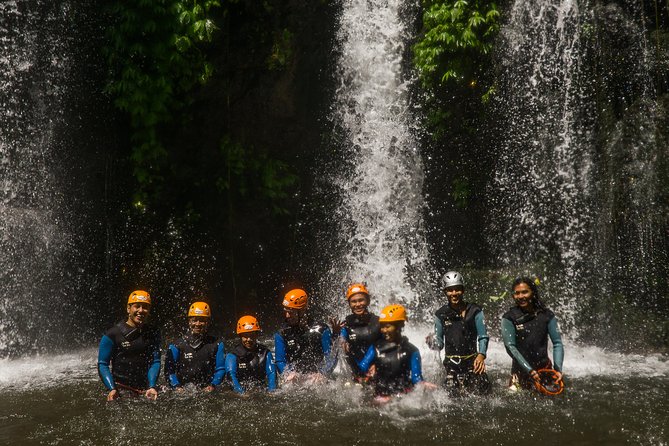
- Beginner-focused training before any real descents: You learn how to use the lanyard safety ropes, plus basic canyon hand signals.
- Latest canyon gear included: Wetsuit, harness, helmet, and canyoning boots are part of the package.
- Short, scenic approach hike to the start point: You earn the views before you get wet.
- A true “do the adventure” canyon day: The route includes rappelling-style descent, with activities described such as ziplining, sliding, and jumping.
- GoPro footage delivered during lunch: You can relax while you watch the action from your day.
- North Bali escape feel: People like the change of pace from busier southern Bali.
Beginner Canyoning in Ubud: What Banyuwana Feels Like
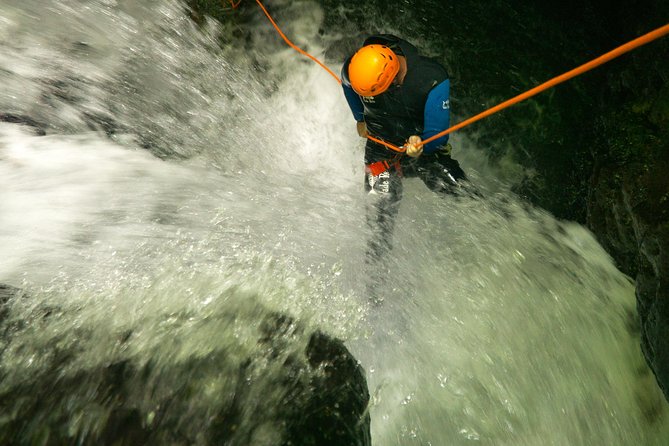
This is beginner canyoning in Bali, aimed at people who want to try the sport without needing prior experience. Banyuwana is described as a greener route than other canyon tracks, which matters because it makes the whole day feel more “nature-first” than “tourist attraction.”
Even if you’re nervous, the vibe here is practical: you hike in, you train briefly, and then you go. One review-style theme that shows up is that the team stays upbeat and safety-minded, especially for first-timers and families.
You can also read our reviews of more tours and experiences in Ubud.


Getting There from Your Hotel: Pickup and Wanagiri Base
Pickup works anywhere in Bali. You’ll board an air-conditioned vehicle and ride to a local base in Wanagiri, where the day starts before you ever see the canyon.
The pacing is sensible. You’re not dropped at a random spot and left to figure things out. Instead, you arrive at a proper starting point, get greeted, and settle in before gearing up.
Breakfast, Warm Welcome, and Suiting Up
At the Wanagiri base, you get a light breakfast with tea or coffee. It’s a small detail, but it helps—especially since you’re about to do a hike and wet activity.
Then your instructor handles the two most important parts for first-timers: a trip briefing and suit-up. You’ll use the provided latest technology canyoning gear, including:
- wetsuit
- harness
- helmet
- canyoning boots
This matters for comfort and safety. A wetsuit keeps you warmer than you’d expect in moving water, and the boots help when you’re stepping on slippery rock.
The Approach Hike: Views, Footwork, and Getting Set
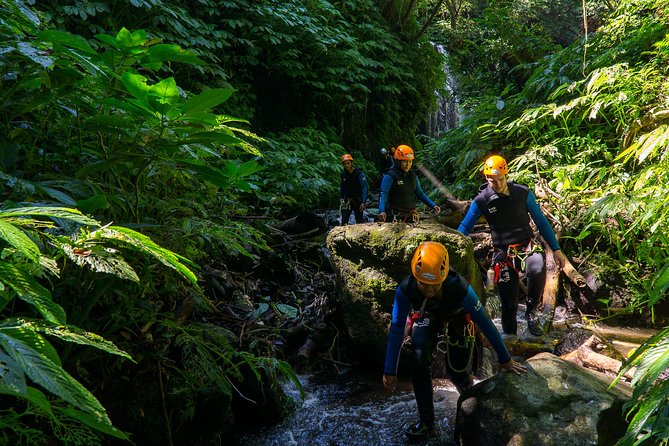
After suiting up, you hike toward the start point. Expect magnificent views and a steady approach that builds confidence.
This portion is also where you learn the rhythm of the day. You’ll walk, pause, listen, and get your bearings—so when it’s time to use your rope system, you’re not still adjusting to the environment.
One thing to remember: you’re still in outdoors mode. Sturdy footing and a willingness to move on uneven ground make the day easier.
Training Before You Drop: Lanyard Safety and Hand Signals
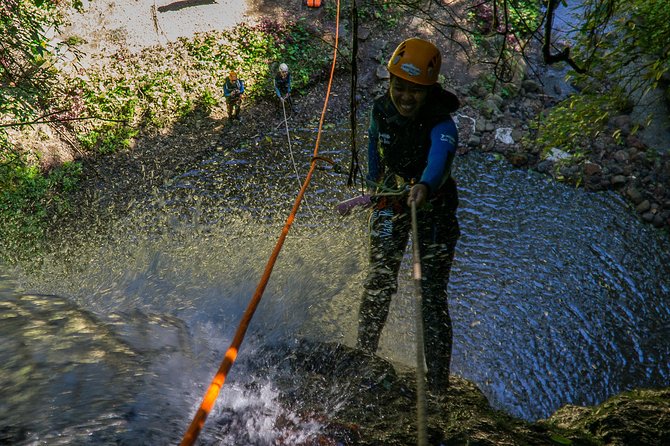
The key moment before the fun is training. When you reach the start point, your instructor gives short, clear guidance on:
- how to use your lanyard (safety rope)
- how to abseil (down a rope)
- basic hand signals used in the canyon
This is exactly what you want on a beginner canyoning trip. Not a long lecture—just enough instruction so you can follow direction quickly when you’re wearing your gear and standing near the drop.
And if you’re scared of heights, you’ll probably appreciate how the coaching is delivered. One experience described people being gently encouraged and even reminded to smile for photos while they’re doing the hard part.

Inside the Canyon: Descent, Jumps, Slides, and Ziplining
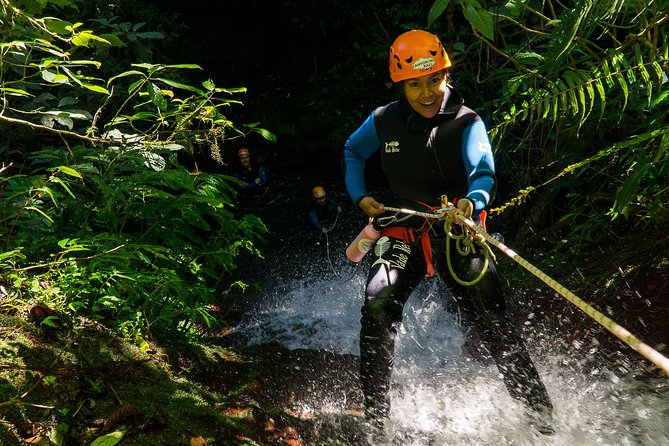
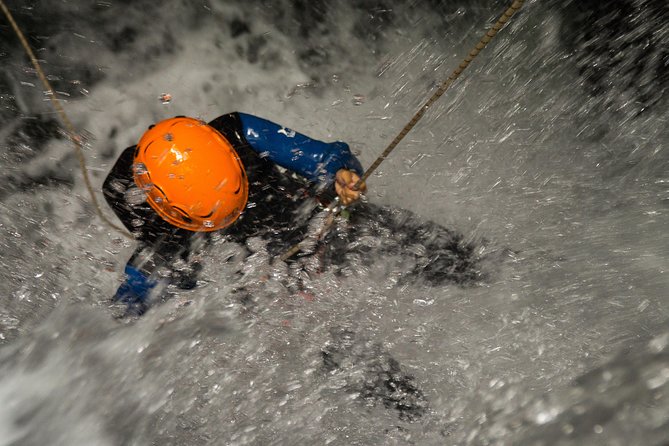
Then comes the descent. You’ll enjoy the drop and canyon action with your instructor leading and supervising.
The exact mix depends on the route conditions, but the Banyuwana experience is described as including a range of techniques and fun elements—rappelling-style descent, ziplining, waterfall sliding, jumping into water, and hiking within the canyon system.
Here’s how to think about this part: you’re not just waiting your turn. You’re moving through the canyon while staying tethered and coached. That’s why training matters. Once you understand the rope system and the hand signals, the canyon becomes something you can actually “do,” not just watch.
Practical tip: listen closely during the signals lesson. If you’re unsure in the moment, stop and ask using the process your guide taught you.
Coming Back Up: The Return Hike and That Big Lunch
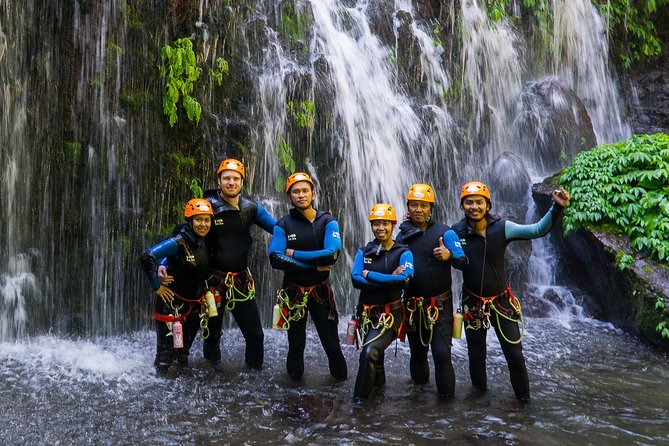
When you finish the descent, you hike back. It’s the end of the adrenaline cycle, but it still keeps you active and outdoors.
Then you get a big lunch with local food waiting for you. This is one of the most satisfying payoff moments of the day. You’ve worked for it—now you eat well.
During lunch, you’re also shown the footage captured during the descent. You’ll receive GoPro photos and videos, so you don’t need to bring extra cameras or worry about getting every shot yourself.
What’s Included (and Why That Makes the Price Feel Fair)
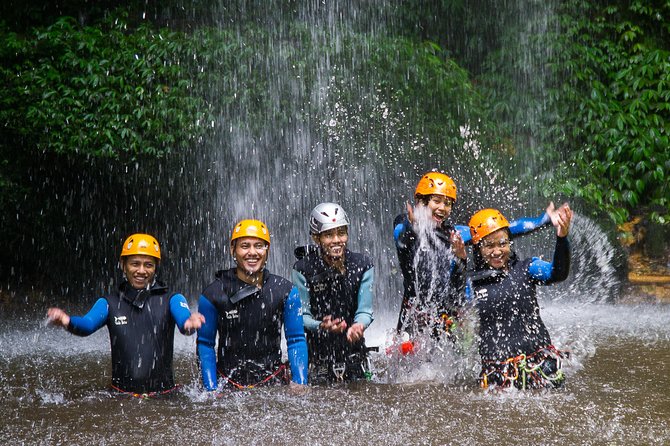
The price is $158.98 per person for a 1-day beginner canyoning experience. On paper, that can sound like a lot—until you total what’s bundled in.
Included highlights:
- Air-conditioned vehicle pickup
- light breakfast + snack + tea/coffee
- lunch (local food)
- wetsuit, harness, helmet, canyoning boots
- insurance
- GoPro footage (photos and videos)
- maximum group size of 10 travelers
The value is in the “everything is handled” setup. You’re not renting a bunch of gear, not paying extra for safety coverage, and not paying to have action footage captured.
Not included: USB storage. If you want a USB, you may need to ask in advance what format they provide. (The footage itself is included.)
Who Should Book This Banyuwana Beginner Trip
This trip is built for people who want canyoning without prior experience. It’s especially good for:
- first-time adventure seekers
- families and groups of friends looking for a shared challenge
- travelers who like structured coaching and safety-first guidance
Reviews also suggest the day works well even for people who start out afraid of heights. The coaching style described—friendly, positive, and focused on keeping you safe—can make the difference between backing out and actually trying the abseil.
That said, consider skipping if you:
- want a totally relaxed day with no active hiking
- don’t handle wet conditions well
- are completely uncomfortable with rope-based movement
Timing and Operating Window: Plan for a Full Day
This is listed as a 1-day experience with operating hours from 7:00 AM to 9:00 PM. Since you’ll be picked up from your accommodation and you’re doing a hike, training, descent, and return, treat it as a full-day commitment.
Also, the experience requires good weather. If weather is too poor, you’ll be offered a different date or a full refund.
Should You Book the Banyuwana Beginner Canyoning Trip?
If your goal is a real first canyoning experience—one that teaches you rope safety and gives you the chance to do the fun stuff—this is an easy yes. The combination of gear included, instructor-led training, small group size, and GoPro footage provided makes the price feel more like a bundled adventure than an add-on activity.
I’d book it if you want:
- a beginner-friendly canyon with clear safety coaching
- local lunch and an action recap during the meal
- a day that mixes hiking, descent techniques, and water play
I wouldn’t book it if you’re seeking a “sit and watch” kind of tour, or if you’re not willing to get wet and move on uneven terrain.
FAQ
How long is the Beginner Canyoning trip in Banyuwana?
It’s listed as a 1-day experience, approximately.
Where do you get picked up from?
Your driver will pick you up at your accommodation anywhere in Bali.
What happens when you arrive at the Wanagiri base?
You’ll be welcomed, then enjoy a light breakfast with tea or coffee before the instructor briefing and getting suited up.
Is there training for first-timers?
Yes. You’ll receive a briefing and then learn how to use your lanyard safety ropes, how to abseil, and some hand signals before you start the descent.
What canyoning equipment is included?
You’ll be provided wetsuit, harness, helmets, and canyoning boots.
Is breakfast and lunch included?
Yes. You’ll have light breakfast (snack and coffee/tea) and a big lunch with local food.
How big are the groups?
The tour has a maximum of 10 travelers.
What if the weather is bad?
The experience requires good weather. If it’s canceled due to poor weather, you’ll be offered a different date or a full refund.