REVIEW · UBUD
Ubud Highlights Tour ( Private All-Inclusive )
Book on Viator →Operated by Putu Bali Driver · Bookable on Viator
Ubud’s small-world charm packs a lot in. This private tour mixes famous art villages with temple and palace visits, then adds the Sacred Monkey Forest Sanctuary for a lively finale. I like that it’s organized around real local specialties, not just check-the-box sightseeing, and you travel in your own air-conditioned vehicle with a guide.
What I especially like is the crafts route: Tohpati for batik, Celuk for gold and silver, Mas for wood carving, and Batuan for painting. You also get a rare look at day-to-day Balinese life through a traditional residence compound, plus temple architecture at Desa Batuan Temple and Tirta Empul.
One thing to consider: most stops are intentionally brief (often 30 to 40 minutes), so if you want long shopping sessions or deep workshop time, you may wish you had extra hours. Also, Monkey Forest entrance is not included, with a $10 per person cost to plan for.
In This Review
- Key things that make this Ubud tour worth your time
- Why this private Ubud plan works in 5 to 7 hours
- Tohpati, Celuk, Mas, and Batuan: where Ubud’s crafts start
- A small reality check on timing
- Batuan’s house compound and Desa Batuan Temple details
- The one drawback here
- Ubud Palace and Puri Saren Palace: royal architecture in plain sight
- Photo tip that saves you time
- Tirta Empul Temple: the spring holy water stop you’ll remember
- Considerations for temple etiquette
- Sacred Monkey Forest Sanctuary: tickets and fast-moving energy
- A practical way to handle monkey encounters
- Art market browsing: souvenir time without turning the day into shopping
- How to shop smarter during a short stop
- Price and value: what $65 buys, plus the likely extras
- Using your guide well: friendliness plus real context
- Who should book this Ubud Highlights Tour
- Should you book this Ubud Highlights Tour?
- FAQ
- How long is the Ubud Highlights Tour?
- What time does the tour start?
- Is hotel pickup and drop-off included?
- Is this a private tour?
- What craft villages does the tour visit?
- Are entrance fees included?
- Does the tour include meals?
- How long are the stops usually?
- What is the cancellation policy?
Key things that make this Ubud tour worth your time
- Private door-to-door pickup with hotel drop-off in an air-conditioned vehicle
- Craft-focused art villages: Tohpati (batik), Celuk (gold and silver), Mas (wood carving), Batuan (painting)
- Batuan’s house compound view plus a guided look at how families live on Bali
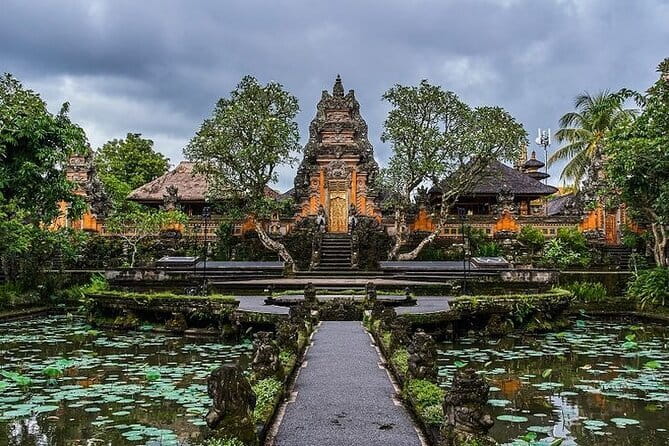
- Desa Batuan Temple for Balinese ornamentation and gate details
- Tirta Empul Spring Holy Temple with admission included and sacred-water context
- Monkey Forest Sanctuary visit, with the ticket cost handled at the time of entry
Why this private Ubud plan works in 5 to 7 hours
This is a good “first Ubud” format because it covers several sides of the town in one day: art production, religious sites, and royal connections. You start at 9:00 am and have about 5 to 7 hours overall, which is long enough to see the main highlights without turning the day into a full-on sprint.
The private setup matters. With your own guide and driver you’re not stuck waiting for other groups, and you can ask follow-up questions as you go. In a place like Ubud—where crafts and rituals are the point—those small conversations are where the day becomes more meaningful.
It’s also “all-inclusive” in the ways that count for hassle: hotel pickup and drop-off, plus transport. Meals and souvenirs are not included, so you’ll want to budget some cash or card for lunch on your own and for any gifts you decide to bring home.
If you care about value, look at what is actually included versus added later. Tirta Empul’s admission is included, but the Monkey Forest ticket is extra at entry. That makes your total cost pretty predictable once you add the Monkey Forest fee.
You can also read our reviews of more private tours in Ubud


Tohpati, Celuk, Mas, and Batuan: where Ubud’s crafts start
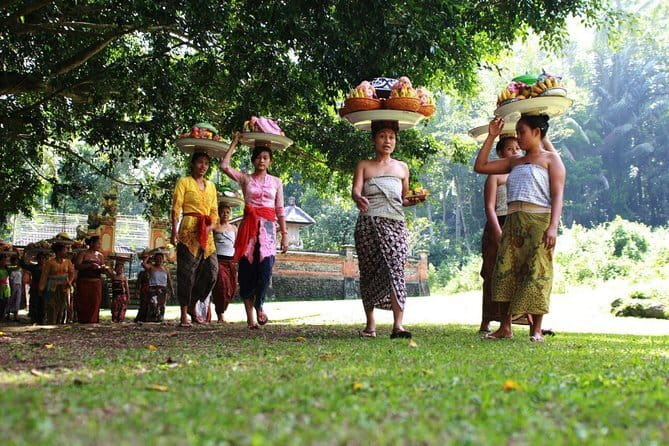
The day begins with Ubud’s art villages, and it’s a smart way to get oriented fast. These stops are short, but each one points you to a specific craft tradition, which helps you understand what you’re seeing later in markets and shops.
- Tohpati is known for batik, and your time here is about 40 minutes. You’ll be in the right place to notice patterns and dye work, and your guide can explain what makes a design look Balinese rather than generic.
- Celuk is known for gold and silver craft. Your stop is about 30 minutes, so focus on observing technique and asking what items are best to buy if you want lasting quality.
- Mas is the wood carving village. Even with limited time, you can see how styles differ depending on the maker and the subject.
- Batuan is known for painting. This is a good stop if you like art that feels connected to daily life rather than only to galleries.
Admissions for these craft stops are listed as free, which is nice. The real payoff is that you’re not just looking at souvenirs—you’re learning what each village does best. That turns shopping into something more thoughtful, and it helps you avoid buying the same mass-produced items you might see anywhere in Bali.
A small reality check on timing
Because the sessions are about 30 to 40 minutes, you won’t have hours to watch carving or painting from start to finish. If you’re hoping for a slow, detailed craft workshop experience, build that expectation into your plans—or ask your guide if there’s a preferred maker to meet.
Batuan’s house compound and Desa Batuan Temple details
Batuan is more than art. One of the best moments on this tour is the chance to see a Balinese house compound—the traditional way families live on the island. Your guide walks you through what daily routines can look like, which makes the architecture and ornamentation feel less like scenery and more like function.
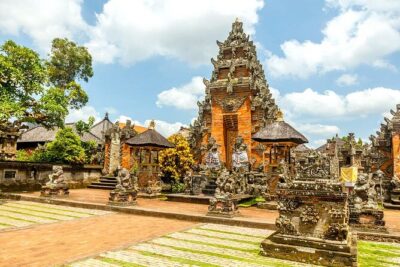
From there, the tour moves to Desa Batuan Temple, where you can admire typical Balinese architecture. Pay attention to the entrance gate and the ornamentation inside. Temples in Bali aren’t only about worship; they also show cultural patterns through carvings, layout, and the way space is used.
This part of the day is valuable because it slows you down just enough to connect craft and culture. When you’ve seen art villages earlier, the temple stop gives context: you start recognizing motifs and design choices that show up across daily life.
The one drawback here
The time is still limited, so you may have to choose what you focus on—temple details, photographs, or conversation. If you’re into temple architecture, tell your guide what you want to notice and ask for a few specific spots to look at.



Ubud Palace and Puri Saren Palace: royal architecture in plain sight
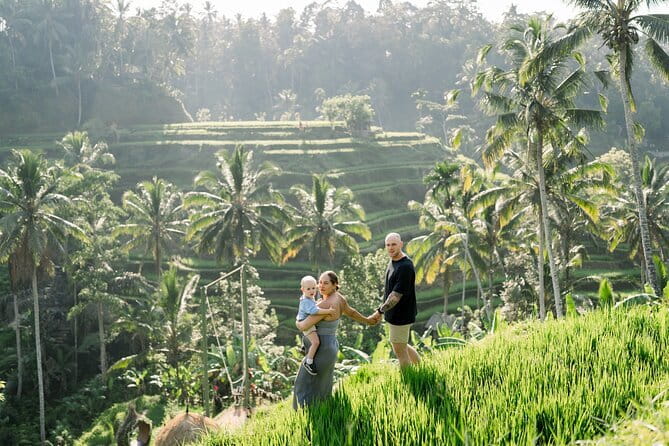
After the art-village circuit, you shift toward royal Ubud. There are two related stops here: Ubud Palace (where the King of Ubud resides) and Puri Saren Palace, where the royal family lives.
You’ll spend around 30 minutes at Ubud Palace, which is enough to take in the traditional houses and understand why palace grounds are so central to Balinese social life. In central Ubud, palace areas often sit alongside busy streets, but the design and layout help you feel the shift from public life to more ceremonial space.
For me, the interest is how a palace visit complements temples and crafts. Temples show religious practice; art villages show skilled work; palace compounds show how power and tradition were historically organized. Put together, they make Ubud feel like one connected story instead of a list.
Photo tip that saves you time
If photos matter, plan to shoot a few key angles early. With only about half an hour, it’s easy to spend too long on one background. Ask your guide for the best viewpoint early, then you’ll have more time for browsing and questions.
Tirta Empul Temple: the spring holy water stop you’ll remember
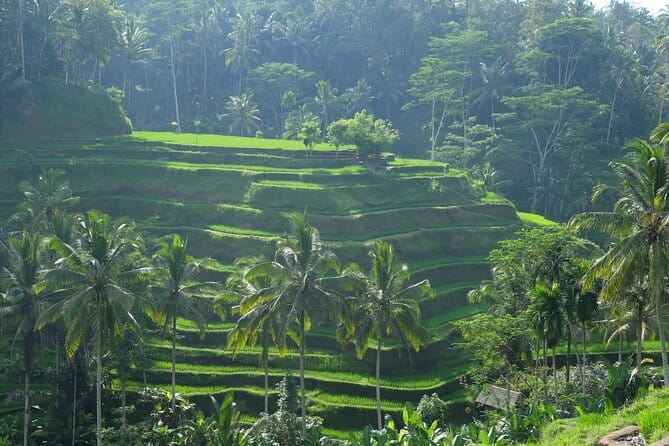
Tirta Empul is a standout because it’s not just an architectural look-see. It’s a Spring Holy Temple centered around a water source within the temple where Balinese people go to bathe in sacred waters.
Your visit runs about 45 minutes, and the admission is included. That matters because it keeps your budget clean and it signals that the temple visit is treated as a core part of the experience, not a quick photo break.
What to look for is the practical meaning behind the rituals. Water is sacred here, and the temple’s role becomes clearer once you understand that people return for bathing and spiritual practice. Even if you don’t participate in the bathing, the atmosphere around the water source helps you grasp why this temple is so important.
Considerations for temple etiquette
This tour is a mix of craft villages and sacred places, so wear something comfortable and keep your behavior respectful. If you’re unsure what’s appropriate, ask your guide before you enter the main areas. They’ll steer you right without making it awkward.
Sacred Monkey Forest Sanctuary: tickets and fast-moving energy

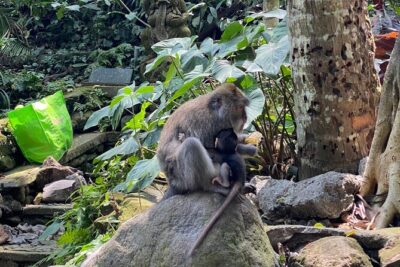
The Sacred Monkey Forest Sanctuary is the action part of the tour. You’ll have time to observe the monkeys up close, and it’s usually one of the most memorable moments because it’s alive—literally.
However, plan for cost: the Monkey Forest entrance fee is not included, and you should expect $10 per person. Since the tour is otherwise structured around included transport and guide time, this add-on is the main surprise expense to keep in mind.
Expect the visit to feel less like a calm museum and more like a nature-and-crowds moment. You may need to be flexible with your pacing, especially if monkeys are active in the area you’re trying to photograph.
A practical way to handle monkey encounters
Bring a small mindset shift: treat your bag and phone like you’d treat them around curious kids. Keep items secured and avoid waving food around. Even if you think you’re careful, the sanctuary has unpredictable monkey energy, so stay alert.
Art market browsing: souvenir time without turning the day into shopping

After the palace and monkey forest portion, you have the option to browse an Ubud art market. This is your chance to turn what you learned in the art villages into real purchases—batik items, metalwork-inspired gifts, carvings, and paintings.
Because the tour is private, you can decide how much time you want here. If you want browsing plus quick comparisons, you can keep it light. If you want to compare quality and ask prices, your guide can help you figure out what’s worth it and what’s mostly decoration.
How to shop smarter during a short stop
Don’t buy the first thing you like. Use the art-village context you already got. For example: if Tohpati batik was part of your morning, look for fabrics and pattern work that match what you noticed earlier. That makes souvenir shopping feel less like luck and more like buying with your eyes open.
Price and value: what $65 buys, plus the likely extras
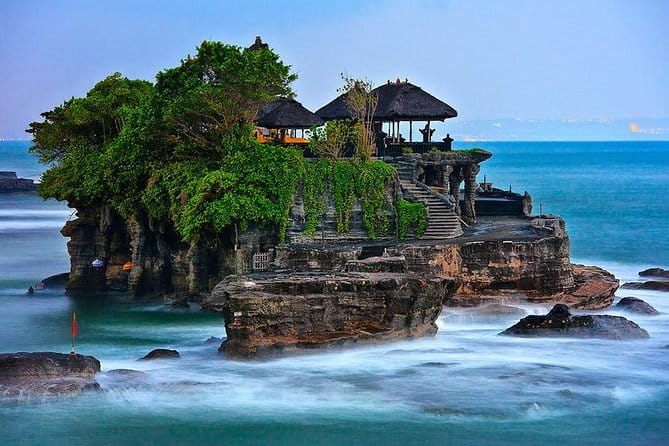
At $65 per person, the core value is the private format. You’re paying for a guide, a private driver, air-conditioned transport, and hotel pickup and drop-off. For a 5 to 7 hour day, that can be a strong deal when you compare it to piecing together taxis plus separate entry costs plus waiting time.
Meals and drinks are not included, so you’ll need to plan for lunch or snacks on your own. Souvenirs aren’t included either, which is standard, but it means you should decide your shopping budget before the day starts.
Here’s the extra cost that matters most: the Monkey Forest Sanctuary entrance fee is not included (listed as $10 per person). On the other hand, Tirta Empul admission is included. Some craft and palace stops are marked as admission free, so you’re not paying entry fees all day long.
Booking-wise, the tour is often reserved around 7 days in advance on average. If you’re traveling during a busy season or have a tight schedule, earlier booking helps you lock in the 9:00 am start.
Using your guide well: friendliness plus real context
One of the most praised parts of the experience is the guide. In a recent booking, the guide Ngurah was described as very friendly and strong on day-to-day local understanding, and that’s exactly what you want for a tour like this.
A private guide can do more than point at things. They can explain why a temple layout looks the way it does, why certain motifs show up in craft villages, and how to spend your limited time so you don’t rush past the best details.
To get the most out of your day, ask simple questions:
- What makes this village’s craft style different?
- What should I notice at the temple gate?
- If I want one type of souvenir, what’s best value here?
And if you’re going with your own list of interests—monkeys, craft technique, royal-era architecture—tell your guide early. You’ll get a better pace if they know your priorities from the start.
Who should book this Ubud Highlights Tour
This tour is a strong fit if you want a focused introduction to Ubud’s culture. It works well for first-timers who like variety: crafts in morning, palace and temple stops, then monkeys to close out the day.
It also suits travelers who prefer privacy. If you’d rather talk with one guide than join a bigger group, the private vehicle and guide time make the difference.
You might want a different option if you’re hoping for a long, slow deep study of any single site. Most stops here are timed for coverage, not for extended workshop viewing. It’s built for seeing, understanding, and moving on.
Should you book this Ubud Highlights Tour?
If your goal is to see art villages, royal palace areas, and key temples in one organized private day, I’d say it’s a smart booking. The price covers the practical stuff—pickup, transport, guide time—and the included temple admission helps your budget stay under control.
Book it if you’re ready for short, well-chosen stops and you enjoy learning while you walk. Skip it or plan extra time elsewhere if you want long crafting demonstrations or a deeper temple immersion. Either way, go with the right expectation: this is a highlights-style route that gives you a solid Ubud overview without turning the day into a long slog.
FAQ
How long is the Ubud Highlights Tour?
It runs about 5 to 7 hours (approximately), with a full tour style that’s designed around a morning start and a return in the late afternoon.
What time does the tour start?
The start time is 9:00 am.
Is hotel pickup and drop-off included?
Yes. Hotel pickup and drop-off are included as part of the private tour.
Is this a private tour?
Yes. It’s private, so only your group participates.
What craft villages does the tour visit?
You visit Tohpati (batik), Celuk (gold and silver), Mas (wood carving), and Batuan (painting).
Are entrance fees included?
Tirta Empul Temple admission is included. The Monkey Forest entrance fee is not included and is listed as $10 per person.
Does the tour include meals?
No. All meals and drinks are not included.
How long are the stops usually?
Times vary by stop. Craft and palace stops are around 30 to 40 minutes, and Tirta Empul is about 45 minutes.
What is the cancellation policy?
Free cancellation is available. You can cancel up to 24 hours in advance of the start time for a full refund.