REVIEW · KUTA
Balinese Village Experience
Book on Viator →Operated by Bali Buddies · Bookable on Viator
A day in Pacung Sangeh moves at village speed, not tour-bus speed. You’ll be welcomed into a family compound in Pacung Sangeh Traditional Village, learn how daily Balinese Hinduism shapes life, and take part in hands-on rituals like making canang sari offerings.
What I love most is the name-on-the-door connection: your host and guide is Wayan Eric, who grew up locally and can explain what you’re seeing in plain, human terms. I also like that the day is built around real village routines, not just scenery.
One consideration: this is a spirit-and-home-focused experience, so if you prefer big-ticket sights or lots of free time, you may feel the schedule is more structured than you want.
In This Review
- Key highlights you’ll care about
- Why Pacung Sangeh Village Feels Personal, Not Performative
- The 8:30 Start: Your Day Moves Fast, So Plan Your Morning
- Inside the Family Compound: Morning Tea, Cakes, and Daily Life
- Making Canang Sari Offerings (And Why It Matters)
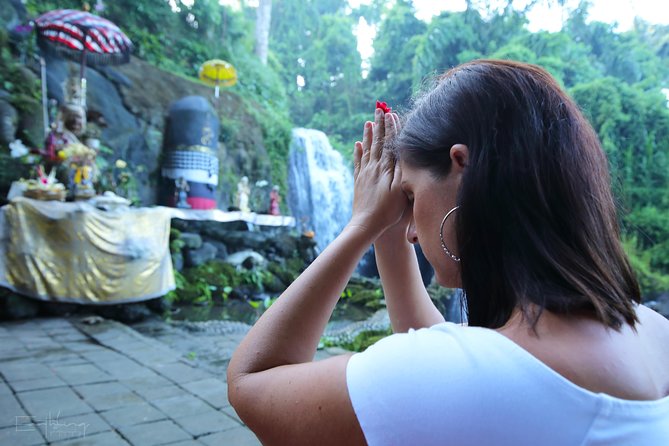
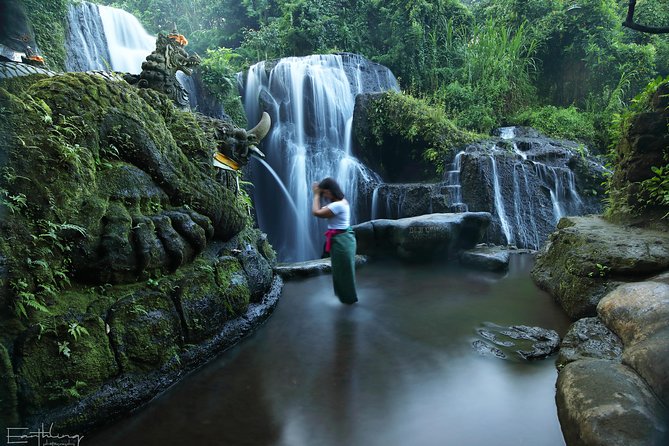
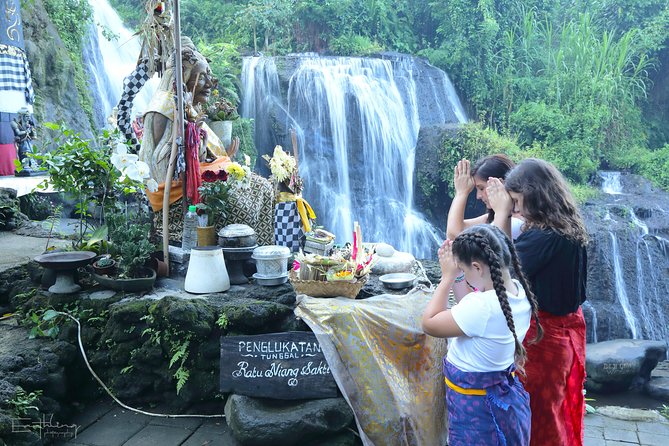
- The Cleansing Ceremony and Sacred Water Temple Blessing
- Lunch at a Scenic Warung: Real Food, Not Just Fuel
- Price and Value: What $70 Gets You in Real Time
- Logistics That Actually Matter: Timing, Pace, and Comfort
- Who Should Book This Balinese Village Day
- Should You Book This Pacung Sangeh Village Experience?
- FAQ
- What area in Bali is this tour based around?
- What time does the tour start?
- How long is the experience?
- What’s included in the tour?
- Does it include hotel pickup and drop-off?
- Is there a mobile ticket?
- How big is the group?
- Who guides the experience?
- Are service animals allowed?
- What is the cancellation policy?
Key highlights you’ll care about
- Wayan Eric as your host and guide, with village-rooted explanations you can actually ask questions about
- Hands-on canang sari making, plus a cleansing ceremony connected to the blessing ritual
- A family compound visit where you see how daily life unfolds beyond the temple gate
- Morning tea with Balinese cakes and coffee, then lunch at a scenic warung
- Sacred water temple blessing, with the holy water setting described as waterfall and caves
Why Pacung Sangeh Village Feels Personal, Not Performative
This tour is anchored in Pacung Sangeh Traditional Village, outside the main flow of South Bali. The big difference is that you’re not dropped into a viewpoint area for photos. You start your day with a real introduction—your guide comes from the village and keeps you close to how people actually live.
You’ll leave Kuta-area hotels and head out with a professional driver, then meet your guide. The experience runs like a visit you’ve been invited to, with a small group cap of 10 people, which matters more than you’d think. Smaller groups make it easier to ask questions, slow down when you need a moment, and not feel rushed when the conversation turns personal.
I also appreciate the framing of Bali’s Hinduism in everyday terms. You learn why offerings show up in daily routines and how rituals connect to family life, not just religion as a set of rules.
If you want Bali that feels rooted—where faith, food, and community are part of the same day—this is the kind of place that makes sense.
You can also read our reviews of more tours and experiences in Kuta.


The 8:30 Start: Your Day Moves Fast, So Plan Your Morning
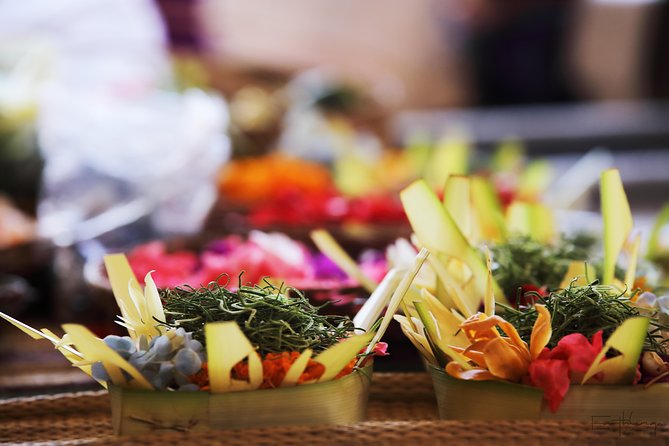
The tour begins at 8:30 am, with pickup offered from many South Bali hotels. That early start is a benefit if you hate wasting time in traffic, and it helps you reach the village while the day still feels calm.
The flow you can expect is simple:
- hotel pickup and transfer
- meeting with your guide
- a long village segment that includes family time and ritual participation
- then food and the sacred water temple blessing
- return drop to your hotel
Because it’s about hands-on participation, you’ll be happier if you’re awake enough to pay attention and follow instructions during ceremonies. If you tend to run late, set an alarm and give yourself buffer time—the pickup is part of the value.
Inside the Family Compound: Morning Tea, Cakes, and Daily Life
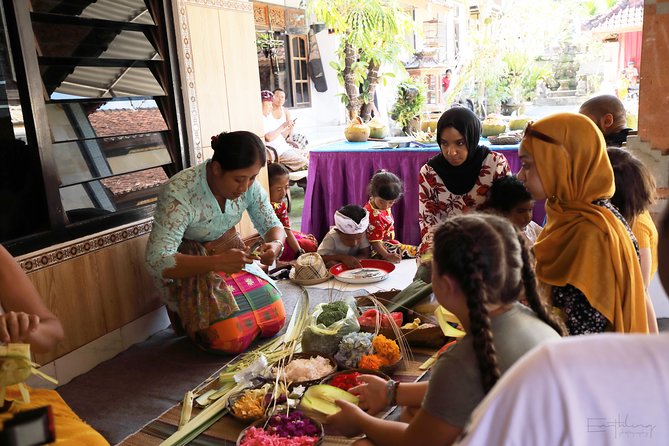
Your first major moment is arriving at a real family compound. You get welcomed into the home space where daily life happens. That can be emotional in a quiet way, because you’re not only watching someone else’s culture—you’re being brought into it with guidance.
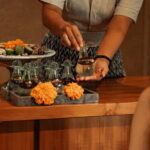
Before you jump into the ritual portion, there’s time for morning tea with Balinese cakes and coffee. This is more than a snack stop. It’s a way to ease you in, get the setting explained, and let your guide translate what you’re seeing into normal, lived context.
Then you’ll explore the compound area with your host. In practical terms, this means you’ll see everyday details that most visitors miss: how families arrange their spaces, where offerings fit into the day, and how temple-related practice shows up at home. You’ll also get the chance to interact and ask questions in a way that fits the pace of the household.
This is also where Wayan Eric’s role matters. In the stories connected to his tour guidance, he’s described as patient—especially with children—and good at explaining traditions without turning the whole day into a lecture.
Making Canang Sari Offerings (And Why It Matters)
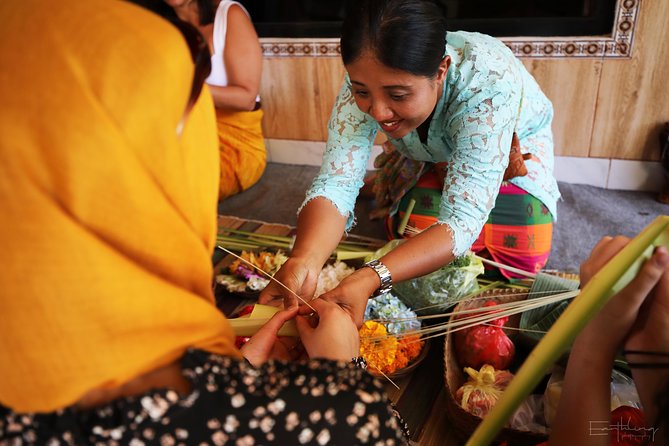
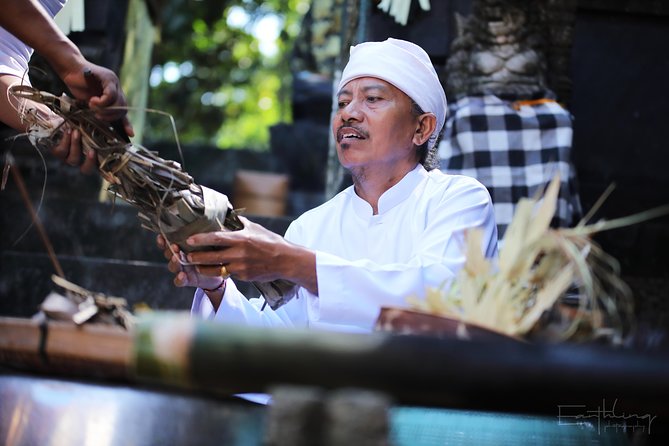
One of the core experiences here is learning to make canang sari, the traditional daily offerings. Even if you’ve seen photos of Balinese offerings before, making them yourself changes the experience. You start noticing how offerings are assembled, what materials are used, and why the act is repeated so consistently.
This part works because it’s not just symbolic on a poster. You’re doing it in a household setting where the offering connects to real routine. Your guide walks you through what to make and what it means in daily life.
A practical tip: when something involves hands-on craft during a ceremony, you’ll get more out of it if you slow down. Don’t rush to finish. Ask what to pay attention to—shape, arrangement, and timing—so you understand the logic behind the steps.
And if you’re traveling with kids, this offering-making segment tends to be a high point. It gives them something physical to do while your guide explains the story behind it. That combination—hands-on task plus clear explanation—is a big reason this tour earns top marks.
The Cleansing Ceremony and Sacred Water Temple Blessing
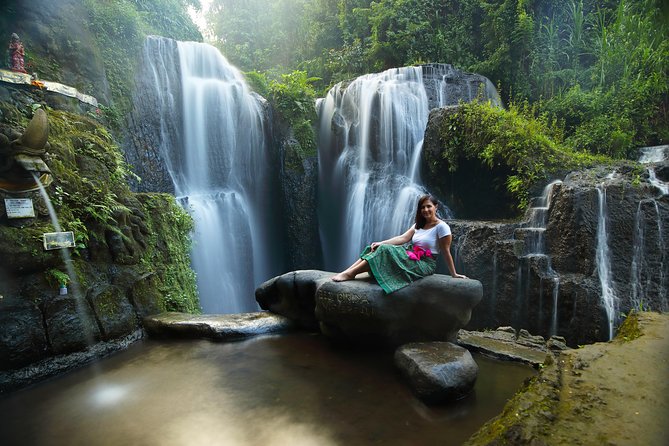
After the family and offering-making time, the day turns more ceremonial. You’ll head to a sacred water temple for a blessing ritual. The pacing shifts here from home life to ritual space.
The cleansing component is part of the same spiritual arc. You’ll be guided through what you’re doing and why it’s done, rather than being left to guess. That’s important because temple rituals can look straightforward from the outside, but meaning and timing matter.
In the stories connected to this day, the blessing setting is described as beautiful, with waterfall and caves in the temple area. That detail matters for expectations. You’re not just visiting a flat temple building—you’re likely in a dramatic natural setting where water and stone shape the mood of the ceremony.
What should you do here, practically?
- Follow your guide’s instructions closely, especially during any cleansing steps.
- Keep your pace steady. Water-area rituals can involve slippery surfaces or changes in footing.
- If you’re taking photos, pause and ask when it’s appropriate, since ceremonial focus is part of the experience.
The reward is a sense of participation. You’ll leave with a deeper understanding of how Balinese Hinduism shows up in daily behavior, not only during major events.




Lunch at a Scenic Warung: Real Food, Not Just Fuel
Food is built into the schedule on purpose. You’ll get Balinese cakes earlier with tea and coffee, then you’ll stop for lunch at a warung. A warung is a local eatery, and the location described as scenic matters because it turns lunch into a small reset between ritual segments.
The best part is that the food fits the tone of the day. Instead of eating a generic meal between activities, you’re tasting Balinese staples in a setting tied to the visit.
If you’re food sensitive, keep it simple: stick with what you recognize, ask for what’s safe, and avoid eating a bunch of new things right before a ceremony where you need to feel comfortable.
And if you’re not picky, this is a good day to let Balinese sweets be part of your memories. Those cakes are often the kind of bite-size sampling that makes the morning feel special without being heavy.
Price and Value: What $70 Gets You in Real Time
At $70 for about 7 hours, this is priced like an experience, not a short stop. The value comes from three things working together:
1) Hotel pickup and drop for many South Bali hotels
This saves real time. Instead of figuring out transport yourself, you get a driver and a structured day flow.
2) Small group size (max 10)
A group that small changes how much you can talk and how much attention you get during ceremonies.
3) Admission included for the main village segment
The tour includes an admission ticket as part of the village portion, so you’re not double-paying later for entry.
Also, using a mobile ticket is a convenience that reduces friction on arrival.
Where the price can feel less ideal is if you’re expecting a very long schedule packed with multiple distant sites. This day is concentrated. It’s about quality of access—family life, offerings, ritual blessing—rather than checking off many separate attractions.
Logistics That Actually Matter: Timing, Pace, and Comfort
This is a full-day structure, but it’s not an all-day marching pace. You’ll have a rhythm: family compound time, offering making, tea and cakes, temple blessing, then lunch, then back.
Because the start is 8:30 am, wear something you can move in. Also, expect you might be outside for parts of the day. Light layers help. If you’re visiting temples, it’s smart to choose clothing that keeps you comfortable and respectful.
If you have kids, the format is friendly. The explanations tied to this tour have been praised for being patient and clear, and the hands-on offering making helps kids stay engaged.
If you have accessibility concerns, the provided info says most people can participate. Still, because this includes a water temple area, bring realistic expectations about how wet stone and uneven surfaces might affect comfort.
Who Should Book This Balinese Village Day
This is a strong match if you want Bali that feels human and practical. Book it if you like:
- culture that includes home life, food, and ritual
- learning through participation, not just watching
- a small-group day with time to ask questions
It’s also ideal for families. The structure includes guided explanations and activities children can handle, including the ceremonial and offering-making segments.
If you’re only chasing Instagram-ready beaches or ultra-famous monuments, you might feel this day is slower and more inward. But if you want Bali’s spiritual daily rhythm explained by someone who actually lives it, this tour has a clear purpose.
Should You Book This Pacung Sangeh Village Experience?
Yes—if you want the kind of Bali day where you step into daily practice instead of moving from one photo stop to another. The best part is the combination of Wayan Eric’s village-rooted guidance, hands-on canang sari making, and the sacred water temple blessing in a dramatic setting that includes water and caves.
Book it especially if you value small-group attention and you’re curious about Balinese Hinduism as something that affects food, family, and morning routines. The price makes sense when you account for pickup, included admission for the main segment, and the fact that the day is built around participation.
Skip it if you want maximum free time, lots of big-name sightseeing, or a very loose schedule. This day has a clear flow, and it’s designed to be followed.
FAQ
What area in Bali is this tour based around?
The experience is based around Kuta, Indonesia, with pickup offered from many South Bali hotels.
What time does the tour start?
Start time is 8:30 am.
How long is the experience?
It runs for approximately 7 hours.
What’s included in the tour?
The day includes 2-way transfers, lunch, morning tea with cakes and coffee, and visits tied to making offerings and a sacred water temple blessing ritual. An admission ticket is included for the village portion.
Does it include hotel pickup and drop-off?
Yes. Pickup and drop-off are offered direct to most South Bali hotels.
Is there a mobile ticket?
Yes, you’ll receive a mobile ticket.
How big is the group?
The tour has a maximum of 10 travelers.
Who guides the experience?
Your guide is connected with the village and is associated with the host Wayan Eric, who grew up locally and explains Balinese traditions and home life.
Are service animals allowed?
Yes, service animals are allowed.
What is the cancellation policy?
This experience is non-refundable and cannot be changed for any reason. If it’s canceled because a minimum number of travelers isn’t met, you’ll be offered a different date/experience or a full refund.