REVIEW · UBUD
Besakih Temple Tour: the Biggest Temple in Bali
Book on Viator →Operated by Hire Bali Driver · Bookable on Viator
Mount Agung’s shadow makes this temple day special. You’ll visit Besakih, Bali’s biggest Mother Temple, then keep rolling north for volcano-and-lake views, the holy-water ritual at Tirta Empul, and a gentle stroll through Tegalalang’s rice terraces. It’s a lot to pack into one day, but that’s the point: you get culture, religion, and scenery without having to plan each leg yourself.
What I like most is the mix of real-world temple life and big geography. Besakih isn’t just impressive stonework—when offerings are happening, you’ll see how locals actually practice their faith, and it adds meaning to all the photos. I also love that the tour keeps you moving with an air-conditioned vehicle, bottled water, a provided sarong, and lunch included, so you can focus on the sights instead of logistics.
One consideration: it’s about a 10-hour day with multiple stops. If you’re easily tired by long drives or crowds at popular temples, you’ll want to pace yourself and bring water-smart habits.
In This Review
- Key highlights worth knowing
- Besakih Temple: Bali’s biggest Mother Temple up close
- The Kintamani stop: volcano-and-lake lunch breaks the drive
- Tirta Empul Water Temple: the holy spring legend has a purpose
- Tegalalang Rice Terrace: a short walk, big visual payoff
- Price and logistics: does $75 feel fair?
- What’s actually included (and what you should bring)
- How long to expect, and how to time your energy
- Who this tour is best for
- Should you book the Besakih, Tirta Empul, and Tegalalang tour?
- FAQ
- How long is the Besakih Temple Tour?
- What’s the price per person?
- Is pickup offered?
- Is lunch included?
- Are entrance tickets included for the stops?
- Do I need to bring a sarong for the temples?
- Are bottled water and fees included?
- Are alcoholic beverages included?
- Can I cancel and get a full refund?
- Is this tour private?
Key highlights worth knowing
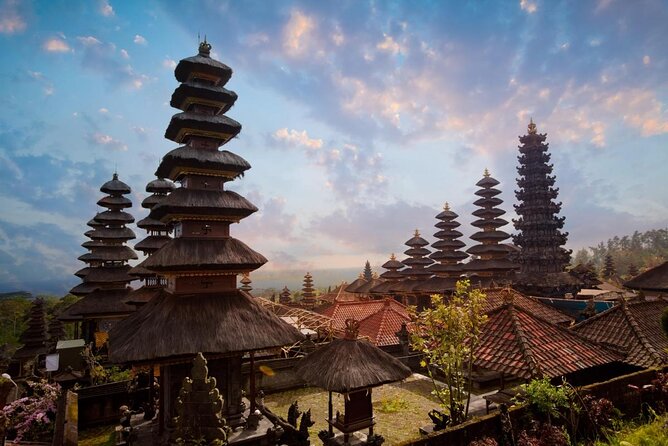
- Besakih Mother Temple: Bali’s biggest temple complex, set on the foothills of Mount Agung
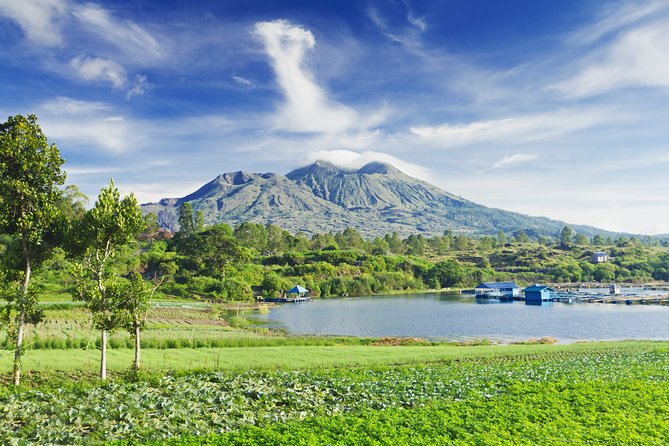
- Kintamani lunch views: Mt. Batur and Lake Batur scenery while you eat
- Tirta Empul’s holy springs: famous for the legend tied to God Indra and Mayadenawa
- Tegalalang rice terraces: a short walk with classic Bali paddy-field views
- Sarong provided: so you can enter temple spaces without scrambling at the last minute
- Private-group feel: only your group participates, with pickup from the Ubud area
Besakih Temple: Bali’s biggest Mother Temple up close
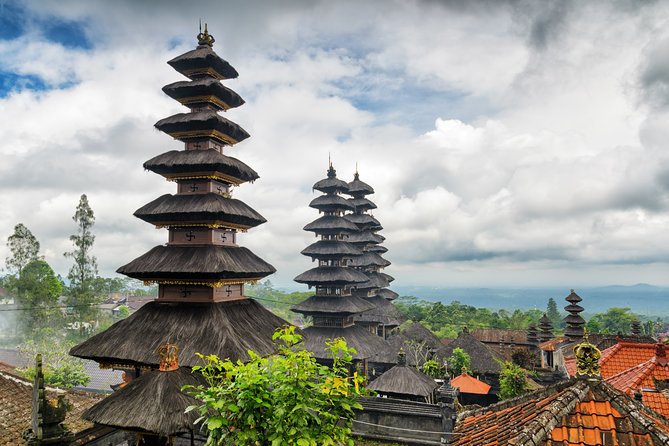
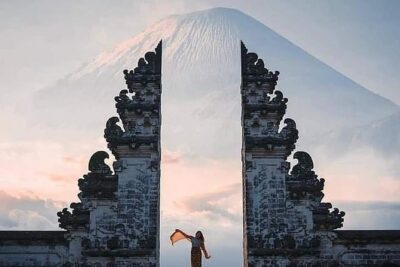
Besakih is the kind of place that instantly tells you why Bali built its identity around temples. It sits on the foothills of the highest mountain in Bali, Mount Agung, so your first sight of the complex has that sense of scale and altitude. Even if you’re not a temple person, the setting does half the work.
This is called the Mother Temple of Hindu in Bali, and that title matters. You’re not just visiting one shrine—you’re stepping into a larger religious landscape where different areas reflect the deeper structure of Balinese Hindu practice. And because it’s a working sacred site, you’re more likely to see everyday moments—people preparing offerings, families moving with purpose, staff maintaining spaces—rather than only staged sightseeing.
What I’d watch for: how people behave. At Besakih, it’s pretty clear when the area expects quiet focus versus when it’s simply open for visiting. If you keep your posture respectful and your camera down when others are in ritual moments, the whole experience feels more human—and you tend to get better photos too.
Potential downside? Temple days can mean stairs, uneven ground, and queues at key entrances. You’ll get through it, but plan for a bit of physical effort, especially if you’re not used to temple grounds.
You can also read our reviews of more tours and experiences in Ubud.


The Kintamani stop: volcano-and-lake lunch breaks the drive
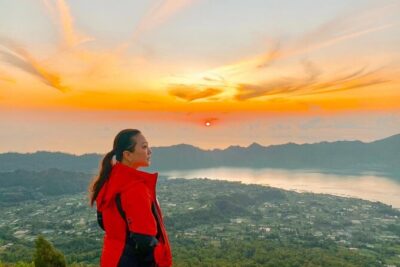
After Besakih, you’ll head toward the Kintamani highlands. The big payoff here is the view: you’re set up to see Mt. Batur and Lake Batur, while lunch turns the long travel into a real break. This matters on a day like this, because it’s easy for a temple-heavy itinerary to feel one-note.
Lunch is included, and that’s a practical win. It means you can eat without hunting for food spots at the wrong time, then get back on the road with less stress. Also, sitting with a view gives you a mental reset. Instead of only thinking about architecture and ritual spaces, you switch to open scenery and weather.
One thing to consider: Kintamani area weather can change. Even if it’s comfortable when you arrive, cloud cover or cooler air can roll in depending on conditions near the highlands. Dress in layers so you don’t feel chilly or stuck in heavy heat.
Tirta Empul Water Temple: the holy spring legend has a purpose
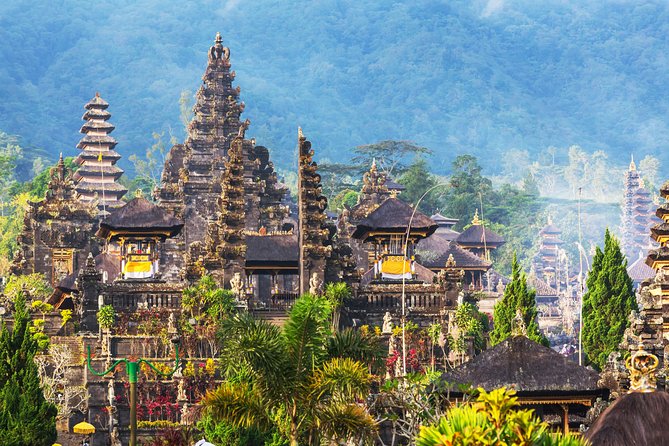
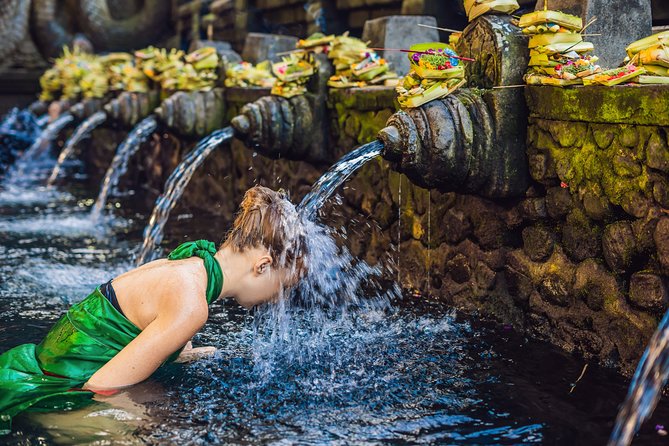
Next is Tirta Empul Temple, and this stop is different from Besakih in the best way. It’s known for its holy springs within the temple setting, and the place is tied to a Balinese legend about the epic battle between Mayadenawa and God Indra. The story connects to the idea that the holy spring helps and saves people from dying—so the water here isn’t just a photo-op detail.
What makes Tirta Empul meaningful is how the legend translates into a ritual environment. You’re not only learning a story; you’re witnessing a sacred function tied to health and spiritual protection. It tends to land better when you slow down and pay attention to how people move through the water areas.
You’ll have about an hour here, which is enough to see what’s happening without feeling rushed, especially if your group is steady and the route is clear. Still, water temples can be busy. Expect to wait a little depending on flow, and keep your belongings secure and your feet aware.
Practical tip: follow local directions on where to stand and where not to go. Tirta Empul is active and sacred, and the best experience comes from respecting how the space is used.
Tegalalang Rice Terrace: a short walk, big visual payoff
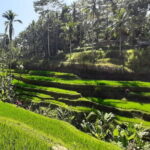
The final stop is Tegalalang Rice Terrace, one of Bali’s most recognizable paddy landscapes. You get 45 minutes here, which is perfect if you want a stroll without turning the day into a long hike. It’s scenic, green, and made for wandering slowly, pausing for photos, and spotting irrigation patterns and steps cut into the hillside.
This time slot also works as a decompression phase. You’ve had temples and holy water earlier; now the experience softens into open views and agricultural rhythms. If you enjoy getting out and walking, this is your moment.
One consideration: rice terraces can be slick or uneven after humidity or mist. Wear shoes with grip, not sandals that slip. And bring an easy mindset—this is a short stop meant to leave you satisfied, not exhausted.
Price and logistics: does $75 feel fair?
At $75 per person for an about 10-hour day, the value mostly comes from what’s already handled for you. You get air-conditioned transportation, private transport, lunch, bottled water, all fees and taxes, and a sarong for temple entry. That’s not trivial in Bali, where you can end up paying for multiple separate tickets and then still get hit with add-ons.
Also, Besakih and Tirta Empul entry tickets are included, and Tegalalang is included too. Kintamani’s admission is listed as free, which helps keep the day balanced rather than turning into a series of paid entrances. The only clear non-inclusion is alcoholic beverages, which is common, but it’s still good to know.
The pickup option matters, especially if you’re staying around Ubud and don’t want to coordinate separate rides. And since the tour offers a mobile ticket and confirmation at booking, you’re not stuck waiting for paperwork.
If you’re comparing options, ask yourself what your time is worth. This price feels most fair when you want convenience plus a well-paced route with multiple major sights packed into one day.
What’s actually included (and what you should bring)
Here’s what the tour data clearly includes:
- Air-conditioned vehicle and private transportation
- Lunch
- Bottled water
- All fees and taxes
- Sarong to enter temples
- Entry tickets included for Besakih, Tirta Empul, and Tegalalang
- Mobile ticket
- Pickup offered
What’s not included:
- Alcoholic beverages
What I suggest you bring anyway, because it’s smart for any full-day Bali plan:
- Comfortable shoes for temple steps and terrace paths
- A light layer, because highland weather can shift
- Your phone charged, plus a small power bank if you’re camera-happy
- Basic sun protection, since you’ll get outdoor time at Kintamani and Tegalalang
How long to expect, and how to time your energy
You should plan on a day that’s active but structured: Besakih (~1 hour), Kintamani (~2 hours with lunch), Tirta Empul (~1 hour), and Tegalalang (~45 minutes). Add travel time between stops, and you’re in that full 10-hour rhythm.
That schedule works well if you’re not trying to linger in every detail. It’s also why the included lunch is so valuable—you need energy before the road and before the water temple.
If you want your experience to feel smoother:
- Use the Kintamani view time to slow your pace after Besakih
- Don’t overpack your bag for temple stops
- Keep your clothing temple-friendly and comfortable for movement
- Hydrate through the day (you’ll have bottled water, but you should still sip)
Who this tour is best for
This day tour is a strong fit if you want a concentrated Bali cultural day without the hassle of doing four different logistics days in a row. It’s especially good for:
- First-timers who want Bali’s major religious sights plus highland scenery
- People who like a mix—temples, legend storytelling, and outdoor views
- Anyone who prefers comfort: air-conditioned transport, lunch, and entry fees covered
If you’re the type who wants long unhurried time in one place, this might feel like a packed day. But if your travel style is see a lot, learn what you can, and end with good photos, it matches that approach.
Should you book the Besakih, Tirta Empul, and Tegalalang tour?
I’d book it if you want an efficient, meaning-focused day. The strongest reasons are simple: Besakih gives you the big Mother Temple experience, Tirta Empul adds the holy-spring legend and ritual atmosphere, and Kintamani plus Tegalalang keep the day from turning into only stone and incense.
Skip it only if you know you hate temple crowds, hate walking on uneven ground, or you’re looking for a slow specialty trip. For most people who want a full Bali taste in one shot, this route is a smart use of a day—especially with lunch, transport, sarong, and key entrance fees included.
FAQ
How long is the Besakih Temple Tour?
It runs for about 10 hours.
What’s the price per person?
The price is $75.00 per person.
Is pickup offered?
Yes, pickup is offered.
Is lunch included?
Yes, lunch is included.
Are entrance tickets included for the stops?
Tickets are included for Besakih Temple, Tirta Empul Temple, and Tegalalang Rice Terrace. Admission for Kintamani is listed as free.
Do I need to bring a sarong for the temples?
No. A sarong is provided to enter the temple areas.
Are bottled water and fees included?
Yes. Bottled water, all fees, and taxes are included.
Are alcoholic beverages included?
No, alcoholic beverages are not included.
Can I cancel and get a full refund?
Yes. Free cancellation is available up to 24 hours in advance for a full refund.
Is this tour private?
It’s described as private, meaning only your group participates.