REVIEW · UBUD
Eastern Bali and Besakih Temple Tour
Book on Viator →Operated by Bali Local Host · Bookable on Viator
A whole day of Bali in one tidy loop. I love the calm, well-kept feel of Penglipuran Village, and I love how Pura Besakih Temple makes Bali’s religion feel immediate and lived-in. One thing to plan for: entrance fees are not included, with an added USD 20 per person, and lunch is on you.
This is a full 8 to 10 hours starting with hotel pickup around 9:00 am, using a private air-conditioned vehicle. The guides (I’ve seen names like Esa, Komang Alu, Wayan Birawyan, and Nyoman Victor) tend to be warm and practical—one key theme is adjusting the timing when weather shifts, so your day stays smooth instead of rushed.
You’ll get a good mix of culture and nature in a single route: traditional village life, a bamboo forest walk, a major temple complex, a stop for Balinese food with mountain views, and a waterfall you reach through a cave. Just note the day is long, and the extra entry costs mean you’ll want to budget beyond the headline price.
In This Review
- Key highlights you’ll care about
- Eastern Bali starts in Ubud, then turns into a culture-and-nature day
- Penglipuran Village: a traditional village you can actually slow down in
- Bamboo forest near Penglipuran: 7 hectares of only bamboo
- Pura Besakih Temple: Bali’s biggest religious center on Mount Agung slopes
- Karangasem and Rendang: views plus an authentic food moment
- Tukad Cepung waterfall: the cave setting changes everything
- Guides and timing: why private transport feels like a cheat code
- Price and value: what you’re paying for, and what to budget on top
- Who should book this Eastern Bali day?
- Should you book Eastern Bali and Besakih?
- FAQ
- How long is the Eastern Bali and Besakih Temple tour?
- What time does the pickup happen?
- Is hotel pickup and drop-off included?
- What’s included in the tour price?
- Are entrance tickets included?
- Is lunch included?
- Is this a private tour or a group tour?
- Can I cancel for a full refund?
Key highlights you’ll care about
- Penglipuran’s traditional village layout: a distinctly different look from busy tourist stops
- Bamboo forest only bamboo: about 7 hectares and a 2-hour walking window
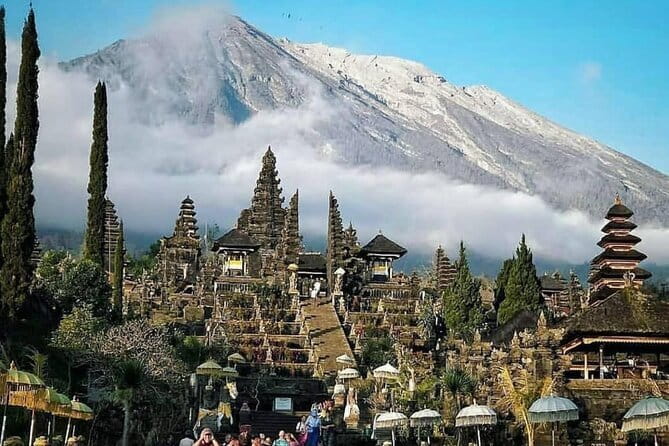
- Besakih’s 22-temple complex: Bali’s most important pilgrimage center on the slopes of Mount Agung
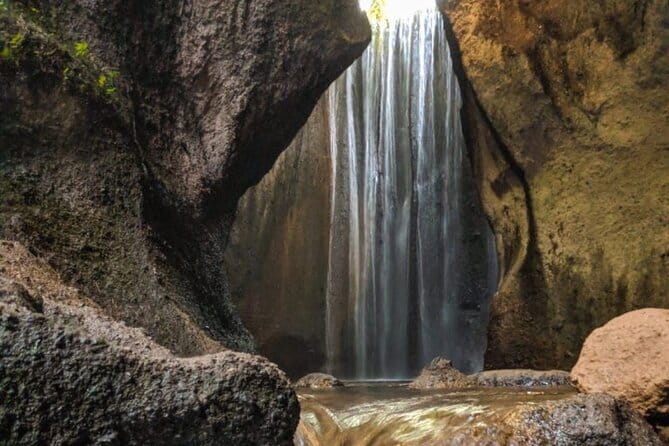
- Tukad Cepung waterfall in a cave: a special setting, reached after a short scenic drive
- Private transport + English-speaking guide: easier timing and less hassle than hopping between buses
Eastern Bali starts in Ubud, then turns into a culture-and-nature day
If you want Bali beyond the resort bubble, this tour gives you a structured day that’s still flexible. You’ll be picked up from your hotel and carried around in a private, air-conditioned vehicle—nice when you’re heading toward different regions and you don’t want to fight local transport schedules.
The pacing is built for an all-day loop: multiple stops with about 2 hours here or there, plus shorter chunks at meals and viewpoints. That matters because Eastern Bali attractions are spread out. With pickup included and a guide steering the day, you avoid the awkward question of what bus goes where at what time.
You’ll also have a bottle of water included, which sounds small until you’re walking under sun and humidity for a few hours in a row.
You can also read our reviews of more tours and experiences in Ubud.


Penglipuran Village: a traditional village you can actually slow down in
Penglipuran Village is the kind of place where your brain resets. The vibe is quieter than the typical “look and leave” stops, and the village’s tradition feels tangible—more about everyday life and community than a performance for visitors.
In practice, your visit is about 2 hours. That time window is useful. You’ll have enough room to wander, notice details in the layout, and take photos without feeling like you’re being marched through a checklist. It’s also a good first stop of the day because it sets context before the more famous (and more crowded) religious site.
What I like most about Penglipuran here: it’s not just pretty. It gives you a sense of Balinese social structure—how a village functions and how tradition shows up in daily movement through space. If you like cultural travel that doesn’t feel staged, this is a strong opener.
One caution: the tour notes entrance tickets are not included for this stop. So bring extra cash or plan to pay what’s required on site.
Bamboo forest near Penglipuran: 7 hectares of only bamboo
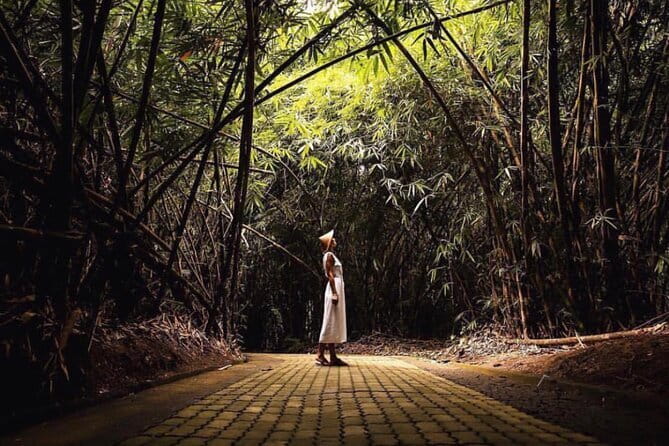
Next you head to the bamboo forest area tied to the Bangli side of the route—very close to Penglipuran. The key detail: it’s described as about 7 hectares of bamboo where no other plants are present. That makes the walk feel strangely focused, like the forest has one job and it’s done.
You get around 2 hours here. That sounds like a lot for bamboo, but it works because this is a stroll-and-photo kind of segment. The guide’s job matters too; a good explanation helps you understand why bamboo matters locally (even if you’re just there for the visuals).
The tour info also mentions the forest area is safe. Still, use basic trail sense: wear shoes with grip, watch your footing if it’s damp, and keep an eye on where you’re stepping.
This stop is also marked as free for admission in the tour flow. So at least one major part of your bill stays controlled.
Pura Besakih Temple: Bali’s biggest religious center on Mount Agung slopes

Besakih is the headliner. This is Pura Besakih, described as Bali’s most important pilgrimage center and a complex of 22 temples high on the slopes of Mount Agung.
Your visit is about 2 hours. That timing is enough to walk through key areas, absorb the scale, and appreciate the ornate details that make Balinese Hindu architecture so distinctive. The tour setup helps here: you’re going with an English-speaking guide who can explain what you’re seeing, not just where to stand for photos.
This is also where extra planning helps. The tour clearly states entrance tickets are not included, and there’s an overall USD 20 per person entrance ticket fee noted for the experience. Treat that as part of the real cost of the day, not an afterthought.
Why this stop is worth it: Besakih isn’t a single temple photo spot. It’s a complex. When you understand that, the whole visit feels more meaningful, because you’re not looking at one building—you’re seeing an active religious landscape with many parts.
Practical tip: temple rules can include dress requirements. The tour data doesn’t spell them out, so I recommend you pack something that covers your shoulders and is easy to follow once you arrive. If you’re not sure, you can ask your guide on the spot.
Karangasem and Rendang: views plus an authentic food moment
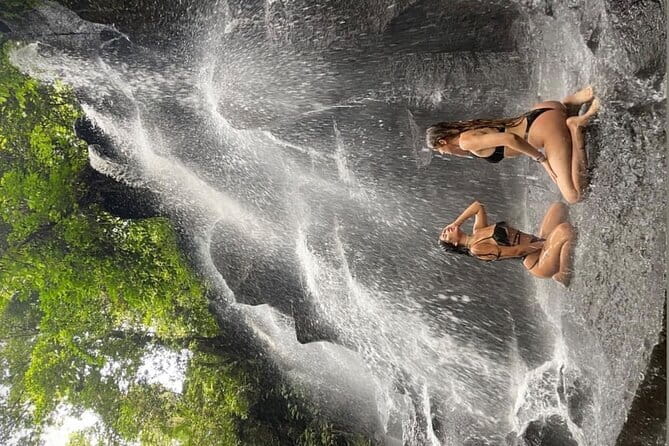
After the temple, you continue toward Karangasem for a stop at Rendang, described as a tiny village with stunning views. The idea here is simple: eat somewhere local and reset your energy.
The schedule gives you about 1 hour 30 minutes. The tour notes admission is free for this segment, but lunch is not included. That means you’ll choose your own meal from a local place recommended in the area, or you’ll order what’s available when you’re there.
This is one of those stops that can make or break how much you enjoy the day. If you treat it like a quick snack, you’ll miss the point. Take your time. Order something you recognize, and if you want to go adventurous, ask your guide what’s a safe local choice that won’t be too spicy or unfamiliar.
If views matter to you, you’ll like this part more than a typical roadside cafe stop. It’s a short break with a reason.


Tukad Cepung waterfall: the cave setting changes everything

For the final act, you head to Tukad Cepung Waterfall, described as a waterfall hidden inside a cave in the Bangli region. This is a different kind of nature stop than a standard outdoor waterfall, because you’re not just seeing water—you’re experiencing a space.
Your time here is about 1 hour 30 minutes, with admission not included for this stop. The guide can also help you understand where to position yourself so you get the best view.
Here’s the biggest practical point: cave waterfalls can be slippery and damp. Wear shoes that can handle wet surfaces and keep your phone protected if you’re the kind of person who can’t stop filming. Bring a light plan for wet weather, too, since Eastern Bali conditions can shift.
Also, because this is a cave, you’ll want to be respectful of how people move through the area. If you want photos, go with the flow first, then step into a spot once you know where people are naturally passing.
Guides and timing: why private transport feels like a cheat code
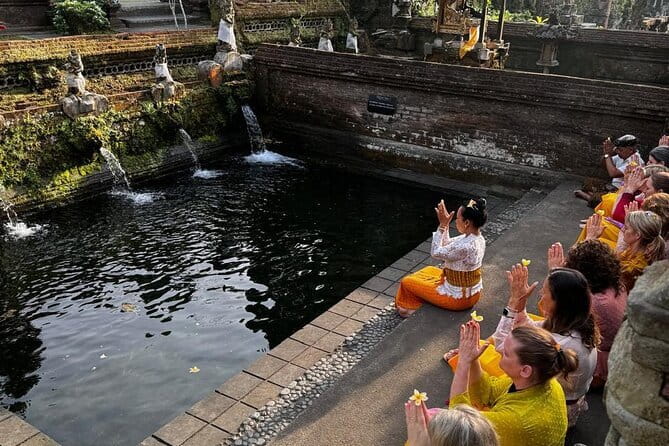
This tour works well largely because it’s guided and private. The schedule is built around key sights, but the real win is how the day can respond to weather.
Several guide experiences point to this: at least one guide was able to adjust the timeline depending on the day’s conditions. That matters because Bali weather can be unpredictable. When you don’t have to keep rerouting yourself, you lose less time to plan changes.
It’s also simply easier to be transported together. You’re not coordinating meeting points across rides. You’re not hunting down ticket lines. The pickup and drop-off included in the tour means you can stay focused on the places—not on logistics.
And the guide quality seems to be a major focus. Names like Esa and Komang Alu show up in guide praise, with guests highlighting helpful explanations of Balinese traditions and lifestyle. When your guide ties the stories to what you’re seeing—temple layout, village life, how the natural sites fit local culture—the day feels like it adds up.
Price and value: what you’re paying for, and what to budget on top
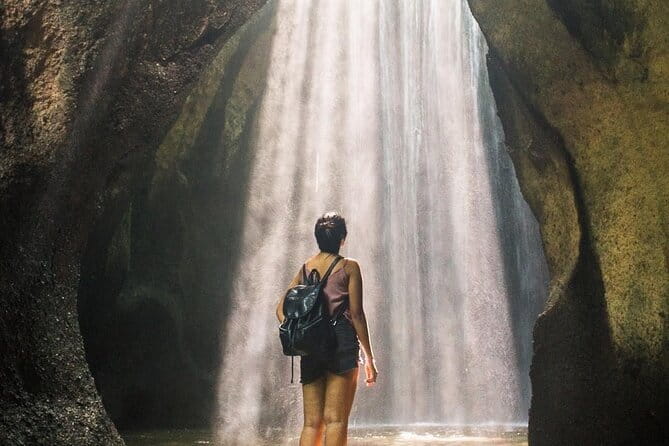
The tour price is $80 per person, for an experience that includes hotel pickup and drop-off, private air-conditioned transport, an English-speaking guide, and a bottle of water. That’s a decent deal for an all-day route, especially when you’re covering both major temple time and long-distance nature stops from the Ubud area.
But the real budgeting picture includes two extra items listed clearly:
- Entrance Ticket Fee: USD 20 per person (not included)
- Lunch: not included
If you’re good at planning ahead, this isn’t a surprise cost. It’s simply part of how Bali pricing works for major temple and attraction visits. I’d think of the $80 as your transportation-and-guide day, and the $20 plus lunch as your entry and sustenance part.
Also, the tour includes a mobile ticket and is private and exclusive (so it’s only your group). That tends to improve value if you’re traveling with family or friends who want a calmer, less chaotic day.
Who should book this Eastern Bali day?
This tour is a strong match if you want:
- A first-time Eastern Bali taste with both culture and nature
- A structured day without the stress of driving and ticket juggling
- A guide who helps you connect what you’re seeing to Balinese life, especially at Besakih
- A mix that includes village culture (Penglipuran), a bamboo walk, major temple time, a local meal window, and a cave waterfall
It may be less ideal if you’re sensitive to long days. You’re looking at about 8 to 10 hours total, and there are multiple walking segments. If you want a short, chill afternoon, this isn’t that.
Also, if you strongly prefer fully free sightseeing with no extra ticket fees, you’ll need to budget the USD 20 entrance ticket per person. The tour makes that clear, but it’s still your choice to decide if the value fits your priorities.
Should you book Eastern Bali and Besakih?
If your ideal Bali day includes temples that feel serious and nature stops that are more than just a quick photo, I’d book it. The combination is well chosen: Penglipuran for culture, Besakih for the big spiritual center, and Tukad Cepung for a waterfall setting you won’t forget.
I’d particularly recommend it if you’re staying in or near Ubud and you don’t want to piece together transport. Private pickup and an English-speaking guide makes the day feel organized, even when you’re moving between very different places.
Before you go, do two things: set aside money for the USD 20 entrance ticket per person and plan for lunch costs. Then pack comfortable shoes for temple walking and wet-cave conditions. Get those right, and you’ll get a satisfying, varied day that makes Eastern Bali feel real—not just scenic.
FAQ
How long is the Eastern Bali and Besakih Temple tour?
It lasts about 8 to 10 hours.
What time does the pickup happen?
Hotel pickup starts at 9:00 am.
Is hotel pickup and drop-off included?
Yes, pickup and drop-off are included.
What’s included in the tour price?
The tour includes private air-conditioned transport, an English-speaking guide, bottled water, and a private and exclusive tour.
Are entrance tickets included?
No. The tour notes an entrance ticket fee of USD 20 per person, and specific stops list admission as not included.
Is lunch included?
No, lunch is not included.
Is this a private tour or a group tour?
It’s private and exclusive. Only your group participates.
Can I cancel for a full refund?
Yes. Cancellation is free up to 24 hours in advance of the experience start time.