REVIEW · KUTA
Favorite Sites of Ubud Daytrip
Book on Viator →Operated by Reliable Bali Driver · Bookable on Viator
A full Ubud day without the stress of planning. I love the stop in Celuk to watch gold-and-silver smiths work, and I also like ending with the spiritual calm at Tirta Empul. One thing to keep in mind: this is a packed route, and lunch isn’t included.
This trip is built for convenience. You get an air-conditioned vehicle, chilled bottled water, and direct pickup and drop-off to your chosen Kuta address, plus a guide who can add real context as you move through each site. The tradeoff is time: even big sights like Tegenungan Waterfall are short, so you’ll want to be ready to move.
Expect a smooth day with a clear rhythm: craft village, coffee tasting, markets and palace, then temples and scenery—good if you want a concentrated Ubud sampler.
In This Review
- Key highlights to know before you go
- Ubud From Kuta: A value-packed spiritual and scenic sampler
- Your ride, your address: pickup, air-conditioning, and bottled water
- Celuk Village: watching gold and silver smiths turn craft into culture
- Lumbung Sari coffee plantation: tea and coffee tasting done right
- Ubud Traditional Art Market and Royal Palace: shop smart, plan lunch
- Tegenungan Waterfall: a quick hit of nature and a cool-water break
- Tegalalang Rice Terrace: making the most of 45 minutes
- Tirta Empul Holy Spring Temple: the reflective finish to a packed day
- Price and route value check: is $32 a good deal?
- Who this trip suits best (and who should think twice)
- About your guide: Dewa shows up in the best feedback
- Should you book Favorite Sites of Ubud Daytrip?
- FAQ
- How long is the Ubud daytrip?
- Where is the pickup and drop-off?
- Is it a private tour?
- What are the main stops on the day?
- Is lunch included?
- What’s included with the tour price?
- Do I get coffee or tea during the tour?
- Is there a mobile ticket?
- What are the operating hours?
- What is the cancellation policy?
- How suitable is it for different travelers?
Key highlights to know before you go
- Celuk Village craft stop: See gold and silver made using traditional methods
- Lumbung Sari coffee plantation: Tea and coffee tasting included
- Ubud art market + royal palace time: Shop, snack, and take your time for photos
- Tegenungan Waterfall: A quick photo-and-refresh break with cool water
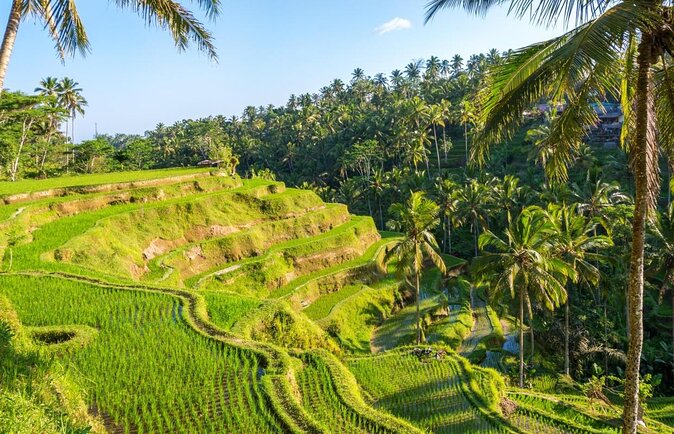
- Tegalalang rice terraces: Terraced views in a dedicated 45-minute block
- Tirta Empul Holy Spring Temple: A more reflective, cultural finish
Ubud From Kuta: A value-packed spiritual and scenic sampler
Ubud can feel far from Kuta in both time and mental energy. This daytrip solves that problem with a simple promise: lots of recognizable Ubud highlights, stitched together into one organized flow. The timing is set so you get craft, culture, and nature without spending days building an itinerary.
What makes the route work is the mix. You don’t just get scenery—you also get Bali’s creative side through Celuk and its ritual side at Tirta Empul. Then the day pivots outdoors with the waterfall and the rice terraces, which gives you a satisfying contrast if your Bali days so far have been mostly beach or hotel time.
The “consideration” I’d flag is the pacing. This isn’t a slow, lingering Ubud stroll. It’s a see a lot day, and your best results will come if you’re the kind of traveler who likes checking off sites efficiently and moving with the group.
You can also read our reviews of more tours and experiences in Kuta.


Your ride, your address: pickup, air-conditioning, and bottled water
Let’s talk logistics, because they’re where daytrips usually win or lose.
You can request pickup and drop-off to your Kuta address, so you’re not hunting for meeting points on a loud street. The vehicle is air-conditioned, which matters when Bali’s daytime heat stacks up fast. They also include chilled bottled water, so you’re not scrambling for drinks between stops.
This kind of private-style routing also tends to help with photos and timing. If you’re trying to catch the best light at places like the rice terraces, arriving on schedule makes a difference. And because the tour is described as private with only your group, you won’t be squeezed into someone else’s pace.
Celuk Village: watching gold and silver smiths turn craft into culture

Your day kicks off in Celuk Village, where you see artisans processing gold and silver into finished pieces using traditional techniques and designs. This isn’t the kind of “factory visit” that feels like a showroom only. The point here is the making—watching the work happen is where the value lives.
Why I like this stop for your trip: it gives you a lens for understanding the rest of Ubud. After Celuk, the art market feels less like random shopping and more like part of a craft ecosystem. You’ll have a better idea of why certain styles repeat and why the designs look the way they do.
One practical note: you only have about one hour here. That’s enough time to watch the process and browse a bit, but it’s not enough to become a collector. If jewelry is your goal, come ready with a quick budget and decide what you want before you fall into decision fatigue.
Lumbung Sari coffee plantation: tea and coffee tasting done right
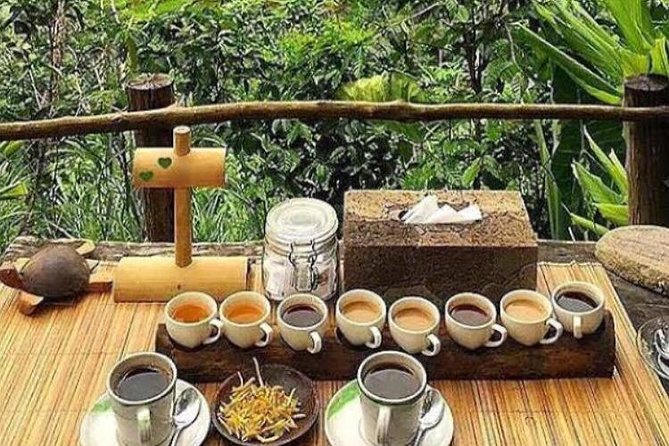
Next is the Lumbung Sari House of Coffee, a Balinese plantation stop where you see how coffee is roasted. The big win is the included tasting: you get a free sample of many types of tea and coffee, so you don’t just watch—you participate.
This is one of those stops that can go either way on tours. It can turn into a sales talk. On this one, the tasting component helps you judge the flavors for yourself, and it keeps the visit fun even if coffee isn’t your main thing.
Timing is about one hour, which is enough to learn the basics and sample without feeling trapped. Bring some patience for a quick switch from craft to flavor—this is a different energy than Celuk, and the day is only getting more visual after this.
Ubud Traditional Art Market and Royal Palace: shop smart, plan lunch
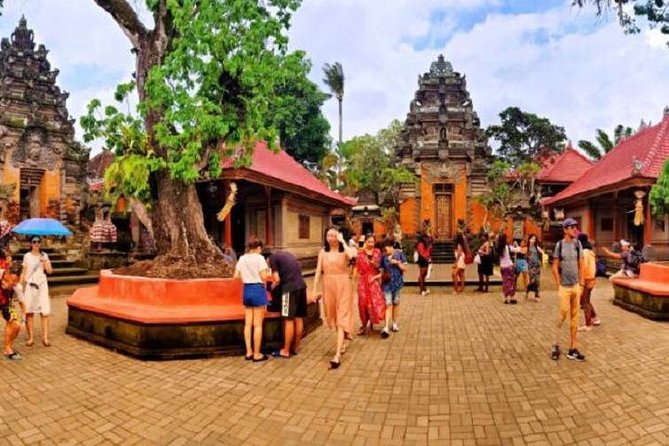
In the heart of Ubud, you get time at the Traditional Art Market, plus a visit connected to the Royal Palace. This is where the day becomes more about you: wander, browse, compare, and grab souvenirs if that’s your plan.
You also get a two-hour block for this stop, which is valuable. Markets can eat time fast, but two hours gives you room to walk the lanes, pause for photos, and still avoid feeling rushed.
Lunch is the one blank spot. They stop for lunch at a local restaurant during this market time, but lunch isn’t included in the fee. If you’re the kind of traveler who hates surprise costs, this is the moment to keep an eye on your budget. If you’re okay with that, you can treat lunch as your decompression window—snack, cool down, and reset before the next nature-focused stops.
Also, if you’re sensitive to crowds or noise, markets can be intense. A little strategy helps: focus on what you want (textiles, carvings, small art pieces), and don’t try to see everything in one pass.



Tegenungan Waterfall: a quick hit of nature and a cool-water break
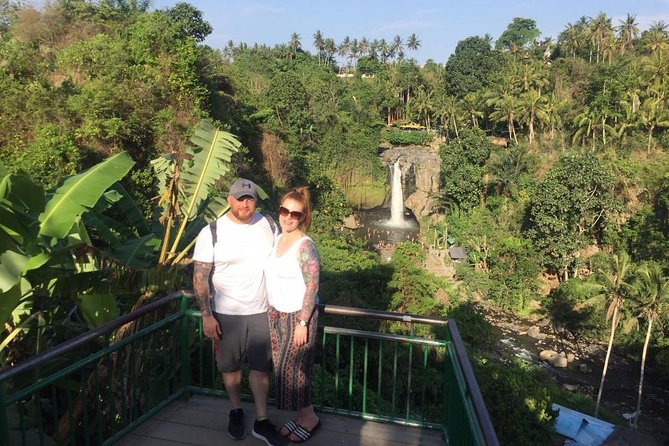
After the market energy, the trip shifts to Tegenungan Waterfall. You’ll have around 30 minutes here, which means the goal is simple: see it, take your photos, and refresh.
The tour includes admission and notes complimentary cool water, so you’re not left scrambling for something to drink or cool off with. It’s also a good stop for motion pictures and selfies—this waterfall is built for that kind of quick, memorable moment.
Is 30 minutes enough? It depends on your style. If you like slow, long nature walks, you might wish you had more time to linger. If you want the highlight without turning the day into a half-day hike, this is a good match. Think of it as a scenic palate cleanser between cultural sites and the rice terraces.
Tegalalang Rice Terrace: making the most of 45 minutes
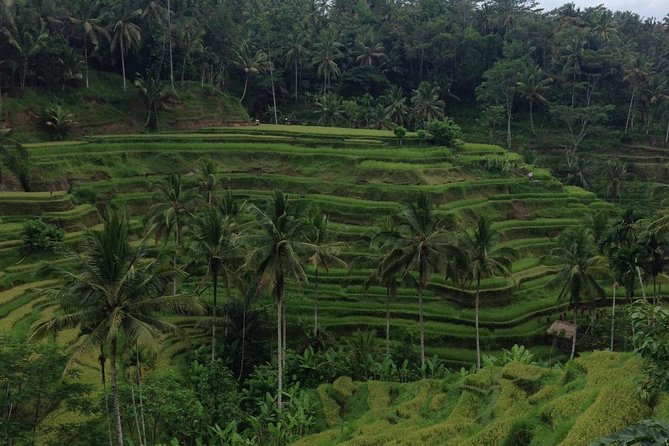
Then comes the classic: Tegalalang Rice Terrace. You’ll get about 45 minutes, and that timeframe is perfect for catching terraced views without turning the stop into an all-day effort.
Rice terraces work best when you take your time to look at patterns—how the layers hold water and how the fields curve with the terrain. Even in a short slot, 45 minutes is enough to find a couple good angles and get a feel for the scale.
Practical tip from how tours like this typically move: wear comfortable footwear and plan to spend some time looking up and around rather than only taking one photo. The terraces aren’t one view; they’re a whole visual system. With that in mind, you’ll get more satisfaction if you decide early where you want to stand for photos, then explore a bit from there.
Tirta Empul Holy Spring Temple: the reflective finish to a packed day
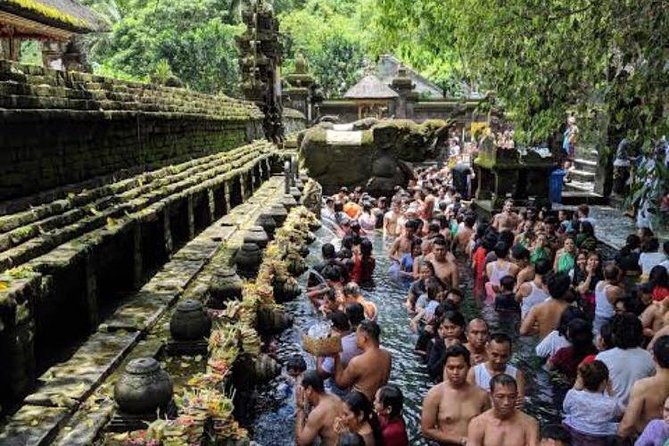
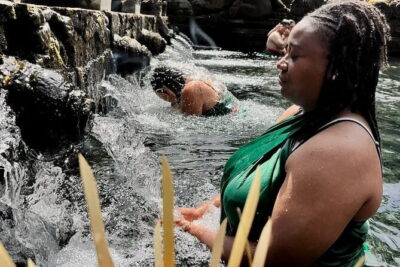
The final major stop is Tirta Empul Temple, also known for its Holy Spring Water Temple experience. You get about one hour 30 minutes, which feels like a real gift compared to the shorter nature stops.
Why this works as a finale: after a day of craft, markets, and scenery, this is calmer and more focused. It gives your brain a different pace. It’s also the strongest cultural anchor on the route, and that matters if you want a day that feels meaningful, not just busy.
From a traveler-experience standpoint, longer temple time helps. It means you’re not forced to rush through, and you can absorb the setting. You’ll also likely notice the contrast between places you look at (market, terraces) and places you experience more quietly (temple atmosphere).
Price and route value check: is $32 a good deal?
At about $32 for a daytrip of roughly 6 to 10 hours, the value is in the structure.
You’re not just paying for admission at a few stops. The tour includes two-way private transfers from anywhere in Kuta (you provide the address), an air-conditioned vehicle, parking fees, and bottled water. It also includes admission tickets at each of the listed stops, plus a mobile ticket.
For many travelers, that’s the hidden win: you’re paying to remove decision fatigue. Instead of stitching together rides, tickets, and timing, you’re getting a full route with set time blocks. And if you’re traveling in a small group, the “private” feel can make $32 feel even more reasonable per person.
The tradeoff is the same as always with tours like this: because the route is packed, you’re buying access, not extended time at each place. If you’re the type who wants to soak in one site for hours, you might feel slightly rushed. If you want a high-coverage Ubud day with minimal planning, the price makes sense.
Who this trip suits best (and who should think twice)
This trip is a great fit if you:
- Want a first Ubud day from Kuta and don’t want to do logistics
- Like seeing craft, culture, and scenery in one sweep
- Enjoy guided pacing and context rather than building your own route
- Value included basics like water and a comfortable ride
It may feel less ideal if you:
- Want long, slow time at each stop
- Are picky about lunch arrangements (since lunch isn’t included)
- Prefer fewer transitions and more breathing room
One more note: the experience is described as suitable for most travelers. That said, it’s still a day of moving between sites. If you’re planning around mobility limits, think about comfort and how you handle multiple stops.
About your guide: Dewa shows up in the best feedback
One of the standout themes in the feedback is the guide experience. A name that pops up is Dewa, praised for being friendly, exceptional with knowledge, and for bringing great energy. The best comments also mention photo help—getting the shot without making you feel awkward.
Even if you don’t get the same guide, this tour’s best version comes with someone who can connect the dots between stops: why Celuk craft matters, what you’re seeing at the market and palace area, and how Tirta Empul fits into the spiritual side of Ubud.
So, if you’re booking, it’s worth asking who will guide you. The human element is part of the value here.
Should you book Favorite Sites of Ubud Daytrip?
I’d book it if you want a good first look at Ubud with solid coverage, included tickets, and direct Kuta pickup. The route gives you craft (Celuk), coffee tasting (Lumbung Sari), market and palace time, a waterfall photo break, terraces, and a longer temple finish. That’s a lot for one day.
I’d skip it if you hate tight timing or you want an unhurried day at just one or two places. Also factor in that lunch isn’t included, so budget for that meal.
If you’re aiming for efficiency with authentic stops, this is the kind of daytrip that actually feels worth it.
FAQ
How long is the Ubud daytrip?
The duration is approximately 6 to 10 hours.
Where is the pickup and drop-off?
Pickup and drop-off are offered directly to your chosen Kuta address. You provide the address.
Is it a private tour?
Yes. It’s described as a private tour/activity, and only your group participates.
What are the main stops on the day?
The stops are Celuk Village, Lumbung Sari House of Coffee, Ubud Traditional Art Market and the Royal Palace area, Tegenungan Waterfall, Tegalalang Rice Terrace, and Tirta Empul Temple.
Is lunch included?
No. Lunch is not included in the fee.
What’s included with the tour price?
Included items are bottled water, an air-conditioned vehicle, parking fees, and admission tickets listed for the stops.
Do I get coffee or tea during the tour?
Yes. At the Lumbung Sari coffee plantation, you’ll get a free sample of many types of tea and coffee.
Is there a mobile ticket?
Yes. A mobile ticket is included.
What are the operating hours?
The opening hours are 8:30 AM to 8:00 PM, Monday through Sunday.
What is the cancellation policy?
You can cancel for free up to 24 hours in advance for a full refund.
How suitable is it for different travelers?
Most travelers can participate.