REVIEW · UBUD
Jatiluwih Batukaru Mountain Nature’s Best Tour
Book on Viator →Operated by Tour East Indonesia · Bookable on Viator
Rice terraces, jungle temple, and farms. In one full day, this tour swaps Bali’s beach traffic for the island’s greener interior, with an English-speaking licensed guide and a small group moving at a human pace. You’ll ride north from the Ubud area, learn how Balinese agriculture shapes daily life, and end with time at Pura Luhur Batukaru Temple in a remote, forest setting.
I especially like that it includes hotel pickup and drop-off plus an air-conditioned vehicle, so you can focus on the scenery and the stories without navigating winding roads yourself. Another big plus is that entrance fees are handled as part of the tour, which makes the day feel smoother and better value than paying one-off tickets all morning.
The main drawback to plan around is time. Between long drives and potential stops for cultural and retail add-ons, the day can feel stretched, especially if you get motion sick or you’d rather spend more minutes at the rice terraces and temple.
In This Review
- Key things to know before you go
- Getting out of Ubud traffic and into Bali’s working countryside
- Mount Batukaru farms: volcanic soil, spices, and what the locals grow
- Jatiluwih rice terraces: seeing the farming art without rushing
- Pura Luhur Batukaru Temple: quiet power and sacred architecture in the forest
- The ride, the timing, and why 8 hours can feel longer
- Price and value: what $61.54 really covers
- Food, coffee tastings, and shopping stops you can control
- Who this tour is best for (and who should pick something else)
- Should you book the Jatiluwih Batukaru Mountain Nature’s Best Tour?
- FAQ
- How long is the Jatiluwih Batukaru Mountain Nature’s Best Tour?
- What time does the tour start?
- Is hotel pickup and drop-off included?
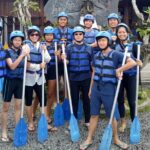
- How big is the group?
- Are entrance fees included?
- What about food and drinks?
- Do I need to bring anything for the temple visit?
- Is free cancellation available?
Key things to know before you go
- Small-group format: the operator keeps it limited (max 15), and some departures feel even smaller in practice.
- Hotel pickup coverage: offered from major Bali beach areas like Kuta, Seminyak, Sanur, Jimbaran, and Nusa Dua.
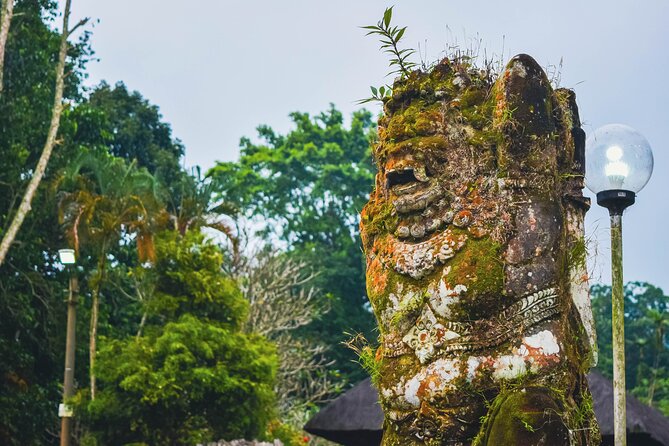
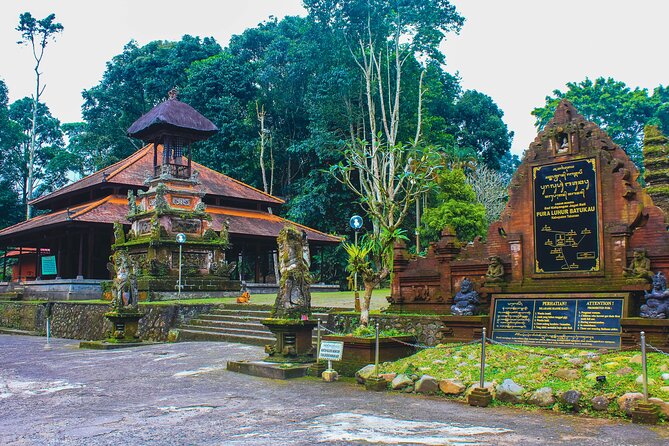
- Sacred stop is the star: Pura Luhur Batukaru sits near Mount Batukaru and is treated as one of Bali’s holiest sites.
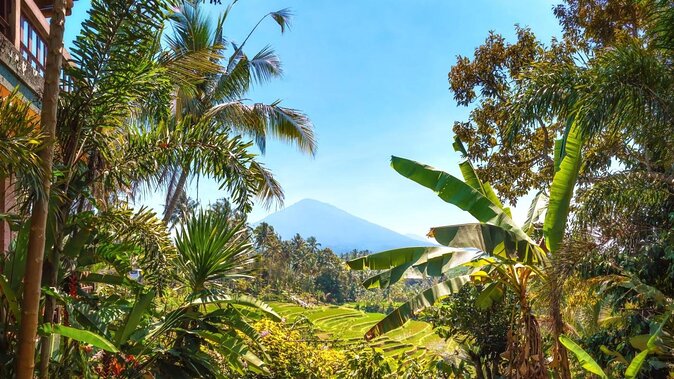
- Agriculture lesson, not just photos: you’ll see how volcanic soil supports spices, vegetables, fruit, and especially the Jatiluwih rice system.
- Bring good footing shoes: the temple areas can be slippery with moss and humidity.
- Expect a long day: it runs about 8 hours, with a meaningful amount of time on the road.
Getting out of Ubud traffic and into Bali’s working countryside
This isn’t a quick “see one temple and leave” outing. You’re setting out early (start time 8:30am) with pickup typically 30 to 60 minutes before. Then the ride moves you from denser, busier areas toward the foothills of the Batukaru Mountains, where the view changes from buildings to farm fields and mountain air.
That shift matters. Bali looks beautiful from the roads, but the real point of the day is to understand how the island feeds itself and worships through that same landscape. With the vehicle doing the driving, you get to watch the countryside unfold without fatigue.
Also, you’re not going solo. A guide comes along (and some guides you might encounter are names like Arya, Rai A., Rodney, or Darta), plus a driver. That combination usually makes the day easier: you can ask questions, you don’t have to bargain for directions, and you get context for what you’re seeing.
You can also read our reviews of more tours and experiences in Ubud.


Mount Batukaru farms: volcanic soil, spices, and what the locals grow
The morning is built around the Batukaru foothills, where the fertile volcanic soil supports lots of crops—spices, vegetables, flowers, and tropical fruit. Even if you’re not a plant nerd, this is where the “real Bali” angle starts to make sense: agriculture here is not a side hobby. It’s part of daily identity.
You’ll get time for a stop associated with Mount Batukaru, described as a place of farming expertise. In practice, this type of stop often comes with explanations about soil and cultivation, and it can also include tastings or brief demos if your guide’s route adds them.
One thing to watch: some days include extra “craft and plantation” style stops beyond the core temple-and-terrace route. That’s not automatically bad. It can be interesting if you like food and handmade goods. But it can also feel like sales pressure if your real priority is the countryside and sacred spaces—so keep your goals clear before you arrive.
Jatiluwih rice terraces: seeing the farming art without rushing
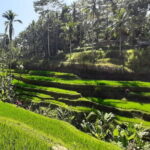
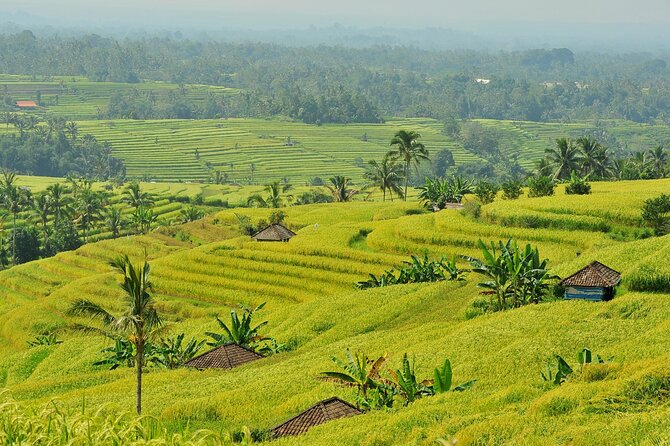
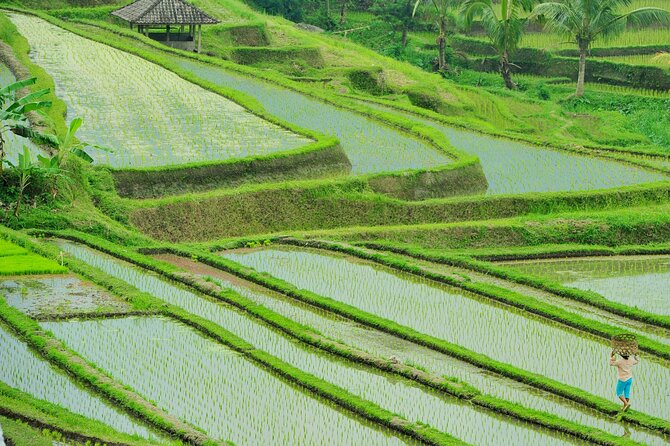
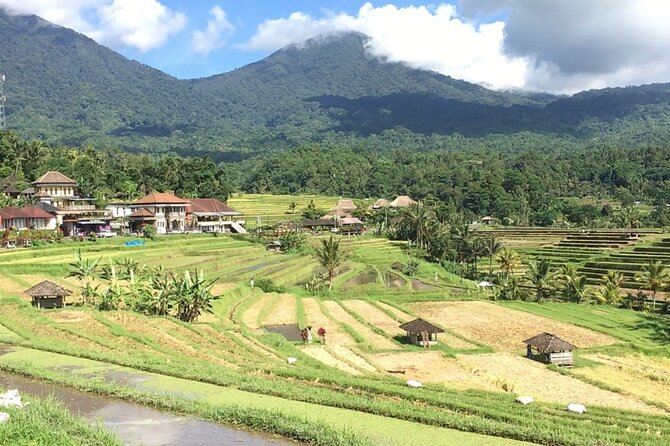
Jatiluwih rice terraces are what most people picture when they think Bali’s green hills—stair-stepped paddies, curves that look engineered, and layers you can keep looking at. The tour’s framing is smart: it emphasizes rice cultivation as a creative art and communal effort, not just “pretty pictures.”
In the real world, you’ll benefit from the pacing here. You get about two hours at this stop, so you can slow down, take photos from multiple angles, and step away from the road. When you’re in a small group, you’re more likely to have breathing room instead of playing photo traffic games.
A practical tip from how this day runs: if rain shows up (and Bali rain is unpredictable), expect the terraces and paths to feel slick. A good pair of shoes helps more than umbrellas. Also, in wet weather the view can go either way—sometimes clouds hide the far distance, but the light turns the greens extra dramatic.
If you’re sensitive to motion and road winding, this part is where you’ll feel less “in the car” between breaks. Still, the day overall is long, so plan snacks-water in your own bag if you’re picky about meal timing.
Pura Luhur Batukaru Temple: quiet power and sacred architecture in the forest
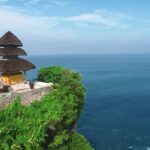
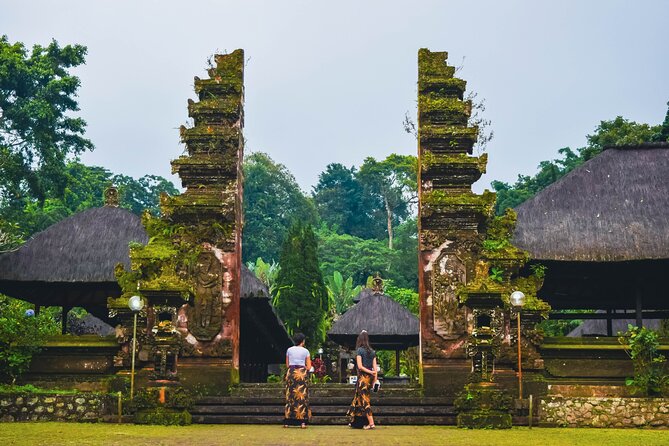
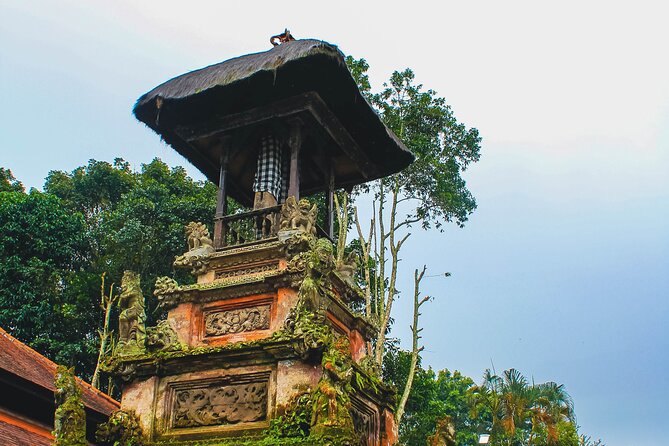
After the terraces, the day turns religious and remote. You’ll head through dense forest areas near Mount Batukaru toward Pura Luhur Batukaru, described as one of the holiest sites for Bali’s Hindu community (with only Besakih noted as more sacred in the provided info).
This is the stop that many people remember most clearly. It’s set away from the beach scene, and the vibe tends to be calm—birds, shade, and that slow, lived-in feeling you don’t get at temples surrounded by bus traffic. The tour is built around time with your guide, so you’re not just walking through arches and leaving. You’ll get guidance on what you’re seeing and why it matters.
Footing is the big practical consideration here. One account specifically warns that temple paths and steps can be very slippery due to moss and humidity. Wear shoes you can trust. Skip sandals if there’s rain. You’ll also want to take your time climbing in and out of the temple zones.
Your guide can shape how meaningful this feels. In the better experiences, guides have been attentive to pacing and even allowed time for quiet reflection. For example, some guides have offered space for meditation at the altar area. You can make that more likely by asking for a few extra minutes to stand quietly and take photos only when it’s not interrupting worship.
The ride, the timing, and why 8 hours can feel longer
This tour clocks in around 8 hours. That sounds straightforward until you live it in Bali. You’re leaving early, moving north, and then returning later with hotel drop-off. Depending on traffic and where your pickup starts, the “8 hours” can feel like more.
One review-style concern that’s worth listening to: road conditions can be bumpy and winding. If you’re prone to motion sickness, this matters. Preventive measures don’t always fully block nausea in vehicles that swing and stop-and-go. I’d bring your usual motion sickness plan and sit where the ride feels steadier (often the front passenger seat, if your group arrangement allows).
Rain also affects the whole rhythm. A rainy day can make the temple and forest segments feel even more slippery, and it can reduce visibility on long stretches. If you get drenched easily, pack a light rain layer and keep a small towel in your day bag.
The good news: the day’s core pieces are spaced so you’re not spending all your time on the road without purpose. Temple, terraces, and a farming stop give the drive a reason.
Price and value: what $61.54 really covers
At about $61.54 per person, this tour is priced like a budget-friendly way to bundle three big experiences: countryside agriculture, Jatiluwih rice terraces, and Pura Luhur Batukaru. What makes it feel like value is the included structure: pickup and drop-off, an air-conditioned vehicle, an English-speaking licensed guide, and entrance fees.
If you tried to piece that together yourself, the “guide + transport + tickets” combo is what usually drives cost up. Here, the tour handles those logistics so you can spend your energy on the places you came for.
That said, value depends on how your day is managed. If your route includes extra craft-house or retail stops that don’t match your interests, you may feel the cost per hour rises. Some people loved the added cultural flavor; others thought certain stops could be shorter. Your best strategy is to set expectations early: decide what you care about most (temple vs shopping vs coffee/tea tastings) and politely steer your day in that direction.
Also note: food and drinks are not included. Entrance to spa is not included either (not usually relevant for this tour, but good to know). The restaurant stop is a chance to buy lunch and drinks at your own expense, so budget for that.
Food, coffee tastings, and shopping stops you can control
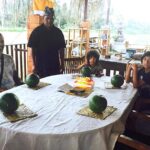
This day often includes a restaurant break in the interior. You’ll have time to stop at a local place for rest, and you can purchase food and drinks there. Expect the meal quality to be a variable part of the day. In some accounts, lunch didn’t land well (cold food or basic quality), while others enjoyed a lunch view overlooking rice fields.
If you’re particular about food, treat this as a “buy and adjust” moment, not the highlight. If you can, carry a small snack so you’re not starving during the waiting periods between stops.
On the cultural side, some versions of the route may add stops linked to batik, silversmiths, spice gardens, or coffee/tea tastings. One person described learning through sampling many types of teas and coffees, and another mentioned tasting local coffee at a coffee plantation. There’s also a pattern in a few experiences that these stops can include pressure to shop.
Here’s how to keep it comfortable:
- Go in with a shopping budget, even if it’s zero.
- Ask your guide how long you’ll spend at each stop.
- If you’re not interested, you can still look quickly, then refocus on what you came for.
And if the guide suggests an extra add-on outside your plan (one account warns about pushiness for a separate attraction next day), use your instincts. You don’t have to decide on the spot.
Who this tour is best for (and who should pick something else)
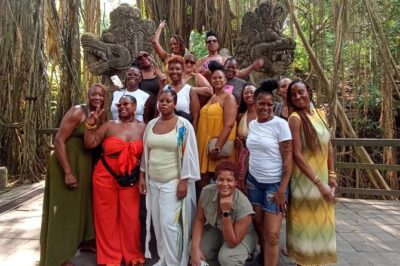
This fits best if you want Bali interior depth without doing it the hard way. It’s a good choice for couples, small groups of friends, and solo people who want a guide for religious context and agriculture education, plus a driver to handle the roads.
It’s also ideal for first-timers to Bali who’ve mainly seen beaches and want a fast “culture and farms” contrast. If you already know Bali temples and want only a temple-and-view day, you might find extra stops a bit much. But if you like learning how worship and farming connect, this route delivers.
The main mismatch: people who hate time on the road, people very sensitive to motion sickness, and people who absolutely do not want any retail-related interruptions. Even with a great guide, the day is still long and the vehicle is still part of the deal.
Should you book the Jatiluwih Batukaru Mountain Nature’s Best Tour?
I think you should book it if your priorities are Jatiluwih rice terraces plus a quieter, more remote temple day. The combination of farming context, a sacred site in a forest setting, and a licensed guide handling entrance fees is strong value for the money.
I’d hesitate if you’re trying to maximize “hours in the scenery” and minimize everything else, because the day can run long and may include extra cultural stops that feel shopping-heavy. If you do go, go in with a plan: wear shoes for slippery temple steps, bring motion sickness help if you need it, and decide in advance what kind of add-ons you’re willing to spend time on.
If that sounds like your style, this tour is one of the cleaner ways to see the Bali people actually live by—rice waterworks, volcanic farms, and a temple experience that feels far from the crowd.
FAQ
How long is the Jatiluwih Batukaru Mountain Nature’s Best Tour?
The tour runs for about 8 hours.
What time does the tour start?
The listed start time is 8:30am, with hotel pickup usually 30 to 60 minutes earlier.
Is hotel pickup and drop-off included?
Yes. Pickup and drop-off are included from major hotels in Kuta, Seminyak, Sanur, Jimbaran, and the Nusa Dua area.
How big is the group?
The experience lists a maximum of 15 travelers, and it’s described as a small-group tour.
Are entrance fees included?
Yes. Entrance fees are included as part of the tour, and the itinerary stops note admission tickets as free.
What about food and drinks?
Food and drinks are not included. There’s a local restaurant stop where you can buy what you want.
Do I need to bring anything for the temple visit?
The tour includes a forest walk and temple areas where paths and steps can be slippery with moss and humidity. Comfortable, grippy shoes are a smart idea.
Is free cancellation available?
Yes. You can cancel up to 24 hours in advance for a full refund.