REVIEW · KUTA
Indonesia: Garuda Wisnu Kencana
Book on Viator →Operated by GlobalTix Pte Ltd · Bookable on Viator
Big statues and big myth energy hit fast.
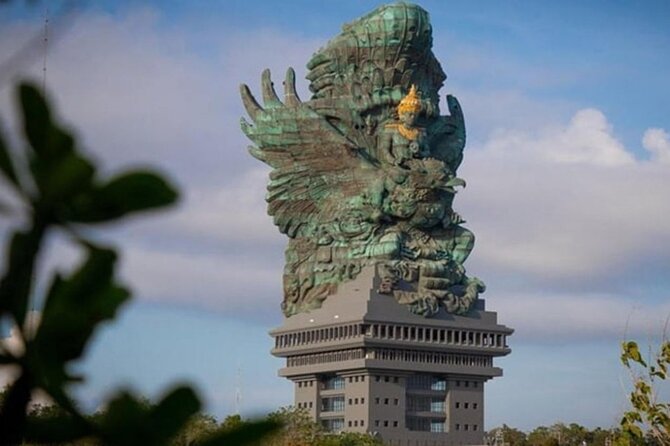
That’s what you get at Garuda Wisnu Kencana Cultural Park, where the 120.9-meter Garuda Wisnu Kencana statue dominates the Bukit Peninsula view and turns Bali Hindu mythology into something you can walk through. I really like how the park’s design makes it easy to pace yourself, either on foot or by Segway when you want a faster route.
Next, I love the day-by-day rhythm of the performances. You can plan around hourly cultural shows, then end with KECAK at 18.00 WITA, all without needing a second ticket just to enjoy the atmosphere.
One thing to consider: this park can feel pricey if you expected everything to be included. It’s also big enough that you may want the on-site buggy service, and waiting times for the statue-up experience can eat into your limited 2–3 hours.
In This Review
- Key things I’d mark on your GWK plan
- Why Garuda Wisnu Kencana Feels Different From a Typical Monument Stop
- Before You Go: Statue facts that make photos and stories click
- Entering the Park: Walking routes, Segway rides, and the buggy reality
- The real itinerary: what to do inside GWK’s cultural park
- Stop focus: Garuda Wisnu Kencana Cultural Park
- The performance schedule: how to plan around the best show times
- Price and value: how to judge $6.22 with open eyes
- Timing strategy: fit GWK into a Kuta day without feeling rushed
- Weather and comfort: the small stuff that affects your whole visit
- Who GWK is best for (and who should rethink it)
- Book it or skip it: my honest call on Garuda Wisnu Kencana
- FAQ
- How long does the Garuda Wisnu Kencana experience take?
- Where is this experience located?
- Is the ticket mobile?
- Are admission tickets included?
- What performances are scheduled during the day?
- Are children charged?
- Is the booking refundable?
- When will I receive the official ticket?
Key things I’d mark on your GWK plan
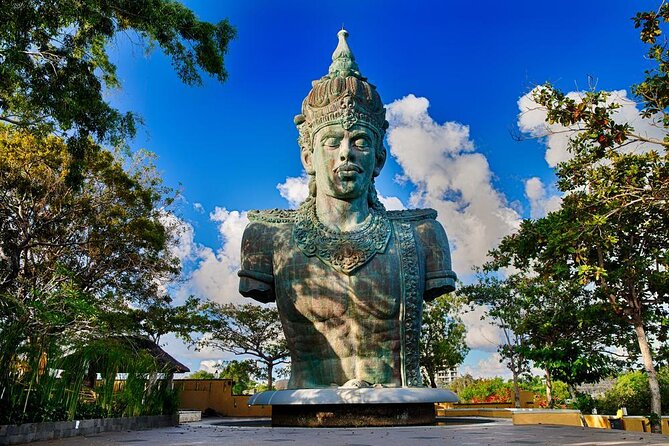
- A 120.9-meter icon: Garuda carrying Wisnu, built from copper, brass, and steel.
- A 60-hectare cultural park: more than one focal point, not just a single photo spot.
- Daily performance schedule: shows at the amphitheater, Plaza Wisnu, Lotus Pond, and KECAK at 18.00 WITA.
- Segway and buggy options: help you cover the grounds without burning your whole visit on walking.
- Optional time sinks: the top-of-statue guided experience can mean long waits during peak times.
Why Garuda Wisnu Kencana Feels Different From a Typical Monument Stop
GWK isn’t just a monument you pass by. It’s a full cultural park built around a colossal centerpiece, with myth, sculpture, and staged performances working together like one big outdoor story set.
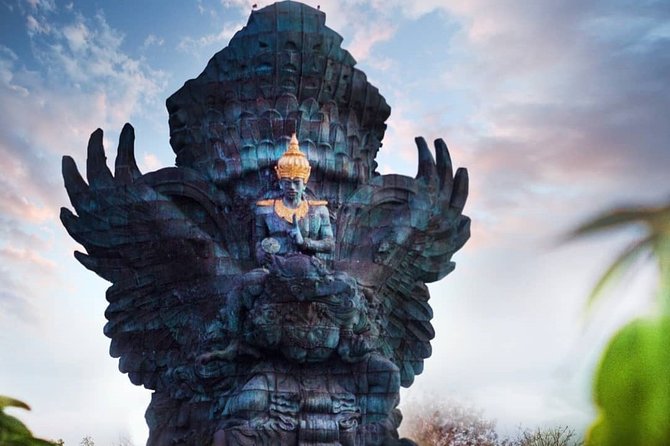
If you like your Bali sightseeing with meaning, GWK delivers. The statue shows Lord Wisnu riding Garuda, the mythical eagle. In Indonesian symbolism, Garuda is also the national emblem tied to freedom from oppression, so you’ll see the place framed as both cultural art and national pride, not only “a big statue.”
The park is also practical for a short visit. With a typical 2–3 hour time window, you can see the main structure, move through a few key areas, and catch at least one show block if you time your arrival right.
You can also read our reviews of more tours and experiences in Kuta.


Before You Go: Statue facts that make photos and stories click
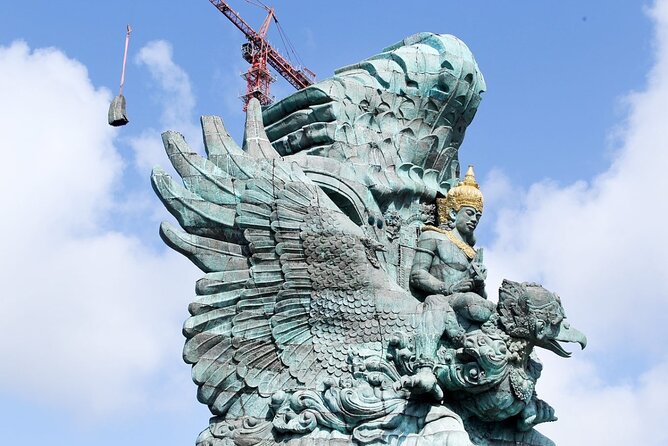
The Garuda Wisnu Kencana statue was created by Balinese sculptor Nyoman Nuarta. The materials matter because they explain why the monument looks both metallic and monumental: copper, brass, and steel are part of the build.
Here are the details worth holding in your head while you’re there:
- Height: 120.9 meters
- Wingspan: 64 meters
- Crown design: the crown is decorated with gold mosaic elements
- Visual concept: Wisnu on Garuda, built as a watchful, protective figure—protection, loyalty, and freedom are part of the symbolism described for the artwork
These points help you look past the “wow” and notice structure. When you’re close, you’ll start seeing how the wings, posture, and crown details were designed to read clearly even from a distance. That’s also why this place gets compared to other famous world monuments in size: it’s meant to be seen at scale.
Entering the Park: Walking routes, Segway rides, and the buggy reality
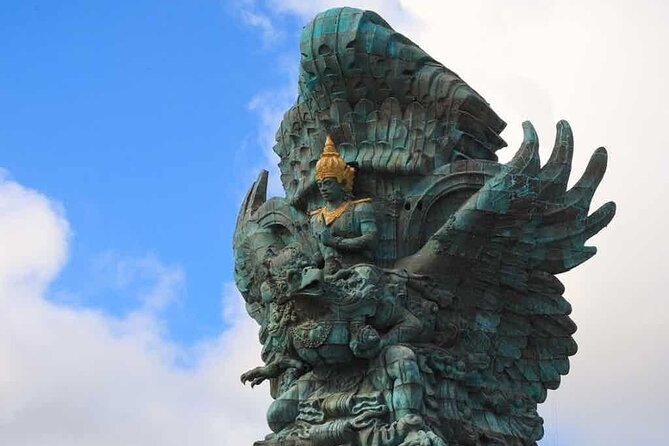
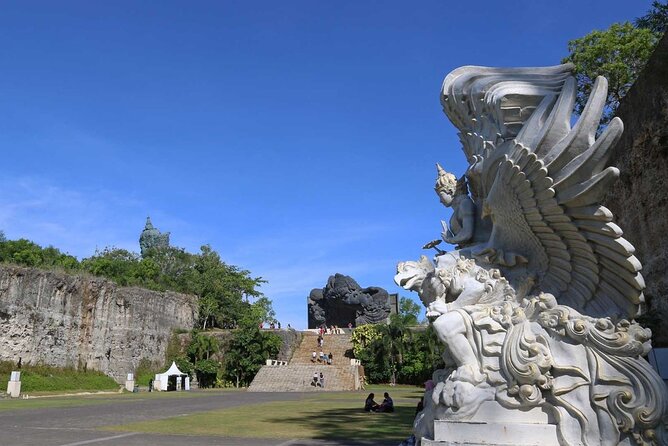
GWK is large—about 60 hectares—so your biggest decision is how you want to spend energy. The plan you choose changes your whole vibe.
On foot works well if you like slow looking and you want to take photos without feeling rushed. But if you’d rather save your legs for viewpoints, you can explore by Segway once you’re in the park. It’s an easy way to cover ground without feeling like you’re doing cardio tourism.
One very practical tip: use the buggy service if you see it operating at the time you arrive. A buggy isn’t just comfort—it can be a time-saver in a park where distances add up fast. One of the smartest ways to protect your 2–3 hour schedule is to avoid “walking time creep,” the thing that happens when you keep deciding to add one more angle.
Also plan for the weather. A sudden downpour can cut the time you spend outside, and you can end up running from cover to cover. I’d pack a light rain layer even if skies look calm when you leave Kuta.
The real itinerary: what to do inside GWK’s cultural park
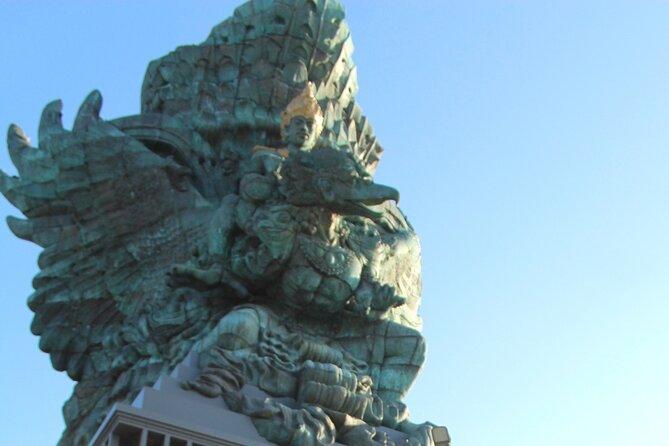
Your experience centers on GWK Cultural Park, with the admission ticket included, and the day structured around performances. Think of your visit as two tracks:
1) Move around the statue areas and gardens
2) Lock in one or more performance time slots
The park’s layout is made for that. You’re not stuck in one theater for hours. You can shift between viewing and show time like a flexible schedule, as long as you keep an eye on show start times.
The main statue area is your anchor. After you get your bearings, you can spend time around surrounding sculptures and landscaped spaces before settling into the amphitheater or performance zones.
Stop focus: Garuda Wisnu Kencana Cultural Park
The statue sits as the central feature, rising from the Bukit Peninsula hills. The scale is the first thing you’ll feel—then the symbolism. You’ll be walking in a place designed to link myth with physical space, so it feels like Bali’s storytelling is happening in public, not behind a museum door.
If your ticket includes a guided tour experience connected to going up, that can add real value. At GWK, the top-of-statue guided option can be scheduled in intervals (there are scheduled tour slots). The catch is time. If you hit a period with long waits, you might lose more sightseeing time than you gain from going up, especially in a short visit.
So my advice is simple: if you want the top experience, ask yourself if you can still hit a show at the end. For many people, the statue from the ground plus at least one big performance is the better time trade.



The performance schedule: how to plan around the best show times
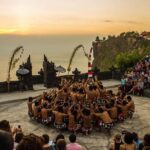
This is where GWK becomes more than sightseeing. The park runs cultural performances daily, with multiple stages and show blocks through the afternoon and early evening.
Here’s the schedule window you can plan around (WITA times):
- 11.00: Tari Sekar jepun, Tari Kebyar Duduk, Topeng Kenyum Manis
- 12.00: Tari Jauk Keras, Tari Oleg Tamulilingan, Tari Kebyar Duduk
- 13.00: Tari Sekar Jepun, Tari Jauk Manis
- 14.00: Tari Topeng Monyer, Tari Jauk Manis
- 15.00: Tari Oleg Tamulilingan, Tari Barong-Bojog
- 16.00: Parade Budaya Bali at Plaza Wisnu
- 17.00: Joged Bumbung at Lotus Pond
- 18.00: KECAK – Garuda Wisnu Kencana
A few practical thoughts so you don’t get stuck choosing at the last second:
- If you arrive around midday, you can catch one or two dance sets in the amphitheater blocks, then still make it to the late program.
- If you want the full myth-meets-performance payoff, plan for KECAK at 18.00 WITA. It’s specifically tied to Garuda Wisnu Kencana, so it feels like the climax of the day’s theme.
- If rain hits, you’ll be happier if you already chose a show time. Even if you can’t do every outdoor angle, you can still get the cultural programming.
KECAK is the one slot I’d build your timing around first, then let everything else be flexible.
Price and value: how to judge $6.22 with open eyes
The price is listed at about $6.22 per person, and the visit is usually 2–3 hours. On pure math, that’s not expensive for entry to a huge park with scheduled performances.
But value isn’t only about entry. It’s about what you expect to be included with your time. GWK can feel like a better deal if you go in wanting:
- the statue at real scale
- the park’s grounds and views
- at least one show slot (especially KECAK)
If you go expecting one simple “look at three things” route, you might feel shortchanged. The park is big, and you’ll need to spend time moving between zones and timing shows. Also, some elements you might consider part of the experience could cost extra depending on what you choose to do inside the park. That can make the day feel less “all-included” than you planned.
So here’s how I’d decide:
- If you like performances and you’re happy to spend time at one major stage, this is usually good value.
- If you’re only chasing a quick photo and don’t want to coordinate timing, you’ll probably feel the cost more.
Timing strategy: fit GWK into a Kuta day without feeling rushed
Most people don’t come to GWK as a full-day event. They build it into a visit to southern Bali, often from Kuta.
You’ll see the park is near public transportation, which helps if you don’t want to rely entirely on private rides. Even so, once you’re inside, your time is mostly about pacing yourself through the grounds and getting to the performance zones on time.
A good approach:
- Arrive with enough buffer to explore the statue area first.
- Then commit to one performance you don’t want to miss (KECAK at 18.00 is the safest bet).
- Use transport options like buggy/Segway to prevent your walking time from crowding out show time.
Don’t underestimate waiting if you’re trying the top-of-statue guided experience. In practice, it can mean waiting close to an hour depending on the tour slot demand. If that wait would push you past your show window, skipping the top experience might be the smarter choice for the kind of visit you’re trying to have.
Weather and comfort: the small stuff that affects your whole visit
A cultural park like this is mostly outdoors. That means comfort matters.
Bring:
- a light rain layer (downpours can happen fast)
- water for the midday heat
- a way to keep your phone safe if it starts raining
If it does rain, don’t panic. You can shift to the scheduled performances and let the outdoor exploration shrink to the minimum necessary. That’s also why timing your favorite show is so valuable.
If you’re using buggy service, pay attention to pickup points and timing. In a fast-moving schedule, the easiest way to waste time is by being out of sync with your next activity.
Who GWK is best for (and who should rethink it)
GWK is a great fit if you:
- want a big, iconic statue in Bali tied to mythology
- enjoy seeing dance and theater performances as part of a sightseeing plan
- like cultural parks where the day is structured with shows
It’s less ideal if you:
- only want a quick photo stop
- hate planning around show times
- prefer fully guided, everything-included visits where you don’t make choices during the day
If you’re traveling as a couple or solo and you enjoy building your own mini itinerary around performances, this place works well. For families, it can be manageable too, since you can split your attention between performance blocks and outdoor viewing.
Book it or skip it: my honest call on Garuda Wisnu Kencana
I’d book GWK if you’re excited by the mix of statue scale + daily performances, and you can commit to timing at least one major show. At this price, the entry cost is unlikely to be the issue. Your experience will come down to how much you enjoy the park’s pacing and program.
I’d think twice if you want a quick, minimal-effort stop. The park is big, and “just looking around” takes longer than you expect, especially if weather changes or you spend time waiting for optional experiences.
If you do book, my best advice is to anchor your day with KECAK at 18.00 WITA, then build the rest of the schedule around whatever you can comfortably fit into your 2–3 hour window.
FAQ
How long does the Garuda Wisnu Kencana experience take?
It’s listed as about 2 to 3 hours.
Where is this experience located?
It’s in Kuta, Indonesia, at Garuda Wisnu Kencana Cultural Park.
Is the ticket mobile?
Yes, the experience uses a mobile ticket.
Are admission tickets included?
Yes, admission ticket included is noted for the Garuda Wisnu Kencana Cultural Park visit.
What performances are scheduled during the day?
There are cultural performances hourly, with specific time slots including Tari Sekar jepun and KECAK at 18.00 WITA, plus other dances and a parade.
Are children charged?
Children under 100 cm are free of charge.
Is the booking refundable?
No. The experience is non-refundable and cannot be changed for any reason.
When will I receive the official ticket?
A booking confirmation may be sent right away, but the official ticket is sent within 24 hours.
If you’d like, tell me what time of day you’ll be in Kuta, and I’ll suggest the best show block to target so you don’t lose time inside the park.