Start your morning in silence and water. This intimate Ubud ritual pairs a cleansing at Mengening Temple with a rare meeting with a traditional healer, capped at eight people. It’s the kind of day that feels more like local practice than a tourist show.
What I like most is the early start and the calm pace. You get to do the cleansing when the temple is still quiet, then you slow down for breakfast before the shaman part begins. Second, the shaman conversation is made practical: your guide translates, and you’re given time to ask questions in a way that makes sense.
One real consideration: if you’re on your period, you can’t join the water-temple ritual. Also, since the schedule depends on timing and traffic, you’ll want a little flexibility about when you’re back at your hotel.
In This Review
- Key Highlights You’ll Feel Right Away
- Ubud’s Quiet Power: Why This Ritual Format Works
- Mengening Temple Cleansing: What You Do and What to Bring
- The Temple Moment: Why the Off-the-Path Setting Changes Everything
- Breakfast in Ubud: More Than a Break
- Meeting the Traditional Shaman: Palm Reading, Birth Date, and Translation
- Guides, Drivers, and the “Small Group” Advantage
- Timing and Logistics: When the Day Can Run a Bit Later
- Price and Value: What $99.27 Buys You in Real Terms
- Cultural Fit: Who Should Book This Day, and Who Might Skip
- Should You Book This Shaman Meditation Day?
- FAQ
- What time does the tour start in Ubud?
- How long does the experience last?
- Is hotel pickup included?
- Where is the first ritual, and what should I bring?
- Can women participate during their period?
- Will I be able to understand the shaman if she doesn’t speak English?
- Is the group large?
- Are photos or recording allowed?
- What happens if weather is poor?
Key Highlights You’ll Feel Right Away
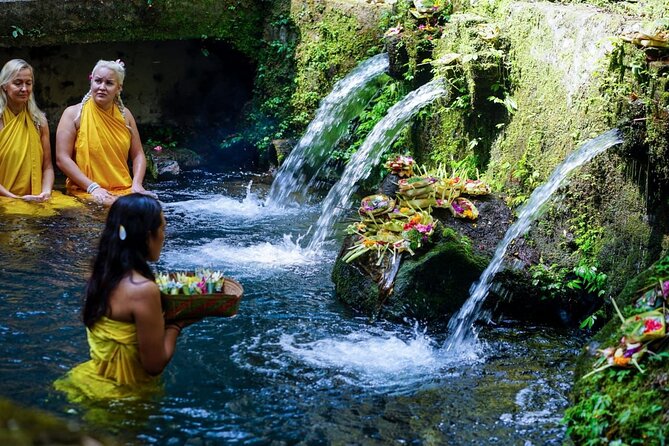
- Cleansing at Mengening Temple at a water temple whose name means stillness
- Max eight people for a more personal, calm feel
- A shaman who rarely sees visitors, with your team translating so you can understand
- Time to linger: the shaman stop includes about 30 minutes with some breathing room
- Photo and voice recording possibilities during the reading (when the shaman allows it)
- Hotel-area pickup and return so you don’t spend the day organizing rides
Ubud’s Quiet Power: Why This Ritual Format Works
This isn’t a big “see-everything” Bali tour. It’s built around a simple idea: start early, do one meaningful ritual, then give yourself time to absorb what happens next. That structure matters, because you’re not rushed from one location to the next while you’re still processing the first experience.
I also like that the group stays small. When you’re with only a few people, the guide can explain at a slower speed and you’re less likely to feel like you’re waiting your turn. That’s especially helpful for a spiritual day where you might have questions, or you might just want quiet.
Finally, the shaman component is rare by design. The healer you meet typically focuses on Balinese locals and doesn’t speak English, so the translation support is not a small detail. It’s the whole difference between a cool story and something you can actually connect with.
You can also read our reviews of more tours and experiences in Ubud.



Mengening Temple Cleansing: What You Do and What to Bring
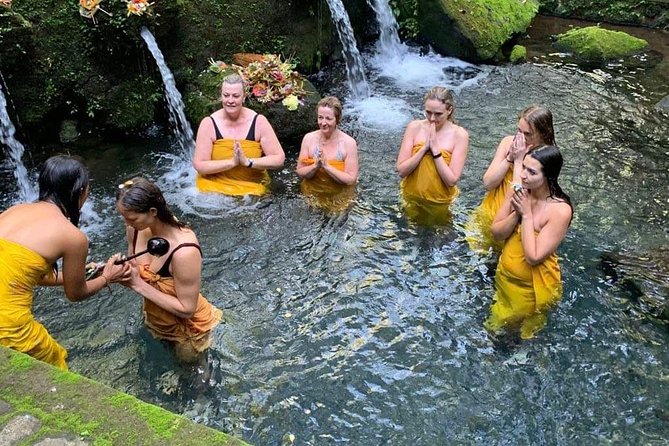
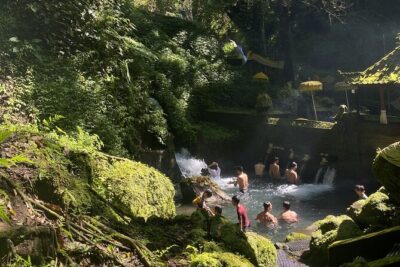
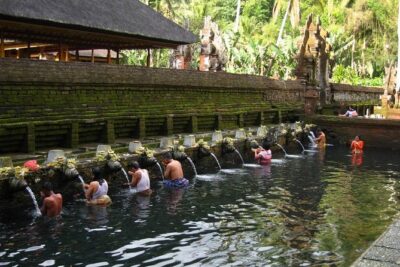
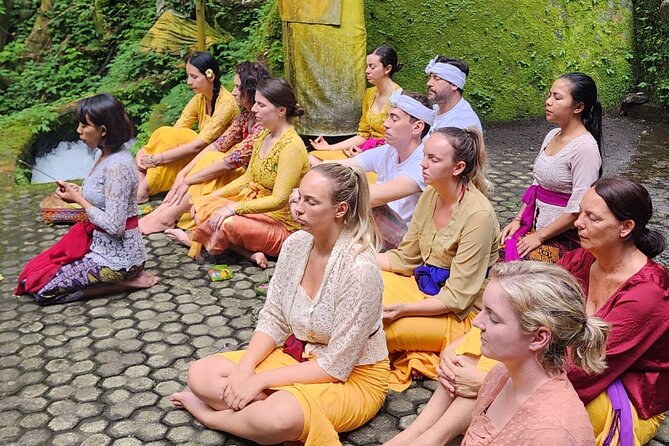
Your morning starts with hotel-area pickup, then you meet the group around 7:00 am. After a drive to the temple, you’ll take part in a water purification ritual at a quieter spot in the Ubud area. The name Mengening is tied to stillness, which is a nice way to set your mindset before you’re in the water.
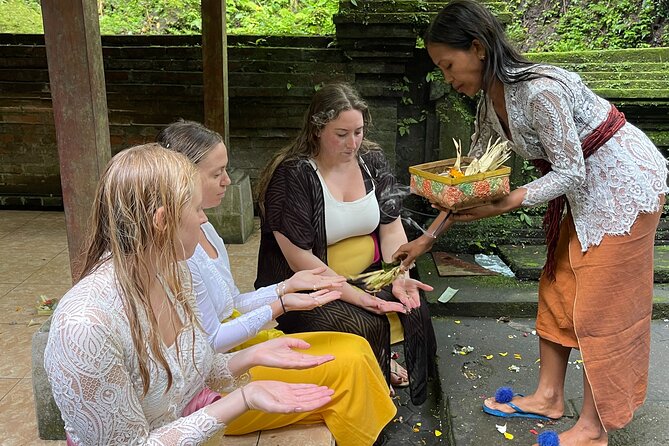
Here’s what to expect from the cleansing itself: you’re guided through a ritual where you let go of what no longer serves you and you take in what moves you forward. The wording is spiritual, but the practical feel is that you’re doing something structured—something with intention—rather than just taking a quick swim.
Bring the right stuff. The day’s notes say women on their period can’t attend the water temple ritual, and you should bring your own towel and swimwear. If you’re not sure what to pack, pack a small, dry set just for after the ritual—once you’re wet, you’ll appreciate being comfortable fast.
Also plan for an early-morning vibe. If you’re someone who needs full breakfast and caffeine before doing anything “serious,” you’ll want to show up ready. The tour starts with the purification first, then breakfast comes after.
The Temple Moment: Why the Off-the-Path Setting Changes Everything
A lot of Ubud spirituality tours hit the same famous spots. This one leans the other way: it’s described as off the beaten path and less visited, and that matters for how the ritual lands in your body.
When a place is less crowded, you’re less distracted. You can listen to the guide, watch what others are doing, and still feel like you’re participating rather than observing. Several people highlighted that the temple experience felt peaceful and authentic, especially because the group is small and timing is early.
You’ll also likely get a bit more attention from the people running things around the temple. In many Balinese rituals, local participants take the lead, and you’re there to follow respectfully. A quieter temple helps you match that rhythm instead of trying to compete with a crowd.
If you’re hoping for Instagram photos, you’ll probably get moments. But the bigger value is how calm the setting makes the purification feel—more reflective, less performative.
Breakfast in Ubud: More Than a Break
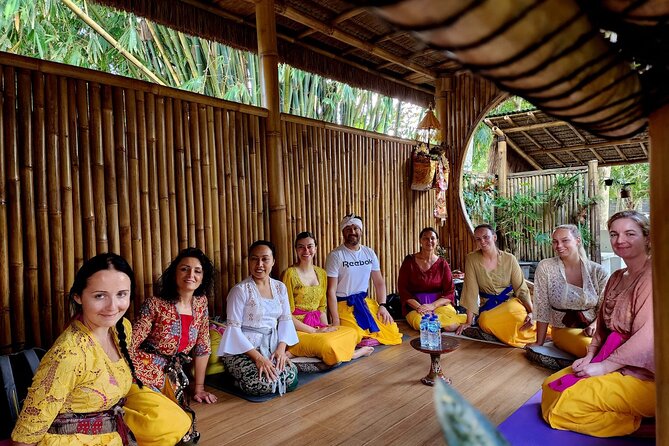
After the cleansing, you drive back toward Ubud for breakfast at a restaurant. The food stop is not just “a meal between activities.” It’s a reset point in the day—especially because you’ve started with water and intention.
In the notes you’ll find that breakfast is described as delicious, and in feedback you’ll also see mention of options like vegan and gluten-free. That’s useful because a spiritual morning can throw off your appetite if you’re hungry and everything feels limited. Having choices makes the day feel smoother.
I’d treat this breakfast like a real transition. Eat something that helps you stay steady through the shaman reading part, which can feel emotional even when it’s not “dramatic.” You don’t need a heavy meal, but you do want your energy to be stable.
Meeting the Traditional Shaman: Palm Reading, Birth Date, and Translation
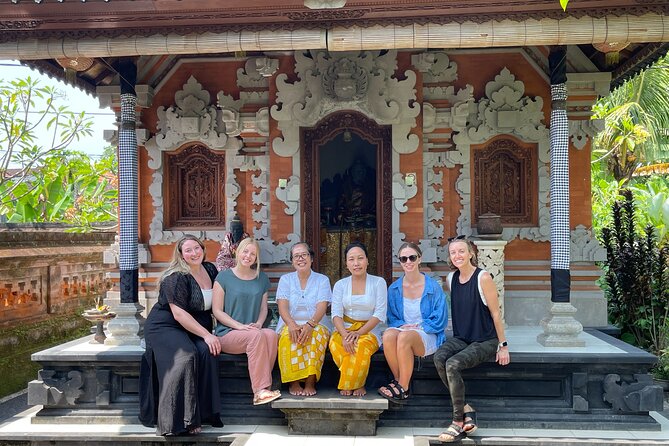
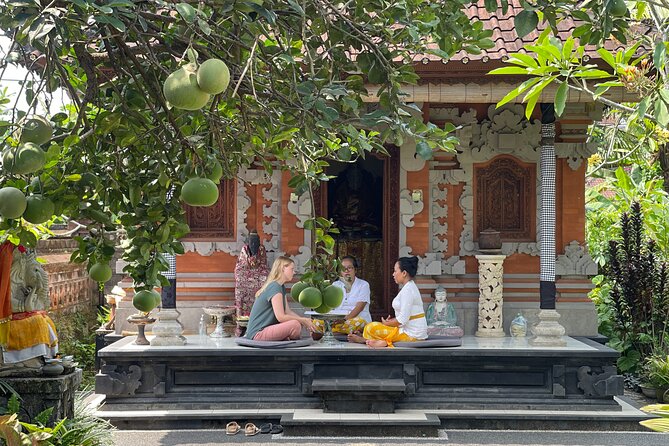
Around 11:00 am, you’ll head to the shaman house. The total shaman stop includes about 30 minutes, plus time for the short drive, so you’re not shoved through it like a quick appointment. The healer you meet typically sees Balinese people and doesn’t speak English, which is why your guide’s translation is a core part of the experience.
What the shaman does during the reading is clearly defined:
- She reads your palm
- She looks at your birth date
- She taps into the energy of your soul to share guidance and advice on how to move forward
That’s the heart of the experience: a structured spiritual reading, not a vague “talk about your vibes.” Several people said the guidance felt accurate and emotionally moving, and a few mentioned they didn’t have to offer much personal information first for the reading to feel specific.
You’ll also have options for remembering the session. Feedback includes that you can voice record the shaman’s reading and you’ll have opportunities for photos. It’s always smart to follow any instructions on what’s allowed during the reading, but the fact that recording is possible can be reassuring if you’re worried you’ll forget details later.
One more practical point: because translation is involved, it helps to stay present. If you’re distracted or multi-tasking, you’ll miss the meaning. If you came hoping for a calm, honest conversation—without pressure—this part tends to deliver.


Guides, Drivers, and the “Small Group” Advantage
The tour is designed for an intimate day. Maximum group size is eight, and that’s not just a marketing number. With fewer people, the guide can move at the pace that fits the ritual, and you can hear what’s happening without craning your neck.
Several guide names show up in the feedback—Ena, Anna, and Putu—and they’re described as patient, kind, and good at explaining Balinese culture and the rituals behind the day. You’ll also likely work with a driver such as Wahyu, who helped people feel supported and comfortable with transportation and timing.
I like that the guides aren’t just there to “drive you to places.” They’re doing translation and context-building, which matters when you’re meeting a healer who normally works with locals. It also helps you understand what’s expected behavior-wise, like how to approach the temple ritual respectfully.
Because you’re on a spiritual schedule, a good guide can calm your nerves. When someone can explain the why behind each step, you’re less likely to feel like you’re just watching from the outside.
Timing and Logistics: When the Day Can Run a Bit Later
This experience runs for about 8 hours. You meet around 7:00 am, then the day flows from cleansing to breakfast to the shaman meeting, with the shaman stop around 11:00 am. The return to Ubud is described as around 2:00 pm, though it can vary depending on group flow and timing.
Pickup is offered around Ubud, and the description says you get hassle-free two-way transfers direct from your Ubud hotel. In practice, one piece of feedback mentioned that drop-off might not always be directly at the hotel entrance due to traffic, and a person had to use a rideshare after. That’s not universal, but it’s a good reason to be flexible and keep a little backup plan.
If you’re staying in central Ubud, you’ll probably be fine. If you’re in a more remote area, double-check how close your hotel is to normal pickup routes.
Price and Value: What $99.27 Buys You in Real Terms
At $99.27 per person, this is not a bargain-basement Bali activity. But it’s priced like a guided, small-group spiritual experience with real human labor behind it: transport, early-morning temple timing, translation support, and a shaman meeting that isn’t built for mass tourism.
Here’s where the value shows up:
- Small group cap (eight people) helps you actually engage
- Hotel pickup/return reduces stress so you can focus on the rituals
- Translation is built in, which is essential since the shaman doesn’t speak English
- Off-the-path temple timing means you’re less likely to feel crowded
- A longer shaman session (about 30 minutes) gives time to absorb
If you’re the type who likes a spiritual day that feels personal and respectful, this pricing can make sense. If you want a fast “Bali hits list,” then you might feel it’s too focused. But if you’re trying to understand Balinese spiritual life through a lived ritual, this format is the point.
One more value angle: the day seems to be built around authenticity, not a performance. That’s what people keep praising most—the calm, the lack of crowd pressure, and the feeling that the shaman reading is the real experience rather than an extra add-on.
Cultural Fit: Who Should Book This Day, and Who Might Skip
This tour says most people can participate, with one major exception: women on their period can’t attend the water temple ritual. That single restriction is important—if it applies to you, you should skip, because it changes the whole first half of the day.
It also helps to know what kind of person this suits:
- You want a quiet, thoughtful morning rather than a loud day of stops
- You’re open to spiritual interpretation, including palm and birth-date reading
- You like small groups where the guide can explain and your questions get answered
- You’re interested in Balinese practice and want respectful context
It might be less ideal if you need everything scheduled down to the minute and don’t handle variability well. The spiritual pace plus real-world driving means your day can shift slightly.
Good news if you’re a solo visitor. Feedback specifically praised the experience for solo women because the day stays structured and supported. It’s also been described as a meaningful choice for people traveling with family, including a mother and daughter.
Should You Book This Shaman Meditation Day?
Book it if you want an early, calm Ubud morning that feels genuinely Balinese, not just a checklist. The combination of Mengening Temple cleansing, a small group, and a translated conversation with a healer who normally serves locals is the winning formula here.
Skip it if you’re expecting a simple meditation class with minimal cultural protocol. This is more ritual-based than generic mindfulness, and the water temple is the first turning point of the day. If the period restriction affects you, don’t force it.
If you do book, come with a flexible mindset. Eat breakfast afterward, keep your towel and swimwear ready, and let the day be what it is: a structured spiritual experience that aims to leave you calmer and more centered than you started.
FAQ
What time does the tour start in Ubud?
The start time is listed as 7:00 am, with pickup arranged around the Ubud area.
How long does the experience last?
The duration is listed as about 8 hours.
Is hotel pickup included?
Yes. The tour offers free pickup around Ubud and two-way transfers from your Ubud hotel.
Where is the first ritual, and what should I bring?
The first part happens at Mengening Temple for a water purification ritual. You should bring your own towel and swimwear.
Can women participate during their period?
No. The notes say women during their period cannot come to the water temple.
Will I be able to understand the shaman if she doesn’t speak English?
Your team provides translation support, since the shaman usually doesn’t speak English.
Is the group large?
No. The tour has a maximum of eight travelers, keeping things intimate.
Are photos or recording allowed?
The experience is described as having opportunities to take photos, and people reported being able to voice record the shaman’s reading.
What happens if weather is poor?
The tour requires good weather. If it’s canceled due to poor weather, you’ll be offered a different date or a full refund.