REVIEW · UBUD
Overnight Mount Ijen Blue Fire Trek Tour From Bali (Private-All Inclusive)
Book on Viator →Operated by Rio Bali Tours · Bookable on Viator
Blue fire at 2:00 am sounds unreal. This private, all-inclusive Mount Ijen trek is interesting because it mixes the night crater hike with a full travel day through north Bali sights before you even reach East Java.
I love the door-to-door convenience from south Bali, Ubud, and northwest Bali. I also love that you get real on-the-ground support, including a local trekking guide and a respirator gas safety mask, so you’re not guessing what to do once you’re at the sulfur lake.
The main drawback is timing and effort: you’ll start hiking in the dark at 2:00 am, and the whole trip is spread over two travel-heavy days, so you need a decent baseline of stamina.
In This Review
- Key highlights you’ll care about
- A private Mount Ijen trek that feels like a journey (not a scramble)
- Day 1 in north Bali: temples, lakes, beach, and the Gilimanuk ferry link
- Ulun Danu Beratan (Bratan) Temple: lake views and an easy first win
- Tamblingan Lake: twin-lake scenery time
- Lovina Beach: a laid-back north coast pause
- Gilimanuk ferry port: the practical hinge to East Java
- Day 2: the early start, the crater hike, and what to expect in the dark
- That 2:00 am start is the whole game
- Seeing sulfur miners up close (and understanding the setting)
- After the hike: time to rest, shower, and head back
- Ijen Crater blue fire: safety gear, pacing, and photo sanity
- Safety isn’t optional here
- Pacing: you’ll be moving in the dark
- Crowds can still happen
- The included meals and rest plan: why it’s worth paying for “all-inclusive”
- Alcohol isn’t included
- Price and logistics: what you’re really paying for at $155
- Guides and drivers: why names like Fatah and Anggik matter
- Who this private Ijen trek fits best
- Should you book this Mount Ijen Blue Fire tour?
- FAQ
- How long is the Mount Ijen Blue Fire trek tour?
- Where is the pickup offered from?
- What meals are included in the package?
- Do I get respirator safety gear for the sulfur area?
- When do we start hiking to the Ijen Crater?
- How long is the Ijen Crater hiking portion?
- Is this tour private?
- What should I know about cancellation and weather?
Key highlights you’ll care about
- Blue fire timing at 2:00 am with a night push to the Ijen viewpoint
- Respirator gas safety mask included for the sulfur-lake area
- Door-to-door round-trip transfers across south Bali, Ubud, and northwest Bali
- North Bali sights on Day 1 like Ulun Danu Bratan Temple, Tamblingan Lake, and Lovina Beach
- Local guide-led trek focused on seeing the sulfur miners and the crater spectacle
- Hotel pickup, dinner and breakfast, and Java accommodation so you can rest between big moments
A private Mount Ijen trek that feels like a journey (not a scramble)
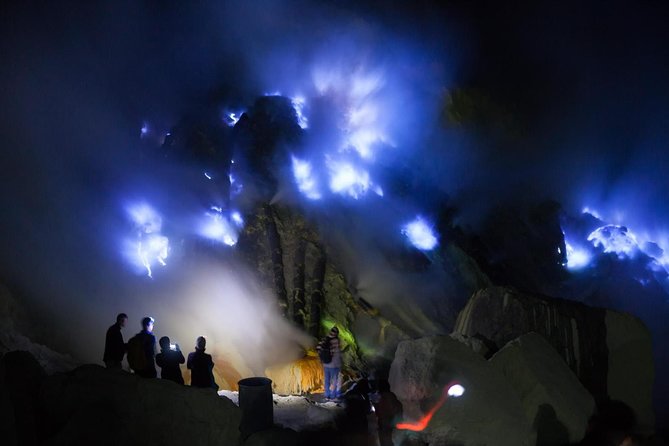
Most Ijen trips are built around one headline: the blue flame above the sulfur lake. This one adds two things that make it easier to enjoy instead of just survive. First, you’re not left to stitch together transport across Bali and Java on your own. Second, you get a proper Day 1 built around north Bali stops, so the whole experience has a rhythm instead of feeling like a nonstop airport-transfer marathon.
You’re also traveling in comfort. The package includes an air-conditioned vehicle and hotel pickup/drop-off, which matters because the drives here take time. Add in the ferry connection via Gilimanuk, and you’ll be thankful you’re not coordinating rides in the middle of the night.
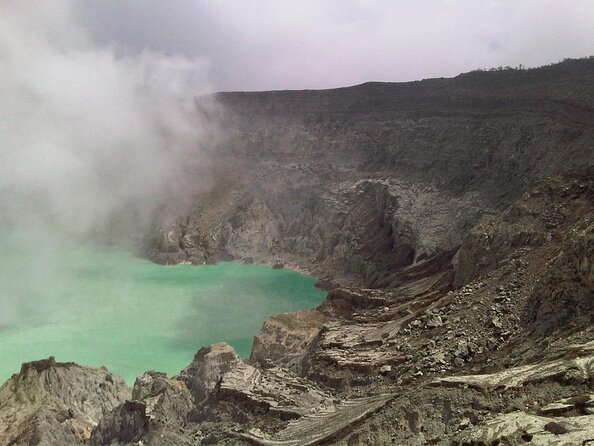
And yes, the goal is the blue fire flicker—your group hikes by night to see it over the sulfur lake, with local support and safety gear.
You can also read our reviews of more private tours in Ubud


Day 1 in north Bali: temples, lakes, beach, and the Gilimanuk ferry link
Day 1 is where you “set the stage.” It starts with cultural stops and easy sightseeing, then transitions toward the ferry port that connects you to East Java. The pacing is important: you’re not going from Bali to Java and immediately to the crater. You get moments to stretch your legs and get oriented.
Ulun Danu Beratan (Bratan) Temple: lake views and an easy first win
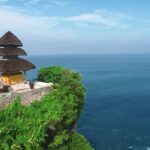
Your first stop is Ulun Danu Bratan Temple (listed as Ulundanu Temple). It’s scheduled for about 1 hour, and the admission ticket is included. This is a good opener because it’s not just a photo stop—you get a chance to see the lake setting and the temple’s structure before the trip turns more physical.
Tamblingan Lake: twin-lake scenery time
Next comes Tamblingan Lake, paired with the area described alongside Buyan Lake. You’ll have about 30 minutes here, with admission included. It’s a shorter stop, so treat it like a quick breather. If you like calm breaks during travel days, this works well.
Lovina Beach: a laid-back north coast pause
Then you head to Lovina Beach for about 1 hour. Admission is free here. Lovina is your “exhale” stop—less religious, more coastal, and a chance to reset between longer drives.
You can also read our reviews of more hiking tours in Ubud
Gilimanuk ferry port: the practical hinge to East Java
The final Day 1 stop is Gilimanuk ferry port (about 45 minutes). Admission is free, and the point of this stop is straightforward: it’s where the ferry begins your East Java connection.
This is one of those moments that feels boring until you understand what it does for you. You’re crossing into a new travel phase, and having it folded into the schedule means you don’t waste energy figuring out timing, gates, and connections.
Day 2: the early start, the crater hike, and what to expect in the dark
Day 2 is the main event. It’s structured so you’re not guessing when to leave or what comes next. Your schedule includes a quieter time in East Java, with coffee or hot tea before you start hiking at 2:00 am.
That 2:00 am start is the whole game
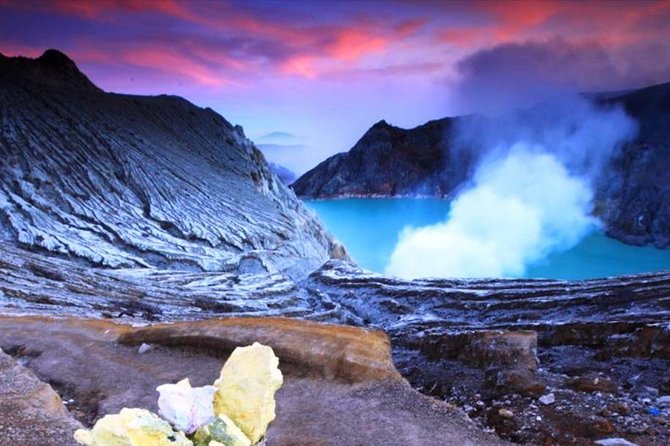
The Ijen Crater portion is about 5 hours total, and the admission ticket is included. Starting at 2:00 am means you hike in the dark for much of the route, then you’re in place to see the blue fire flickering above the sulfur lake.
If you hate waking up early, this is the one reality check. You’ll want to be ready the night before—because once the start time hits, the trip doesn’t slow down for anyone.
Seeing sulfur miners up close (and understanding the setting)
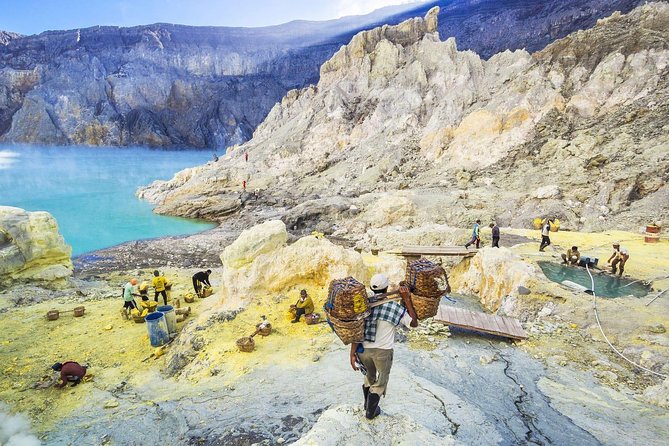
On the crater hike, your local trekking guide leads the way to see both the blue flame and sulfur mining activity around the sulfur lake area. That’s not a small detail. Blue fire photos can look like pure sci-fi in daylight or on screens, but on the ground the scene includes humans working in harsh conditions. Your guide helps you navigate the area and keep things moving safely.
After the hike: time to rest, shower, and head back
After the Ijen segment, your Day 2 schedule includes a long travel stretch back toward Bali (listed as about 7 hours for the Bali portion). There’s also time noted for returning to a homestay area to take a shower before heading to Bali for accommodation.
Important: the package clearly includes accommodation in Java, and it includes meals. What happens on the Bali lodging side isn’t spelled out beyond the travel and “traveler accommodation” wording, so if you’re sensitive to where you sleep after returning, ask the operator what’s included for the Bali nights on your exact dates.
Ijen Crater blue fire: safety gear, pacing, and photo sanity
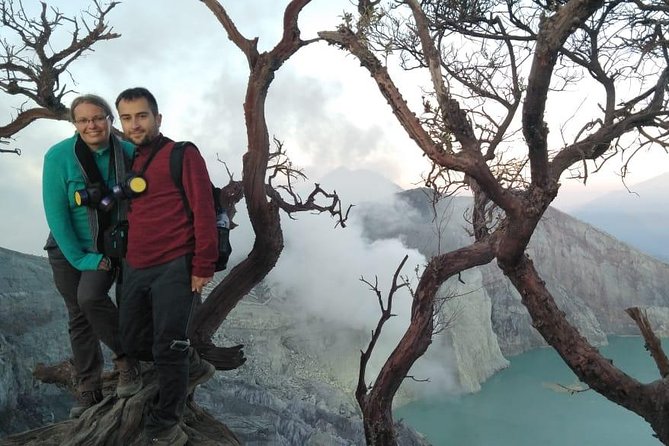
You’re hiking near a sulfur-lake environment, which means two things: visibility can be tricky, and you’re dealing with fumes. This is why I’m glad the package includes a respirator gas safety mask. It’s listed as included, and it’s exactly the kind of item that can make or break comfort during the crater portion.
Safety isn’t optional here
Even with the mask, you should treat the whole crater area with respect. The fact that the tour includes the respirator gives you a baseline safety setup, and your local trekking guide is there to lead you through the right route and timing.
Also note the fitness requirement: you should have a moderate physical fitness level. The Ijen trek is usually not about athletic speed—it’s about being able to hike steadily in the early hours and handle uneven ground.
Pacing: you’ll be moving in the dark
The route timing gives you the best chance of seeing the blue flame. That means the pace is controlled by the schedule, not by random stops for photos. So here’s my practical advice: think of photos in “bursts,” not nonstop filming. You’ll likely want a few key shots, then focus on standing in the right spot long enough for the flame effect you came for.
Crowds can still happen
Even outside peak season, you may share the crater area with other groups. It’s not stated that you’ll have the place to yourself. The positive angle: more people sometimes mean more lights, more activity, and more energy at viewpoints. The downside: you may have to wait for a clear line of sight. Bring patience, not just a camera.
The included meals and rest plan: why it’s worth paying for “all-inclusive”
At $155 per person for a private, two-day package, the question isn’t just what you pay—it’s what you avoid.
This tour includes:
- Dinner and breakfast
- A place to rest in Java (accommodation in Java is listed)
- An air-conditioned vehicle, plus hotel pickup and drop-off
- A local trekking guide
- Respirator gas safety mask
Food and rest matter a lot on Ijen. If you’re spending hours traveling and then hiking in darkness, missing a meal or being without a comfortable base can turn a once-in-a-lifetime night into a grumpy slog. Here, you have at least the meal foundation and a rest stop between major phases.
Alcohol isn’t included
Alcoholic drinks are listed as not included. So if you’re planning to celebrate afterward, you’ll want to buy what you need locally (or keep it to non-alcoholic drinks during the crater portion).
Price and logistics: what you’re really paying for at $155
Let’s break down value in plain terms.
You’re paying for three big buckets:
- Transportation: air-conditioned vehicle plus hotel pickup/drop-off, plus the Bali-to-Java ferry connection timing.
- The Ijen trek basics: local trekking guide, admission ticket, and respirator gas safety mask.
- The “Ijen aftercare” parts: dinner, breakfast, and accommodation in Java so you’re not scrambling for the next step.
For many travelers, the hidden cost of Ijen is the mental load: coordinating drivers, timing the ferry, lining up a guide, and hoping you have the right gear. A private all-inclusive structure reduces that stress.
The other reality check: this price is for a private format, but it’s still a group schedule on the ground (especially at set viewpoints). You’re not paying to avoid all other hikers—you’re paying to avoid planning headaches and to get the right support.
Also, minimum age is 15, so this isn’t a kids’ adventure. It’s for teens who can handle early mornings and the hike pace.
Guides and drivers: why names like Fatah and Anggik matter
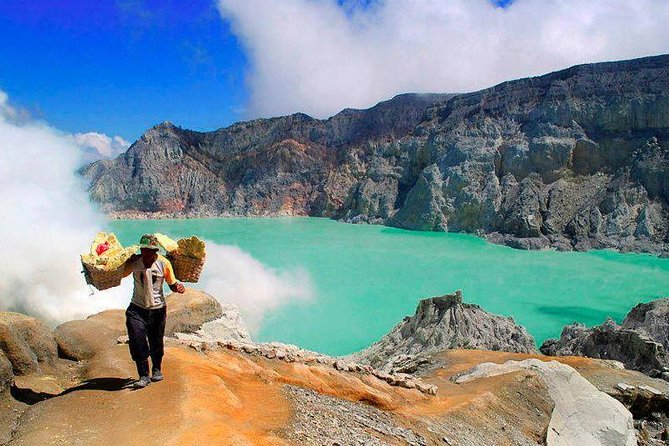
For Ijen, the guide is not just a “walk and talk” role. You’re moving through a specific environment with safety needs and timing needs. When a tour includes a local trekking guide, it’s usually a sign they’re used to the flow of the route and the crater viewing spots.
In this case, you may be led by guides such as Fatah, known for staying positive, helping keep the group motivated, and even taking photos for you so you can focus on seeing the flame effect. Another example mentioned is driver Anggik, who’s praised for careful driving across the long route from Ungasan across Bali toward Java, which is exactly the kind of practical skill you want when you’re tired.
And the overall operator team behind Rio Bali Tours appears to coordinate closely, including communication and meeting needs when they come up. That kind of responsiveness matters more than people think, because travel rarely goes perfectly.
Who this private Ijen trek fits best
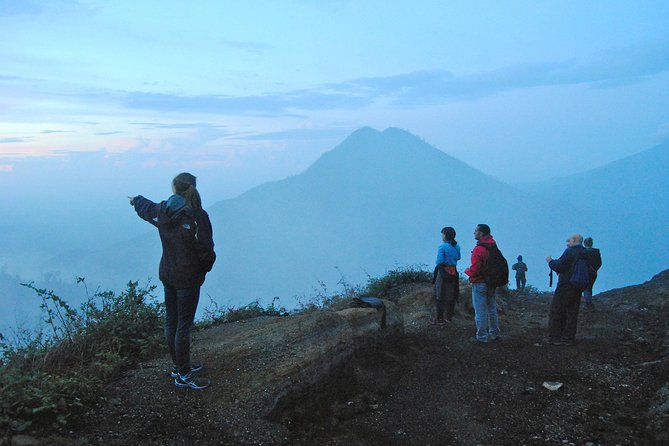
This tour is a strong match if:
- You want a private experience rather than random seat-hopping with transfers.
- You like having north Bali stops on Day 1, instead of jumping straight into East Java.
- You appreciate built-in support: local trekking guide, mask, and meals.
- You’re comfortable with a major early morning (2:00 am hike start) and a moderate fitness level.
It might feel less ideal if:
- You’re very sensitive to lost sleep. This is an early-hours experience.
- You want a slow, flexible sightseeing day on Ijen night. The schedule is built around crater viewing timing.
Best fit: couples, small groups of friends, and travelers who’d rather pay for structure than spend energy managing logistics.
Should you book this Mount Ijen Blue Fire tour?
I’d book it if you want the blue flame experience with the stress removed from the hard parts: transport, safety gear, meal planning, and guide support. The door-to-door pickup from south Bali, Ubud, and northwest Bali is a big deal, especially when you’re crossing islands and switching travel modes.
I’d think twice if the early start is a dealbreaker for you, or if you’re not comfortable with moderate hiking fitness in the dark. This trip doesn’t hide that reality.
If you can handle the 2:00 am push, this is the kind of tour where everything you need is already lined up so you can focus on the one moment that matters: watching the blue fire flicker above the sulfur lake.
FAQ
How long is the Mount Ijen Blue Fire trek tour?
The tour runs for about 2 days (approx.).
Where is the pickup offered from?
Pickup and drop-off are offered from south Bali, Ubud, and northwest Bali, with door-to-door round-trip transportation included.
What meals are included in the package?
The package includes dinner and breakfast.
Do I get respirator safety gear for the sulfur area?
Yes. A respirator gas safety mask is included.
When do we start hiking to the Ijen Crater?
You start hiking at around 2:00 am.
How long is the Ijen Crater hiking portion?
The Ijen Crater stop is listed as about 5 hours.
Is this tour private?
Yes, it’s a private tour/activity, and only your group participates.
What should I know about cancellation and weather?
Free cancellation is available up to 24 hours in advance for a full refund. The experience requires good weather, and if it’s canceled due to poor weather, you’ll be offered a different date or a full refund.