REVIEW · UBUD
Private Balinese Purification in Holy Water at Temple with Local
Book on Viator →Operated by Itrip Bali · Bookable on Viator
Holy water, jungle sounds, and serious cleansing. This private Melukat experience in Sebatu village turns a spiritual ritual into something you can understand in plain language, not just watch. I especially love the authentic temple setting and the way your guide explains the offerings and beliefs behind cleansing, including the family approach to spirituality.
One key consideration: women on periods aren’t allowed on this experience, so plan your dates around that.
In This Review
- Key Highlights You’ll Care About
- Melukat in Plain Words: Why Balinese People Use Holy Water
- Morning Pickup and the Flow to Sebatu
- Pesiraman Dalem Pingit Sebatu: How the Melukat Ceremony Works
- A realistic heads-up about expectations
- Understanding the Offerings and Local Spiritual Life
- Tegalalang After the Ceremony: A Mind-Set Shift You Can See
- Lunch Plan: What’s Included, What’s Not
- The Optional Local Healer Session in Your Host’s Village
- Should you do it?
- Price and Value: What $35 Actually Buys You
- The Practical Stuff That Makes the Day Easier
- Who This Tour Fits Best (and Who It Doesn’t)
- Names Matter: The Guides and What They’re Known For
- Should You Book This Private Purification Tour?
- FAQ
- What time does the purification tour start?
- Where does the ceremony take place?
- How long is the experience?
- Is lunch included?
- Do you offer hotel pickup?
- Can women on their periods participate?
- Is the optional healer session available, and what does it cost?
- What if the weather is bad?
Key Highlights You’ll Care About
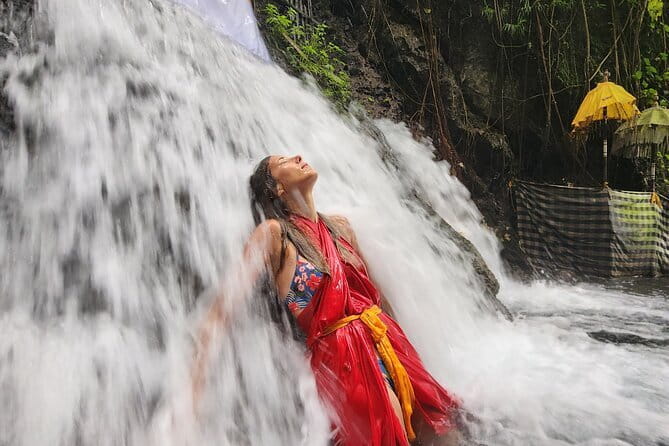
- Sebatu holy-water Melukat: You’ll learn how water is used to cleanse bad energy in Balinese belief.
- Pesiraman Dalem Pingit setting: A temple place tied to purification, not a tourist stand-in.
- A guide who translates spiritual talk: When the optional healer is involved, translation is handled by your host.
- Tegalalang as a natural follow-up: Rice-terrace sightseeing fits the morning’s mindset shift.
- Lunch isn’t included: You’ll likely stop for it, but it’s extra on your bill.
Melukat in Plain Words: Why Balinese People Use Holy Water
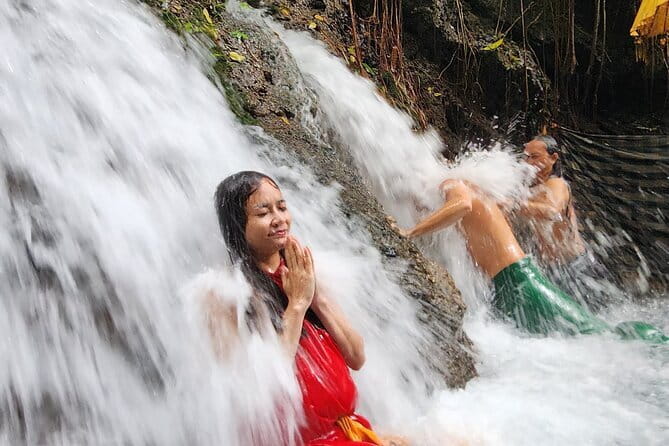
Melukat is a Balinese purification ceremony. The basic idea is that water helps refine the mind inside your body from negative or harmful energies.
In Balinese life, this kind of cleansing isn’t only for “big events.” It can happen after sickness, an accident, or when someone simply feels restless. You’re not being asked to label yourself as cursed. You’re stepping into a cultural practice aimed at balance, reset, and peace.
What makes this tour smart is that you don’t just get dunked and sent on your way. Your guide explains the meaning as you go, including why offerings matter and how ceremonies connect to everyday spirituality. That turns the experience from something confusing into something you can actually follow.
You can also read our reviews of more private tours in Ubud

Morning Pickup and the Flow to Sebatu
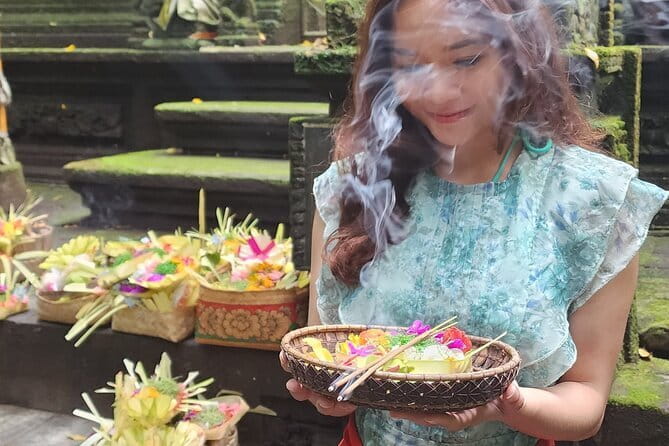
The day starts early, around 8:00am, with pickup from your hotel in Ubud. You’re in an air-conditioned vehicle, which helps because you’ll want your head clear for the ceremony, not cranky from traffic.
The focus is on a smooth morning rhythm: travel to the purification temple, do the ritual, then head to a sightseeing stop. The total time is about 4 hours, so it’s not a half-day that drags. It’s also a private experience, meaning it’s only your group, not a big shuffle of strangers.
One practical note: the tour is listed for moderate physical fitness. That doesn’t automatically mean anything intense, but you should be comfortable walking around a temple area and being flexible with timing on-site.
Pesiraman Dalem Pingit Sebatu: How the Melukat Ceremony Works
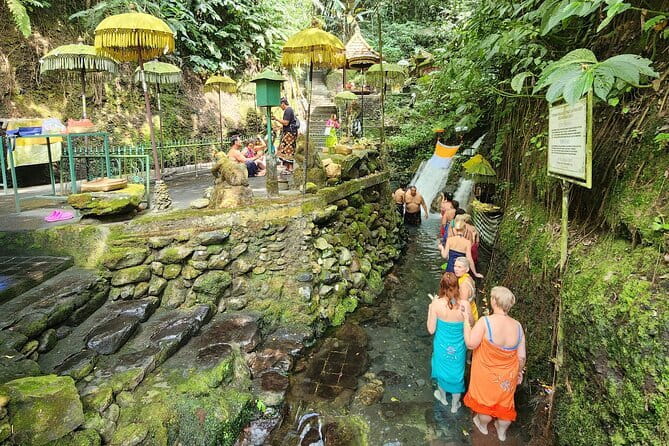
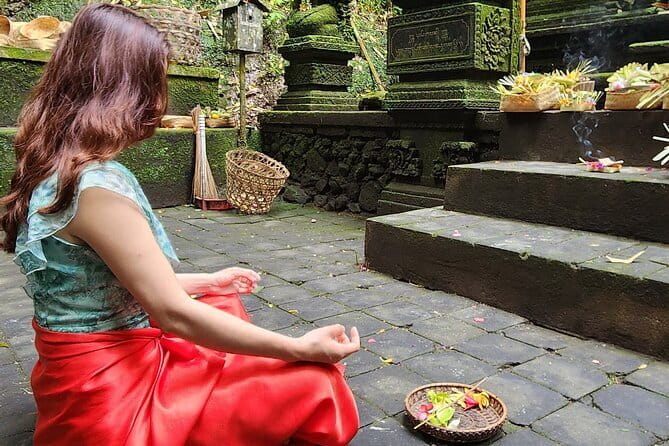
Your first stop is Pesiraman Dalem Pingit Sebatu, in the Sebatu area. This is where the holy-water purification happens, and it’s known for spiritual cleansing.
The ceremony usually follows a guided sequence. You’ll be shown what to do, when to move, and how to participate respectfully. You’ll also hear about Balinese offerings and local traditions—small details that matter because ceremonies aren’t just about the water. They’re about intention and correct participation.
This is also where learning helps a lot. Your host explains beliefs around black and white magic and how they fit into spirituality in the local way of thinking. Even if you don’t personally buy into every spiritual concept, you’ll come away with a better sense of how Balinese people frame wellbeing and misfortune.
What I like about this part of the tour is the tone: it’s presented as guidance so you can take part as if you belong in the moment. That makes it feel more human than performative.
A realistic heads-up about expectations
A purification ceremony isn’t a spa experience. It may feel intense or even emotionally revealing for some people, because you’re doing it with context and meaning, not just for photos. Go in with curiosity, stay calm, and you’ll get more out of it.
And yes: you’ll be dealing with water as part of the ritual. Plan clothing and shoes with that reality in mind.
Understanding the Offerings and Local Spiritual Life
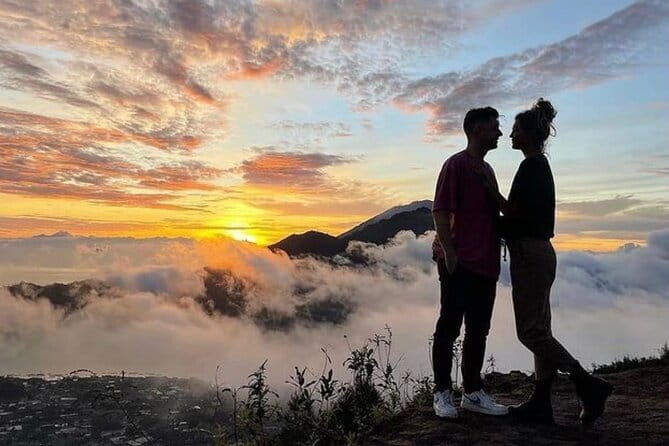
Between steps of the purification and while you’re moving through the process, your guide talks about the role of offerings. In Balinese practice, offerings are more than tradition decoration. They’re part of how gratitude, respect, and intention are expressed.
You’ll also hear how the guide and family approach spirituality. That personal angle matters. It turns the day from a lecture into a living belief system.
The tour also frames spirituality as something practical. In the local logic, negative energy isn’t just a feeling—it’s something people can respond to through ceremony and community.
If you like cultural context, you’ll find this portion unusually useful. You’re not only seeing ritual. You’re learning the language behind it.


Tegalalang After the Ceremony: A Mind-Set Shift You Can See
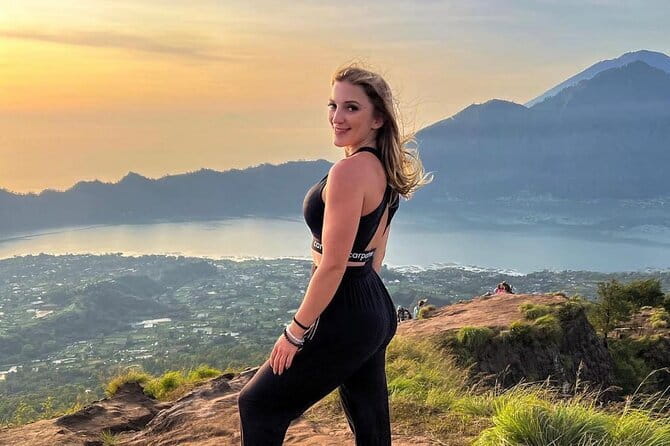
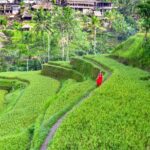
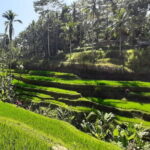
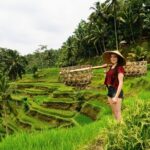
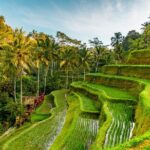
After the holy bathing, you’ll head to Tegalalang. This stop is famous for its rice terraces, and it’s a straightforward contrast to the temple portion of the day.
Here’s the value: the Melukat part is inward. Tegalalang gives you something outward to anchor the experience. It’s a good place to slow down, take in the views, and let the morning settle.
The only drawback is that the day becomes a touch more tourist-friendly here. You’re still getting a real Balinese setting, but you won’t feel the same hush as at a purification temple. Think of it as the day’s decompression.
Lunch Plan: What’s Included, What’s Not

After the ceremony, you’ll go for lunch at a restaurant serving authentic Balinese food. The tour itself lists lunch as not included, so budget extra for your meal.
This is one of those details that changes how you plan your day. If you prefer to eat lightly before temple rituals, you might want to keep breakfast simple. If you like a full lunch afterward, give yourself room for a proper sit-down meal.
Because your guide is part of the rhythm, it’s usually easier to let them handle the lunch stop rather than hunting for food right after a wet ceremony.
The Optional Local Healer Session in Your Host’s Village
At the end, you have an optional add-on: a local healer session in the guide’s village. This is additional charged at $40 and must be arranged ahead of time.
Here’s what the session includes, based on how it’s described:
- The healer reads your energy and checks what’s going on spiritually
- Healing aimed at clearing bad elements
- Guidance about your life path
- Aura cleansing using orange young coconut
- An offering is included as part of the healer arrangement
Important detail: the healer doesn’t speak English, but your guide stays with you to translate and to help you ask questions. That translation piece is a big deal, because otherwise you’d be stuck receiving meaning without language.
Also note: the tour asks that you inform before or after booking if you want this healer time, so the schedule can be set. If you’re the kind of person who hates surprises with timing, plan this early.
Should you do it?
If you want a deeper, more personal reading beyond the temple ritual, this optional step can feel like a natural extension. If you’re still processing what you felt during Melukat, you might prefer to keep the day simpler and just enjoy the temple-to-terrace flow.
Either choice can be a good fit.
Price and Value: What $35 Actually Buys You
The price is $35 per person, and that can feel like a bargain when you unpack it. You’re paying for:
- Private transportation in an air-conditioned vehicle
- Entry and fees tied to the experience
- A guide who explains the ceremony and local beliefs
- A full morning schedule that doesn’t require you to coordinate multiple moving parts
What’s not included is lunch, which is common for tours like this. You should also think of the optional healer session as a separate decision at $40.
So is it good value? For me, yes—because the experience isn’t just a ticket to a temple. It’s a guided explanation of a culturally specific ritual, plus an easy add-on sightseeing stop at Tegalalang. You get a complete spiritual-and-scenic Ubud-style morning without having to figure out how to do Melukat respectfully on your own.
And since it’s private, the guide can pace things for your comfort level. That matters when the ritual language and steps are unfamiliar.
The Practical Stuff That Makes the Day Easier
This kind of tour goes best when you show up ready to follow cues. Here are the practical points I think will help you most:
- Bring a simple change of clothing if you can. Water is part of the ceremony.
- Dress respectfully for the temple environment. This isn’t a beach day.
- Be mentally ready for meaning-focused conversation. The guide will talk about spirituality, offerings, and beliefs around magic.
- If you’re doing the optional healer session, decide ahead of time so you don’t feel rushed.
Also, check timing and weather in your head. The experience requires good weather, and if it’s canceled due to poor conditions, you’ll be offered another date or a full refund. That’s one of the realities of outdoor temple settings.
Who This Tour Fits Best (and Who It Doesn’t)
This is for you if you want an authentic Balinese spiritual practice with real context. It’s especially good for people who like cultural depth and prefer experiences with a local guide who can explain what you’re seeing.
It’s also a good fit if you want a Ubud day that isn’t only about temples as photo stops. Melukat is participation-focused.
It’s not a fit if:
- You’re traveling with someone who is on their period (women on periods can’t participate).
- You want a purely secular wellness activity. This is a cultural and spiritual ceremony.
- You expect a full-day tour with lots of time for wandering. The total time is about 4 hours.
Names Matter: The Guides and What They’re Known For
The experience is run through Itrip Bali. In past experiences, guides have been praised for their ability to explain the spirituality clearly in English and to answer questions patiently.
For example, Tunik Pande has been recognized for making the ceremony feel authentic and meaningful, especially when describing the ritual atmosphere around the temple and water. Another host mentioned in feedback is Dwiana (Itrip toys), known for excellent English and for staying patient while explaining the religious side of Bali and answering questions.
That kind of communication makes a difference here. Melukat isn’t just something you watch. You’ll get more out of it when the guide can translate the meanings clearly.
Should You Book This Private Purification Tour?
I’d book it if you’re looking for a morning in Bali that feels grounded, not staged. The combination of Sebatu holy-water purification, a guide who explains beliefs and offerings, and a tidy schedule that ends with Tegalalang makes the $35 price feel fair—especially if you like understanding what you’re doing, not just taking part.
I would skip or postpone if the period restriction affects your group, or if you’re uncomfortable with spiritual talk and water-based ceremony participation. Also, if your idea of a relaxing day is strictly dry and quiet, this may feel a bit more intense than you want.
If you’re open-minded and respectful, this is one of those Ubud experiences that can actually change how you see the island for the rest of your trip.
FAQ
What time does the purification tour start?
The tour starts at 8:00am.
Where does the ceremony take place?
The holy-water purification is at Pesiraman Dalem Pingit Sebatu in the Sebatu village area.
How long is the experience?
It’s about 4 hours (approx.).
Is lunch included?
No. Lunch is not included. You’ll go to a Balinese restaurant for lunch after the temple portion.
Do you offer hotel pickup?
Yes. Pickup is offered, and the tour includes private transportation.
Can women on their periods participate?
No. Women on periods are not allowed to participate in this experience.
Is the optional healer session available, and what does it cost?
You can add a local healer session for $40. It includes an offering for the healer and cleansing with orange young coconut, plus energy reading and guidance. The healer doesn’t speak English, but your guide will translate.
What if the weather is bad?
This experience requires good weather. If it’s canceled due to poor weather, you’ll be offered a different date or a full refund.