REVIEW · SEMINYAK
Snorkeling In Nusa Penida Departing From Bali Island
Book on Viator →Operated by Sari Nusa Penida Tour · Bookable on Viator
Getting to Nusa Penida is half the fun—then you hit the water. This snorkeling trip runs from Seminyak with air-conditioned hotel pickup, a public fast boat to the island, and a shared snorkeling boat hitting multiple reef spots. What I like most is the practical setup: equipment and key fees are included, so you can spend your energy on snorkeling instead of paperwork. I also like that you get GoPro underwater photos, plus a guide who helps you make sense of what you’re seeing.
One thing to consider: you’re on a shared public boat and snorkeling stops, so the experience depends on timing and conditions—if the sea is rough, you may get fewer calm-water moments.
In This Review
- Key things to know before you go
- Bali to Nusa Penida: how this trip is actually built
- The two departure windows: morning vs afternoon
- Price and value: why $104.50 can make sense here
- Getting to Sanur Port: the part people underestimate
- Speedboat to Nusa Penida: public means “shared,” not private
- Snorkeling stops: what each location is likely to feel like
- Stop 1: Gamat Bay
- Stop 2: Crystal Bay
- Stop 3: Wall Point
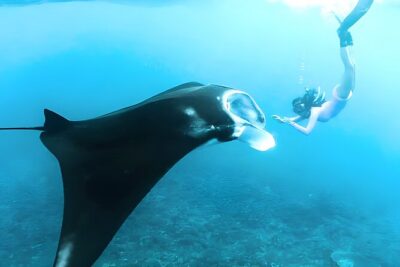
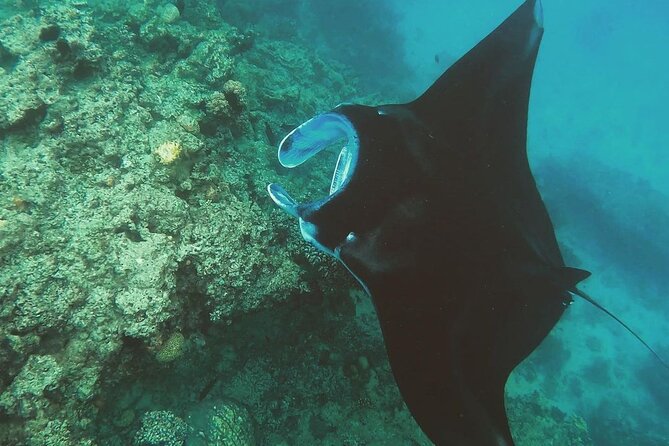
- Manta Bay (often the reason you booked)
- The “GoPro photos” part: worth it if you hate underwater selfies
- Weather reality check: when the sea gets grumpy
- Staff and guides: what to expect from the people side
- Comfort and practical stuff: bring what the tour doesn’t
- Who this is best for
- The main tradeoffs: what could disappoint you
- Should you book Nusa Penida snorkeling from Bali?
- FAQ
- How long is the snorkeling trip?
- Where does the tour pick up?
- How do you get to Nusa Penida?
- What snorkeling equipment is included?
- Are GoPro photos included?
- Is lunch included?
- Can I change clothes during the trip?
- What if the weather is bad?
Key things to know before you go
- Small-group feel (but shared boating too): The tour is marketed as small-group (max 15), while the overall activity lists up to 40 travelers, and public boats can be crowded.
- Multiple reef stops: Expect several locations like Crystal Bay and Wall Point, not just one quick swim.
- GoPro underwater shooting included: You’re set up for photos even if you’re not the type to bring your own camera rig.
- Weather can change the day: Rough water can limit visibility and snorkeling time.
- Manta rays are a maybe: You may see them, but nobody can guarantee wild animals.
- Pickup from Seminyak with AC transport: Less hassle before you board the boat.
Bali to Nusa Penida: how this trip is actually built
This is a half-day style snorkeling outing that keeps the logistics simple. You start in Seminyak and get picked up early in an air-conditioned car. Then you head to Sanur Port, check in for the speedboat, and cross to Nusa Penida by public fast boat.
Once you arrive, the snorkeling portion is handled as a shared tour by boat. That’s part of the value: you’re paying for the transport, the equipment, the permits/fees, and the guided stops—rather than trying to stitch together three separate vendors yourself.
The overall timing is designed for maximum water time without turning into a full-day ordeal. The exact stops and order are the same idea either way; the main difference is whether you pick the morning or afternoon departure.
You can also read our reviews of more snorkeling tours in Seminyak

The two departure windows: morning vs afternoon
This trip has two run times:
Morning option (about 6 hours)
- Early pickup around 06.30
- Speedboat to Nusa Penida in the morning
- Snorkel in the mid-morning
- Back to Sanur and your hotel by about 13.00
Afternoon option (about 6 hours)
- Pickup around 10.30
- Speedboat later in the day
- Snorkel in the early afternoon
- Back to Sanur and your hotel by about 17.30
Which should you choose? If your main goal is cool sightings like manta rays, you’ll want the freshest conditions you can get. One of the strongest lessons from the experience is that early timing helps with what you might see—and later in the day can mean more boats and more competition for the same water space.
If you’re flexible and just want good reef snorkeling, the afternoon is still a solid way to do it. Just know that sea state and light can shift, and you’ll feel it once you’re in the water.
Price and value: why $104.50 can make sense here
At $104.50 per person, the “value” comes from what’s bundled rather than the headline price alone. You’re not only paying for snorkeling access. The included items cover the big cost drivers:
- Hotel pickup with fully air-conditioned transport in Bali
- Return public speedboat tickets to Nusa Penida
- Snorkeling equipment (mask, fins, life jacket)
- Towels
- Government tax/service (listed at 21%)
- Petrol and parking
- Underwater shooting with GoPro camera
What’s not included is also clear: lunch and a change of clothes. That’s fine—just plan to eat before or after, and bring a way to stay decent on the road back.
Is it cheap? Not really. But Nusa Penida sits farther out than many Bali day trips, and you’re paying for the whole chain: the early transfer, the boat, the guided stops, and the photo add-on. If you’d otherwise rent gear, pay for entry/fees, and coordinate transport separately, the bundled approach can be a win.
Getting to Sanur Port: the part people underestimate
You’ll be picked up in Seminyak and driven to Sanur Port. This part matters because Sanur check-in is not something you want to stress about. The day starts early for a reason: speedboats run on schedules, and reef time is where the payoff is.
In at least one instance, the local driver experience stood out for being on-time and helpful—this kind of smooth handoff helps when you’re moving between car, port, and boat. Once you arrive at Sanur, you’ll check in for the speedboat ticket and line up for the crossing.
Practical tip: bring something simple for the ride—water, sunscreen, and maybe a light layer if you’re sensitive to morning/sea air. You can’t control how fast things move, but you can control how comfortable you are.
Speedboat to Nusa Penida: public means “shared,” not private
The crossing is by public fast boat. That’s normal for this kind of price point, but you should know what it feels like: shared seating, lots of people, and a short but energetic ride.
One review detail put a number on it: the public fast boat can be around 25 people. That doesn’t ruin the trip, but it does mean you should expect the day to feel social and coordinated rather than exclusive.
Also, remember this: if you’re prone to motion sickness, plan ahead. The itinerary depends on the boat running, and you want to arrive feeling ready to snorkel.

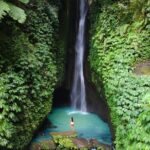
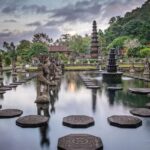
Snorkeling stops: what each location is likely to feel like
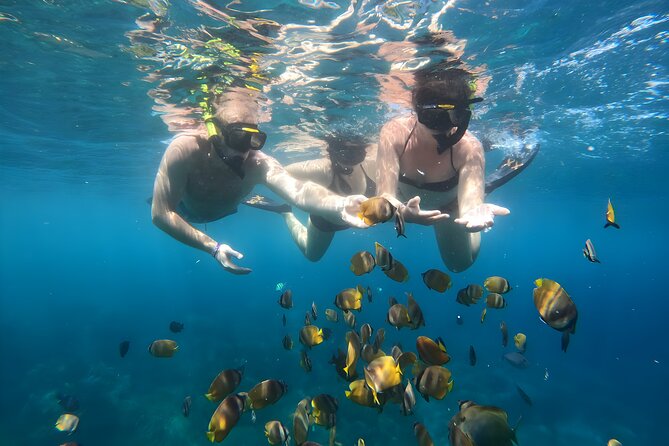
The trip is structured around several reef zones, typically including:
- Gamat Bay
- Crystal Bay
- Wall Point
There’s also a mention of Manta Bay in the stop list, which aligns with why this tour is popular. The exact order can follow the day’s route, and conditions can determine which spots are best on the day you go.
Stop 1: Gamat Bay
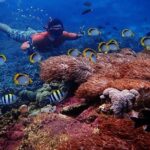
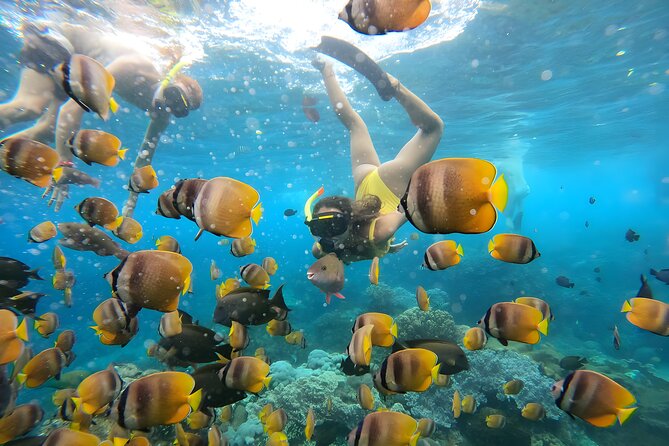
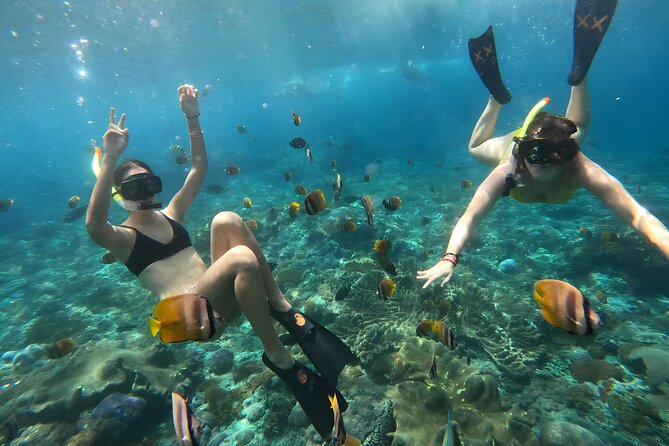
Gamat Bay is a good starting point because it sets the tone fast. You’re looking for coral and schooling fish, and the life is usually easy to spot once you get used to the water.
A common theme from the experience: when visibility is good, you’ll see plenty of fish and coral patterns. When the sea is rough, it’s not that the reef disappears—it’s that your ability to see clearly drops.
Stop 2: Crystal Bay
Crystal Bay tends to be the “wow” stop for many people. This is where colorful fish and coral stand out most when conditions cooperate.
It’s also a stop where wave action and crowds can matter. Nusa Penida is busy, and because snorkeling sites are shared public areas, you’ll often see other boats and other snorkelers. Going early helps with that.
Stop 3: Wall Point
Wall Point is the kind of place where the reef can create a sense of scale—like you’re looking at a wall of marine habitat rather than a flat patch of coral.
One mixed point from the experience: not every stop lands equally for every person. Sometimes one location has more fish activity, and other times the third stop can feel less rewarding depending on what the sea is doing.
Manta Bay (often the reason you booked)
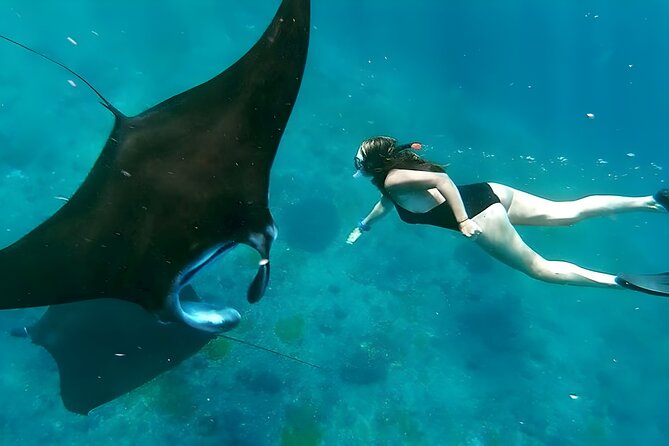
This is the stop name people chase, because mantas are a big part of the Nusa Penida legend. Here’s the reality: mantas are wild animals, and sightings can’t be forced.
Some people come away with manta sightings. Others leave without them. Weather and water conditions play a role, and so does simple luck.
One very practical takeaway from the experience: if your goal is manta rays, prioritize going early in the schedule and keep expectations realistic. Even a perfect day can still mean no mantas.
The “GoPro photos” part: worth it if you hate underwater selfies
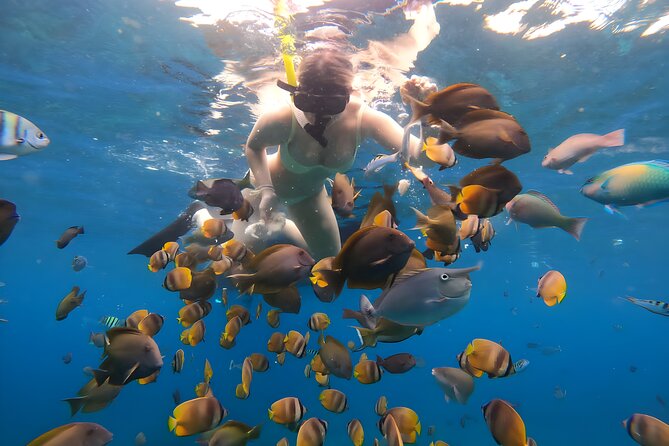
Underwater shooting with a GoPro camera is included. That matters because it removes a common problem: if you don’t have the right gear or you don’t want to hold a camera underwater, you still get photos.
I like this because it’s low effort for you. You focus on breathing, staying steady, and watching what the guide points out. Then you get the memory package without needing to become an ocean filmmaker.
Weather reality check: when the sea gets grumpy
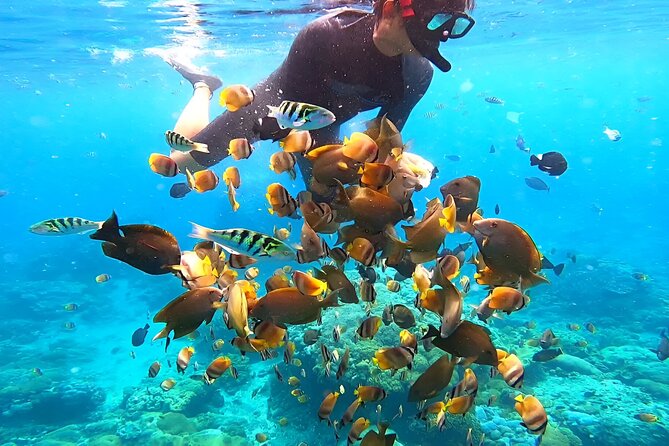
This trip requires good weather, and the operator may adjust your snorkeling experience when conditions aren’t ideal. In the field, rougher water can reduce visibility and make it harder to enjoy longer sessions.
One review experience described rain and rough water leading to fewer snorkeling moments. Another mentioned waves making coral and fish harder to see. So if the forecast looks uncertain, don’t assume you’ll get the same “perfect glass water” you see in promotional photos.
If you get strong winds or heavy swell, your best move is to stay patient, listen to the guide, and treat the day as “reef time with a variable sea.”
Staff and guides: what to expect from the people side
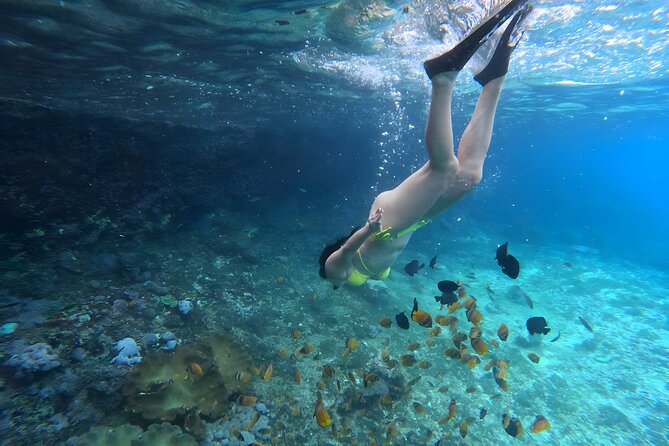
The human factor matters on a trip like this. You’re moving quickly between transport, port logistics, and multiple snorkeling zones. When staff are organized, the day feels smooth.
I also found it helpful that the experience includes a guide who can help with what you’re seeing and how to manage your snorkeling time. In one standout example, a staff member named Agung went out of the way to assist before and after the trip, including helping someone sit up front on the boat area and returning left items on the island. Those are the kinds of details that make a day feel cared for.
Language can vary, though. One experience noted limited English from guides. You can still understand a lot through demonstrations and hand signals, but if you need very detailed explanations in your language, keep your expectations flexible.
Comfort and practical stuff: bring what the tour doesn’t
Here’s what’s typically handled for you:
- Snorkeling equipment (mask, fins, life jacket)
- Towel
- Transportation and key fees
- Underwater GoPro photos
What you should plan yourself:
- Lunch is not included
- Change of clothes is not included
- You’ll want a plan for keeping your things dry on the boat ride and getting comfortable again after snorkeling
If you don’t want to think about it: wear what you can change quickly out of, bring a small dry bag, and keep your phone and wallet sealed until you’re done in the water.
Who this is best for
This tour works especially well if you:
- Want an organized Nusa Penida snorkeling day without building the logistics yourself
- Like guided stops and a clear schedule
- Appreciate the value of equipment included
- Are happy with shared boating rather than private everything
You might not love it as much if you:
- Need total privacy or hate crowds on water
- Expect manta rays as a guarantee
- Are easily frustrated by rustic facilities around check-in or meeting points (some experiences described the on-island office area as poor condition)
The main tradeoffs: what could disappoint you
To keep it honest, these are the biggest reasons people can feel let down on this kind of trip:
1) No manta guarantee. You can go specifically for mantas and still miss them. That’s not a rip-off—it’s just the wild animal problem.
2) Sea conditions matter. Rough water can cut visibility and reduce snorkeling time.
3) Shared spots mean crowds and boat traffic. Nusa Penida is popular, and you’ll often be negotiating the same water with other tours.
4) Not every stop will feel equally good. Some reef zones can be fish-heavy one day and less so another day.
If you go in knowing this, you’ll enjoy the day for what it is: reef snorkeling with several chances to see marine life.
Should you book Nusa Penida snorkeling from Bali?
I’d book it if you want a well-run, timed trip that takes care of the hard parts—transport, gear, fees, and GoPro photos—so you can focus on snorkeling and spotting fish and coral. The best value shows up when you don’t want to deal with renting equipment, negotiating transport, and managing port logistics alone.
I’d think twice if your top priority is manta rays as a certainty or if you hate shared public boats and multiple tour groups in the same water. In that case, you’re paying for a probability and a schedule, not a guaranteed wildlife show.
Bottom line: if you approach it with flexible expectations, this is a strong way to turn a Bali visit into real reef time on Nusa Penida.
FAQ
How long is the snorkeling trip?
It runs for about 6 hours, with either a morning schedule returning around 13.00 or an afternoon schedule returning around 17.30.
Where does the tour pick up?
Pickup is offered from your hotel in Seminyak, with transport to Sanur Port in a fully air-conditioned car.
How do you get to Nusa Penida?
You travel by public speedboat from Sanur Port to Nusa Penida, and you return by speedboat as well.
What snorkeling equipment is included?
Snorkeling equipment is included, specifically a mask, fins, and a life jacket.
Are GoPro photos included?
Yes. Underwater shooting with a GoPro camera is included as part of the tour.
Is lunch included?
No. Lunch is not included.
Can I change clothes during the trip?
A change of clothes is not included, so plan to bring your own options for staying comfortable after snorkeling.
What if the weather is bad?
This experience requires good weather. If it’s canceled due to poor weather, you’ll be offered a different date or a full refund.