Heaven Gate feels like a postcard come true. This private Ubud day trip strings together Lempuyang’s Heaven Gate plus two top east Bali nature stops, with a guide who keeps things clear from pickup to drop-off. The one thing to plan for: entrance fees aren’t included, so you’ll still need a bit of cash/card for tickets at each site.
I like that the tour is priced at $40 per person but still covers the “heavy lift” stuff: private, air-conditioned transport, parking, fuel, and an English-speaking guide. I also like the human touch from the guides you may get, including Mawa, Kadek, or Dewa, who focus on explaining what you’re seeing and how to move through each place with less stress.
One practical note: photo moments can mean waiting, especially around the waterfall where you may run into a queue. If you’re okay with that trade-off, the lineup makes a lot of sense for an efficient day.
In This Review
- Key highlights that matter (not just nice words)
- Lempuyang Heaven Gate: the sacred climb and the big photo moment
- Tirta Gangga: a 1946 water palace that feels peaceful, not touristy
- Tukad Cepung waterfall: cave light shafts and the reality of queues
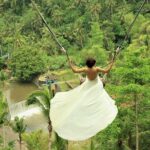
- The jungle swing finish: why this last stop works
- Price and logistics: what $40 really buys you
- Timing: a 9-hour day that needs a calm plan
- Guides you might meet: why the right person changes the day
- Who this tour is best for
- Should you book the best Lempuyang Heaven Gate tour?
- FAQ
- What is the starting location for the best Lempuyang gate of heaven tour?
- How long is the tour?
- How much does the tour cost?
- Is the tour private or shared?
- What is included in the price?
- Are entrance fees included?
- Are mobile tickets used?
- Is pickup included?
- What is the cancellation policy?
- When should I book?
Key highlights that matter (not just nice words)
- Heaven Gate at Mount Lempuyang: one of Bali’s most sacred temple spots, set about 600 meters up the mountain.
- Tirta Gangga royal water garden: a 1946-built retreat with classic Balinese water-garden design.
- Tukad Cepung waterfall in a cave: light shafts through the cave opening create the signature look.
- Jungle swing as a fun closer: end the day with action after the temples and nature.
- Private, air-conditioned transport: you’re not stuck with stop-and-go bus logistics.
Lempuyang Heaven Gate: the sacred climb and the big photo moment
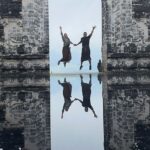
The reason people build their Bali days around Lempuyang is simple: Heaven Gate is dramatic, spiritual, and instantly recognizable. This temple complex sits on the slopes of Mount Lempuyang, around 600 meters above sea level. It’s also considered one of the six most important temples in Bali, so when you arrive, you’ll feel like you’ve stepped into something more formal than a random viewpoint.
What I like most is the way the site is both ceremonial and scenic. You’re not just looking at scenery from ground level—you’re moving through a place shaped by Balinese ritual life. That matters because it changes your whole mindset while you’re there. Instead of treating it like a quick Instagram stop, you’ll be walking through a living temple environment with proper attention and pacing.
Now the consideration: Heaven Gate is a temple on a hillside. That means there’s walking involved, and the pace can feel slower than flat attractions. If you’re traveling with anyone who gets tired on inclines, plan to go steady and keep an eye on your own energy level. The good part is that a private guide helps you time the day so you’re not rushing between stops like a checklist.
Practical tip: wear shoes you can rely on over temple paths. And keep your camera ready, but don’t sprint ahead—part of the experience is moving with the flow.
You can also read our reviews of more tours and experiences in Ubud.


Tirta Gangga: a 1946 water palace that feels peaceful, not touristy
Tirta Gangga is the kind of stop that balances the day. Lempuyang gives you the dramatic heights and temple significance. Tirta Gangga gives you calmer visuals: water, stone, and garden geometry.
This is a royal water garden in East Bali’s Karangasem region. It was built in 1946 during the reign of Anak Agung Anglurah Ketut Karangasem. That date matters because it explains why the place doesn’t feel like a modern theme attraction—it feels like a designed landscape that has been cared for over time.
Here’s why it’s valuable in a day like this: it’s a change of rhythm. After temple stairs and waterfall paths, you can slow down. You’ll likely spend about an hour on site, which is enough time to wander, pause for photos, and soak in the details without feeling rushed.
Potential drawback: water gardens can get busy, especially around photo times. But compared with the bigger crowd magnets, Tirta Gangga often feels easier to enjoy because people naturally take their time here.
Practical tip: bring a small towel or tissue if you’re worried about splashes. Also, treat water features with respect—don’t try to turn every corner into a “quick shot” that disrupts others.
Tukad Cepung waterfall: cave light shafts and the reality of queues
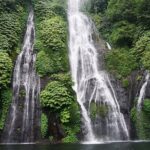
Tukad Cepung Waterfall is one of the most unusual waterfall setups in Bali. It sits inside a small cave system, and the cave opening acts like a window. The signature look comes from light shafts—sunlight filtering through and landing in the cave interior, making the whole scene feel almost staged even though it isn’t.
This is a stop that’s worth planning for beyond just the walk. The cave layout means the viewing area and angles matter. And that’s where the queue becomes real. The best moment for photos can overlap with other people’s best moments too, so if you’re particular about the exact photo, you may end up waiting a bit.
Still, the value is strong. A waterfall in a cave isn’t common anywhere. Even if you’re not chasing cinematic photos, the atmosphere inside the cave has a different feel than open-air falls. It’s darker, quieter, and more focused, because everything funnels toward the same view.
What to do so you’re not annoyed: keep your expectations flexible. Use the waiting time to watch how the light shifts through the opening rather than thinking only in terms of getting one specific frame.
Practical tip: wear grip-friendly footwear and avoid rushing. Cave paths can be slick, and a slow approach gets you safer footing and better photos.
The jungle swing finish: why this last stop works
Most of this day is about culture and nature. The ending swing is the release valve.
You’ll finish with one of the best jungle swing experiences, which is a common Bali pattern: start with temples, add nature highlights, then close with something fun and slightly adrenaline-based. The best part about putting it last is that your energy is already calibrated. You’ve seen the spiritual and scenic highlights; now you can enjoy a more playful ending.
One caution: swing attractions often bring their own photo crowds. If you’re going for pictures, arrive ready to share space and be patient while turns happen. The good news is that the tour’s private setup helps you keep your day flowing without waiting on a large bus schedule.
Practical tip: wear clothes you don’t mind getting a little dusty or damp if the area is humid. Bring a small waterproof pouch if you like using your phone for quick shots.
Price and logistics: what $40 really buys you
At $40 per person, this trip sits in the value zone for a full-day, multi-stop private itinerary. The reason is what’s included.
Your tour price covers:
- private transportation (not a shared shuffle)
- an air-conditioned vehicle
- parking fees and fuel surcharge
- a best English-speaking guide
What’s not included:
- entrance fees at the attractions
- personal expenses
This is where the math becomes clear. If you only look at the headline price, it feels cheap. But entrance fees are real, and for Bali temple/nature sites they can be a noticeable add-on. The upside is that the big-ticket costs like transport, guide time, and parking are handled for you. So your day feels organized even after you pay the remaining tickets.
Also worth noting: pickup is offered, and the tour uses mobile tickets. That reduces friction because you’re not hunting through printed confirmations right when you want to get moving.
Bottom line: This is good value if you want a structured day with minimal hassle. It’s best when you’re willing to pay the remaining entry fees and accept that your schedule is packed enough to feel like a full day.

Timing: a 9-hour day that needs a calm plan
The total duration is about 9 hours. That’s not “quick,” but it is efficient for the number of major stops you get in one go.
Here’s how to make a 9-hour day enjoyable instead of exhausting:
- Eat before you’re rushed. The time between stops on a packed day can be tight.
- Keep water handy. Hot-weather days in Bali can sneak up on you.
- Use your guide as the timing tool. A good guide helps you avoid wasting time at the wrong moment.
You’ll also notice a pattern in the stops: about an hour at each main site is typical for this kind of pacing. That’s long enough to enjoy the place but short enough that you won’t lose the whole day.
Booking-wise, it’s commonly reserved about 11 days in advance on average, which tells me it’s a popular way to do east Bali without committing to a multi-day stay.
Practical tip: if you’re picky about photos at the waterfall, plan your mindset for waiting. The experience is worth it, just don’t treat it like a guaranteed instant shot.
Guides you might meet: why the right person changes the day
A lot of tours fail on the guide part. This one tends to succeed. The reviews you’re likely to see highlight guide personalities and communication—especially that the guides are helpful and accommodating, with strong knowledge about each place and the surrounding villages.
You may meet guides such as Mawa, Kadek, or Dewa. Names matter here because it points to consistent performance: people describe them as fun, friendly, and willing to adjust to what the day needs.
What you should look for in a guide on a day like this:
- clear explanations so you don’t feel lost at temples
- pacing so you’re not stuck waiting with no plan
- practical advice for where to stand for photos (especially at the waterfall and Heaven Gate areas)
Even if you know nothing about Bali, a strong guide turns a long day into something you understand as it’s happening.
Who this tour is best for
This is a smart fit if you want:
- a private day trip without bus chaos
- a mix of temple + water garden + cave waterfall
- English guidance and smooth logistics from Ubud
It’s also a good match for first-time visitors to Bali who want the highlights of east Bali without adding stress. If you already have a good handle on the basics and just want scenic stops, this still works, because the itinerary is built around standout locations.
If you hate long days or you’re traveling with someone who struggles with steps and uneven paths, consider taking it more slowly at the temple stop and keep your expectations realistic about a 9-hour itinerary.
Should you book the best Lempuyang Heaven Gate tour?
Book it if you want an efficient east Bali day where your time goes to the places that actually earn attention: Heaven Gate, Tirta Gangga, and Tukad Cepung in a cave. At $40, the included private transport and English-speaking guide are doing real work, and that usually makes Bali days smoother.
I’d skip it or rethink if you’re mainly chasing a relaxed pace with minimal walking and minimal waiting. The cave waterfall can bring a queue for photos, and Heaven Gate involves hillside movement. It’s not a sit-and-snack tour.
If you book, do it with one mindset: plan to enjoy the day as a sequence. Start with the sacred site, balance with the calm water garden, let the cave waterfall do its magic, then finish with the jungle swing for fun. That flow is exactly why this itinerary tends to land well for people who want value and real variety in one day.
FAQ
What is the starting location for the best Lempuyang gate of heaven tour?
The tour is based in Ubud, Indonesia, with pickup offered.
How long is the tour?
The duration is about 9 hours.
How much does the tour cost?
The price is $40.00 per person.
Is the tour private or shared?
It’s a private tour, meaning only your group participates.
What is included in the price?
Included are private transportation, an air-conditioned vehicle, parking fees, fuel surcharge, and a best English speaking guide.
Are entrance fees included?
No. Entrance fees are not included, so you’ll need to pay for tickets at the stops.
Are mobile tickets used?
Yes. The tour includes a mobile ticket.
Is pickup included?
Yes, pickup is offered.
What is the cancellation policy?
You can cancel for a full refund up to 24 hours in advance. If you cancel less than 24 hours before start time, the amount you paid will not be refunded.
When should I book?
On average, this tour is booked about 11 days in advance. Confirmation is received at the time of booking.