REVIEW · SEMINYAK
Traditional Tempeh Making & Cooking Balinese Cuisine
Book on Viator →Operated by Ayu and Ngurah · Bookable on Viator
Tempeh class in Seminyak is way more fun than it sounds. This 3-hour hands-on cooking experience focuses on traditional tempeh making and then turns it into a Balinese lunch you eat in a homey garden setting. You’ll also get the context for why tempeh matters in Bali and how Balinese cooking builds flavor from spices.
I especially like how the class is structured around making things from scratch, not just watching. I also really like the small group size (max 10), because Ayu and Ngurah can slow down and give direct guidance while you cook.
One thing to consider: the menu can include chicken and tuna, unless you’re vegan and prefer to skip those parts. Also, this experience needs good weather, since you’ll be cooking in an open-air kitchen studio.
In This Review
- Key Highlights
- Tempeh and Balinese cooking: what this Seminyak class teaches
- Starting at Canang Sari Homestay: time, pace, and who runs it
- Making traditional tempeh from scratch (and why the story matters)
- The spice lesson: how Balinese flavor gets built
- Sayur Urab and the dishes you’ll cook during the morning
- Open-air kitchen to garden lunch: what the final meal feels like
- Vegan-friendly, with real-world protein options (tell Ayu early)
- Group size, private upgrade, and how to maximize your attention
- Price and value: is $39 in Seminyak worth it?
- Weather, timing, and the practical reality of an outdoor kitchen
- Who should book (and who might skip)
- Should you book this tempeh class in Seminyak?
- FAQ
- What time does the Traditional Tempeh Making & Cooking Balinese Cuisine class run?
- What will I eat during the class?
- Is the class vegan-friendly?
- How big is the group?
- Where is the meeting point?
- What happens if the weather is bad?
Key Highlights
- Tempeh from scratch in a small group so you get real attention, not just a seat
- Ayu and Ngurah guide you through both the cooking and the story behind tempeh in Bali
- Spice-heavy Balinese cooking practice using fresh plant-based ingredients
- Sayur Urab shows up as a signature dish with greens, beans, and grilled grated coconut
- Lunch includes seven dishes you enjoy together in a garden, family-style
- Options for vegan preferences with some dishes made to skip chicken and tuna
Tempeh and Balinese cooking: what this Seminyak class teaches
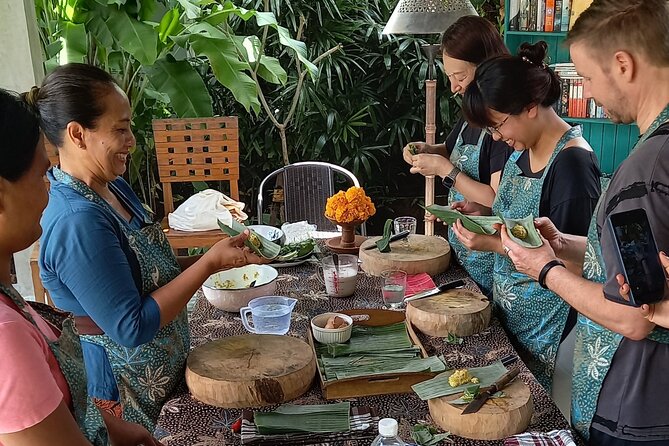
This class starts with a simple idea: tempeh is a cooking skill, not just a food. You learn how tempeh is made, then you use it right away in Balinese dishes. It’s one of those rare experiences where the learning and the eating both matter.
Tempeh plays an important role in Balinese cooking, and the class frames it as an ingredient you can flex. That’s useful if you’re the type who wants to bring home more than recipes—like a sense of how local flavor patterns work.
And yes, it’s vegan-friendly. But it’s also grounded in Indonesian cooking reality, where fish and meat may appear in related versions of the dishes. If you tell your host what you eat, you’ll cook toward a plate that fits you.
You can also read our reviews of more cooking classes in Seminyak

Starting at Canang Sari Homestay: time, pace, and who runs it
The class meets at Canang Sari Homestay in Denpasar (address: Gg. Kaswari No.6, Dangin Puri Kaja, Kec. Denpasar Utara, Kota Denpasar, Bali 80234). It runs from 9:30 AM to 12:30 PM, with lunch included, so you get a full morning activity without losing the rest of your day.
Ayu and Ngurah are the main hosts. In the reviews, Ayu comes through as the driving force behind the teaching, and you can feel the focus on practical steps. Ngurah also gets credited for being welcoming and knowledgeable in the day-to-day flow.
With a max of 10 travelers, the pace stays human. You don’t have to shout over a crowd, and you’re more likely to get help with the fiddly parts—like getting a batter or spice mixture to the right feel.
Making traditional tempeh from scratch (and why the story matters)
Tempeh isn’t presented here as a trendy “super food” catchphrase. You’ll learn the history of tempeh from your host, including its origin in Java and that it has been known since the 1600 century. You’ll also hear why it became a food for everyone—an important cultural context if you care about why ingredients show up where they do.
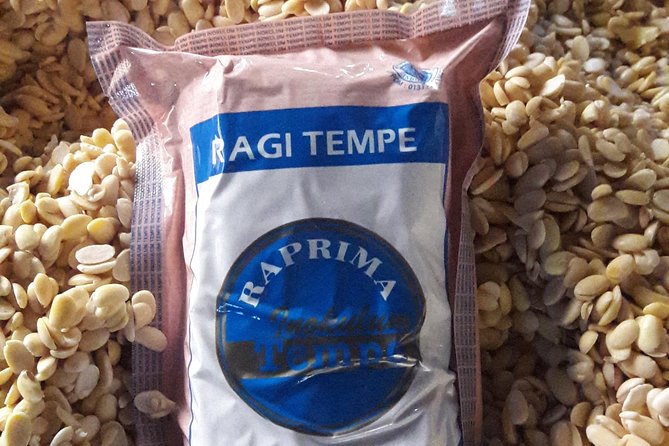
Then you get into the actual making process. The class specifically focuses on the highlight of the tempeh making process, so expect hands-on time rather than a quick demo. This is where the experience becomes useful: when you understand the steps, you’re more likely to recreate it later (or at least recognize good tempeh when you see it).
In one of the most helpful review details, the hosts provide a guide for making tempeh at home. That matters because a class can still be fun even if it’s a one-off. But a guide turns it into something you can keep practicing.
The spice lesson: how Balinese flavor gets built
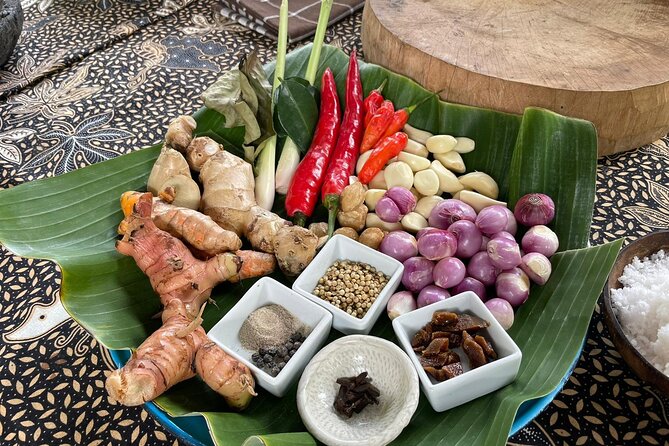
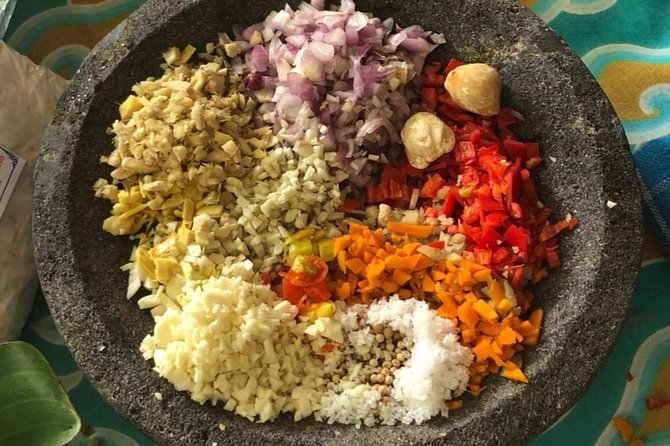
After tempeh, the class shifts into cooking mode—Balinese Indonesian recipes with spices that do the heavy lifting. The host emphasizes the many spices used for Indonesian cooking, and you’ll see how they work together in real dishes.
Spices are one of those things that can feel mysterious when you only taste them. Here, you’ll get practice handling them as ingredients, not just as aroma. That’s where a lot of value sits: you learn the rhythm of cooking, where you add what, and how the mix changes the food.
It also helps that the class uses fresh plant-based ingredients. If you’ve ever tried to cook Indonesian food later with a pantry-only setup, you know the difference. This class gives you a closer-to-real starting point.
Sayur Urab and the dishes you’ll cook during the morning
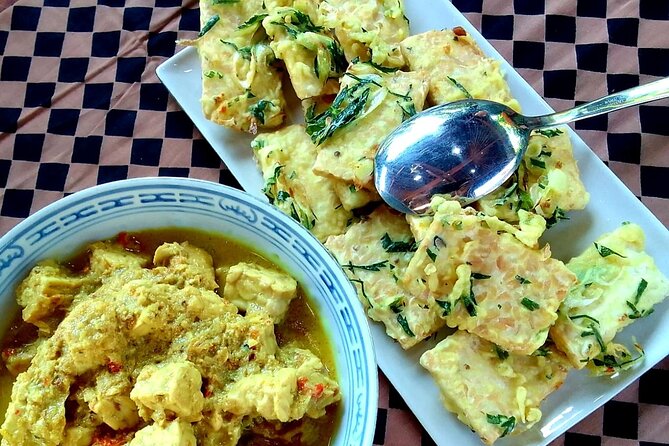
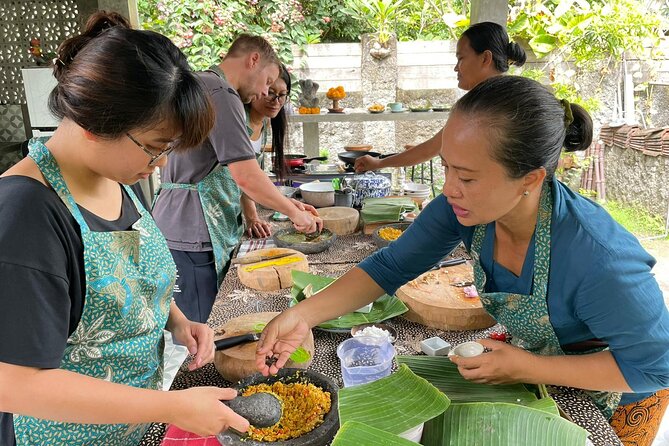
Your cooking block happens in an open-air kitchen studio, which keeps things lively but still practical. Expect to make multiple dishes using tempeh and plant ingredients, then adjust based on your dietary preferences.
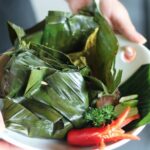
One dish is called out clearly: Sayur Urab. It’s described as a vegetable dish made of greens and beans mixed with grilled grated coconut. That coconut element is a big deal in many Indonesian preparations, and you’ll taste how it rounds out the flavors rather than acting like a dessert-style sweetness.
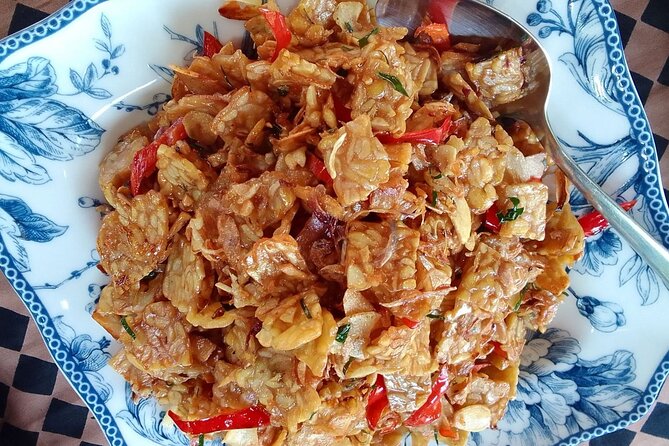
The class also includes other local recipes made using tempeh. And there’s a practical note for what lands on your plate: the class mentions dishes with chicken and tuna, or you skip those if you are vegan.
So you’re not just “making vegan food.” You’re learning how a Balinese set of flavors can be adapted. If you want to eat similar dishes on your own, the ability to swap proteins intelligently is the kind of skill that keeps paying off.




Open-air kitchen to garden lunch: what the final meal feels like
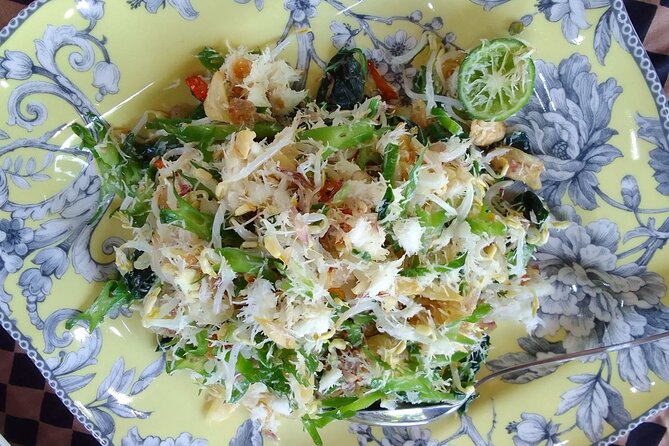
By the time you sit down, you’re eating the work of your hands—then you get a social payoff. The meal happens in the garden of a cozy local home, shared in a family atmosphere.
The class experience is built around eating seven dishes. That’s a smart way to learn because you can compare dishes side-by-side and see what roles tempeh and spices play in each. If you only made one dish, you’d miss how the flavor pattern repeats.
Tea, coffee, water, and a light snack are provided during the class. So you’re not dealing with a hunger crash mid-lesson. For many cooking classes, the food portion is the point. Here, the food is the end of the learning loop, not just a reward.
Vegan-friendly, with real-world protein options (tell Ayu early)
This is described as a vegan-friendly Balinese cooking class. The way it’s framed, though, is more balanced than a “totally separate vegan bubble.”
The plan mentions that some dishes may include chicken and tuna, with the option to skip them if you’re vegan. That means the class can flex, but you need to communicate your preference clearly.
If you’re strictly vegan, I’d treat this as a “double-check moment.” Ask how your dishes are handled so you’re not surprised later. When a class is doing multiple dishes in a single morning, small substitutions can matter.
If you eat fish or meat, you may get the full set with those components. Either way, the core experience is still tempeh-based and spice-driven.
Group size, private upgrade, and how to maximize your attention
The standard group caps at 10 travelers, and the pitch is basically: small group means more attention. That shows up in how the class supports you while you make tempeh and cook multiple dishes.
There’s also an option to upgrade to a private class for a more personalized experience. If you’re a confident cook and want to focus on technique, or if you’re on a special diet and want more control, that private format can be worth it—especially if you’re traveling with just one companion.
Another smart detail: the hosts give you a guide on how to make tempeh at home. If you want to turn the class into a repeatable skill, take notes while you can. Even a few bullet points during the process helps when you’re standing in your kitchen later.
Price and value: is $39 in Seminyak worth it?
At $39 per person for about 3 hours, the value comes from three things, not one: hands-on tempeh making, multiple Balinese dishes cooked by you, and lunch with seven dishes.
Many cooking experiences in tourist zones offer a meal, but not always a strong teaching component. Here, the “learn how tempeh is made” piece is the backbone, and the food you eat is tied directly to that work. You’re leaving with both memories and usable technique.
Also, it’s popular enough that it’s booked on average 24 days in advance. That’s a sign it’s not just casual demand. If you want a specific date, booking early will save you from last-minute scrambling.
Weather, timing, and the practical reality of an outdoor kitchen
This experience requires good weather. Since the class uses an open-air kitchen studio and you end up eating in a garden, the setting depends on the conditions outside.
The good news: you’ll be offered a different date or a full refund if it’s canceled due to poor weather. Still, if you’re traveling during the rainy season, I’d keep your schedule flexible around this morning class.
The timing is also tightly set. It starts at 9:30 AM and wraps by 12:30 PM, so if you’re planning beach time or a late lunch afterward, you’ll want to build in a slow buffer rather than rushing.
Who should book (and who might skip)
Book this if you want a cooking class that goes beyond tasting. The tempeh-from-scratch focus is the hook, and the fact that you make and eat multiple dishes makes it a full learning loop.
It’s also a good fit if you like ingredients with a story. You’ll learn where tempeh comes from (Java) and why it became part of Indonesian cooking, including its long-known presence since the 1600 century.
You might skip if you hate early mornings or if you’re only looking for a simple, no-pressure meal. This is hands-on, spice-forward cooking, and the value depends on you being willing to work at the cutting board and stove.
Should you book this tempeh class in Seminyak?
If you’re choosing between another Bali cooking option and this tempeh class, I’d lean toward booking it if you want something practical. The combination of tempeh making technique, Balinese spice cooking, and a shared garden lunch of seven dishes is a strong package for the price.
I’d only hesitate if your schedule is too tight for an outdoor-weather dependent activity, or if you need very strict dietary handling and don’t want to discuss substitutions. If that’s your situation, message ahead and confirm how chicken and tuna are handled for vegans.
Bottom line: this is one of the more skill-building cooking classes in the Seminyak-Denpasar area because the ingredient lesson and the meal are the same story.
FAQ
What time does the Traditional Tempeh Making & Cooking Balinese Cuisine class run?
The class starts at 9:30 AM and finishes by 12:30 PM, including lunch.
What will I eat during the class?
You’ll enjoy a Balinese lunch in the garden with seven dishes that you help prepare. The class includes dishes such as Sayur Urab, made with greens, beans, and grilled grated coconut.
Is the class vegan-friendly?
Yes, it’s described as vegan friendly. The cooking includes tempeh-based dishes and can include chicken and tuna, with the option to skip those parts if you are vegan.
How big is the group?
The class has a maximum of 10 travelers.
Where is the meeting point?
The meeting point is Canang Sari Homestay, Gg. Kaswari No.6, Dangin Puri Kaja, Kec. Denpasar Utara, Kota Denpasar, Bali 80234, Indonesia.
What happens if the weather is bad?
This experience requires good weather. If it’s canceled due to poor weather, you’ll be offered a different date or a full refund.