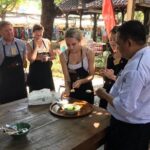
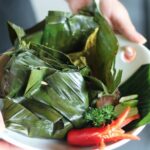
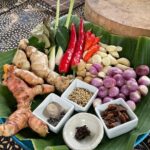
Spice shopping starts, cooking follows. Nia’s Balinese cooking day in Seminyak sends you to the market first, then straight into hands-on cooking, so the ingredients make sense before they hit the pan. I love the market-to-stove flow and the banana-leaf Ayam Betutu technique you learn up close. The one real drawback: it’s about 5 hours, and you’ll be standing and working in warm kitchen conditions.
You meet at Warung Nia Balinese Food & Pork Ribs at Kayu Aya Square (Jl. Kayu Aya No.19-21) around 8:00 am. The day loops back to the same meeting point, includes lunch, and ends with a certificate plus a recipe book.
In This Review
- Key things that make this class worth your time
- Market mornings in Seminyak: where the flavors begin
- Cooking 9 Balinese dishes: what you’ll actually learn
- The 5-hour reality check: snacks, pace, and when to slow down
- Lunch and the take-home extras: certificate, recipe book, and more food than you expect
- Price in context: is $45 a good deal in Seminyak?
- Getting there and planning your day: meeting point, timing, and heat
- Who this cooking class fits best (and who should reconsider)
- Should you book Nia Balinese Cooking Class?
- FAQ
- How long is the Nia Balinese Cooking Class?
- What time does the class start, and when does the market visit happen?
- What’s included in the price?
- Is drop-off transportation included?
- How many dishes will you cook?
- What happens if weather is bad?
Key things that make this class worth your time
- A real market start (Seminyak Square + flea market area): you learn what you’re buying, not just what it costs or how it’s used.
- Hands-on cooking of 9 dishes: you’re not watching for hours. You get your hands on the process.
- Banana-leaf Ayam Betutu prep: the special wrapping/folding is a standout technique for Balinese cooking.
- Lunch is not an afterthought: you eat what you helped make, with enough food to actually feel satisfied.
- Small group size on paper (max 15): the setup is designed for interaction, even though some days can feel busy.
Market mornings in Seminyak: where the flavors begin
This is one of those Bali food experiences that makes your cooking class smarter, not just louder and longer. You start at the meeting point, and the schedule is built around a morning trip to the traditional market. It kicks off at 8:30 am with time to look for ingredients you’ll cook later.
Why I think this matters: in Balinese cooking, the difference between a good dish and a memorable one is often the ingredients and the way they’re chosen. When you see fresh chilies, aromatics, and common cooking items in the place they’re sold, you start to understand what the cooks mean when they talk about balance and freshness. Instead of memorizing a recipe, you learn the logic behind it.
Another small win: there’s also a flea market stop around Seminyak. If you like browsing, this adds a practical angle. You can pick up ingredients or tools you might not find as easily back home. Just don’t assume you’ll have unlimited time for shopping; you’re still running a full cooking day, so treat browsing as a bonus, not your main plan.
What to watch for: the day starts early. If you usually run on coffee and chaos, aim to be calm and fed before you arrive. Several people recommend you come hungry so you enjoy the snacks and lunch without feeling stuffed too soon.
You can also read our reviews of more cooking classes in Seminyak
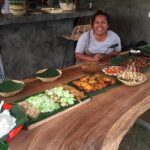
Cooking 9 Balinese dishes: what you’ll actually learn
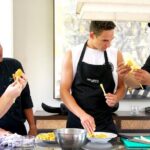
The heart of the day is a cooking class built around 9 dishes. That’s a lot of food for one session, and it shapes the whole rhythm. You’ll get snacks and drinks first, then the cooking begins in earnest.
One dish mentioned in the overview is Ayam Betutu, wrapped in banana leaves with a special folding technique. This is the kind of move that’s hard to learn from a book. In a class like this, you get to see how the wrapping holds the cooking process together and how the folding creates a neat package. It’s also a great example of how Balinese cooking uses both flavor and method—ingredients matter, but technique matters too.
Another core dish you’ll see referenced is Nasi Goreng. That’s Bali’s crowd-pleaser, and it’s a smart choice for a course like this because it teaches you how to build bold flavor without needing fancy equipment.
How the instruction feels: you’re not just doing one recipe start-to-finish. Some parts of the process are shared in a group setup, and staff may take prepared elements away to finish while the class moves to the next dish. That makes the schedule work. It also means you’ll likely learn multiple steps across different dishes rather than perfecting every single stage of only one dish.
Best part for many people: the class format turns into a high-energy production line where the chef guides and the team keeps things moving. Several reviews mention chefs like Chef Komang and a host/chef figure named Tommy, with a tone that’s professional and fun. If you like learning in a lively setting—rather than quiet one-on-one cooking—this tends to land well.
Possible drawback to consider: if you’ve taken cooking classes before where you cook one dish fully from beginning to end, this group pacing may feel different. The upside is you cover more dishes. The downside is you may not control every single step end-to-end for each dish.
The 5-hour reality check: snacks, pace, and when to slow down
On paper, it’s about 5 hours. In practice, plan on being there from around 8:00 am until just after lunch time is done and dishes are served. One review noted a similar day running from arrival around 8am and leaving just after 1pm.
Here’s the practical part: a hands-on cooking class with 9 dishes is going to be active. You’ll stand, chop, stir, and move around the kitchen setup. It can feel hot, especially if the kitchen is busy and the room is packed.
So I’d pack your expectations like this:
- Bring water habits. Even with provided drinks, you’ll still want to pace yourself.
- Wear shoes you don’t mind getting messy. You’ll be on your feet.
- If you like to take photos, you’ll want to do it quickly. The group rhythm moves.
Also, the day includes snacks and drink before the main cooking starts. That’s useful because it takes the edge off the early start. But it still doesn’t change the main fact: you’ll be earning your lunch.
If you’re the type who gets hangry, arrive ready to work. People consistently recommend skipping a heavy breakfast and letting lunch be the big payoff.
Lunch and the take-home extras: certificate, recipe book, and more food than you expect
Lunch is included, and it’s tied directly to what you cooked. The class is set up so you’ll end up eating a banquet-style meal made from the dishes covered during the course.
This is where the $45 value really shows. You’re paying for instruction, ingredients usage, lunch, and the take-home materials. That’s not just a cooking class fee—it’s a full food day.
You’ll also receive:
- A cooking class certificate
- A recipe book
Those two items matter more than they sound. A recipe book gives you a reference point after the spice dust settles. A certificate is mostly a keepsake, but it also signals the class runs as a structured experience, not a casual demo.
Some people also mention photos and videos being taken during the cooking. That’s a nice bonus if you like remembering what you did rather than only what you ate. Just treat it as a chance, not a promise.
Tip for what to do with the recipe book: take photos of any steps that look tricky while you’re still there. You’ll thank yourself later when you’re recreating the flavor at home.
Price in context: is $45 a good deal in Seminyak?
$45 per person is not an impulse bargain, but it’s also not priced like a high-end culinary workshop. For Seminyak, what makes it feel fair is the combination:
- market-based ingredient introduction
- hands-on work with 9 dishes
- lunch included
- certificate and recipe book
- group size capped (listed as max 15)
If you’ve ever paid for cooking classes where you get a short demo and a small plate at the end, this is the opposite. Here, the lunch is substantial, and the class is built around producing a lot of food in one morning-to-midday window.
The value also improves if you’re the sort of person who likes learning techniques you can repeat. Banana-leaf wrapping, flavor building in common Balinese staples, and understanding ingredient choices are the kind of skills that carry beyond one meal.
One cost/comfort consideration: no drop-off transport is included. You’ll need to handle getting there and back using taxis, rides, or public transportation. Staff can help you get transport, but it still affects how “easy” the day feels.
You can also read our reviews of more tours and experiences in Seminyak






Getting there and planning your day: meeting point, timing, and heat
The meeting point is at Warung Nia Balinese Food & Pork Ribs, Kayu Aya Square, Jl. Kayu Aya No.19-21 in Seminyak (Kec. Kuta Utara, Bali). Start time is listed as 8:00 am, with the market visit beginning at 8:30 am.
The tour ends back at the same meeting point. It’s a loop, which helps you plan the rest of your day. It also means you can fit in other Seminyak plans after the class without scrambling across town.
A practical note from the experience details: it’s near public transportation and you’ll have a mobile ticket. That’s helpful if your schedule is flexible.
Weather matters. The experience requires good weather. If it’s canceled due to poor weather, you’ll be offered a different date or a full refund.
Who this cooking class fits best (and who should reconsider)
This class is a great match if you want:
- a market-to-kitchen approach to Balinese food
- hands-on cooking and lots of dishes
- a social, group-paced day where you meet other people
- a practical take-home recipe book and certificate
It may be less ideal if:
- you need a fully personalized, one-dish-at-a-time instruction style (the group pacing can be fast)
- you don’t do well with heat and long standing periods
- you have a vitamin allergy, since the experience is not recommended for travelers with vitamin allergy
- you want door-to-door transport (drop-off is not included)
Should you book Nia Balinese Cooking Class?
If your goal is to leave Bali with usable skills and a belly full of food, this is one of the more straightforward ways to do it. The best part is the logic of the day: you shop for ingredients early, then you learn the techniques and cook 9 dishes, finishing with lunch and take-home materials.
Book it if you like hands-on learning, don’t mind a warm active morning, and you want your Balinese food education to start with the market—not just a kitchen counter.
Skip it if you prefer slow, individualized cooking instruction, or if your health/diet needs make the class format a bad fit. And if you don’t want to handle transport, remember there’s no drop-off included, even though staff can help you sort it.
FAQ
How long is the Nia Balinese Cooking Class?
The experience is listed as about 5 hours.
What time does the class start, and when does the market visit happen?
Meeting starts at 8:00 am, and the market visit begins at 8:30 am.
What’s included in the price?
The price includes lunch, a cooking class certificate, and a recipe book.
Is drop-off transportation included?
No. Drop-off transport is not provided, but staff can assist you with getting transport.
How many dishes will you cook?
The cooking class portion covers 9 dishes.
What happens if weather is bad?
The experience requires good weather. If it’s canceled due to poor weather, you’ll be offered a different date or a full refund.