REVIEW · SEMINYAK
Cooking class in the comfort of your own personal villa. Yes, I’ll come to you!
Book on Viator →Operated by Yohana Parapat's Cooking Class · Bookable on Viator
Cooking in your own villa changes everything. This is a private Indonesian class in Seminyak’s Canggu area where Yohana Parapat comes to you, handles the shopping and prep flow, and helps you cook meals you can actually recreate later. Two things I really love: you learn real dishes while staying in your own space, and you get hands-on teaching without doing the behind-the-scenes work. One consideration: the timing is tight at about 3 hours, so if you have very specific dietary rules, communicate them clearly so the menu matches your group.
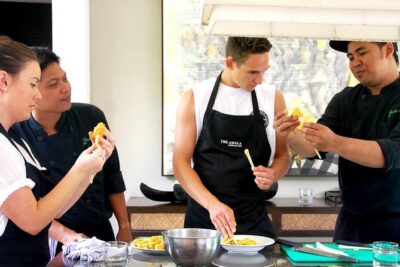
Expect a lively, practical lesson. Yohana’s teaching style tends to run upbeat—there’s a fun vibe, step-by-step guidance, and she adapts to your group’s energy (including mixed preferences and kids in some groups). Still, this is a cooking class format, not a slow food workshop, so you might feel the pace if your group tries to go beyond the core plan.
In This Review
- Key things to know before you book
- A villa cooking class in Canggu, with Yohana doing the heavy lifting
- The 3 dishes you’ll learn to make (and what to expect from the menu)
- How a 3-hour session actually unfolds (so you can plan your evening)
- Taste the Bali you came for, without buying ingredients or cleaning up
- Dietary needs and substitutions: what works well and what to watch
- Price and value: is $50 per person fair for what you get?
- Who this fits best (and who might prefer something else)
- A quick reality check on logistics and timing
- Should you book this private Canggu cooking class?
- FAQ
- What dishes will I learn to cook?
- Can this cooking class be adapted for vegetarians or vegans?
- Does the chef come to my villa in Canggu?
- How long is the cooking class?
- Is it private or shared with other people?
- What’s included in the price?
- What if I need to cancel?
Key things to know before you book
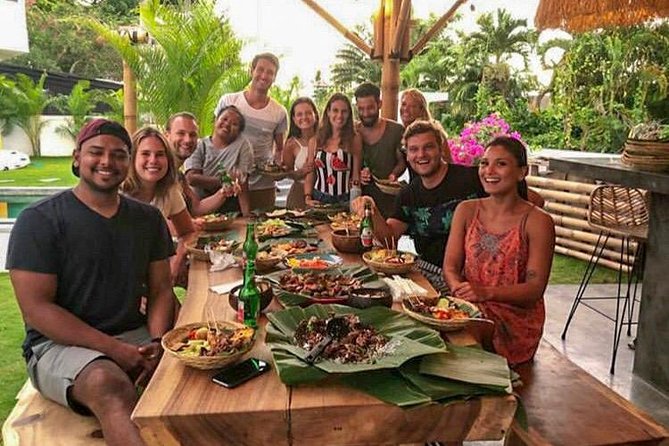
- Private villa setting in Canggu: no commuting, no restaurant schedule, just cooking where you’re staying
- Three-dish lesson with customization: the menu can fit vegetarians and vegans
- Chef brings everything and cleans up: ingredients and the washing up are included
- Step-by-step instruction plus flexibility: Yohana’s teaching adapts to the group’s needs and energy
- Diet and substitutions may come up in real time: share allergies and non-negotiables early so the menu works for everyone
A villa cooking class in Canggu, with Yohana doing the heavy lifting
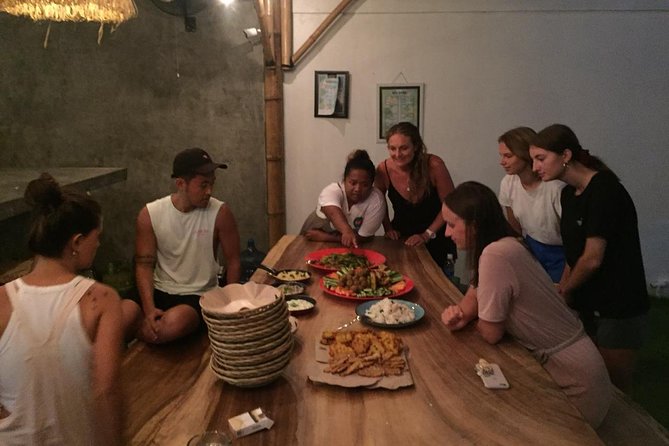
If you want Bali food without the hassle of heading out, this is one of the more comfortable formats. You cook right at your villa in the Canggu area, so the night stays yours. No searching for parking. No waiting for tables. Just a chef, ingredients, and a lesson that moves at the right pace for a vacation evening.
The other big win is that you’re not responsible for the prep run. Yohana brings the supplies, you cook the dishes together, and cleanup is taken care of before she leaves. That sounds like a small detail until you’ve cooked in a group before and know how quickly the “fun part” turns into a sink full of dishes. Here, you get the fun part.
On top of that, the class is designed to be adaptable. The experience is set up so you can go vegetarian or vegan when needed, and it can also handle groups with different likes and dislikes. In practice, that matters because Indonesian cooking often uses flavors built around specific ingredients—so having a chef who can adjust is the difference between a great meal and a frustrating one.
You can also read our reviews of more cooking classes in Seminyak
The 3 dishes you’ll learn to make (and what to expect from the menu)
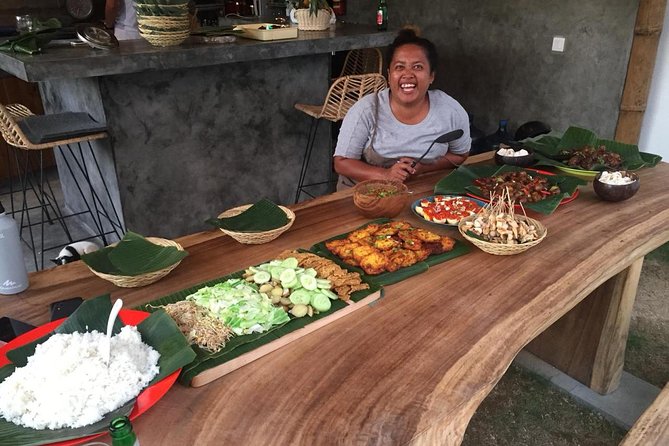
The class centers on cooking three Indonesian dishes. The exact menu is customizable, but the most common examples include:
- Gado-gado (a classic Indonesian salad-style dish)
- Corn fritters (crispy, flavorful, snackable)
- Chicken in sweet soy sauce (one of the richer, comfort-food style options)
- Klepon (coconut and palm sugar sweet, usually a crowd favorite)
Here’s the practical part: you’ll be cooking dishes that are specific enough to feel authentic, but not so complex that you can’t reproduce them later. The whole point is that you’re learning technique and flavor building—not just following steps once.
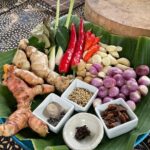
You’ll also likely notice the class focuses on balance and seasoning. One of the most praised parts from past participants is how much flavor comes from the herbs and spices, especially when they’re ground into a paste. When you can taste the difference after the grinding step, it clicks: the flavor isn’t an afterthought—it’s built early.
And yes, dietary flexibility is a real part of this experience. You can request vegetarian or vegan options, and people have also reported gluten-free alternatives being worked into the recipes. That’s a good sign if your group has real constraints, not just preferences.
How a 3-hour session actually unfolds (so you can plan your evening)
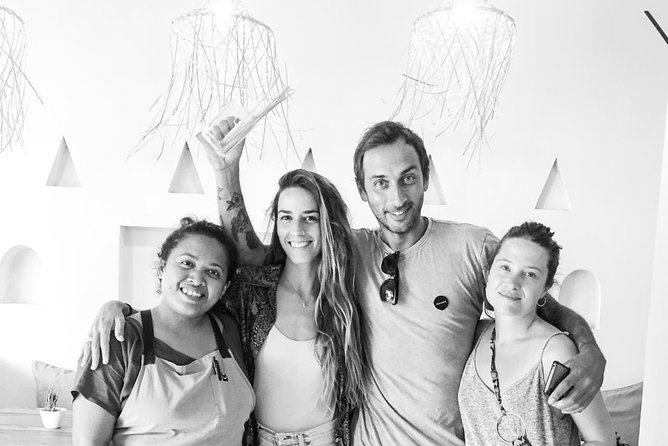
The duration is about 3 hours, which means the schedule runs like a vacation activity, not a cooking course that stretches into the next day. You’ll get a structured flow, but you should still expect some speed.
In a typical session:
- Chef arrives and gets set up at your villa
Supplies are brought with you not needing to prepare anything. That includes the ingredients and the setup needed for cooking.
- You cook together in the moment
Expect step-by-step guidance as you move through the different dishes. The teaching style is practical—hands-on, easy to follow, and oriented toward producing the food, not just talking about it.
- You eat what you make
Food is included, and the experience includes meal components (the listing notes lunch and dinner with ingredients and cleaning included). In other words, this is not just a demonstration you stand beside.
- Cleanup happens before the chef leaves
This is a major part of the value. Multiple participants highlight that Yohana handles the dishes and leaves the kitchen in good shape.
Because the pace is built into the format, I suggest planning this as one of your main events that day. Don’t stack it right before an early departure or a late-night flight. It’s the kind of evening where you’ll want time to enjoy the food afterward, not rush straight into your next plan.
Taste the Bali you came for, without buying ingredients or cleaning up
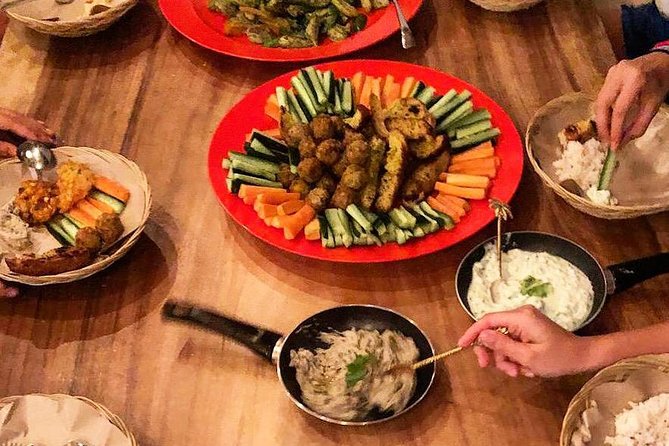
The best thing about learning Indonesian dishes at your villa is that you get the flavors without the logistical work. Indonesian cooking involves layers—fresh aromatics, spice paste work, sauces that need timing, and textures that matter (like fritter crispness and salad-style assembly). Doing that at home can take a lot of prep and shopping.
Here, you bypass the hard parts:
- Ingredients are handled
- Washing up is handled
- You focus on learning how flavors come together
That means you can buy drinks for your group and eat at your own pace. The experience is framed around the idea that you’re staying put and choosing what fits your group’s vibe.
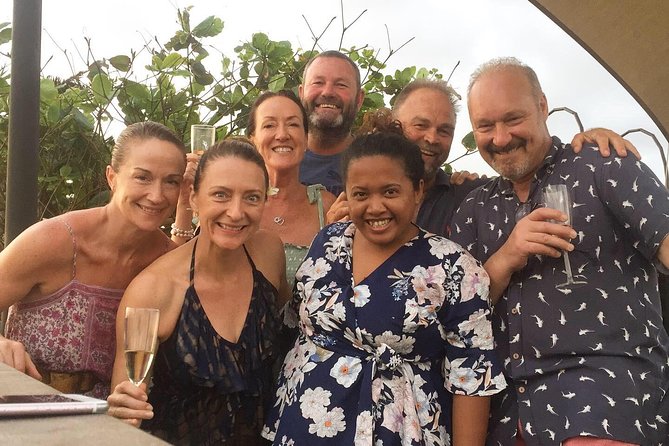
There’s also a social element that’s easy to underestimate. Cooking together creates conversation. Several past groups mention a fun atmosphere with jokes and stories from Yohana, and she adjusts to the energy of whoever is in the room. If your villa is already set up for evenings with friends or family, this fits naturally.
Dietary needs and substitutions: what works well and what to watch
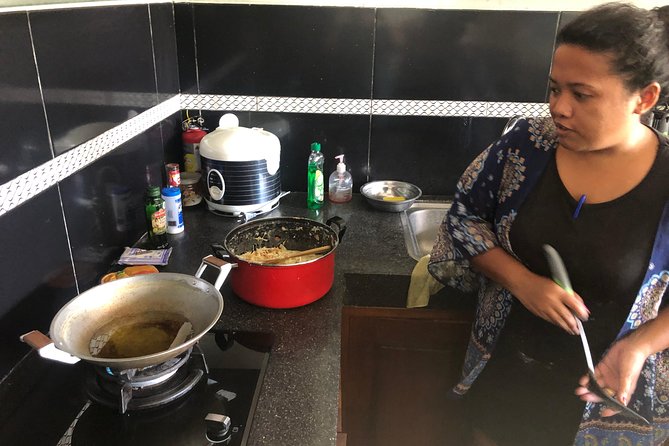
Customization is one of the headline strengths. The experience is suitable for vegetarians and vegans, and it can adapt to different dietary needs across the group. Some participants also reported gluten-free alternatives being included.
But here’s the part I’d treat as a real planning tip: be explicit about what people will and won’t eat, and do it early. One participant reported an issue with chicken when someone in the group didn’t eat it. The response from the chef highlighted that allergy and preference questions are asked for a reason. So the practical takeaway is simple—confirm non-negotiables ahead of time, and reiterate them clearly when communication happens.
If your group has:
- allergy constraints
- strict dietary choices
- a mix of omnivores plus vegetarians/vegans
…then this class can still work well. I’d just treat it as a collaborative menu planning exercise, not a casual afterthought.
Also, keep your expectations realistic about the number of dishes cooked in the available time. One critique mentioned feeling rushed because more dishes than expected were attempted in the time window. The core experience is structured around three dishes, so if your group asks for extra, the pacing may change.
You can also read our reviews of more tours and experiences in Seminyak




Price and value: is $50 per person fair for what you get?
At $50 per person, this class sits in the “worth it if you care about food and convenience” category.
Here’s why it can be good value:
- You’re not just paying for instruction; you’re paying for ingredients and cleanup, brought to your villa.
- You avoid the time cost of going out, buying groceries, and then dealing with cleanup afterward.
- You leave with a repeatable skill set: three dishes means more variety than the standard one-dish demo format.
Where the value question matters is in how you define the experience. If you want a quiet, sit-and-watch dinner, a hands-on class might feel less satisfying. If you want a slow course or lots of printed recipe materials, this may not match that expectation. One participant noted there were no handouts, and another criticized the experience as overpriced relative to getting food elsewhere—so your enjoyment will depend on whether you value cooking instruction and the villa convenience.
In my view, $50 makes sense when:
- you’re traveling in a group
- you want authentic dishes you can replicate
- you’d rather cook than eat out every night
- you value not cleaning a kitchen afterward
Who this fits best (and who might prefer something else)
This is ideal for:
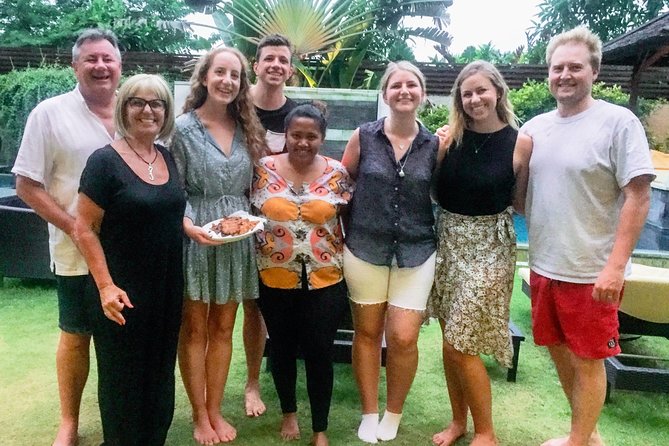
- couples who want a romantic, private evening at their villa
- friend groups who want a shared activity without leaving the property
- families with kids who can handle a 3-hour, hands-on event (some groups included very young children)
- anyone traveling with vegetarian/vegan needs who wants real Indonesian dishes, not a bland compromise
It might be less ideal if:
- you only want a restaurant-style meal and zero cooking
- your schedule is so packed that the 3-hour block will feel stressful
- you expect lots of take-home printed recipes or long, unhurried instruction
If you like practical cooking you can repeat later, you’ll probably feel like you got your money’s worth.
A quick reality check on logistics and timing
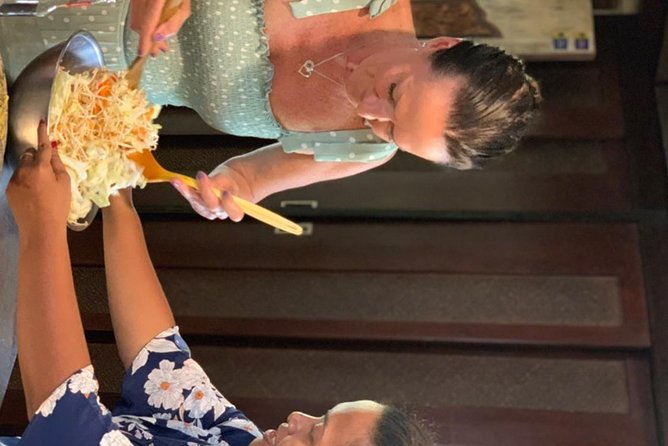
This activity runs daily during the stated opening hours (9:00 AM to 9:30 PM). The experience starts and ends back at the meeting point, but the main idea is that the chef comes to your villa in the Canggu area. You’ll want to make sure your villa kitchen setup is usable for cooking (counter space, basic access, and a clear cooking area), since the class is happening where you’re staying.
Also, it’s private—your group is the only group participating. That matters because dietary customization and pacing are easier when you aren’t sharing the teaching time with strangers who might want a different menu.
Should you book this private Canggu cooking class?
I’d book it if you want Indonesian food the comfortable way: real dishes, real spices, and real teaching—without hauling yourself to a restaurant and without turning your vacation kitchen into a cleanup project.
It’s especially compelling for couples and small groups because the villa setting makes it feel like a personal experience. The chef factor is strong too: past participants consistently describe Yohana as upbeat, entertaining, and willing to adapt—while still keeping the cooking steps clear.
The only time I’d hesitate is if your group has complicated dietary rules and you don’t plan to communicate them clearly, or if you need a super slow pace and extra learning materials. In those cases, the experience can still work, but your success depends on expectations and early communication.
If you’re flexible, love food, and want a memorable evening that doesn’t hijack your schedule, this is a smart Bali add-on.
FAQ
What dishes will I learn to cook?
You’ll learn three different Indonesian dishes. Common examples include gado-gado, corn fritters, chicken in sweet soy sauce, and klepon.
Can this cooking class be adapted for vegetarians or vegans?
Yes. The experience is fully customizable and suitable for vegetarians and vegans.
Does the chef come to my villa in Canggu?
Yes. The class is described as cooking in the comfort of your own personal villa, with the chef coming to you and using your kitchen.
How long is the cooking class?
It’s about 3 hours.
Is it private or shared with other people?
It’s private. Only your group participates.
What’s included in the price?
Dinner and lunch are included with ingredients and cleaning, and the chef provides the supplies. (You should not plan to handle the washing up.)
What if I need to cancel?
Free cancellation is available up to 24 hours in advance for a full refund. Cancellation within 24 hours of the start time is not refunded.