REVIEW · SEMINYAK
Balinese Cooking Class in Seminyak
Book on Viator →Operated by The Amala Bali · Bookable on Viator
Spices tell stories fast. In this Seminyak cooking class, you’ll learn how Balinese dishes are built from spices, fresh ingredients, and simple technique you can repeat at home. Two big wins I love: the hands-on 3-course menu (with your choice of set) and the option to add a Jimbaran fish market visit before you start cooking.
One thing to consider: this is a working kitchen workshop, not a slow food daydream. The pace can feel efficient, so if you want lots of leisurely prep time, you may notice you’re moving through tasks quickly.
In This Review
- Key highlights you’ll care about
- The Amala setup in Seminyak: calm, practical, and close to where you stay
- Pickup and timing: how the 3-hour class actually works
- Morning session (with optional market visit)
- Afternoon session (no market trip timing shift)
- Choosing your menu: Lawar, papaya soup, satay, fried banana, and vegetarian favorites
- Menu 1
- Menu 2
- Vegetarian menu
- The Jimbaran fish market add-on: where you learn what to buy and how to spot quality
- The chef-led cooking: more than chopping, and you get turns
- Quick reality check on pacing
- What you’ll cook, in plain language
- Lawar salad: a flavor foundation
- Tum ikan: banana leaf cooking basics
- Dadar gulung: sweet coconut with palm sugar
- Papaya soup and seafood
- Sate lilit and lemongrass sticks
- Fried banana and black rice pudding
- Eating your 3-course meal: lunch or dinner, plus the keepsakes
- Price and value in Seminyak: what $66.67 buys you
- Who this class is best for (and who might want a different style)
- Should you book the Balinese Cooking Class in Seminyak?
- FAQ
- How long is the Balinese cooking class in Seminyak?
- Where does the experience start?
- Is hotel pickup and drop-off included?
- Do I have to visit the fish market?
- What menus can I choose from?
- Is there a vegetarian option?
- What are the morning session times?
- What are the afternoon session times?
- How many people are in the class?
- Is there a minimum age, and what about cancellation?
Key highlights you’ll care about
- Jimbaran fish market add-on taught alongside the chef, so you learn what to buy and why
- Small group feel (max 10 travelers), with real chances to cut, stir, and cook
- Three menu choices including fish, chicken, papaya soup, and a full vegetarian set
- Hotel pickup and drop-off in Seminyak for an easy start and finish
- You eat what you make for lunch or dinner, then leave with a certificate and keepsake apron
The Amala setup in Seminyak: calm, practical, and close to where you stay
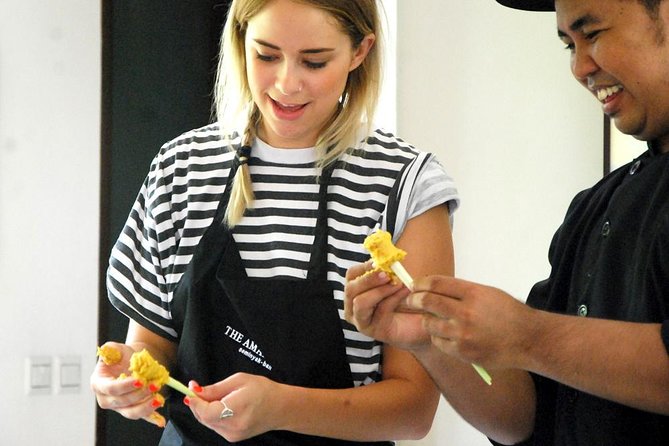
This class runs out of The Amala in Seminyak, at a boutique-style retreat setting. The location matters because it keeps the day simple: you’re not shuttled across the whole island just to cook a few dishes. It also tends to feel relaxed and orderly, which helps when you’re learning unfamiliar ingredients and new technique.
In my book, this venue choice is part of the value. A cooking class isn’t just about taste. It’s also about whether you can focus on what the chef is showing you without feeling rushed, and whether the cooking space makes sense for a short, 3-hour window.
You can also read our reviews of more cooking classes in Seminyak
Pickup and timing: how the 3-hour class actually works
Plan on an experience that’s about 3 hours long, with a clear flow from chef introduction to cooking to eating. You can pick a morning or afternoon session.
Here’s the rhythm.
Morning session (with optional market visit)
- 9:30 AM: optional trip to the Jimbaran fish market with the chef
- 11:00 AM: meet the chef, first look at ingredients and equipment
- 11:30 AM: start your first prep tasks under supervision
- 1:00 PM: finish cooking and eat what you made (then you receive a certificate)
Afternoon session (no market trip timing shift)
- 4:00 PM: meet the chef for ingredients and equipment
- 4:30 PM: begin prep and cooking
- 6:00 PM: finish, eat your meal, and get your certificate
You’ll also get round-trip private transfer within Seminyak area, with pickup and drop-off included. That matters more than it sounds in Bali. Seminyak traffic and short distances can turn into wasted time fast, so having the transport handled keeps your “cooking time” real.
Choosing your menu: Lawar, papaya soup, satay, fried banana, and vegetarian favorites
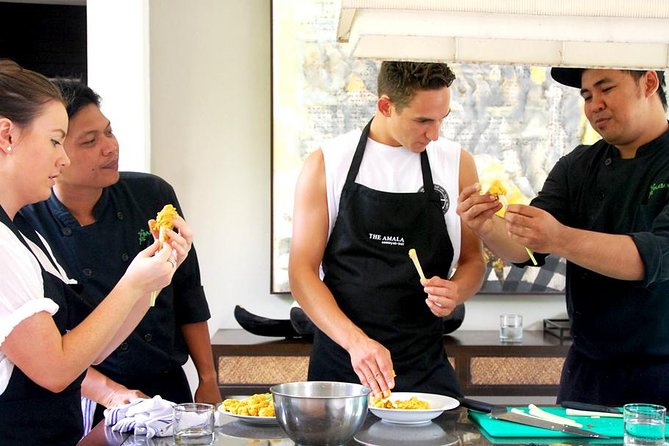
One practical detail: everyone in your class shares the same selected menu, so you’re not picking individual dishes on the day. The upside is that it keeps the chef’s teaching focused and the kitchen flow smooth.
You’ll choose one of these sets:
You can also read our reviews of more tours and experiences in Seminyak






Menu 1
- Lawar salad (green bean, fresh coconut, chicken)
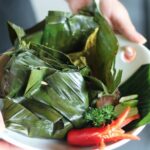
- Tum ikan (steamed fish in banana leaf)
- Dadar gulung (coconut pancake with palm sugar)
Menu 2
- Jukut gedang mekua(h) (young papaya soup with seafood)
- Sate lilit ayam (chicken satay on lemongrass stick with steamed rice)
- Godoh biu (Balinese fried banana)
Vegetarian menu
- Gado-gado style vegetable salad with peanut dressing
- Pepes tahu (steamed bean curd in banana leaf)
- Bubur injin (Balinese black rice pudding)
What I like here is the balance. You get a savory start, a main component that uses classic flavors, and a sweet finish. Also, the dishes aren’t random. Banana leaves show up in the fish and bean curd, peanut shows up in the vegetarian set, and palm sugar shows up in the pancake. That makes it easier to recognize Balinese “patterns” as you learn.
Vegetarian diners are covered with a full menu, not a last-minute substitution. If you’re traveling with mixed diets, this is a clean way to keep everyone eating the same class meal.
The Jimbaran fish market add-on: where you learn what to buy and how to spot quality
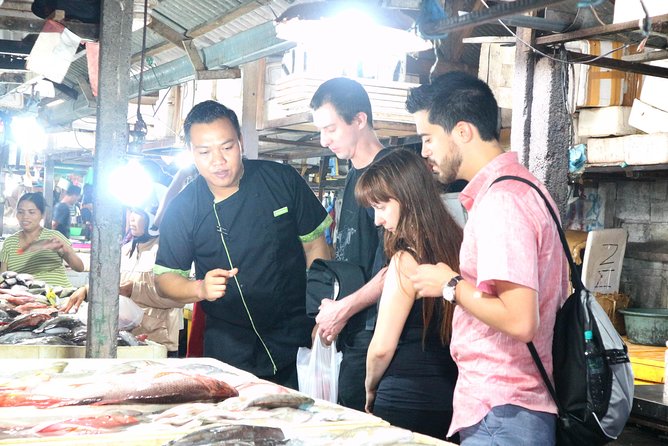
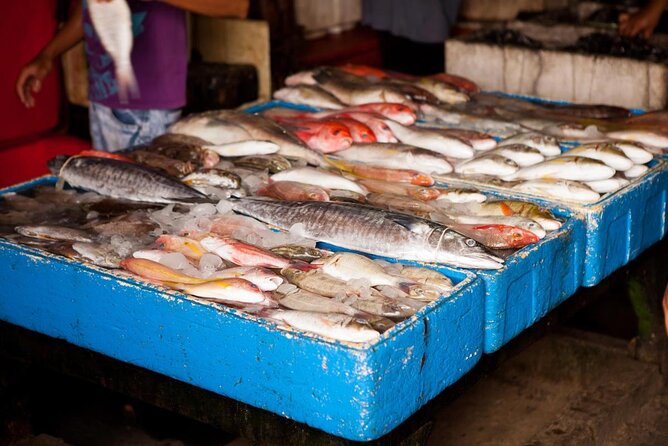
The optional upgrade to the Jimbaran fish market is one of the best ways to make the class feel more “Bali” than just cooking. You’re not only buying ingredients; you’re learning the logic behind purchasing them.
If you choose the morning session with the market visit, you’ll go at 9:30 AM with the chef. You’ll have time to purchase fresh items and spices for your cooking class.
A practical tip I’ve heard highlighted in this experience: the chef teaches you how to choose fresher fish—for example, checking indicators like the eyes (the idea being that fresher fish shows better color and clarity). Even if you never remember every rule, you’ll leave more confident when you cook fish at home.
Also, the market gives you context. You see how ingredients are grouped, handled, and chosen locally, which helps explain why Balinese food tastes the way it does. It’s easier to recreate flavors when you understand what “fresh” looks like in that system.
Important logistics note: the market tour has a minimum of 2 people per booking. If you’re traveling solo, there’s an extra charge of Rp100,000 net for a market visit for one person.
The chef-led cooking: more than chopping, and you get turns
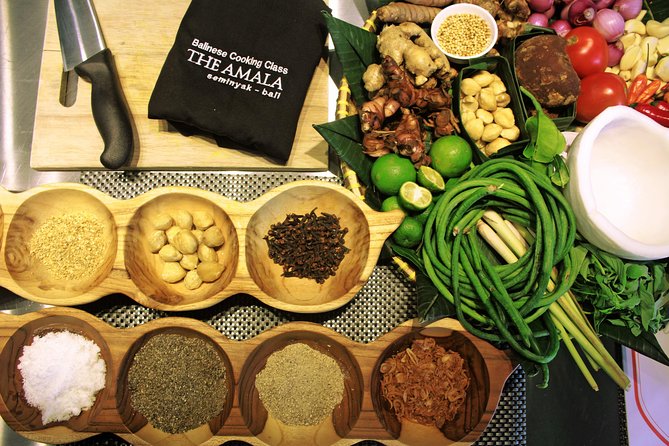
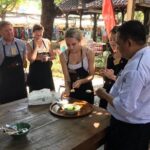
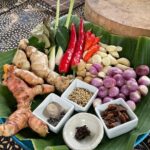
This class is hands-on. The chef walks you through ingredients, tools, and the step-by-step way to build each dish. You should expect the kind of tasks that make a real difference in the final flavor: prep that involves herbs, cutting, mixing, and assembling before cooking.
One theme that shows up repeatedly in how people describe the instruction: it’s interactive. You don’t just watch. You get involved, and the small-group size helps with that.
You might meet chefs and instructors such as Chef Putu (and support instructors like Evi and Manik have been named in past classes) or other chef leads like Christ. Whoever you get, the teaching style tends to focus on clarity—explaining how ingredients behave and how to keep flavors balanced.
Quick reality check on pacing
Some past participants described the pace as efficient, with staff focused on keeping the schedule moving. If you’re sensitive to a rushed feel, it can be a mild drawback. A couple also noted that the final food can sometimes cool a bit by the time everyone sits down. In practice, it helps to plan to eat right when food hits the table, and to go with the mindset that the class is a workshop, not a slow dinner service.
What you’ll cook, in plain language
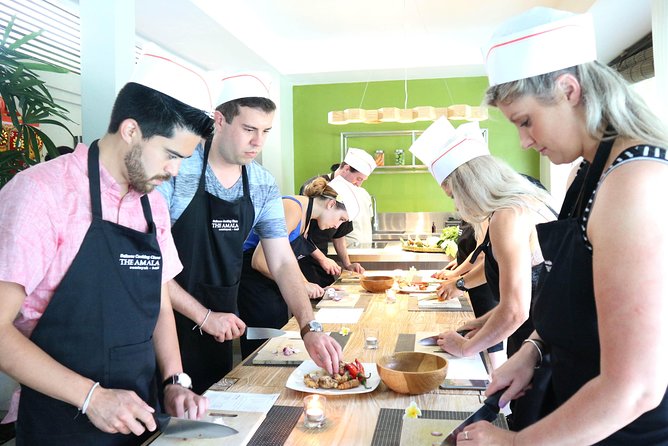
The best part about these dishes is how they connect everyday ingredients to Balinese technique.
Lawar salad: a flavor foundation
Lawar salad mixes protein with crunchy components and fresh coconut, plus herbs and spices that give it that distinctly Balinese “green and fragrant” character. The key learning is not just what goes in, but how to combine so the salad stays bright rather than heavy.
Tum ikan: banana leaf cooking basics
Steaming fish in banana leaf is a classic Bali technique. The banana leaf helps with aroma and moisture. You’ll learn assembly and careful handling so the fish cooks properly without turning into a dry piece.
Dadar gulung: sweet coconut with palm sugar
This is your dessert and your comfort-food moment. The balance of coconut and palm sugar is a big part of the flavor profile. You’ll see how textures matter: the filling shouldn’t be watery, and the pancake needs the right consistency to roll cleanly.
Papaya soup and seafood
Young papaya brings a gentle bite and crunch. When mixed into a soup with seafood and spices, it gives a savory-sour balance. If you’re used to heavier curries, this one can feel pleasantly different, because it doesn’t rely only on thick spice-forward sauce.
Sate lilit and lemongrass sticks
Sate lilit is a great way to learn technique with shape and seasoning. Cooking on a lemongrass stick gives a distinct aroma that doesn’t come from regular skewers.
Fried banana and black rice pudding
The fried banana course is simple but satisfying, and the black rice pudding gives you something you may never have tried before. It’s a nice end to the meal that feels more local than a typical Western dessert.
Eating your 3-course meal: lunch or dinner, plus the keepsakes
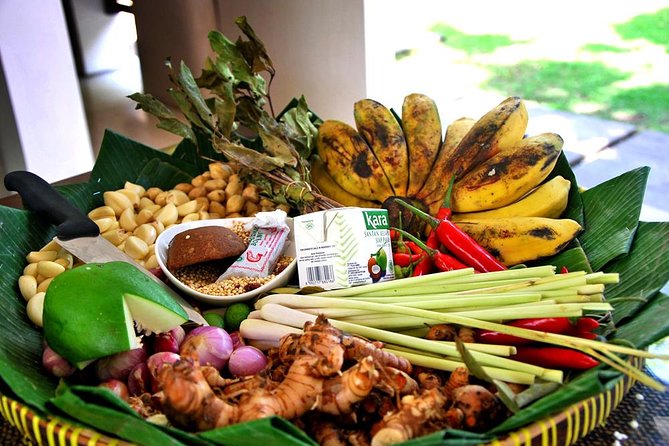
At the end, you sit down and eat what you cooked. The experience is designed so you’re not left wondering whether your dish turned out. You do the work, then you get the payoff.
Two extras make the day feel complete:
- You receive a certificate from the chef after finishing
- You keep your class apron as a souvenir
Those small touches matter for two reasons. First, it gives the day a clear “finish line.” Second, the apron is actually useful for remembering flavors and steps when you try again later.
And because the menus include protein, veggies, and starches (rice shows up in the satay set), you should leave full. Several people specifically mention there’s plenty to eat.
Price and value in Seminyak: what $66.67 buys you
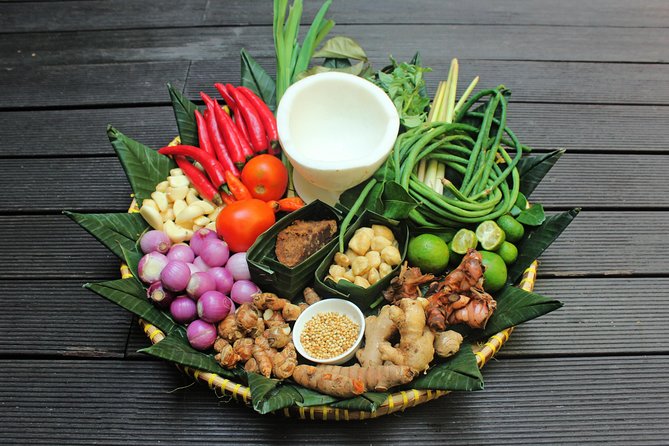
At about $66.67 per person, you’re paying for more than “a cooking session.” You’re paying for:
- Chef instruction through a full 3-course menu
- Ingredient sourcing and kitchen setup
- Round-trip private transfer within Seminyak
- A small-group feel (max 10 travelers)
- Market option for those who want to shop with the chef
- A certificate and apron keepsake
If you compare this to DIY cooking, the value comes from the guidance. Cooking Balinese flavors takes more than knowing the ingredients. It’s technique, portioning, and timing—things a chef can correct quickly while you’re in the process.
Is the market add-on worth it? For a lot of people, yes, because it upgrades your understanding from recipe to sourcing. You go from following steps to understanding how to choose ingredients and build flavor.
Who this class is best for (and who might want a different style)
This fits best if you:
- Want an authentic Balinese cooking experience without planning your own grocery run
- Prefer structured instruction with hands-on participation
- Enjoy fish, papaya, coconut, peanut flavors, and banana-leaf cooking
- Like the idea of learning in a small group rather than a big crowd
If you’re the type who wants cooking to feel slow and artsy, you may find the pace a bit brisk. And if you’re traveling solo, note the market visit minimum rules and the potential extra charge.
Should you book the Balinese Cooking Class in Seminyak?
Yes, I think you should book it if your goal is a practical, flavorful day with a real chef and a finish you can taste. The combination of Seminyak pickup, a 3-course menu, and an optional Jimbaran market makes it hard to beat on value.
I’d especially lean toward booking if you want to bring something back that’s more than memories. The chef-led guidance, certificate, and apron help you turn the day into something you can repeat at home.
If you’re picky about timing and you dislike efficiency, go into it expecting a workshop pace. Also, choose the market option if you want ingredient context. Without it, you’ll still learn the cooking, but you’ll miss that extra layer of how Balinese sellers and cooks choose quality.
FAQ
How long is the Balinese cooking class in Seminyak?
The class runs about 3 hours (approx.), with session times depending on whether you choose morning or afternoon.
Where does the experience start?
The meeting point is The Amala Boutique Retreat, Jl. Kunti I No.108, Seminyak, Kec. Kuta, Kabupaten Badung, Bali 80361, Indonesia.
Is hotel pickup and drop-off included?
Yes. You get round-trip private transfer within the Seminyak area, which includes pickup and drop-off.
Do I have to visit the fish market?
No. The Jimbaran fish market visit is optional and is included only when you select the morning session with the market add-on.
What menus can I choose from?
You’ll choose one of three menus, with the same menu used for all participants: Menu 1 (Lawar salad, Tum ikan, Dadar gulung), Menu 2 (papaya soup with seafood, Sate lilit ayam, fried banana), or the vegetarian set (Gado-gado, Pepes tahu, Bubur injin).
Is there a vegetarian option?
Yes. The vegetarian menu includes Gado-gado, Pepes tahu, and Bubur injin.
What are the morning session times?
The morning option starts with the optional market visit at 9:30 AM, then the chef introduction is at 11:00 AM, cooking starts at 11:30 AM, and you finish and eat at 1:00 PM.
What are the afternoon session times?
The afternoon chef introduction is at 4:00 PM, cooking starts at 4:30 PM, and the meal finishes at 6:00 PM.
How many people are in the class?
The group size is capped at 10 travelers.
Is there a minimum age, and what about cancellation?
The minimum age is 12. Cancellation is free up to 24 hours in advance for a full refund, and weather issues can lead to a different date or a full refund.