REVIEW · KUTA
Try Diving in Manta Point – Nusa Penida
Book on Viator →Operated by Neptune Scuba Diving · Bookable on Viator
A 6-hour day that makes you feel ocean-ready.
At Manta Point in Nusa Penida, this intro scuba course is built around getting beginners safely into real marine wonder, especially for the big mantas. I like the setup that gives you private pool training before you hit open water, and I like how the team runs a tight, reassuring plan from the first briefing to the return snacks. One thing to consider: you’re trading a lot of comfort for a full day on the move, so seasickness and early starts matter.
If you’ve never worn scuba gear or you just want an expert to handle the details, you’ll appreciate the structure. The program is designed as an introductory “Discover” level experience, with a PADI instructor guiding you through the basics first.
In This Review
- Key Points Before You Go
- First-Time Scuba Readiness: What the Discover Course Actually Teaches
- The Day Plan from Sanur: Timing, Pickup, and How the Flow Works
- Nusa Penida’s Big Three Sites: Manta Point, Crystal Bay, and a North Drift Session
- Manta Point: The Reason People Book
- Crystal Bay: A Balanced Second Site
- North Drift: Learning With Motion
- Your Instructor and Safety System: Private Support That Reduces Panic
- Pool Training in a Transparent Scuba HQ: Why It Matters
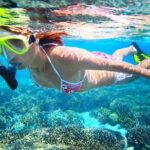
- What You’ll See Underwater: Mantas, Turtles, Corals, and Big Fish Energy
- Food, Comfort, and Sea-Sickness Reality Checks
- Price and Value: Is $220.52 Worth It?
- Who Should Book This, and Who Should Reconsider
- My Booking Verdict: Should You Choose Neptune for Manta Point?
- FAQ
- Do I need scuba certification to take part?
- What is the minimum age to participate?
- How long is the experience?
- What’s included in the price?
- Is hotel pickup included everywhere in Bali?
- How many ocean sessions will I do?
- What additional fee should I expect for Manta Point?
- Is there a vegetarian lunch option?
- What should I know about fitness or health requirements?
- What happens if weather is bad?
Key Points Before You Go
- Private pool training first, so your gear and breathing feel familiar before open water
- Up to 3 ocean sessions depending on your package, including Manta Point and Crystal Bay
- An instructor per person for extra safety and comfort during the learn-by-doing format
- A clear schedule with a morning departure around 9AM and a return to the center near 4PM
- Real-world comfort touches, including snacks, bottled water, and sea-sickness support mentioned in rider feedback
- Manta Point conservation fee (IDR100,000 per person) is not included, so plan for that extra cost
First-Time Scuba Readiness: What the Discover Course Actually Teaches
This experience is for people who want to try scuba without needing prior certification. You’ll start with a theory session that covers the absolutely essential basics: how scuba equipment works, how to manage breathing underwater, and what to expect when conditions change. Then comes the part that makes this tour feel less stressful: the private pool training.
That pool segment isn’t just a formality. It’s where you get your bearings with the gear and practice the key movements with an instructor right there with you. If you’re even a little nervous about the weight of equipment, the sound of regulators, or coordinating breathing with movement, this practice time is where your confidence gets built fast.
Then, once you’re cleared to go to the ocean sites, the instruction shifts to a learn-in-the-water style. The whole day is meant to maximize safety and comfort for beginners, not to rush you. Based on feedback I saw, the team’s approach is practical and calming—especially for first-timers doing their first open-water session.
You can also read our reviews of more scuba diving tours in Kuta
The Day Plan from Sanur: Timing, Pickup, and How the Flow Works
The day starts at Neptune Scuba Diving Bali in Sanur, with the activity running within opening hours listed as 7:00AM to 3:30PM. Hotel pickup is offered, but only for select areas. If you’re staying in Jimbaran, Uluwatu, Canggu, Ubud, or nearby areas, pickup may not be included—so you’ll want to double-check when you book.
In the daily flow, there’s morning coffee and introductions before theory. From there, the plan targets a departure around 9AM for the trip to Nusa Penida. That matters because Nusa Penida schedules often depend on travel time and weather. You’re basically committing to a “morning out, afternoon back” rhythm.
Return is scheduled for around 4PM back at the dive center, with the well-known homemade donuts mentioned in the tour details. The timing is part of the value: you’re not spending half your day waiting around. You get a full training-and-experience block that ends with food and a clean finish.
A small but important note: transfer times are approximate and can shift with traffic and the time of day. If you hate loose timing, this is one of those Bali-on-island experiences where flexibility helps.
Nusa Penida’s Big Three Sites: Manta Point, Crystal Bay, and a North Drift Session
This is where the trip earns its reputation. The itinerary is built around multiple underwater sessions, typically 2 or 3 dives, depending on the package you choose. The highlight is Manta Point, plus Crystal Bay, and then a north drift-style site.
Manta Point: The Reason People Book
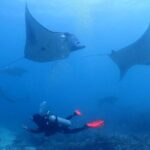
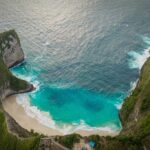
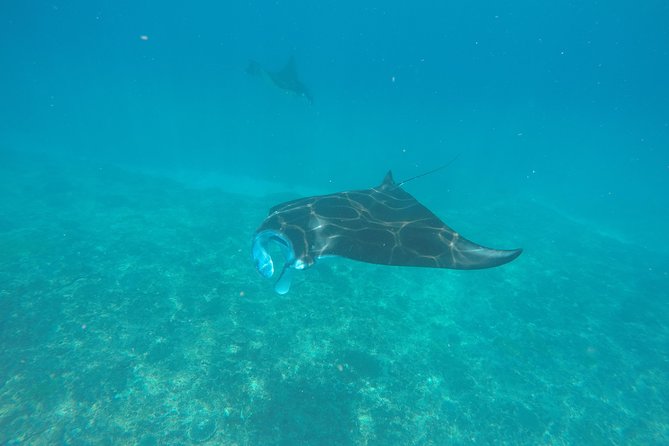
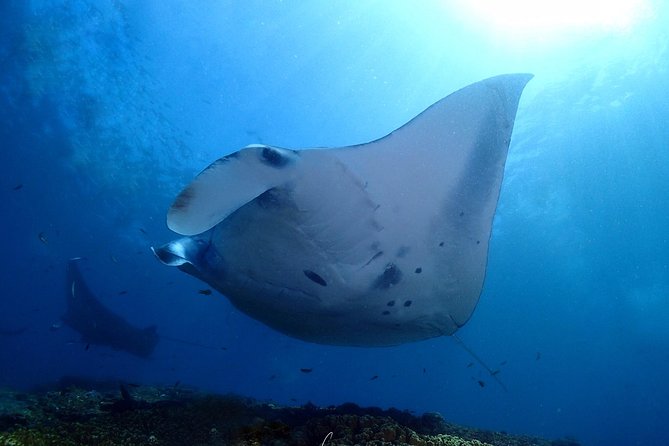
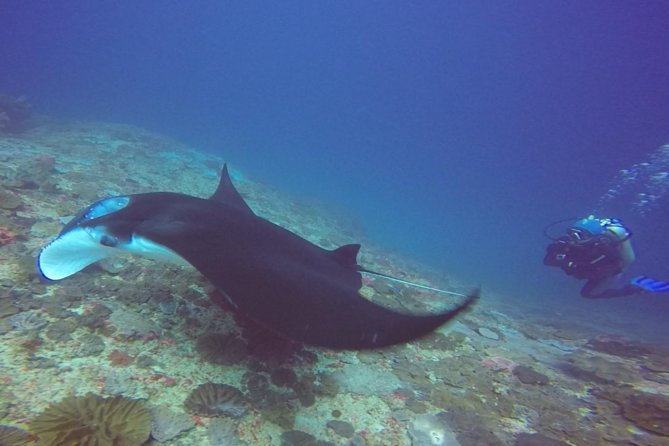
Manta Point is the anchor of the day. The whole program is designed for people who are chasing a high-probability “wow” moment—majestic manta rays and major marine life. For beginners, it’s not just about seeing wildlife. It’s about being in the right place with a team that can manage beginners safely while you experience a site known for strong visibility opportunities and manta activity.
In the feedback, people called out that the manta encounters were the star of the day. Even when conditions don’t deliver every species you hope for, Manta Point is still the big draw, and the day is structured around getting you there.
Crystal Bay: A Balanced Second Site
Crystal Bay is listed as another planned stop. For a first-timer, having more than one ocean site is smart. You’re not only focused on one moment. A second location can mean different scenery, different marine action, and a chance to build comfort if the first site feels intense.
From a practical standpoint, a second site also helps your overall “time underwater” feel more complete. You’re learning the basics while also getting enough variety that the day doesn’t feel one-note.



North Drift: Learning With Motion
The third stop is described as one of the north drift dives. A drift style site usually means you’ll move with water flow rather than staying pinned in one place. For first-timers, that can be both exciting and demanding, because you’ll need to stay relaxed and follow the instructor’s guidance on buoyancy and movement.
You’ll want to treat this part as a “follow the plan” segment, not a “go at your own pace” moment. If you listen closely and focus on keeping your breathing steady, drift sessions can feel like the most “natural” way to experience marine life.
Your Instructor and Safety System: Private Support That Reduces Panic
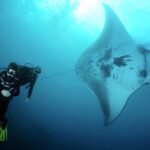
A key point in the tour setup is that it’s designed for uncertified participants, and it’s taught with strong safety emphasis. The overview states you’ll receive a private instructor per person, which is a big deal for beginners.
Why? Because stress is contagious underwater. If you’re paired with people who are more experienced, you can feel behind or rushed. Here, you’re treated as the priority. That private approach also makes it easier for the instructor to watch your breathing rate, buoyancy, and equipment comfort.
Even better, the tour includes equipment use and a structured training flow, plus scuba insurance. Insurance won’t make the ocean calmer, but it’s reassuring that the operator is covering the basics around the activity.
Also pay attention to this equipment setup detail: you must advise your height, weight, and shoe size at booking so gear fits correctly. That affects comfort more than you’d think. Ill-fitting gear can turn a manageable day into a frustrating one. Fit is part of safety.
Pool Training in a Transparent Scuba HQ: Why It Matters
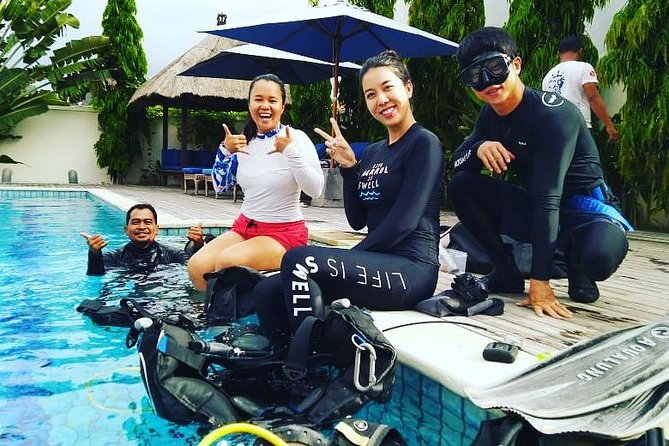
You’ll often hear people say they got comfortable “because of the pool.” In this case, the operator’s facilities are specifically mentioned with a transparent pool in rider feedback. That kind of setup tends to help because you can see what’s going on, and the instructor can coach clearly.
Pool practice also gives you a chance to get used to the sensation of wearing gear before you’re dealing with ocean conditions. Water can feel colder, waves can shift your position, and it’s louder than you expect. Training first means you’re not learning everything at once.
If you’re bringing kids or a family member new to scuba, this staged approach helps everyone. The tour lists a minimum age of 10, so it’s not just for adults. It’s also noted as suitable for “all scuba skill levels,” but the focus is still intro-level learning for people without certification.
What You’ll See Underwater: Mantas, Turtles, Corals, and Big Fish Energy
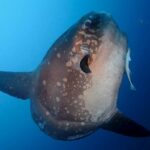
This course is built around marine life, with mantas being the star attraction. The program also mentions large marine life generally, and rider feedback backs that up with sightings of sea turtles and lots of tropical fish and coral.
A key reality check: the ocean is not a theme park. You can’t guarantee every species every day. Still, what I like about this itinerary is that it’s targeted at high-likelihood action. You’re not doing a random swim. You’re going to specific sites known for marine encounters, including Manta Point.
Also, one of the practical perks mentioned is that some participants received GoPro videos afterward. The listing says GoPro rental is not included, but it also suggests you may have options for capture. Even if you don’t rent a camera, ask what’s possible for recording so you don’t lose the memory of your first ocean session.
Food, Comfort, and Sea-Sickness Reality Checks
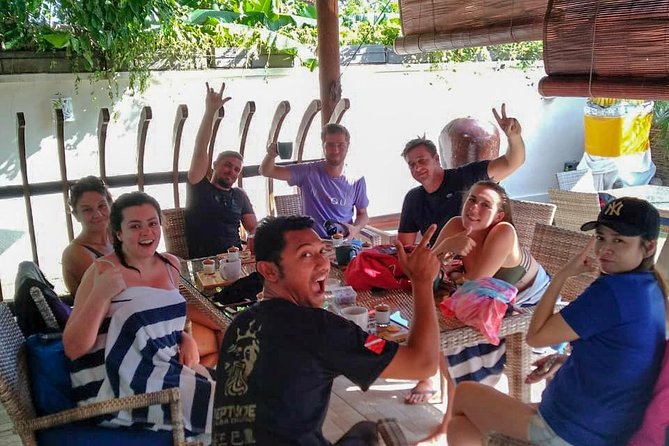
You’ll get lunch, plus snacks and bottled water. That’s important on a day that starts early and involves travel to an island across water. Nobody wants to feel shaky or hungry when they’re trying to focus on breathing and buoyancy.
Sea conditions are real in Nusa Penida. One piece of feedback specifically mentioned that the team handed out sea-sickness pills, which is exactly what you want for first-timers. Even if the sea is calm on your date, it’s smart to be proactive.
There’s also a comfort-and-gear consideration: additional items like GoPro rental, extra wetsuits, or hoodie vests aren’t included. If you run cold easily, bring swimwear you trust under a wetsuit, and consider what you might want if the water or wind feels chilly.
Price and Value: Is $220.52 Worth It?
At $220.52 per person, this isn’t a budget-only activity. But it’s also not a premium “all inclusive luxury resort” price. It feels like a value price for what you get: a full beginner training day, private pool coaching, instructor support, equipment use, and multiple ocean sessions.
Here’s what pushes value upward:
- PADI instructor and private instruction per person
- Pool training before ocean work
- Equipment included (with sizing info collected at booking)
- Lunch, snacks, bottled water
- Scuba insurance
- Hotel pickup and drop-off in select areas
Here’s what can add costs:
- Conservation fee for Manta Point listed as IDR100,000 per person (not included)
- Extra gear like GoPro rental isn’t included
- Pickup might not apply to your exact neighborhood
So my take is this: the price makes sense if you want to skip the headache of piecing together separate training, guides, and gear. You’re paying for a tight learning system plus real wildlife sites.
Also, since this requires good weather, you get a built-in safety net: if it’s canceled due to poor weather, you’re offered a different date or a full refund. That reduces the risk of paying for a “maybe day.”
Who Should Book This, and Who Should Reconsider
This experience is a strong fit for:
- First-timers who want real instruction and structured confidence-building
- People who don’t have scuba certification (minimum age is 10)
- Anyone who values private, instructor-led attention
- Families or partners where one person needs extra support and reassurance
It may not be a fit if:
- You have active asthma (it’s not recommended)
- You want a more relaxed, slow-paced day (this is a full schedule with transfer time and multiple water sessions)
One more practical note: the tour is described as a private tour/activity, meaning only your group participates. That generally means fewer social stressors and a more controlled learning environment. If you prefer smaller dynamics, it’s a plus.
My Booking Verdict: Should You Choose Neptune for Manta Point?
Yes—if your goal is a first-time scuba experience with an emphasis on safety, training, and high-impact marine life. The big reason I’d book is the structure: private pool training first, then planned ocean sites with instructor support built for beginners.
If you’re the type who worries you’ll panic underwater, the private instruction approach is exactly the kind of reassurance you want. And if you’re traveling for mantas, the itinerary is clearly designed around that priority.
Just plan for the extra Manta Point conservation fee, be realistic about weather dependence, and treat the day like an active learning schedule—not a casual stroll.
FAQ
Do I need scuba certification to take part?
No. This is an introductory Discover scuba level experience, and evidence of certification is not required.
What is the minimum age to participate?
The minimum age is 10 years old.
How long is the experience?
The duration is about 6 hours (approx.).
What’s included in the price?
Included are taxes and handling charges, lunch, a professional PADI instructor, hotel pickup and drop-off in select areas, scuba diving insurance, use of scuba equipment, snacks, bottled water, and private pool training.
Is hotel pickup included everywhere in Bali?
Pickup is offered in select areas. It is not included for Jimbaran, Uluwatu, Canggu, Ubud, and surrounding areas.
How many ocean sessions will I do?
You’ll do 2 or 3 sessions depending on the package selected.
What additional fee should I expect for Manta Point?
A conservation fee for Manta Point in Nusa Penida is listed as IDR100,000 per person and is not included.
Is there a vegetarian lunch option?
Yes. A vegetarian option is available if you advise at booking.
What should I know about fitness or health requirements?
It is not recommended for travelers with active asthma.
What happens if weather is bad?
If the experience is canceled due to poor weather, you’ll be offered a different date or a full refund.