REVIEW · KUTA
Scuba Diving in Nusa Penida – Manta Point
Book on Viator →Operated by Neptune Scuba Diving · Bookable on Viator
Mantas swim close enough to feel unreal. What makes this outing special is Manta Point on Nusa Penida and the tight, well-run setup in Sanur before you ever hit the water. I also like how the day is built around small groups of similarly trained divers, so you get clearer instructions and more personal attention.
My main consideration is the ride to Nusa Penida: it’s a fast speed boat, and the conditions can be rough, cold, and motion-heavy.
In This Review
- Key things to know before you go
- Sanur to Nusa Penida: how the day actually moves
- Neptune’s Sanur prep: kit fit, briefing, and that pool check
- The speed boat ride: prepare for motion and cold
- Stop-by-stop: what each named location is doing for your day
- Neptune Scuba Diving (Sanur base)
- Nusa Penida Island (transit and approach)
- Kelingking Beach (a major visual moment)
- Manta Point (your bucket list target)
- Crystal Bay (reef life and big-site variety)
- The underwater plan: surface intervals and how long you’ll be down
- Mantas at arm’s length: what to expect at Manta Point
- Guides and instruction: why safety feels practical, not stressful
- Equipment, lunch, and small comfort wins that add up
- Price and value: what $175 buys you, and the one fee to plan for
- Who this fits best (and who should skip it)
- Should you book Manta Point with Neptune?
- FAQ
- Do I need scuba certification for this outing?
- How many underwater sessions can I do in one day?
- Can I be upgraded from two sessions to three?
- How long is the boat ride from Bali to Nusa Penida?
- What’s included in the $175 price?
- What isn’t included?
- What time does the day usually start and end?
- What should I bring or plan for with equipment fitting?
- What’s the minimum age, and is it safe for everyone health-wise?
- Can I cancel for free, and what if weather is bad?
Key things to know before you go
- Certified-only requirement: Minimum Open Water certification is mandatory.
- 3 underwater sessions are the popular pick: Return times vary based on whether you do two or three.
- Tight guide ratio: Maximum 3 certified participants per instructor for one trip.
- Longer time at the sites than you might expect: Scheduled surface breaks and bottom times keep the day active.
- Manta sightings aren’t guaranteed: Some days go manta-heavy, others less so, based on sea conditions.
Sanur to Nusa Penida: how the day actually moves
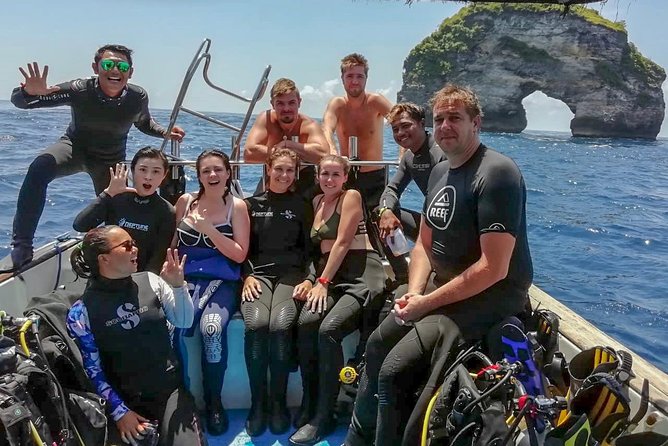
This tour is designed for people who already know their way around scuba. The schedule starts early because Nusa Penida’s best underwater spots don’t wait for a late start. If you’re staying around Sanur, Kuta, or Seminyak, the pickup and drop-off are built into the plan, so you’re not piecing the day together yourself.
The day usually follows this rhythm: you leave the Sanur base around 8:30–9:00am, then you’re out on the water for the main part of the day. Return is usually around 2:00pm after two underwater sessions or around 4:00pm after three. Most of the time overhead is travel and surface intervals, not standing around on a pier.
That timing matters. It means you should plan for a full-day commitment even though the on-paper duration is listed at about 6 hours. In practice, you’re living the whole tempo of a Nusa Penida day: early logistics, long boat ride, breaks, and multiple time windows underwater.
You can also read our reviews of more scuba diving tours in Kuta
Neptune’s Sanur prep: kit fit, briefing, and that pool check
Before you go anywhere near Nusa Penida, you begin at Neptune’s facility in Sanur. This is where the tour earns trust fast, because it’s not just grab-and-go gear. You’ll do equipment fitting and checking, then you get a daily briefing. If you haven’t been in the water recently, you may get a pool refresher session.
I like the pool approach because it’s practical. It helps you re-set buoyancy habits, regulator control, and basic comfort before you’re dealing with current, depth, and a new set of sites. One highlight from recent divers: the training setup can include a pool side where you can observe what’s happening, which makes the refresher feel more like coaching and less like a time-filler.
Then comes the group arrangement. The tour sets groups for a maximum of 3 certified participants per 1 instructor who matches your experience level. That small ratio is a big deal on a day with big ocean exposure. You’ll usually get clearer feedback, faster corrections, and less time wondering if you’re doing things right.
The speed boat ride: prepare for motion and cold
You’re looking at a 45-minute speed boat from Sanur to Nusa Penida. And here’s the reality: this is often the hardest part for your body, not the underwater part.
Some people specifically recommend taking the sea-sickness tablet provided at the start of the day. If you’re even slightly prone to motion sickness, treat that as a nudge, not a suggestion. The boat can run choppy, and your comfort will shape how you enjoy the rest of the day.
Also, plan for temperature and wind. Several people mention that the water travel can feel chilly. Even if you’re comfortable underwater, you can still feel cold while waiting on the boat or during longer surface intervals. If you tend to get cold easily, bring that up during planning and ask what they recommend for your setup.
Finally, a note on boat quality and safety. One review mentioned gas fumes in the boat cabin and warned that other boats at the site can make the area feel busy. That doesn’t mean every trip is the same, but it’s a good reminder to dress smart for airflow and report concerns right away.
Stop-by-stop: what each named location is doing for your day
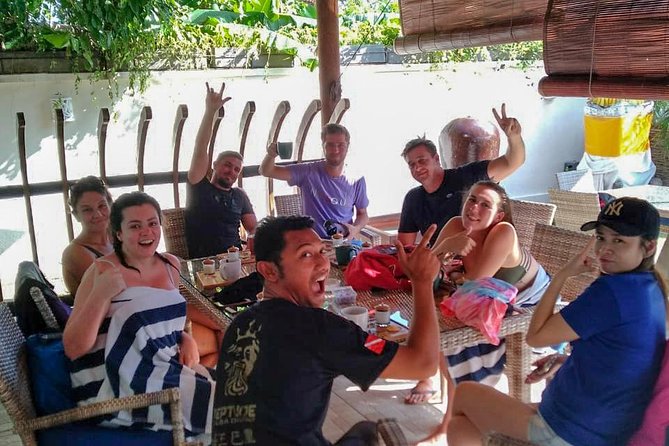
This outing uses multiple stops so the day isn’t just one long swim. You’ll typically move through:
Neptune Scuba Diving (Sanur base)
This is your checkpoint day: gear fitting, checks, and briefing. It’s also where you’ll get your timing explained, including how long you’ll likely be underwater for each session and how long your surface breaks are scheduled.


Nusa Penida Island (transit and approach)
This isn’t a “site” in the way manta spotting is, but it signals that you’re switching environments. You’ll spend a lot of time on the speed boat and you’ll likely feel the day in waves, literally. Use the transit time to hydrate and settle in.
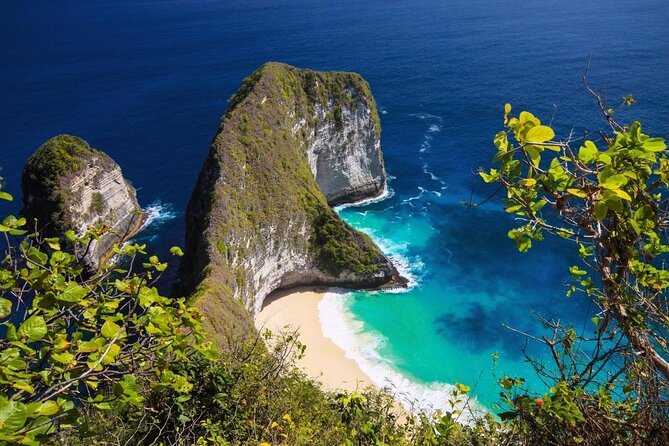
Kelingking Beach (a major visual moment)
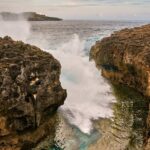
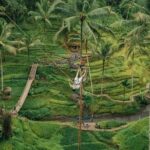
Kelingking Beach is listed as a stop, and it matters even if you don’t spend all day staring at it. This is part of the Nusa Penida feel: cliffs, dramatic coastlines, and that sense that the island is built for big scenery and fast-changing conditions.
In practical terms, treat Kelingking as part of the pacing: you’re moving between sites, and the “stop” is there to keep the plan running.
Manta Point (your bucket list target)
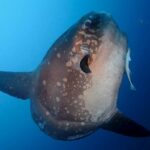
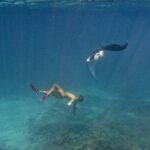
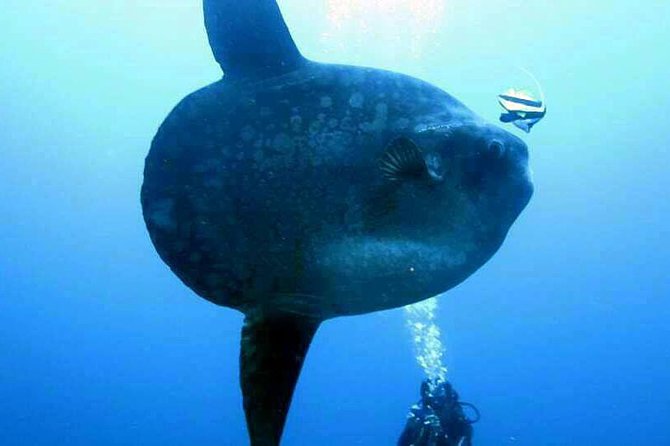
This is the headline stop. Manta Point is where the tour is aiming for ocean sunfish and manta rays. If you’re coming to Bali hoping to check “mantas up close” off your list, this is the reason you’re here.
Also, consider timing and sea conditions. One diver reported that high tide prevented reaching Manta Point on their day, but they still enjoyed other underwater sessions. So if you’re booking for one site only, keep your plan flexible in your expectations.
Crystal Bay (reef life and big-site variety)
Crystal Bay is another named target, and it typically brings more marine life and coral variety. If Manta Point gives you the high-impact megafauna moment, Crystal Bay is often where the day feels like a classic underwater reef experience.
The value here is simple: you’re not pinning your entire day on one single encounter. Even if manta or sunfish sightings vary, the plan still aims to deliver meaningful underwater time.
The underwater plan: surface intervals and how long you’ll be down
You’ll follow a structured timing approach. Surface intervals are usually scheduled for 45–60 minutes. Underwater time is generally 45–60 minutes, depending on each diver’s air consumption.
That range is important for your planning. You’re not just going “until it feels right.” The tour is managing the day to keep you safe, fed, and ready for the next session. It’s also why the day can feel efficient instead of rushed.
Another detail that helps: after the first session, you’re typically already set into a rhythm. Some recent divers mention fruit or special treats between sessions. Those are small things, but they matter when you’re out on the boat for hours.
Mantas at arm’s length: what to expect at Manta Point
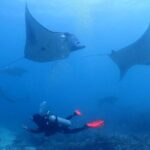
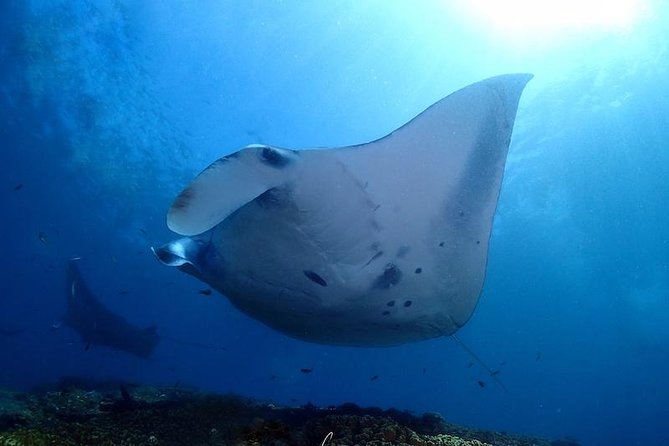
Manta Point is famous for a reason, and this tour is clearly built around that reputation. Many participants describe getting close to massive mantas and seeing multiple rays at once. Some even mention large manta counts at the same time, which is the kind of encounter you don’t forget.
But let’s keep this balanced. Sightings depend on currents, visibility, and where the animals decide to pass. One review mentioned the day still felt amazing, yet they didn’t see mantas or sunfish. That can happen even with a strong operator.
So how do you set expectations the healthy way?
- You’re paying for the best chance at mantas and sunfish, not a guarantee.
- If sea conditions reduce access to Manta Point, the operator can still deliver excellent underwater time elsewhere.
If you’re traveling with the mindset of bucket-list attempt plus flexibility, you’ll enjoy this more.
Guides and instruction: why safety feels practical, not stressful
The coaching here is a big part of why the day runs smoothly. Many people highlight attentive instructors, clear pre-water instructions, and strong safety focus.
Names that show up from recent experiences include:
- Gede
- Jaya
- Agus
- Noé
- Rei
- Mulee
Different instructors, same theme: they help you feel steady. One review described how a guide stayed with the pair for the entire day and kept the experience efficient without feeling rushed. Another mentioned picture-taking and prompt sharing of photos after the swim, which is a nice bonus when you’re trying to remember mantas that won’t sit still.
There’s also a practical training moment you’ll appreciate if you’re rusty. People have noted being given a refresher if they hadn’t dived in a while. That means you’re not thrown into the deep end socially, mentally, or skill-wise.
Equipment, lunch, and small comfort wins that add up
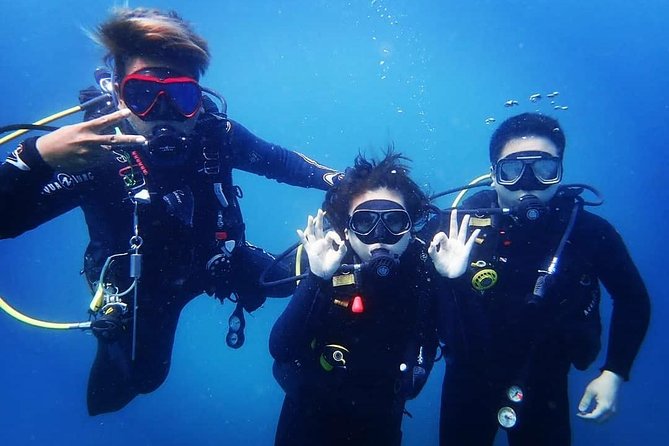
The package includes scuba equipment, snacks, bottled water, lunch, and towels. It also includes scuba diving insurance and the boat charter. That’s a lot included for one price, and it reduces the “hidden spend” stress.
One reason I like this format is that it’s hard to mess up your day when the basics are handled:
- gear is fitted on site
- food and water appear between long stretches of sea time
- towels are ready when you come back
Lunch has been described as tasty (green rice and egg is one specific mention), and some divers recall coconut water and fruit after the first session. Those touches help you recover from saltwater dryness and keep energy up for the next round.
Also, one review praised clean facilities like toilets and showers. Those aren’t headline items, but on a long boat day, cleanliness becomes comfort.
What’s not included? You might need to bring or plan for extra items like a dive computer, additional tanks like 15L (if your program requires it), extra wetsuits, or a hoodie. The tour includes equipment, but not everything you might personally prefer.
Price and value: what $175 buys you, and the one fee to plan for
At $175 per person, this is not a bargain. It is also not overpriced once you look at what’s included: transport, insurance, gear, food, and a boat charter.
Here’s the value math that matters:
- You’re getting hotel pickup/drop-off in select zones.
- You’re paying for guided underwater sessions with a small group ratio.
- You’re not sourcing meals, towels, gear, or insurance separately.
The one catch you must plan for: a conservation fee of 100,000 IDR per person that is not included. That fee can change the final cost slightly, especially for bigger groups.
Optional add-ons you might see mentioned include GoPro rentals (one diver cited $35 USD) and having the lead guide film or photo-share. If you care about underwater footage, ask ahead of time what’s available and what it costs.
Who this fits best (and who should skip it)
This is built for certified scuba participants. Minimum Open Water certification is mandatory. If you’re still working your way through training, you’ll want a different type of program.
It also has some health considerations:
- not recommended for people with active asthma
- not recommended for recent surgeries and/or special medication
Age-wise, the minimum age is 10 years old.
So who will love it?
- Experienced Open Water divers who want the best chance at mantas near Bali
- People who value structure: set timing, small groups, clear instruction
- Anyone who wants meals and equipment handled so the day stays simple
Should you book Manta Point with Neptune?
If your top priority is manta rays and you already have certification, this is a strong pick. The main reasons to feel good about booking are the small group size, the structured day plan with scheduled surface breaks, and the consistent emphasis on organization and safety from multiple named instructors.
That said, go in with two expectations you can trust:
1) You’re aiming for mantas and sunfish, not guaranteeing them.
2) The boat ride is part of the experience, and you should manage motion sickness and cold risk.
If that sounds like your kind of day, book it early. Many people reserve ahead, and this outing is capped at a maximum of 15 participants, so availability can move.
FAQ
Do I need scuba certification for this outing?
Yes. Minimum Open Water certification is mandatory, and the experience is specially designed for certified scuba participants only.
How many underwater sessions can I do in one day?
You can choose two or three underwater sessions. Return is typically around 2:00pm after two sessions or around 4:00pm after three sessions.
Can I be upgraded from two sessions to three?
Sometimes. The three-session option is the most popular, and if scheduling doesn’t allow an early 2:00pm return for two sessions, you may be upgraded to three. It’s best to contact before booking if you need the early return.
How long is the boat ride from Bali to Nusa Penida?
The speed boat ride from Sanur to Nusa Penida is about 45 minutes.
What’s included in the $175 price?
Included items are taxes and handling charges, lunch, a professional guide, hotel pickup and drop-off in select areas, scuba diving insurance, use of scuba equipment, snacks, bottled water, and boat charter.
What isn’t included?
A conservation fee of 100,000 IDR per person is not included. Additional equipment such as dive computers, 15L tanks, extra wetsuits, and hoodies is also not included.
What time does the day usually start and end?
Departure from the Sanur dive center is scheduled for about 8:30am–9:00am. Return is typically about 2:00pm after two sessions or 4:00pm after three sessions.
What should I bring or plan for with equipment fitting?
You’ll be asked to provide your height, weight, and shoe size for equipment setup. If you have dietary needs, advise those at booking.
What’s the minimum age, and is it safe for everyone health-wise?
The minimum age is 10 years old. It’s not recommended for people with active asthma, and it’s not recommended for people with recent surgeries and/or special medication.
Can I cancel for free, and what if weather is bad?
Yes, you can cancel for a full refund up to 24 hours before the experience starts. If the experience is canceled due to poor weather, you’ll be offered a different date or a full refund.