REVIEW · SEMINYAK
Ubud Cultural and Historical Guided Tour with Transfer
Book on Viator →Operated by Bali Tourist Information · Bookable on Viator
Temples, springs, and royal carvings in one long day. This Ubud Cultural and Historical Guided Tour from Seminyak strings together everyday village life, major worship sites, and 11th-century memorials with an English-speaking driver-guide and A/C comfort.
I like the way the stops connect: you go from a traditional family compound in Batuan to temple complexes tied to Hindu guardianship, then to water rituals at Tirta Empul. I also like that the guide focus is interpretation, so you spend less time guessing and more time understanding what you’re seeing.
One thing to watch: most temple and cave entrance fees are not included, so plan extra cash on top of the tour price. In the best cases, guides like Kadek and Nanda are patient and genuinely helpful when timing gets messy.
In This Review
- Key highlights at a glance
- A Ubud day trip built around temples, water rituals, and memorials
- Morning transfer from Seminyak: when 10 hours matters
- Stop 1: Batuan Traditional House Compound and the Gung Aji family
- Stop 2: Puseh Batuan Temple and the Khayangan Tiga idea
- Stop 3: Elephant Cave (Goa Gajah) and the water-bathing setting
- Stop 4: Gunung Kawi (Mount Kawi) and the rock-cut memorials
- Stop 5: Tirta Empul Spring Water Temple and cleansing rituals
- Stop 6: Gunung Kawi Sebatu Temple and quieter Lord Vishnu worship
- Price and logistics: is $45.91 good value?
- Guides and group experience: patience is part of the package
- Who this tour is best for (and who should reconsider)
- Should you book this Ubud Cultural and Historical Guided Tour?
- FAQ
- What time does the tour start?
- How long is the Ubud Cultural and Historical Guided Tour?
- Is pickup available from Seminyak?
- What’s included in the tour price?
- Are entrance fees included for every stop?
- Is this tour private?
Key highlights at a glance
- A/C vehicle + bottled water makes the long drive day feel easier
- Batuan Traditional House (Gung Aji family compound) gives you a real-life Bali anchor before the temples
- Goa Gajah (Elephant Cave) combines 11th-century history with the setting and water features near the cave
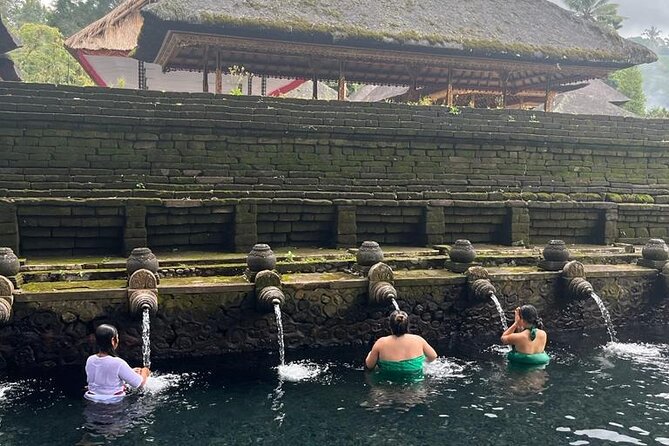
- Tirta Empul Spring Water Temple is built around bathing pools and cleansing rituals you’ll actually see in action
- Gunung Kawi and Gunung Kawi Sebatu add both dramatic rock-cut memorials and a quieter worship stop
A Ubud day trip built around temples, water rituals, and memorials
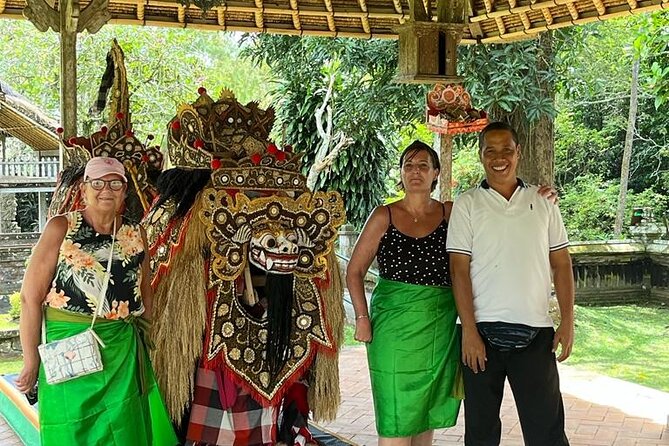
This tour is a classic Bali mix: homes, temples, caves, and stone memorials. You’re not just ticking off sights. You’re moving through different layers of how people live and worship on the island.
The big win is the pacing. You spend real time at each site—often long enough to look closely at details—without having to manage the logistics yourself. That matters on a day that runs about 10 hours.
You can also read our reviews of more guided tours in Seminyak


Morning transfer from Seminyak: when 10 hours matters
Pickup is offered from Seminyak, and the start time is 8:30 am. That early start helps you get the day in before things get too hot and before the later stops feel rushed.
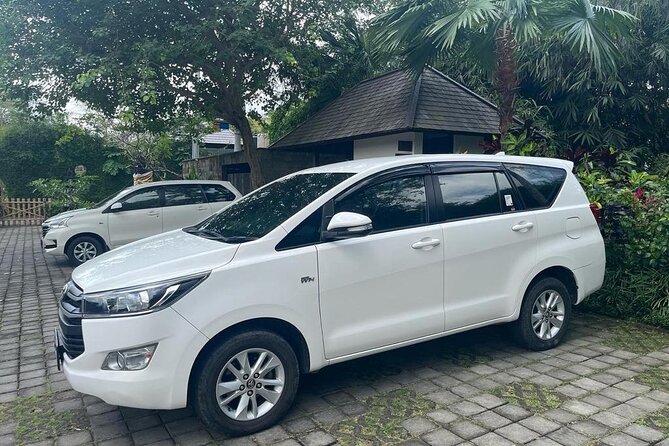
You’ll ride in an air-conditioned vehicle with parking fees covered. In practice, this is what keeps your attention on the sights instead of on traffic, heat, or finding a parking spot.
The main trade-off is simple: it’s a full day. You’ll want comfortable shoes, and you’ll probably feel it by the time you’re done with the last temple stop. If you hate long days, this one may test your limits.
Stop 1: Batuan Traditional House Compound and the Gung Aji family
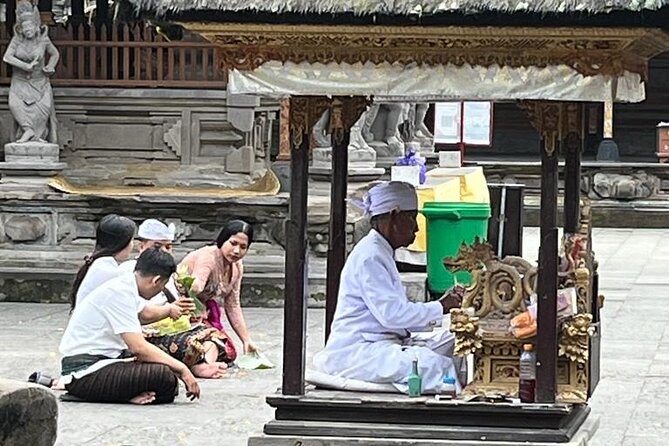
Your first stop is in Batuan Village (Sukawati District, Gianyar Regency). You’ll visit a traditional house compound associated with the Gung Aji family, often referred to by foreigners as the Bali Traditional House Gung Aji.
This is a smart opener because it changes your mindset. Before you’re surrounded by dramatic stone and sacred springs, you get a sense of ordinary Bali living—how households are organized, how family spaces work, and how tradition stays active.
The entrance here is free, and the time given is about 1 hour. That’s enough to walk the compound with the guide and ask questions, without feeling like it’s just a drive-by photo stop.
Stop 2: Puseh Batuan Temple and the Khayangan Tiga idea
After Batuan, you move to Puseh Batuan Temple, a local village temple within the Khayangan Tiga system. In this setup, the temple is part of three major village temples linked to the god Wisnu as a protector.
Time here is about 1 hour 30 minutes, and the entrance fee is not included. That longer window is useful because village temples aren’t just monuments. They’re active worship spaces, and the guide’s explanation helps you understand why certain areas are arranged the way they are.
A practical note: this is one of the places where you’ll benefit from moving slowly. Watch how people enter, observe the rhythms of worship, and don’t treat it like a theme park.
Stop 3: Elephant Cave (Goa Gajah) and the water-bathing setting
Next is Elephant Cave (Goa Gajah), connected with an 11th-century story tied to the king of Udayana. The name is connected to the nearby river called Lua Gajah, which tells you the site was shaped by water as much as by stone.
You get about 2 hours here, and the entrance fee is not included (IDR 50,000 per person). The site includes bathing features in front of the cave area, including figures inside the bathing context—exactly the kind of detail that makes a guided visit worth it.
This stop also gives you a chance to read the place through two lenses: the myth/history angle and the practical layout angle. Even if you’re not a history nerd, the setting helps the story click.
You can also read our reviews of more historical tours in Seminyak



Stop 4: Gunung Kawi (Mount Kawi) and the rock-cut memorials
Now you reach Gunung Kawi Temple at the Tampaksiring area, also tied to the 11th-century era. The complex is associated with Anak Wungsu, the son of Udayana king, and the site is known for 10 memorial rock-cut temples.
You’ll spend about 1 hour 30 minutes here, but entrance fees are not included (IDR 50,000 per person for Mount Kawi/Pakrisan River on this tour). This is a site where timing and pace matter. If you rush, you’ll miss the way the memorials are carved and framed into the landscape.
Gunung Kawi is also a good checkpoint in the day. After the cave and the temple systems, the memorials shift the focus to royal remembrance. You’ll feel the tone change as you look at the stonework.
Stop 5: Tirta Empul Spring Water Temple and cleansing rituals
Tirta Empul—also called the Spring Water Temple—is located near Gunung Kawi. It’s built around springs and special bathing pools, and the tour highlights the cleansing ritual atmosphere.
This is one of the tour’s most meaningful stops because the layout is purposeful. You’re not just looking at a structure. You’re looking at a system built for ritual bathing around the springs.
Time is about 2 hours and the entrance fee is not included (IDR 50,000 per person). If you want a respectful experience, this is where you slow down, watch what worshippers do, and let the guide’s explanation frame what you’re seeing.
If you’re curious, ask questions about how the site functions in worship. That’s where a good guide earns their day.
Stop 6: Gunung Kawi Sebatu Temple and quieter Lord Vishnu worship
The final stop is Gunung Kawi Sebatu Temple, whose exact build date isn’t clearly known. What you do know is the purpose: historical records say it was built for worship of the gods, especially Lord Vishnu, on orders mentioned in those records.
You’ll get about 2 hours here, and entrance fees are not included (IDR 30,000 per person). This stop has a calmer feel in the tour description, and in practice you’ll likely appreciate that after a day of more “signature” stops.
It’s also a nice contrast to Gunung Kawi. Both are connected to worship and stonework, but Sebatu is positioned as a more tranquil experience. You end the day with a softer landing instead of finishing with the busiest-feeling site.
Price and logistics: is $45.91 good value?
The price is $45.91 per person and the duration is about 10 hours. For that money, you’re paying for more than just a car ride. The tour includes an air-conditioned vehicle, parking fees, an English-speaking driver tour guide, and bottled water.
The biggest cost to budget separately is entrance fees. Based on the listed amounts, you’ll likely add up these stops:
- Tirta Empul: IDR 50,000
- Gunung Kawi Sebatu: IDR 30,000
- Puseh Batuan Temple: IDR 30,000
- Elephant Cave: IDR 50,000
- Mount Kawi/Pakrisan River: IDR 50,000
That’s IDR 210,000 per person in entrance fees, while the Batuan Traditional House compound stop is listed as free. Currency rates change, but the takeaway is stable: the tour price covers the guide and transport, while the temples and cave cover the rest.
Also note: the tour is described as private, meaning only your group participates. That tends to make the explanations feel more tailored, and it can reduce the time wasted herding people around.
And yes, you’ll get a mobile ticket, which usually means less friction when you arrive.
Guides and group experience: patience is part of the package
Two guide names pop up in positive feedback: Kadek and Nanda. The common theme is patience and practical help—like waiting when someone’s timing slips—plus showing you places you might otherwise skip.
That matters because a day like this can go sideways if you don’t trust the schedule. You want a guide who can keep things calm, especially around active worship sites where people may move in different rhythms.
If you’re visiting Bali as a first-timer, or if you hate feeling lost in translation, this is the kind of tour that gives you structure without feeling like a factory line.
Who this tour is best for (and who should reconsider)
This tour fits you if you want a single-day Ubud plan that mixes spiritual sites with historical context and doesn’t feel like a photo sprint. It’s also a strong choice if you prefer having an English-speaking guide to explain the why behind each stop.
It may be less ideal if:
- you hate long drive days (it’s about 10 hours)
- you want everything included and fully priced up front (several entrances are not included)
- you prefer a slower, less scheduled pace that leaves room for wandering off-route
Should you book this Ubud Cultural and Historical Guided Tour?
I’d book it if you want a guided day that teaches you how different parts of Balinese life connect—home traditions in Batuan, village temple structure in Khayangan Tiga, ritual bathing at Tirta Empul, and the rock-cut memorials at Gunung Kawi.
I’d think twice if entrance fees would ruin your budget or if you’re sensitive to long days. Even then, you can still make it work if you plan for the added costs and treat the schedule as the core experience.
If you do book, do yourself a favor: bring some extra spending flexibility for the temple/cave fees, wear comfortable shoes, and use the guide’s explanations. This tour is at its best when you lean in and ask questions.
FAQ
What time does the tour start?
The tour start time is 8:30 am.
How long is the Ubud Cultural and Historical Guided Tour?
The duration is approximately 10 hours.
Is pickup available from Seminyak?
Yes, pickup is offered, and the tour is listed with Seminyak as the location.
What’s included in the tour price?
The tour includes an air-conditioned vehicle, parking fees, an English-speaking driver tour guide, bottled water, and you’ll receive a mobile ticket.
Are entrance fees included for every stop?
No. Batuan Traditional House is listed as free, but entrance fees are not included for Puseh Batuan Temple, Elephant Cave, Mount Kawi, Tirta Empul Temple, and Gunung Kawi Sebatu Temple.
Is this tour private?
Yes, it’s described as a private tour/activity, with only your group participating.