REVIEW · SEMINYAK
Taste & Explore Bali: Denpasar Street Food & Historic Sites
Book on Viator →Operated by Intrepid Urban Adventures - Indonesia · Bookable on Viator
Bali feels different at night, when the city eats. This Denpasar food walk pairs local night-market flavors with real-world culture stops like Pura Agung Jagatnatha and Puputan Square, so you’re not just tasting—you’re also understanding what you’re eating. I especially like that the vendors are locals selling food for a living, and that the tour includes Babi Guling, which is traditionally served for ceremonies. One heads-up: this is not a flexible menu tour, so vegetarian, vegan, and gluten needs are unfortunately a problem.
You start at 4:00 pm and move through the central Denpasar streets for about three hours, finishing with a coffee stop at NADHI Heritage. The small size matters here: max group is 12, which makes it easier to ask questions (and actually notice what’s going on in the stalls). If you want a quick beach-style snack break, this tour may feel a bit more like “walking + learning,” with food as the payoff.
In This Review
- Quick Hits: What Makes This Denpasar Tour Special
- Why Denpasar Street Food Beats the Usual Beach-Day Plan
- Starting at Pura Agung Jagatnatha: Temples First, Snacks Second
- Puputan Square and Patung Catur Muka: History in Stone
- Jalan Gajah Mada: Roast Pork and Bakso on the Heritage Streets
- Badung Market and Jaje Bali Snacks: The Street-Food Circuit You’ll Actually Remember
- NADHI Heritage Coffee Finish: Ending with Arabica, Hot or Iced
- Price and Value: What $45 Buys You in Central Denpasar
- Food Rules to Know: Pork Is Part of the Plan
- Small Group and Local Guides: Better Conversation, Less Rushing
- Who This Tour Fits Best (and Who Might Want Something Else)
- Should You Book This Taste & Explore Bali Tour?
- FAQ
- What time does the tour start, and how long is it?
- Where do I meet, and where does the tour end?
- What food and drinks are included?
- Is the tour suitable for vegetarians, vegans, or people with gluten issues?
- Can children join?
- How big is the group?
- What if I need to cancel?
Quick Hits: What Makes This Denpasar Tour Special
- Temple start at Pura Agung Jagatnatha, where local life and spirituality set the tone.
- Puputan Square + 1906 resistance context, giving you historical meaning behind a simple city landmark.
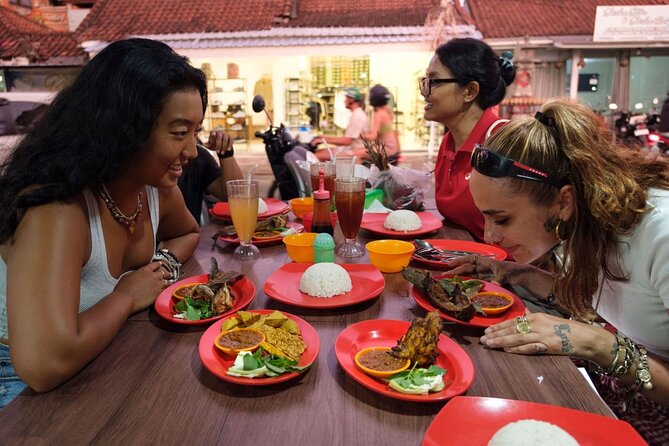
- Babi Guling and Bakso are not just sampled—they’re placed in Bali’s everyday food culture.
- Badung Market street-food circuit, including colorful Jaje Bali snacks.
- Locally sourced approach, with the tour emphasizing ingredients grown and bought locally.
- Small-group feel (up to 12) with guides you can actually talk with—names that come up include Putra, Lena, Srix, and Irfan.
Why Denpasar Street Food Beats the Usual Beach-Day Plan
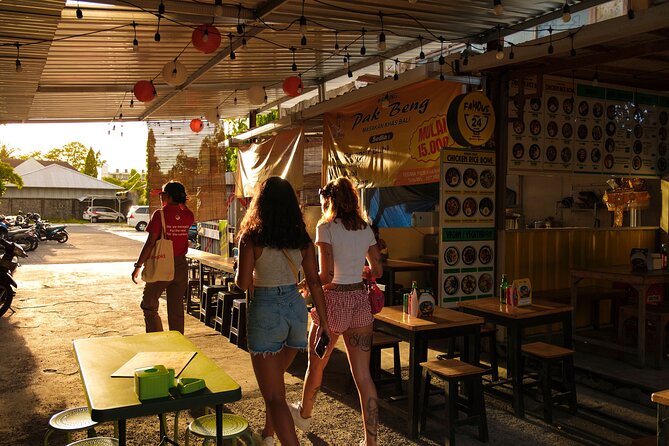
I get it: Bali is famous for beaches, resorts, and day trips that look great in photos. But if you want Bali that feels lived-in, Denpasar is the move. This tour leans urban and local, starting with sacred space and ending in the market-and-street-food flow that locals rely on all the time.
What makes this one worth your time is the pairing. You’re not thrown into a random food lineup. You get a guided walking route through the central city, with temple and landmark stops that explain why people gather, what symbols mean, and how food sits inside ritual and community life. And yes, you still get to eat. A lot of food tours promise culture; this one actually builds it into the route.
The other big plus: value. At $45, you’re paying for guided access to multiple food stops plus a coffee finish, not just for a plate of snacks. In a place where street food is inexpensive on your own, guidance matters—because a guide helps you choose confidently and understand what you’re looking at.
You can also read our reviews of more food & drink experiences in Seminyak


Starting at Pura Agung Jagatnatha: Temples First, Snacks Second
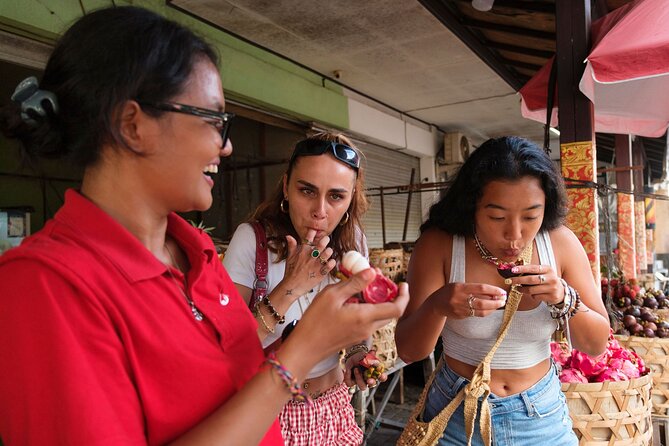
Your journey begins at Pura Agung Jagatnatha, Bali’s central Hindu temple in Denpasar. The tour’s timing is key: starting in the late afternoon means you catch the city shifting toward evening, when markets wake up and people move more slowly through sacred spaces.
This stop works in two ways for you as a diner. First, it gives context. In Bali, food is rarely just food. It’s connected to offerings, community rhythms, and the way daily life overlaps with religious life. Second, it slows your pace down right at the start. You get about 15 minutes here, with the focus on being present rather than checking boxes.
Also, the admission is free for this stop, so you’re not spending extra just to enter and observe. And since the tour runs with a guide, you’re more likely to notice the details that would normally fly by if you were walking on your own.
Puputan Square and Patung Catur Muka: History in Stone
After the temple, you head to the symbolic heart of Bali’s story: Puputan Square and the colonial-era landmark area tied to Patung Catur Muka (the four-faced god statue). This is one of the places where a walking tour earns its keep. You’re not only taking photos—you’re learning what the landmarks represent.
The tour highlights the 1906 resistance against colonial rule and connects it to the space’s symbolism, including the idea of a 0 km landmark. That detail matters because it turns a public square into something with meaning. You’ll look at the statues and monuments differently once you know what they reference.
Patung Catur Muka also gives you a simple, practical break from eating. It’s easy to get food-focused in Bali, so this checkpoint helps you reset your eyes and attention. The stop again is about 15 minutes, keeping the tour moving without dragging you away from the snacks for too long.
Jalan Gajah Mada: Roast Pork and Bakso on the Heritage Streets
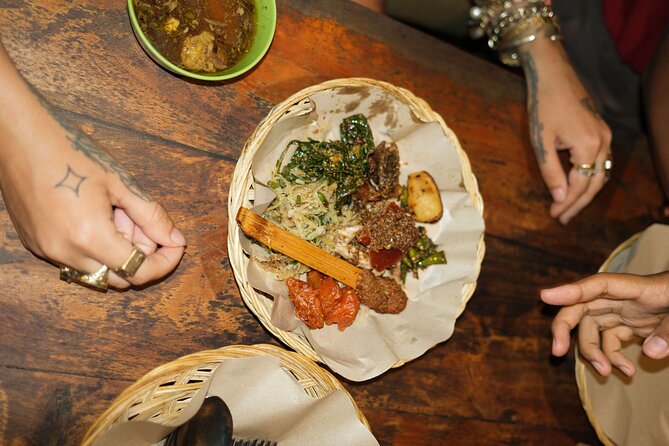
Next comes Jalan Gajah Mada, a heritage street lined with local shops and colonial-era architecture. This part feels like the tour’s “gateway.” You’re between landmarks, and the city is starting to smell like dinner.
The food at this stage is aimed at two famous Indonesian favorites:
- Babi Guling (Bali’s signature roasted pork)
- Bakso (Indonesian meatball soup)
This is where the tour’s cultural promise shows up in a very practical way. Babi Guling is traditionally served only at ceremonies, not as an everyday casual meal. So the tour gives you a chance to taste something special without you needing the right invitation or the right calendar date. And since the tour frames it within local tradition, you’re more likely to understand why it’s treated as meaningful.
Bakso is a smart pairing alongside pork. It’s comforting, filling, and familiar enough that you’ll have an easier time judging flavor and texture even if you’ve never tried Balinese-style preparations before. Plus, a soup often works well on a walking tour because it keeps you satisfied without weighing you down too heavily.
This stop lasts about 30 minutes, which is exactly the right amount of time to taste, ask questions, and keep moving.
Badung Market and Jaje Bali Snacks: The Street-Food Circuit You’ll Actually Remember
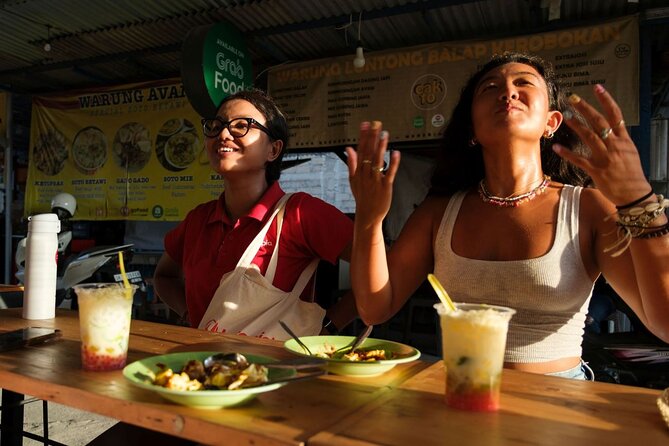
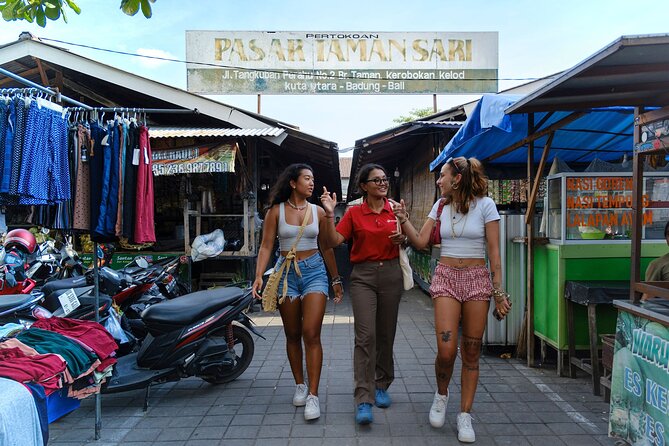
One of the best moments is the arrival at Badung Market in Denpasar, where the tour shifts fully into street-food mode. You’ll get about 30 minutes here, and the emphasis is on market energy rather than a formal restaurant meal.
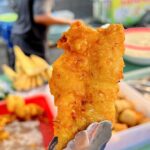
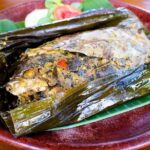
A highlight is trying Jaje Bali—traditional Balinese snacks. Jaje Bali often means colorful, small-bite sweets made with ingredients like rice flour and coconut, and the tour includes tasting these snack options so you can experience that side of Balinese food culture, not only the savory dishes.
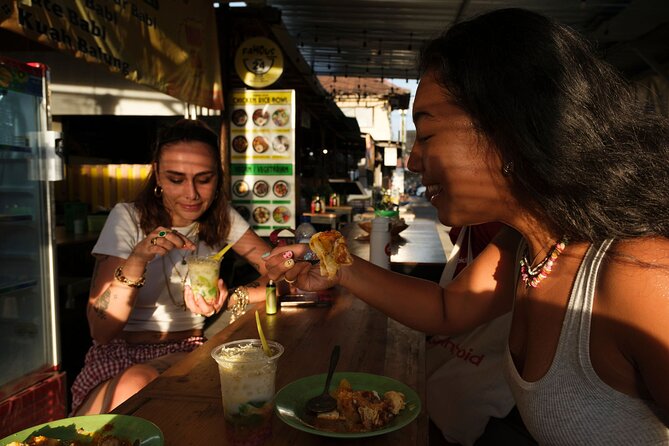
This is also where the tour’s “support locals” angle becomes very real. The tour description stresses that vendors are local people selling food for a living, and that the tour helps support multiple local stalls in the surrounding area. In practical terms, that means you’re spending your money where it matters most—directly into the daily economy of market sellers.
A minor caution: markets are active places. Expect close quarters, lots of sights, and an atmosphere where you’ll be glad you’re not trying to read every menu sign by yourself. Having a guide makes this easier, because the goal isn’t just eating—it’s knowing what you’re tasting and how to choose.
You can also read our reviews of more tours and experiences in Seminyak


NADHI Heritage Coffee Finish: Ending with Arabica, Hot or Iced
After the market, the tour wraps at NADHI Heritage with a cup of authentic Indonesian Arabica coffee, served hot or iced. This last stop works better than you might think. Street food tours can leave you overloaded on salt and spice, and coffee gives you something different: aroma, bitterness, and a clean finish that helps you reset your palate.
The tour keeps this stage around 30 minutes, which gives you time to relax a bit and ask follow-up questions—especially if your guide has been sharing food history along the way.
Also, coffee is a nice way to balance the menu. You’ve had pork and soup and sweet snacks. Coffee gives you a more adult “end cap” to the experience, instead of just adding one more bite.
Price and Value: What $45 Buys You in Central Denpasar
Let’s talk money like you’re deciding at the app screen. At $45 per person, this isn’t a $5 street snack. But it also isn’t a big-ticket dinner theater.
Here’s what that price realistically covers:
- Guided walking tour through central Denpasar
- Visits to Pura Agung Jagatnatha and Puputan Square
- Food tastings, including Babi Guling and Bakso
- Jaje Bali snack tasting at Badung Market
- Arabica coffee at NADHI Heritage
- A small-group format (up to 12 people)
- Admission is noted as free at the temple stop in the itinerary info
So you’re not just paying for meals. You’re paying for the route, context, and guidance—especially around dishes like Babi Guling that are culturally specific. And since the tour emphasizes local vendors selling food for a living (and supporting several stalls), your money is also tied to community impact rather than big commercial kitchens.
If you’d otherwise wander Denpasar alone and try to “figure it out,” this price is often fair. You get the safety of a plan, plus a guide to help you choose without guessing.
Food Rules to Know: Pork Is Part of the Plan
This tour is built on authentic local gastronomy, and that comes with limits.
The clearest one: the operator states they can’t cater for vegetarian, vegan diets, or gluten allergies/intolerances. That’s not a minor footnote here—it’s the foundation of the menu. Since Babi Guling is pork, and since street-food cross-contact is part of how markets work, you should assume you won’t be able to swap items safely.
There’s also guidance around kids: the tour is best for adults and older children, and it notes that little ones under 6 aren’t permitted. So if you’re traveling with younger kids, you’ll need a different option.
If you’re fine with pork and you’re okay with eating in a very local setting (no kids’ meals, no diet guarantees), you’ll likely enjoy this a lot more than someone who wants a restaurant-style menu with choices.
Small Group and Local Guides: Better Conversation, Less Rushing
A max group of 12 is a big deal. In a street-food setting, it means you’ll actually move together, stop long enough to taste properly, and have time to ask questions instead of being shoved along like a human conveyor belt.
The guide experience also shows up in feedback about how interactive the tour can be. Names like Putra and Lena come up with notes about careful guidance and being easy to talk to. Irfan is described as having food history knowledge, even presented like a teacher’s explanations. Srix is noted as knowledgeable and willing to share customs while showing points of interest.
You don’t need to be an expert food traveler to benefit. But you will get more out of the tour if you lean in—ask what to try next, ask why a dish is served a certain way, and pay attention to how vendors explain ingredients.
One more practical note: the tour is marked as near public transportation, so you’re not stuck with a complicated pickup plan if you’re using local transit in Denpasar. And one review notes a short taxi at the end; routes can vary, so don’t plan to sprint the last part back on foot unless you like that kind of cardio.
Who This Tour Fits Best (and Who Might Want Something Else)
This Denpasar tour is ideal if you:
- Want authentic street food guided by someone who knows what you’re looking at
- Enjoy combining food with temple and landmark context
- Are curious about why Babi Guling is culturally special
- Prefer small-group travel instead of big bus tours
It may not be ideal if you:
- Need vegetarian/vegan options or have gluten intolerance requirements (the tour says it can’t accommodate these)
- Want a kid-friendly kid-meal style route for children under 6 (not permitted)
- Are only looking for a quick snack without walking or learning stops
If you’re staying around Seminyak, this still makes sense because it targets a different side of Bali than the beach zone. You’ll get Denpasar city life instead of another coastal sunset.
Should You Book This Taste & Explore Bali Tour?
I’d book it if you want a real slice of Denpasar after 4 pm: markets, temple space, and food you can’t easily recreate from memory. The strongest reason is Babi Guling paired with history stops that explain why this food matters. You also get a practical street-food structure—temple to landmark to heritage streets to market to coffee—so your evening feels purposeful.
Skip it if your diet or your comfort level won’t match what’s on the menu. With pork and strict limits on vegetarian/vegan and gluten needs, this is not the best choice for everyone.
If you’re someone who likes eating where locals eat, asking questions, and learning why things are done a certain way, this tour is a solid value and a genuinely enjoyable way to spend a few hours in central Bali.
FAQ
What time does the tour start, and how long is it?
It starts at 4:00 pm and lasts about 3 hours.
Where do I meet, and where does the tour end?
You meet at Agung Jagatnatha Temple (Jl. Surapati No.7, Dangin Puri, Kec. Denpasar Tim.) and the tour ends at Nadhi Heritage at Jl. Gajah Mada No.122, Pemecutan (Dauh Puri Kangin, Kec. Denpasar Utara).
What food and drinks are included?
The tour includes tastings of Babi Guling and Bakso, Jaje Bali snacks from the market, and Indonesian Arabica coffee (hot or iced). It also includes a guided walking tour through central Denpasar.
Is the tour suitable for vegetarians, vegans, or people with gluten issues?
The tour states it cannot cater for vegetarian, vegan diets, or gluten allergies/intolerances, since it focuses on authentic local gastronomy.
Can children join?
It’s best suited for adults and older children, and it notes that children under 6 aren’t permitted.
How big is the group?
The tour has a maximum of 12 travelers.
What if I need to cancel?
You can cancel for a full refund if you cancel at least 24 hours before the start time. If you cancel less than 24 hours before, the amount paid is not refunded.