Four waterfalls in one smart route. Morning timing makes all the difference, especially at Tukad Cepung, where the canyon light is part of the show. I love how this small-group format keeps the day calm, with Ubud pickup and drop-off so you spend time walking and looking, not negotiating transport.
You also get a mix of well-known views and quieter water stops. I love that the schedule is designed to help you avoid the crush at Tembuku and Jehem, so you can actually enjoy the sound of the falls instead of just waiting for a camera angle.
One consideration: entrance fees and meals are not included, so you’ll want to budget a bit beyond the $44 price and plan for an outdoor day that depends on good weather.
In This Review
- Key things to know before you go
- How the morning schedule changes everything at Tukad Cepung
- Stop 1: Tukad Cepung Waterfall (why the canyon walk is the point)
- Stop 2: Tembuku for a calmer, village-side waterfall break
- Stop 3: Kanto Lampo for the iconic rock-terrace cascade
- Stop 4: Jehem for a peaceful pool and a chance to swim
- Guides and the small-group feel: why the day stays friendly
- Price value check: what $44 covers and what you’ll likely add
- What this day is really like on your schedule (6 to 7 hours)
- Should you book this Bali waterfall route from Ubud?
- FAQ
- What does the Bali Waterfalls in One Day tour cost?
- How long is the tour and what time does it start?
- Do you get hotel pickup in Ubud?
- What’s included in the price?
- Are entrance fees and meals included?
- Is swimming allowed at Jehem?
- What happens if the weather is poor or I cancel?
Key things to know before you go
- 7:00 am start: You’re early on purpose for better light at Tukad Cepung.
- Small group max 10: More space to move, fewer bottlenecks at viewpoints.
- Two famous photo spots, two quieter cascades: You get big “wow” plus less crowd energy.
- Air-conditioned van + mineral water: Comfort while you’re in transit between waterfalls.
- Entrance fees not included: Bring some cash for the stops where a ticket is required.
- Jehem includes a natural pool: The schedule builds in time where swimming is possible.
How the morning schedule changes everything at Tukad Cepung
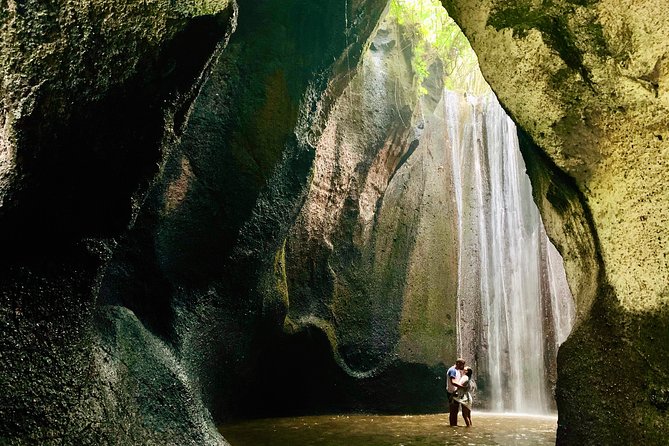
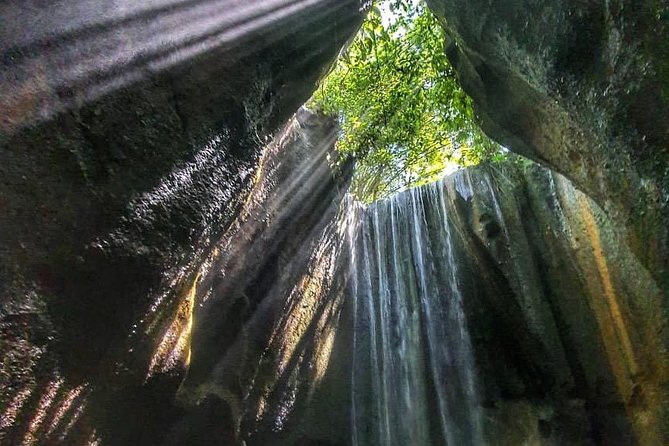
This is a one-day route built around a simple idea: water falls look better when the light cooperates. The tour starts at 7:00 am in Ubud, and that early departure matters because Tukad Cepung is famous for the glow that hits the canyon walls later in the morning.
Tukad Cepung is also the kind of waterfall where you don’t just arrive, take a quick photo, and leave. You walk in and experience it from inside the canyon—cooler, a little darker, then suddenly brighter as you get closer. The timing also helps you feel like you found it first, not like you’re late to the party.
If you’re the type who likes good photos, this will still feel worth it. But if you’re more into the vibe—steam, rock textures, birds, wet air—this “arrive early” approach is even more satisfying. You get the waterfall with fewer people hovering shoulder-to-shoulder.
Practical note: Tukad Cepung’s canyon setting can feel slick. I’d bring grippy footwear and plan for a slower walk than you do on a flat sidewalk.
You can also read our reviews of more tours and experiences in Ubud

Stop 1: Tukad Cepung Waterfall (why the canyon walk is the point)
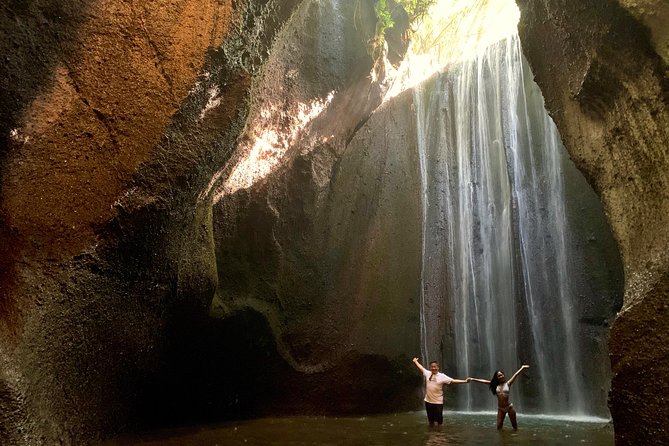
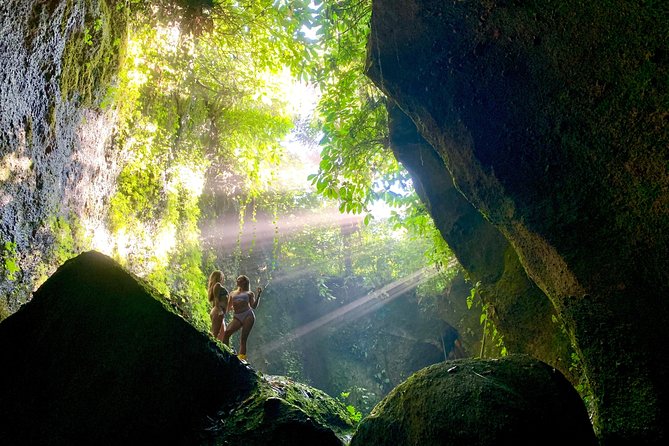
Your first stop runs about 1 hour, and the focus is the canyon experience. Tukad Cepung is often described in terms of its cave-like setting, and that’s exactly what you’re stepping into: a rocky approach that feels like you’re moving through a natural hallway before you reach the falls.
The key benefit here is timing. Going in the morning is how you catch the waterfall’s light effects without having to fight your way through crowds. The route is clearly designed around that, and you feel it as soon as you start moving.
Entrance fees are not included for this stop, so plan for the extra cost. Also, since you’ll be in a wet environment, it helps to keep your phone/camera protected and ready. If you tend to shoot video, you’ll want battery power—there’s a lot going on visually.
Stop 2: Tembuku for a calmer, village-side waterfall break
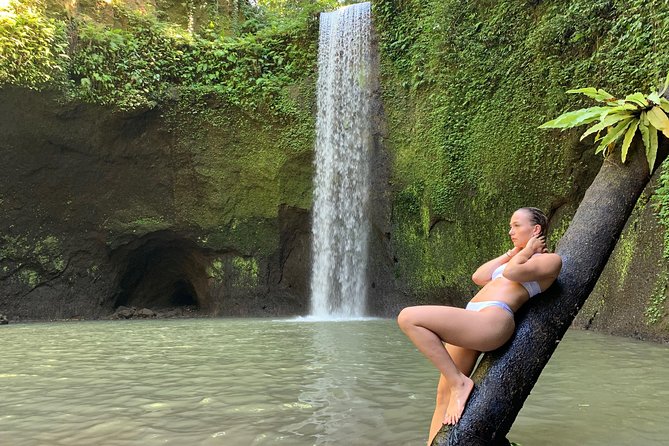
Next comes a change of pace: Tembuku. This stop is scheduled for about 1 hour 30 minutes, which is generous. It’s a good sign—someone expects you’ll want more than a few minutes here.
Tembuku is described as a waterfall within a village setting, and the big advantage is that it’s treated as a place to enjoy rather than a checkpoint. You’re not there just to grab one shot. You can slow down, listen, and take in the greenery and water flow without the same level of photo-line pressure you’ll see at the most famous sites.
The schedule also positions Tembuku as a “hidden” style stop, meaning it tends to feel quieter than the loudest Bali waterfall circuits. Admission is listed as free here, which is a smart way to balance the day’s costs.
If you’re traveling with friends who get impatient, this is one of those stops that can reset the mood. Give yourselves permission to just stand for a minute, watch the water, and then move on when you’re ready.
Stop 3: Kanto Lampo for the iconic rock-terrace cascade
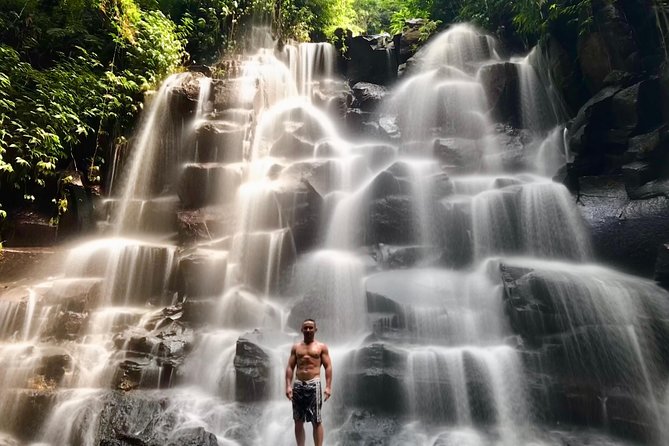
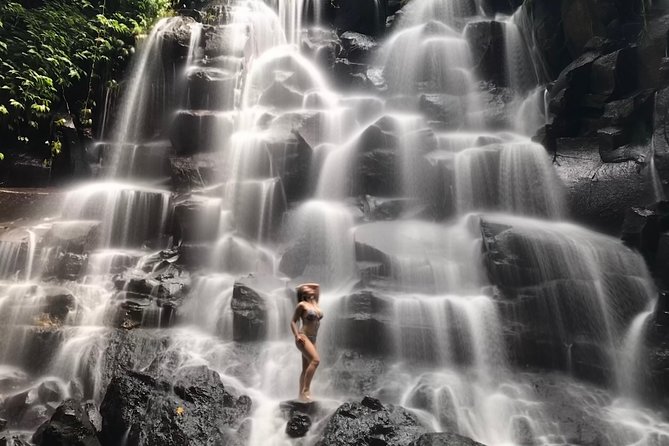
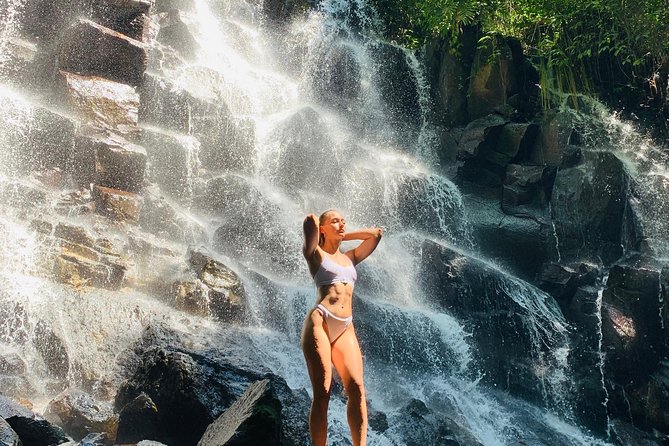
After two more relaxed stops, you hit Kanto Lampo, one of Bali’s most anticipated waterfall viewpoints. This one is only about 1 hour, so your job is to arrive, find your angles, and enjoy the rockfall pattern without overthinking it.
Kanto Lampo is known for that side-view look at cascades formed by huge rocks. Think of it less as one straight drop and more as layered rock shapes guiding water down in stages. That structure makes it popular for photos, but it also keeps it interesting visually even if you don’t care about Instagram.
Entrance fees are not included for this stop, so again, budget a little extra. The upside is that you’re pairing it with two other waterfalls that are meant to feel less crowded. That balance helps Kanto Lampo feel like a highlight rather than a chore.
Tip for the time crunch: before you descend or move around too much, decide what you want most—wide view of the rock cascades, a tighter shot, or just time listening to the falls. With limited time, choosing one focus helps you leave happier.
Stop 4: Jehem for a peaceful pool and a chance to swim
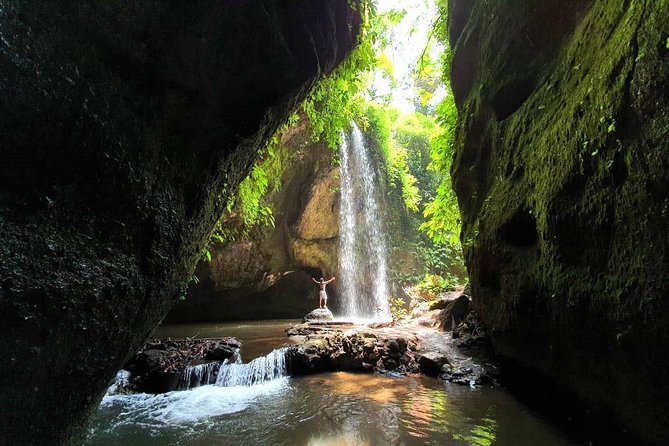
Your final stop is Jehem, scheduled for about 1 hour 30 minutes. This is where the day often clicks into “vacation” mode.
Jehem is presented as another peaceful waterfall, with natural source water flowing into a natural pool. The schedule even includes time where you can swim in that natural pool, so this isn’t just a watch-from-the-bank stop. It’s the kind of ending that makes your body feel like it did something besides sit in a van.
Admission is listed as free here, which helps keep the overall cost more manageable. It also means you can spend more time relaxing and less time calculating how much it’s costing every minute.
Since swimming is possible, bring basics you’ll actually use: a swimsuit, a towel if you have one, and protection for your phone. The tour supplies mineral water, but it won’t magically keep your gear dry.
Also, remember that the day runs outdoors. If the weather is marginal, water conditions and footing can change, so take it slow around the pool area.




Guides and the small-group feel: why the day stays friendly
This tour runs with a small group (max 10 travelers) and uses an air-conditioned vehicle with a driver who acts as your guide. That combo matters more than it sounds.
When the group is small, you’re not constantly waiting for people to catch up. You can ask questions on the move, and the guide can tailor pacing to the group’s energy. When the driver also guides, you don’t lose time at stops explaining logistics—help comes faster and in a friendlier way.
The guide quality shows up in the names that come up most: Alex, Joe, Putu Anom, Wayan Subur, and Ray. You’ll want that kind of personality because these are not just drive-by attractions. The best part of waterfall touring is how you experience the approach—what plants you notice, what the local setting is like, and how the waterfalls fit into everyday life nearby.
If you like chatting (and you speak at least some English), this sort of day can feel like a moving conversation. It’s also cost-effective because the group size stays low without turning the tour into an expensive private driver situation.
Price value check: what $44 covers and what you’ll likely add
At $44 per person, this is priced like a practical day trip from Ubud. What you get for that money is the big time-saver: round-trip transfers from your Ubud hotel, an air-conditioned vehicle, a driver-guide, and mineral water.
What you should expect to pay extra for:
- Entrance fees for stops where admission is not listed as free (Tukad Cepung and Kanto Lampo).
- Meals on tour (not included).
So is it a deal? In my view, yes—if you treat it as a route that saves you from planning transport between multiple waterfall areas. You’re also paying for timing support (like arriving early for Tukad Cepung) and for avoiding unnecessary crowd pressure at the quieter stops.
If you’re trying to minimize spending, you could still make this work because Tembuku and Jehem are listed as free. The day balances cost through the schedule.
One more cost angle: starting early (7:00 am) helps you get better conditions, but it also means you may need breakfast before pickup. That’s normal, but it’s an extra item to remember.
What this day is really like on your schedule (6 to 7 hours)
This is listed as about 6 to 7 hours total. That timing is long enough to feel like you left Ubud and got a full nature day, but short enough that you’re not exhausted by the end if you pace yourself.
The stops give you a mix of walking and standing:
- Tukad Cepung: about 1 hour
- Tembuku: about 1 hour 30 minutes
- Kanto Lampo: about 1 hour
- Jehem: about 1 hour 30 minutes
Between stops, you’ll be in the van. The vehicle is air-conditioned, which helps on a warm day in Bali. Also, because this is a small group, you’re more likely to keep moving without long waits at each stop.
The big “feel” of the day is contrast: cave-like canyon water, village-side calm, a rock-terrace showstopper, then a peaceful pool to finish. That mix keeps the day from feeling repetitive.
Should you book this Bali waterfall route from Ubud?
Book it if you:
- Want multiple waterfalls in one day without managing transportation yourself.
- Like the idea of early access for Tukad Cepung’s light effects.
- Prefer a small-group pace over big-tour lines.
- Want a day that ends with a swim-friendly natural pool at Jehem.
Skip it (or at least rethink timing) if you:
- Have a tight budget and don’t want to add entrance fees and meals.
- Hate early starts. Pickup begins for a 7:00 am launch.
- Are sensitive to changing outdoor conditions. The tour requires good weather, and if conditions are poor, you’ll be offered a different date or a full refund.
My take: this is a smart-value waterfall day when you care about timing and you want both famous and quieter scenery. It’s not just about checking off names. The order of stops and the small-group pace are doing the heavy lifting.
FAQ
What does the Bali Waterfalls in One Day tour cost?
The price is $44.00 per person.
How long is the tour and what time does it start?
The tour lasts about 6 to 7 hours and it starts at 7:00 am.
Do you get hotel pickup in Ubud?
Yes. The tour offers two-way transfers directly from your Ubud hotel.
What’s included in the price?
It includes an air-conditioned vehicle, a driver as guide, and mineral water.
Are entrance fees and meals included?
No. Entrance fees are on your own account, and meals on tour are not included.
Is swimming allowed at Jehem?
Jehem includes time where you can swim in the natural pool.
What happens if the weather is poor or I cancel?
The experience requires good weather. If it’s canceled due to poor weather, you’ll be offered a different date or a full refund. You can also cancel for a full refund up to 24 hours in advance.