REVIEW · NUSA DUA
Ubud Pottery Ceramic Class in Bali
Book on Viator →Operated by Bali Tourist Information · Bookable on Viator
A clay workshop beats another shopping stop. This Bali class is a hands-on way to learn Balinese pottery techniques with local mentors, using 2kg of clay to shape your own pieces in about 3 hours. I like that it is structured for real skill building (not just sitting and watching), and I also like the small-group feel that keeps the guidance personal.
One catch: if you want to take your work home, plan your dates carefully—allow at least 4 remaining days after the class so the studio has time to finish your pieces.
In This Review
- Key highlights to know before you go
- Where the Bali pottery class really happens (Singapadu, Sukawati area)
- The 3-hour flow: what you’ll do during the pottery class
- Making pottery with 2kg of clay: hand-building, wheel work, and molding
- The studio vibe: small groups, helpful mentors, and a garden setting
- Price and value: is $31.31 worth it?
- Take-home pottery timing: don’t cut it close
- Who should book this class (and who might skip it)
- Should you book Ubud Pottery Ceramic Class in Bali?
- FAQ
- FAQ
- How long is the pottery class?
- What does the price include?
- Where do I meet for the class?
- How many people are in the group?
- Can I take my pottery home?
- Is it suitable for beginners?
- What is the cancellation policy?
Key highlights to know before you go
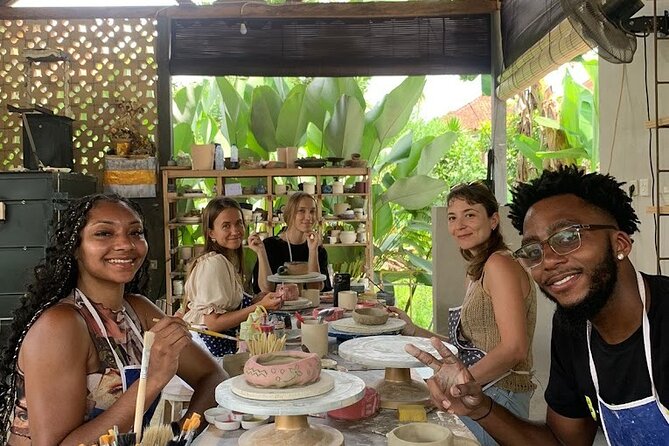
- You start with 2kg of clay and leave with pieces you made yourself
- Hand-building and wheel work are both part of the lesson
- Small group size (max 10) means more attention from the mentors
- Garden-studio setting makes the whole session feel calm and easy
- Take-home timing matters if you want your finished pottery shipped or prepared for you
Where the Bali pottery class really happens (Singapadu, Sukawati area)
Even though this experience shows up under the Ubud orbit, the actual meeting point is at Tana ampo Pottery Studio: C793+8PH, Central Singapadu, Sukawati, Gianyar Regency, Bali 80582, Indonesia. That’s not the center of Ubud.
In practical terms, you should expect a ride from Ubud of about 30 minutes, though traffic can stretch it. Plan for real-world Bali driving time, not perfect timing. If you like to arrive early, add a buffer—show up a bit ahead so you can settle before class starts.
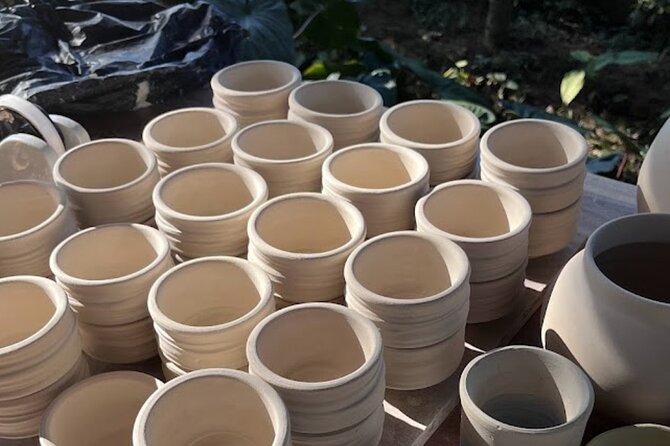
This location choice is part of the charm. You’re in a working pottery area with a calmer feel than the busy shopping streets. One of the big pluses that keeps coming up is the garden-like setting, which matters because a pottery class works best when you’re not rushed and stressed.
Tip: If you’re staying in southern Bali (like Nusa Dua), ask your driver to confirm the meeting pin or address. The more precise you are, the less time you spend negotiating the last few turns.
You can also read our reviews of more tours and experiences in Nusa Dua

The 3-hour flow: what you’ll do during the pottery class
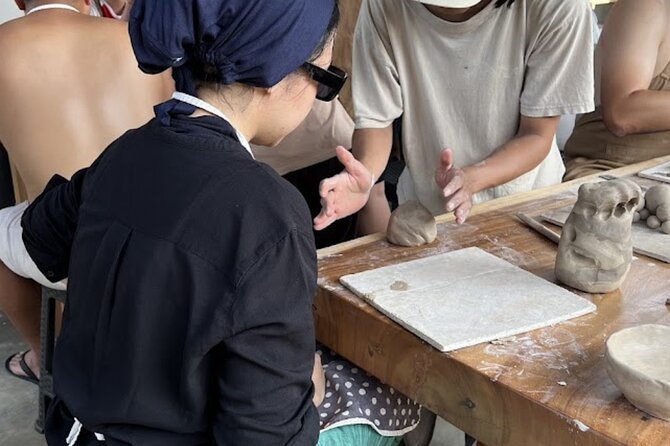
The class runs for about 3 hours, and the format is built around doing. You’ll be guided through the process from clay basics to shaping, then you’ll make your own pottery pieces.
You’ll work with 2kg of clay, which is a meaningful amount for a single session. It gives you enough material to experiment without feeling like you’re squeezing the life out of the lesson. Also, because it is hands-on, you’re not just learning terms—you’re learning with your hands.
A couple of reviews highlight that the teaching covers making two pieces, typically with one made by hand and another on the wheel. Even if your final shapes look different from the plan, that structure is a good sign: you’ll get exposure to more than one method instead of doing only one technique.
By the end, you should understand the basics better than you did at the start:
- how clay behaves while you form it
- how technique changes when you switch from hand work to wheel work
- how to refine your piece as it takes shape
The takeaway is simple: you’re going home with something you made, plus the know-how to appreciate what you see afterward in Bali markets and workshops.
Making pottery with 2kg of clay: hand-building, wheel work, and molding
This class isn’t just for people who already know ceramics. The instruction starts from the basics, so you’re not expected to show up as a pro. The mentors teach you in a way that makes wheel work and shaping feel possible during a single afternoon.
What you’ll likely cover includes:
- Hand building: shaping clay using your hands and simple tools
- Spinning / wheel throwing (wheel work): learning the rhythm of centering and forming
- Molding: forming the clay into a more defined shape
That mix is useful because pottery is not one skill. It’s a set of skills. And the more methods you try, the faster you understand why certain pottery styles look the way they do.
One of the most practical lessons from the class is about materials. The feedback I saw points to learning that not all clay is the same and that different soils work differently for ceramics. Even if the class keeps it beginner-friendly, that idea alone changes how you look at pottery afterward.
Also, you’re not just copying a model. You’re adding your own touches. The course is set up for creating a unique piece, so you’re not walking out with a factory-style souvenir.
The studio vibe: small groups, helpful mentors, and a garden setting
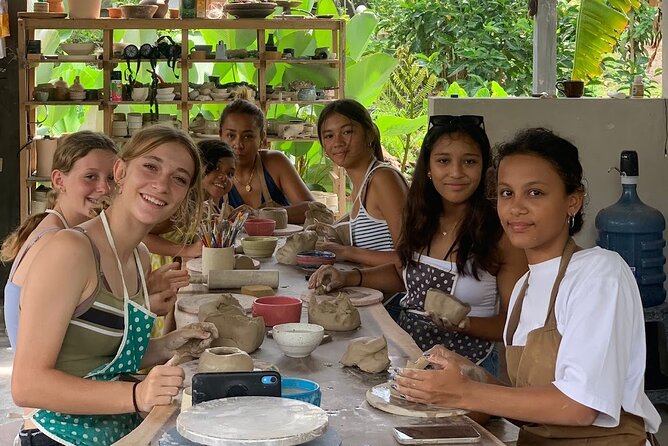
This is a max 10-person class, which is a big deal in pottery. With a smaller group, mentors can correct your hand position and timing while you’re still working—not after you’ve already made the same mistake three times.
You’ll get guidance from local artisans who are comfortable teaching beginners. Multiple reviews point to the mentors being professional, helpful, and willing to explain step-by-step. That’s what you want with something tactile like clay. The wheel, in particular, is easier when someone is showing you what to do while your hands are on the clay.
Another standout theme in the feedback is the setting. The class is described as being in a beautiful garden, which helps your brain stop treating pottery like a task. The calm surroundings also make it easier to focus on shaping and slowing down a bit.
What this means for you: if you’re the type who gets tired of loud, rushed attractions, you’ll probably enjoy this more. It’s also a great break from scooters, temples, and shopping—hands, not screens.
Price and value: is $31.31 worth it?
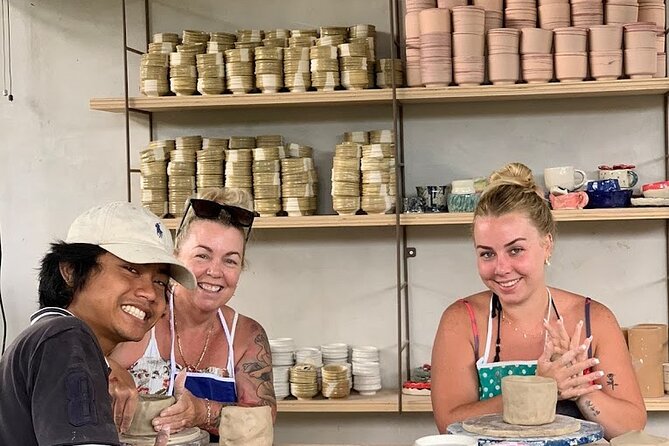
At $31.31 per person, this class lands in the “good deal for real activity” category. You’re paying for:
- a guided lesson
- 2kg clay to work with
- time with mentors in a small group
The biggest value driver here is that you’re not just learning theory. You’re producing physical results. A pottery class is one of the few vacation activities where the souvenir cost is baked into the experience—not an add-on later.
Also, because you’re using both hand building and wheel work (when the class structure follows that approach), you get more than one technique for your time and money. That makes the experience more satisfying than workshops that only teach one style.
One more value point: this kind of class tends to teach you how to spot quality. Once you’ve shaped clay and seen how methods change the final look, you’ll appreciate better pottery when you see it in Bali later.
Cost isn’t just price. For this kind of hands-on learning, the question is whether it feels like you got actual instruction and enough material to play. Based on what’s described about the session structure, it’s set up to do that.





Take-home pottery timing: don’t cut it close
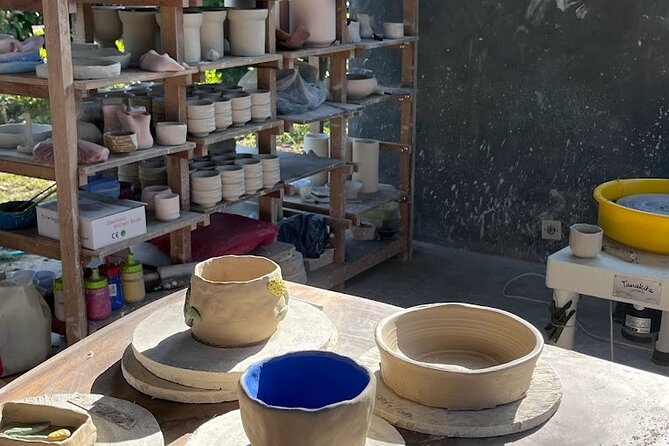
Here’s the key planning note: if you want to take your pottery home, make sure you have at least 4 remaining days after the class date.
That tells you something important about the process: the studio needs time after your hands finish shaping the pieces. If you’re flying out the next day, you may end up with no time for the finishing steps, and that’s when disappointment happens.
So how do you handle this?
- If you’re staying in Bali for a week or more, you’re probably fine.
- If you have a short trip, schedule this class with an extra buffer day or two beyond the minimum.
- If you’re unsure, ask your booking time frame and confirm what happens with your pieces after class.
Plan smart and your pottery becomes a real keepsake. Rush it and you risk turning a creative win into a logistics problem.
Who should book this class (and who might skip it)
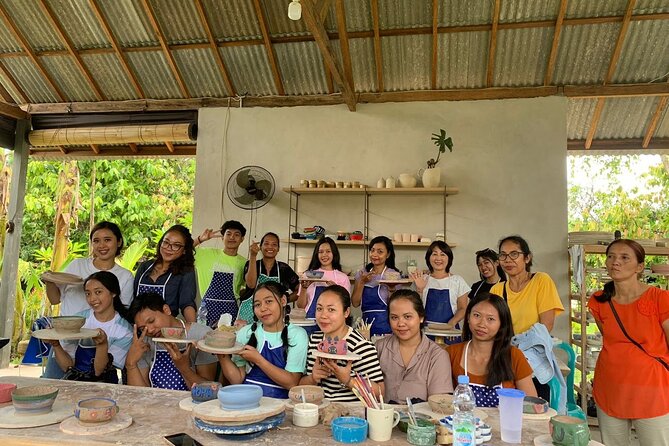
This pottery class is a strong match if you:
- want a hands-on cultural activity with local mentors
- enjoy making things with your hands
- like structured learning (step-by-step basics)
- want something different from the usual Bali sightseeing loop
It also fits families, since the class says most people can participate and the teaching is from basics. And because the group stays small, it can work well for mixed skill levels—beginners and people with some experience.
You might consider something else if you:
- are on an ultra-tight schedule and can’t spare time for take-home finishing (the 4-day note is real)
- want a purely spectator experience with zero participation
- hate any chance of being delayed by traffic getting to Singapadu/Sukawati
For many people, pottery hits the sweet spot between fun and learning. It’s creative, practical, and you leave with more than photos.
Should you book Ubud Pottery Ceramic Class in Bali?
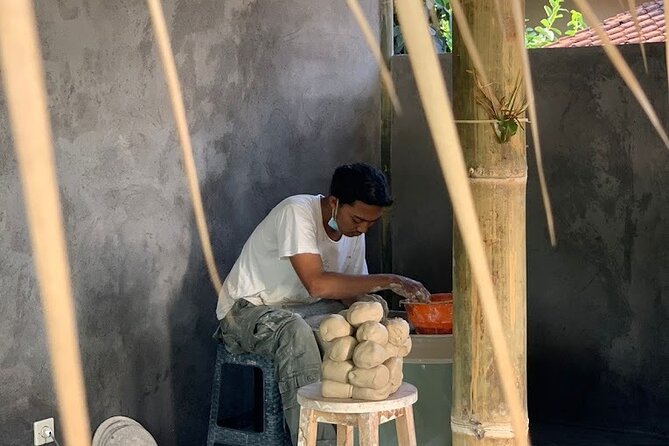
If you want a genuinely hands-on Bali activity with guided instruction, 2kg of clay, and the chance to try both hand building and wheel work, this is an easy yes. The small-group size and mentor focus are what make it worth your time.
Book it especially if you’re staying long enough to handle the take-home rule. If you can give it the minimum 4 days after your class, you’ll likely get the full experience—finished pieces, plus the real skills you learn along the way.
FAQ
FAQ
How long is the pottery class?
The class is about 3 hours (approx.).
What does the price include?
The price includes a guided pottery class and 2kg clay.
Where do I meet for the class?
You’ll meet at Tana ampo Pottery Studio, C793+8PH, Central Singapadu, Sukawati, Gianyar Regency, Bali 80582, Indonesia.
How many people are in the group?
The class has a maximum of 10 travelers.
Can I take my pottery home?
Yes, but if you want to take your work home you need at least 4 remaining days after the class.
Is it suitable for beginners?
Yes. The class notes that most people can participate, and the mentors teach from the basics.
What is the cancellation policy?
You can cancel for free up to 24 hours in advance for a full refund. If you cancel less than 24 hours before the start time, the amount paid is not refunded.