REVIEW · NUSA DUA
Bali Art Experience: Batik Painting & Cultural Connection
Book on Viator →Operated by Oedel Batik Experience · Bookable on Viator
Batik turns art into your own hands. This Bali workshop in the Nusa Dua area teaches wax-resist batik in a laid-back, hands-on way, from tracing your design to painting with color. I like that it keeps things practical and doable, even if you are not artsy.
You’ll also get guided instruction in a calm setting, with a chance to work at your own pace around a table. The class design tends to be personal—one teacher named Jenn is especially praised for clear step-by-step guidance and making room for your creativity.
One thing to plan for: the project doesn’t end on the spot. The remaining steps happen at least 24 hours later at home, and you’ll need to follow the handout instructions.
In This Review
- Key things to know before you go
- Batik in Nusa Dua: what you’re actually learning
- The step-by-step batik workflow (and why each part matters)
- Step 1: pick, trace, and set your lines
- Step 2: paint melted wax along your lines
- Step 3: add colors over the wax
- Step 4: fix the colors with a liquid
- Step 5: the at-home follow-up after at least 24 hours
- Nusa Dua Beach and Mengiat Beach: a calm break between craft steps
- What you get: tools, cloth, and a guided process
- Price and value: is $33.45 a fair deal?
- Who this workshop suits best
- Practical logistics that affect your day
- Should you book Oedel Batik Experience in Nusa Dua?
- FAQ
- Where does the experience start?
- How long does the workshop take?
- Is transportation included?
- What’s included in the price?
- Do I need to bring my own design?
- What will I do during the class?
- Is there work to do after the class?
- Can I get a refund if I cancel?
Key things to know before you go
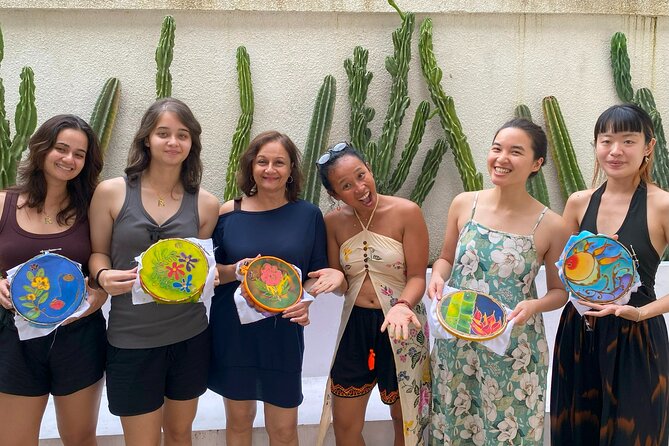
- Wax-resist batik process: trace, melt wax, paint color, and use a fixing liquid
- Private, group-only class: you work just with your group, not a mixed crowd
- Jenn’s clear teaching style: guidance is described as easy to follow, with room to create your own design
- Beach stops included: Nusa Dua Beach and Mengiat Beach are part of the experience flow
- A real take-home souvenir: your cloth batik needs a follow-up step after at least 24 hours
Batik in Nusa Dua: what you’re actually learning
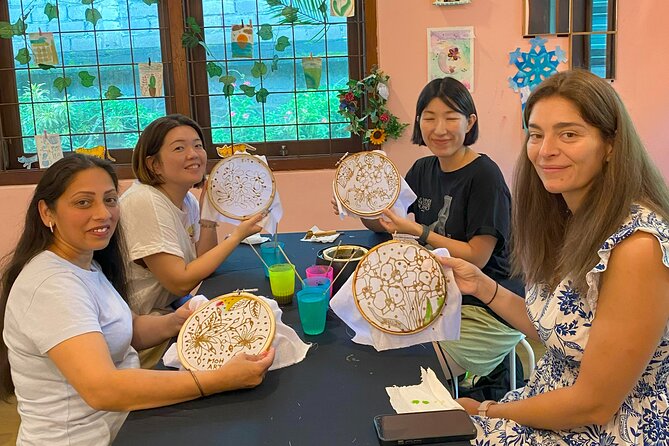
If you think batik is just pretty patterns, you’re going to enjoy how physical and step-driven the process is. This workshop focuses on the core technique: using melted wax as a resist so lines stay protected while the cloth soaks up color. That single idea explains why batik looks the way it does, and it’s also why your results feel genuinely yours.
What makes this class feel like good value is the structure. You’re not only watching. You start with a design you pick, trace it onto cloth, then you do the wax step and the coloring step yourself. You’ll finish with a fixing step on-site, which matters because it helps lock in the work you put down that day.
You also get practical creative choices, even if you are starting from scratch. The class provides a design for you to trace, and the option exists to bring your own simple design too. That flexibility is useful in Bali, where you might arrive with only a vague idea of what you want.
You can also read our reviews of more tours and experiences in Nusa Dua.


The step-by-step batik workflow (and why each part matters)
Here’s the day in the workshop table format. Plan for about 1.5 to 2.5 hours seated, depending on how quickly your group moves through the stages.
Step 1: pick, trace, and set your lines
You start by choosing a piece of artwork to use for your batik painting. Then you trace it onto cloth using a pencil. This tracing step is not just busywork. It’s how you get the design you want without needing to draw freehand directly onto fabric.
Tip: if you bring a design, keep it simple. Your wax lines need clarity, and simpler designs usually make the wax and coloring steps less stressful.
Step 2: paint melted wax along your lines
Next comes the wax resist step. You paint melted wax onto the traced cloth, following the pencil lines. This is where the batik magic happens: wax becomes a barrier, protecting those areas during dyeing.
This stage is also the most technique-heavy. It’s not complicated, but it is precise. Expect to slow down a little and work carefully, because your wax lines are basically the boundaries of your final pattern.
Step 3: add colors over the wax
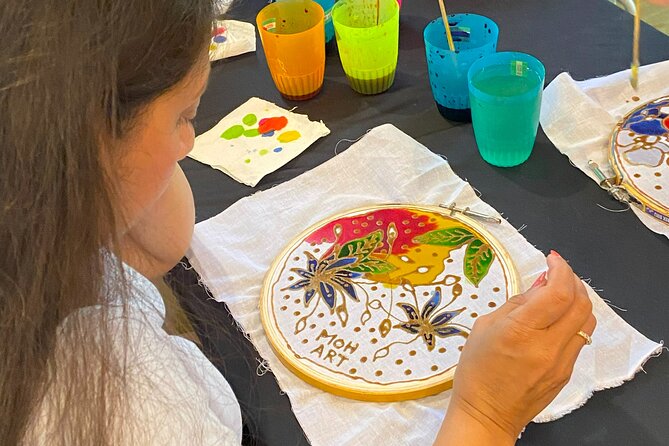
After the wax is in place, you paint colors onto the cloth. This part feels more creative and expressive. You’ll be choosing how bold you want the color areas to be, and how densely to apply paint.
If you like crafts where you get instant visual feedback, this is your moment. You’ll see the pattern develop as the colors sit on top of the waxed areas and contrast with the protected lines.





Step 4: fix the colors with a liquid
Then you apply a liquid to help fix the colors on the cloth. This is an important “real-world” step: you’re not just making art for photos, you’re trying to create something that holds up over time.
Even if you’re brand new, the workshop structure makes this manageable. You’re not improvising a dye system from scratch.
Step 5: the at-home follow-up after at least 24 hours
The remaining part of the process happens at least 24 hours later at home. You’ll receive a handout with instructions for that stage.
That follow-up is also the workshop’s one drawback for people who want instant results. But it’s also a good sign: it means the class is teaching a more complete batik workflow, not just a quick “paint and go” craft.
Nusa Dua Beach and Mengiat Beach: a calm break between craft steps
Your experience includes two beach stops: Nusa Dua Beach and Mengiat Beach. The time outdoors is a nice contrast to working at a table, and it gives you a chance to reset if you get focused (or a bit impatient) during crafts.
Bali beach time can also help with mood. Batik is detail work. A short scenic break makes it easier to return to your cloth with patience for the wax lines and the color choices.
Logically, these stops also break up the day. Even though the workshop itself is the main event, the beach add-ons make the overall outing feel less like a single indoor activity and more like a cultural-themed afternoon.
What you get: tools, cloth, and a guided process
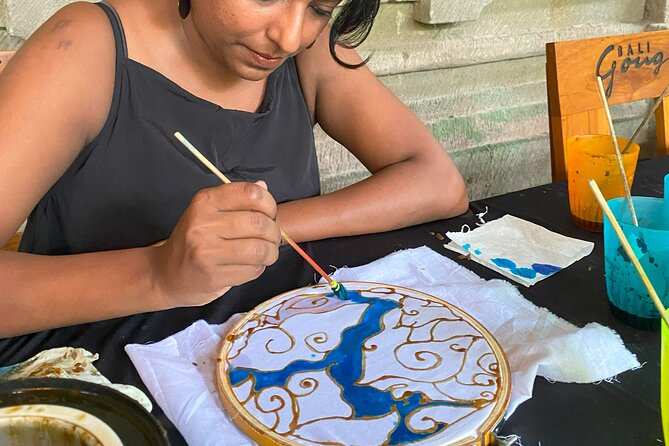
This is the part I think helps you decide quickly. You’re not responsible for sourcing the basics.
Included items:
- batik tools
- a design template to trace into the cloth (you can bring your own simple design)
- the cloth
- a licensed guide
That means you show up and get set up. You’re paying for the materials plus the guidance. And the guidance matters because batik is mostly about process control—wax placement, consistent coloring, and timing for the follow-up steps.
Also, the class runs as a private activity. Only your group participates. That tends to reduce waiting, keep questions flowing, and make it easier for your guide to adjust help to your pace.
Price and value: is $33.45 a fair deal?
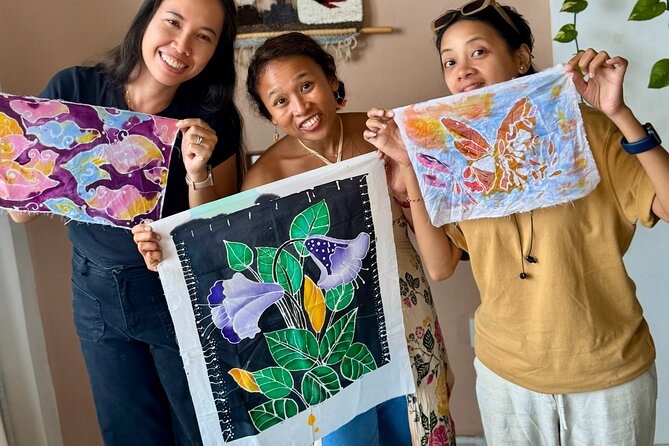
At $33.45 per person, you’re paying for more than a souvenir. You’re paying for:
- guided instruction through multiple technique steps
- the tools and cloth
- a follow-up workflow (with an at-home instruction handout)
For Bali, the key value test is this: are you getting actual hands-on instruction, or just a hands-off demonstration? Here, you do the tracing, wax application, color painting, and fixing step. That’s a full craft cycle you can take home.
One more value point: the private group format. Even when a class is small, mixed groups can still limit attention. With only your group involved, you usually get a smoother experience—especially helpful if you want clarity on what to do next.
If you’re comparing options, prioritize workshops that include the wax-resist method and the fixing step, not just surface painting. Batik is worth the attention when the process is real.
Who this workshop suits best
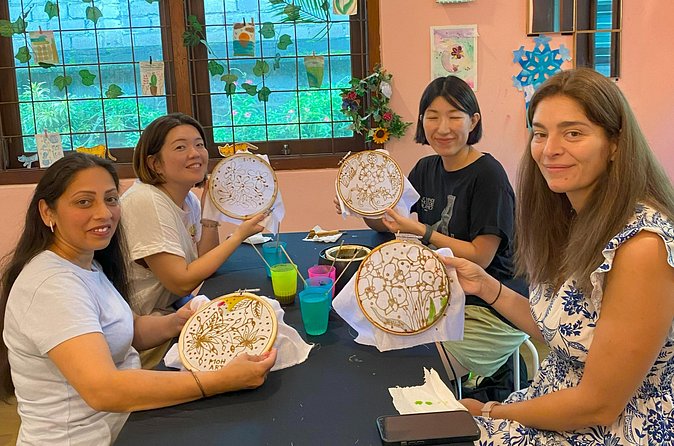
This class fits best if you like crafts and want a tangible result. It’s also great if you enjoy learning by doing, because you physically create the pattern rather than just watching it happen.
You’ll probably love it if:
- you want a meaningful, take-home project (not just another photo stop)
- you like step-by-step guidance and learning the why behind a craft
- you travel with a friend or partner and want a more private feel
It might feel less ideal if:
- you want a no-follow-up souvenir (your batik needs at least 24 hours at home)
- you dislike detailed handwork like tracing lines and careful wax application
- you’re short on time and need everything to wrap in one sitting without extra home prep
The pace works for most people, but it’s still a craft class. Bring patience, not speed.
Practical logistics that affect your day
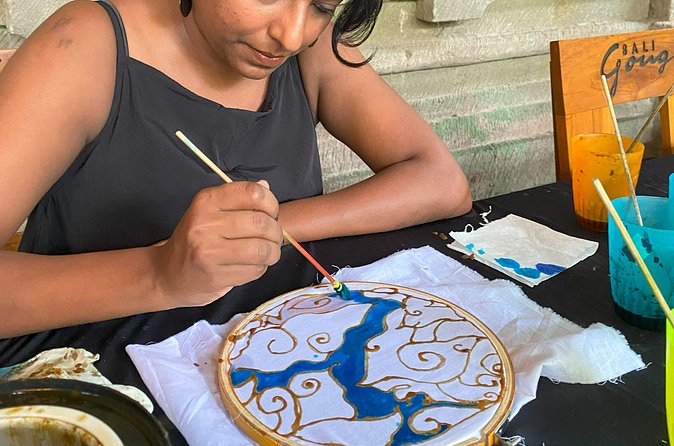
This workshop is in the Nusa Dua area. It starts at TOPM PIZZERIA, Jl. Siligita No.99x, Benoa, Kec. Kuta Sel., Kabupaten Badung, Bali 80361, Indonesia. It ends back at the same meeting point.
A few planning points:
- Duration is about 2 hours 30 minutes (approx.), with the seated workshop portion 1.5 to 2.5 hours.
- Transportation is not included, so make sure your plan for getting there is solid.
- Food and drink are not included, so grab something before you start or plan a snack break after.
- You’ll receive a mobile ticket.
- Confirmation is received at booking time.
- Service animals are allowed.
If you’re sensitive to sun and heat, keep in mind you do have beach stops. Even short outdoor time can feel warmer than expected in Bali.
Should you book Oedel Batik Experience in Nusa Dua?
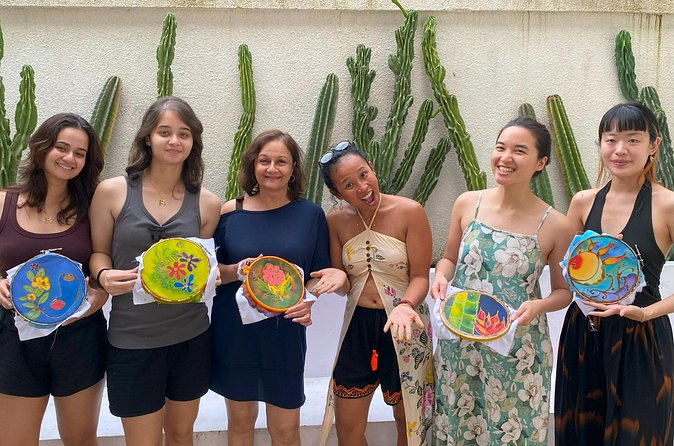
I’d book it if you want a hands-on Bali craft that goes beyond a quick souvenir. The combination of wax-resist batik steps, clear guided help (including the teaching style associated with Jenn), and a real take-home cloth project makes it a strong value at $33.45.
Skip it if you hate the idea of a follow-up at home. The batik project continues at least 24 hours later, and your result depends on following the handout instructions.
If you fall in the middle—curious but not sure—this is still a good bet. The class is structured, guided, and designed for people who are new to batik.
FAQ
Where does the experience start?
It starts at TOPM PIZZERIA, Jl. Siligita No.99x, Benoa, Kec. Kuta Sel., Kabupaten Badung, Bali 80361, Indonesia.
How long does the workshop take?
The total experience is about 2 hours 30 minutes (approx.). The seated workshop time is about 1.5 to 2.5 hours, depending on your pace.
Is transportation included?
No. Transportation is not included, so you’ll need to arrange getting to and from the meeting point.
What’s included in the price?
Included are batik tools, the design to trace into the cloth (you can bring your own simple design), the cloth, and a licensed guide.
Do I need to bring my own design?
You don’t have to. The class provides a design template to trace. You can bring a simple design if you want.
What will I do during the class?
You’ll trace a design onto cloth, paint melted wax following your traced lines, paint colors, apply a liquid to fix the colors, and then complete the remainder of the process at home later.
Is there work to do after the class?
Yes. The remainder of the process happens at least 24 hours later at home, and you’ll get a handout with instructions.
Can I get a refund if I cancel?
No. The experience is non-refundable and cannot be changed for any reason. If you cancel or request an amendment, you won’t receive a refund.