REVIEW · UBUD
Ubud: Private Customized Highlights Tour
Book on Viator →Operated by Ubud Daily Trips · Bookable on Viator
Private Ubud days feel like having a local friend. This private tour lets you build your own route with a guide who explains what you’re seeing, from cleansing temples to waterfall stops. It’s customized, so the day doesn’t feel like a fixed checklist.
I love the way the route blends culture and nature in a way that makes sense in real time. I also love the practical details like bottled water, a provided sarong for temple visits, and a guide who stays fluent in English and keeps you moving with calm confidence (big shout-out to Koman in the feedback I saw).
One possible drawback: Ubud’s rainy season can mean slippery paths and quick weather shifts, and a couple stops are marked as not having the admission ticket included. If you’re strict about cost or only want perfectly dry walking, you’ll need to plan around that.
In This Review
- Key things I’d focus on before you go
- Private Custom Highlights in Ubud: What This Day Really Feels Like
- Price and Value: Why $58.98 Can Make Sense (If You Choose Smart)
- Half-Day vs Full-Day: How to Pick the Right Amount of Ubud
- Start Strong: Pickup, Water, and the Guide’s Job Description
- Stop-by-Stop Ubud: From Tirta Empul Purification Pools to Your Last Waterfall
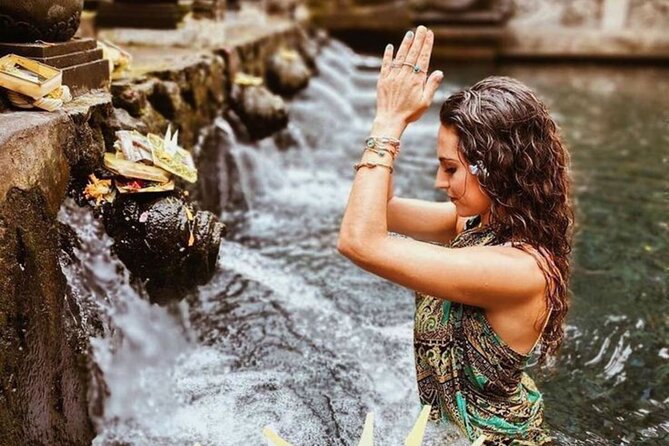
- Tirta Empul Temple: Cleanse-the-Body Sacred Rituals
- Tibumana Waterfall: A Single-Cascade Reset
- Tegalalang Rice Terrace: The Classic Steps View
- Sacred Monkey Forest Sanctuary: Temples, Trails, and Long-Tailed Attention
- Dewa Putu Toris: Balinese Myth and Daily Life on Canvas
- Campuhan Ridge Walk: A Scenic Stroll for Fresh Air
- Mount Kawi: Rock-Carved Temple Complex Feel
- Goa Raja Waterfall: A Fall That Moves Through a Cave-Like Rock World
- Suwat Waterfall: Secluded, Clear Water, Quiet Mood
- Kanto Lampo Waterfall: Multi-Tiered, Photo-Friendly, Dip-Worthy
- Ubud Palace: Royal Carvings and Performances
- Saraswati Temple: Lotus Ponds and Central Ubud Architecture
- Ubud Art Market: Textiles, Souvenirs, and Local Craft Energy
- UC Silver Gold: Silversmith Craft, Up Close and Personal
- Taman Sari Waterfall: Pretty and Peaceful Escape
- Elephant Cave: Carved Cave and Meditation Pools
- Tegenungan Waterfall: Accessible, Strong Flow, Great for Photos
- Umah Bali Kuno Coffee: Architecture and a Family Compound Feel
- Ulu Petanu Waterfall: Lesser-Known and Peaceful by Rice Fields
- Gunung Kawi Sebatu Temple: Holy Water and Koi Pond Quiet
- Mengening Temple: Ancient Holy Springs and Purification Meaning
- Yana Art Gallery: Wood Carving Craft You Can Watch
- Rainy Season Reality: How to Stay Comfortable Without Killing the Fun
- Who This Tour Is Best For (and Who Might Want a Different Plan)
- Should You Book This Ubud Private Customized Highlights Tour?
- FAQ
- How long is the Ubud private customized highlights tour?
- Is hotel pickup and drop-off included?
- Is this tour private or shared?
- Can I customize which stops I visit?
- Are entrance fees included?
- What’s included besides transportation and the guide?
- What should I bring because this tour runs in the rainy season?
- Is free cancellation available?
Key things I’d focus on before you go
- You control the mix: pick up to 5 destinations for a full-day and up to 4 for a half-day.
- Hotel pickup is included for eligible areas in Ubud, so you start without fuss.
- Water and a sarong are provided, which saves time in the heat.
- Your guide matters: Koman is highlighted for being kind, attentive, and quick with explanations and questions.
- The itinerary is flexible enough to include art, temples, ridge walks, and multiple waterfall styles.
Private Custom Highlights in Ubud: What This Day Really Feels Like
A private tour in Ubud isn’t just about skipping crowds. It’s about getting context fast—especially when you’re bouncing between sacred sites, art workshops, rice terraces, and waterfalls that all feel very different on foot.
This experience works well because it’s built around your choices, not a rigid route. You’ll start with pickup and then shape the order and selections with your licensed guide. That makes a big difference when you want more time on one thing (like temple details or a scenic walk) and less time on another.
And yes, the guide quality shows. In the feedback tied to this tour, Koman stands out for being kind, attentive, and ready to answer questions. He’s also described as having good humor and handling the traffic side smoothly—useful in Ubud where timing can get weird.
You can also read our reviews of more private tours in Ubud


Price and Value: Why $58.98 Can Make Sense (If You Choose Smart)
At $58.98 per person, the value depends on how you use the flexibility. The price is paired with private transportation, hotel pickup/drop-off in eligible Ubud areas, and a licensed guide, plus bottled water. That’s already a lot of “hard to DIY” items covered.
What also helps: the tour includes entrance fees for stops that are listed as included, and those that aren’t are clearly marked (like Tibumana Waterfall and Umah Bali Kuno coffee). So you’re not stuck guessing what you’ll pay at the gate for every single stop.
Then there’s the sarong. Since the tour provides one for temple visits, you avoid the common scramble of borrowing, renting, or improvising at the last moment.
If you’re the type who can’t stand cookie-cutter sightseeing and likes a day that feels tuned to your interests, this price can feel fair. If you mainly want to hop between the most famous photos as quickly as possible, you might find a simpler self-guided day fits better.
Half-Day vs Full-Day: How to Pick the Right Amount of Ubud
You get two main timing styles:
- Half-day: up to 6 hours, up to 4 destinations
- Full-day: up to 9 hours, up to 5 destinations
Here’s how I’d decide.
If you’re only in Ubud briefly or you’re saving energy for beaches and other islands, go half-day. With 4 stops, you’ll get enough variety without feeling like you’re sprinting. It’s also a good way to test whether you like the mix of temples, markets, and waterfalls that Ubud is known for.
If you really want a “greatest hits” day with breathing room, choose full-day. Five destinations still isn’t “everything,” but it gives you time to go deeper—like pairing a purification-style temple stop with a rice terrace viewpoint and then finishing with a waterfall or art/craft stop.
Start Strong: Pickup, Water, and the Guide’s Job Description

You’ll be picked up from your hotel lobby (for included Ubud areas). The goal is straightforward: get you out quickly, keep you comfortable in the Bali heat, and reduce the friction of navigation and logistics.
A few small things matter more than they sound:
- Bottled water helps you stay sane in the humidity.
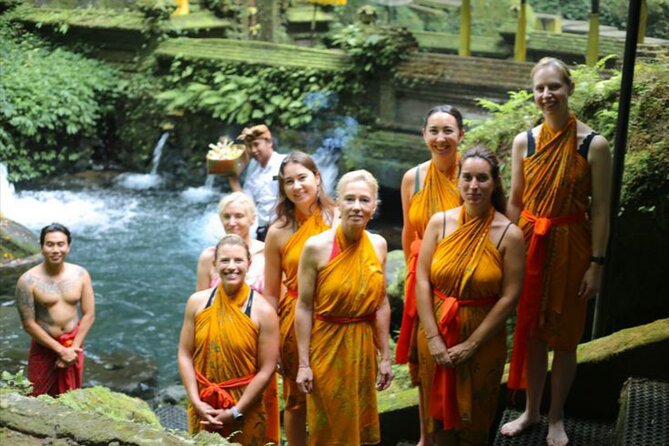
- Sarongs are provided for temple visits.
- The car follows simple rules: no smoke and no drinking inside, and no pets.
Communication is handled via WhatsApp, so it’s smart to have the WhatsApp app ready before you go. That’s the way your local operator can coordinate smoothly.
And then there’s the guide. In the feedback, Koman is praised for clear English and explanations that connect the sites to local culture. That turns a bunch of stops into a story you understand, not just scenery you pass by.
Stop-by-Stop Ubud: From Tirta Empul Purification Pools to Your Last Waterfall
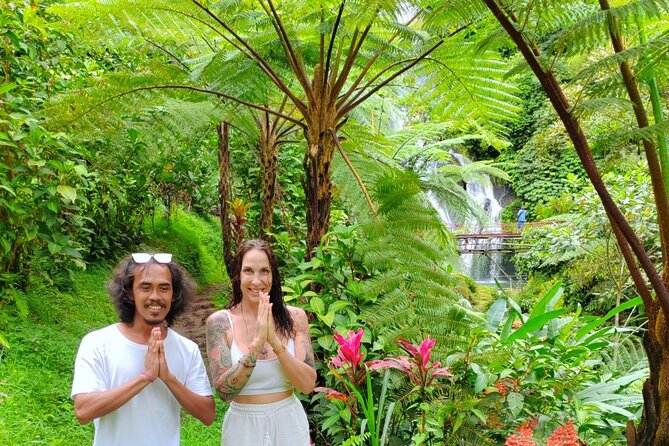
This is where Ubud gets real. The route you choose can include everything from sacred cleansing pools to rice terraces, art stops, and multiple waterfall styles. Below is how each stop tends to land—what’s special, and what to watch for.



Tirta Empul Temple: Cleanse-the-Body Sacred Rituals
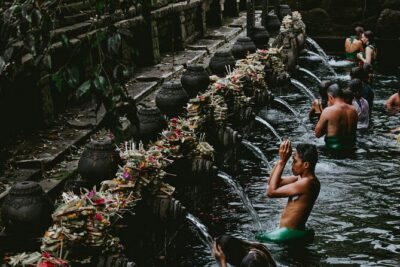
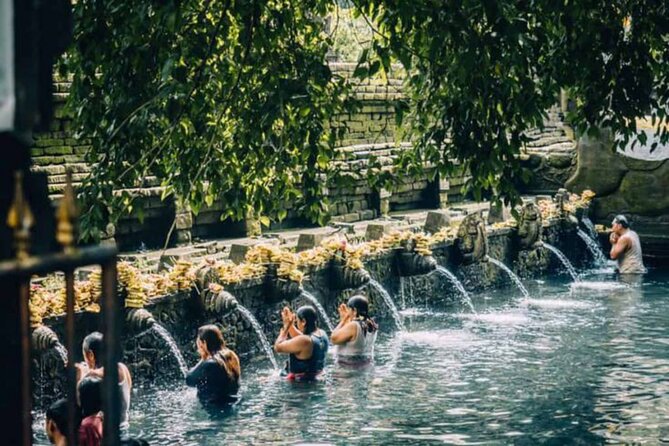
Tirta Empul is a sacred temple known for natural purification pools used for traditional cleansing rituals. If you like spiritual sites that feel active rather than purely decorative, this is a strong early pick.
A practical consideration: this isn’t the type of place where you’ll rush. Plan to slow down and follow the guide’s timing, especially around water and temple etiquette.
Tibumana Waterfall: A Single-Cascade Reset
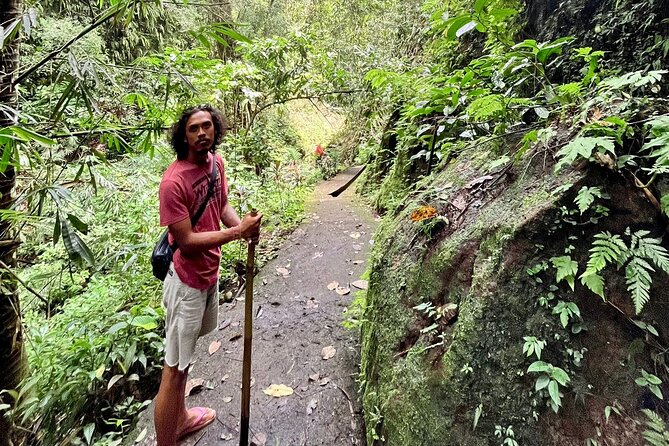
Tibumana Waterfall is described as a hidden spot with a single cascade into a natural pool, surrounded by tropical greenery. This tends to feel quieter than the bigger, more famous falls.
The catch is basic nature logic: expect damp ground. If rain has come through earlier, the approach paths can feel slippery, so you’ll want sure footing.
Tegalalang Rice Terrace: The Classic Steps View
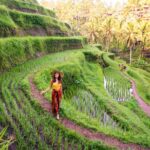
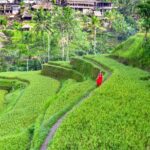
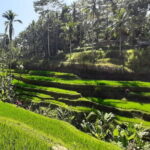
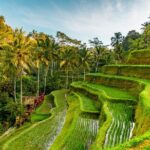
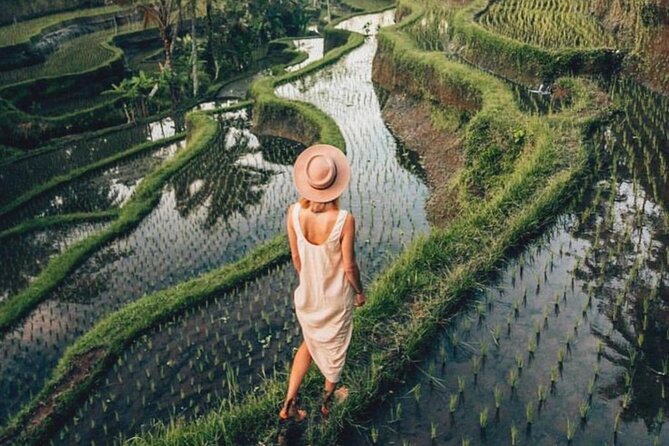
Tegalalang Rice Terrace is all about dramatic stepped rice fields and that familiar Ubud “wow” viewpoint. Even if you’ve seen rice terraces before, the scale and layers here are hard to miss.
This is also a good place to ask your guide about traditional farming practices—because the cultural explanation is often what makes the photos feel meaningful.
Sacred Monkey Forest Sanctuary: Temples, Trails, and Long-Tailed Attention
Monkey Forest mixes lush pathways, ancient temples, and hundreds of long-tailed monkeys. It’s not just a walk through trees; it’s a sacred area where wildlife and culture coexist.
Two real-world tips: keep your belongings secure, and expect the monkeys to be curious. Your guide should help you stay respectful and safe while you look around.
Dewa Putu Toris: Balinese Myth and Daily Life on Canvas
Dewa Putu Toris focuses on classic Balinese painting styles depicting mythology and daily life. This is the kind of stop that adds context—how locals see the world in art, not just in buildings and temples.
Because it’s marked as free, it’s a low-cost way to balance the more physically active parts of the day.
Campuhan Ridge Walk: A Scenic Stroll for Fresh Air
Campuhan Ridge Walk is a walking trail along a lush hilltop ridge. It’s especially nice for sunrise or sunset, when the light makes Ubud feel softer and more open.
If rain is in the forecast, this is one place to wear shoes with grip. The ground can be slick, and that ridge walking time is best spent comfortably, not cautiously.
Mount Kawi: Rock-Carved Temple Complex Feel
Mount Kawi is an ancient temple complex carved into rock cliffs, surrounded by rice fields and a river. This place often feels more dramatic because you’re seeing architecture shaped directly into the landscape.
Wear comfortable footwear and be ready for uneven surfaces—rock sites naturally demand a slower pace.
Goa Raja Waterfall: A Fall That Moves Through a Cave-Like Rock World
Goa Raja Waterfall is described as flowing through a cave-like rock formation, creating a mystical ambiance. This one is for people who like waterfalls with atmosphere instead of just height.
Because it’s connected to rock formations, you’ll likely be moving around damp stone. Bring a rain-ready mindset and expect humidity.
Suwat Waterfall: Secluded, Clear Water, Quiet Mood
Suwat Waterfall is described as secluded, with crystal-clear water and a tranquil atmosphere. If you want something calmer than the louder, high-energy stops, this can deliver.
The “tranquil” part can change if it’s busy, but in general the setting is designed to feel away from the noise.
Kanto Lampo Waterfall: Multi-Tiered, Photo-Friendly, Dip-Worthy
Kanto Lampo is a multi-tiered waterfall with shallow pools, making it ideal for refreshing dips and photos. This is a great pick if you want both movement and scenery.
Just remember: shallow pools still mean slippery rocks. If you plan to get in, bring a plan for drying off afterward (and keep your valuables protected).
Ubud Palace: Royal Carvings and Performances
Ubud Palace is the historical residence of Ubud’s royal family, known for intricate Balinese carvings and traditional performances. If you like art and architecture with a living cultural element, this fits.
This is also a place where the guide’s explanation boosts the visit—carvings and ceremonial function matter, not just the building shape.
Saraswati Temple: Lotus Ponds and Central Ubud Architecture
Saraswati Temple is in central Ubud, known for lotus ponds and traditional Balinese architecture. It’s a beautiful pause between walking and waterfalls, and it’s often a strong cultural stop when the day needs “calm.”
If the light is good, the lotus pond setting can be a highlight. If it’s raining, the temple area can still feel peaceful—just keep your footing cautious.
Ubud Art Market: Textiles, Souvenirs, and Local Craft Energy
The Ubud Art Market is a vibrant marketplace for handcrafted souvenirs, textiles, and Balinese art. This is where your day starts turning into shopping, but with a cultural lens.
If you want the best experience, bring small bills and keep an eye on what you’re buying. A guide can help you navigate the style differences you’ll see from stall to stall.
UC Silver Gold: Silversmith Craft, Up Close and Personal
UC Silver Gold is a place to discover Balinese silversmith craftsmanship and shop for jewelry. It’s marked as free, so it’s a good add-on when you want something practical and hands-on.
This stop works best when you’re specific—if you know the kind of piece you want, you’ll get more from it. If not, it can become a long wander.
Taman Sari Waterfall: Pretty and Peaceful Escape
Taman Sari Waterfall is described as surrounded by lush vegetation and a peaceful escape from crowds. If you want a calmer waterfall stop later in the day, this is a good choice.
Because it’s described as peaceful, it may be best as a mid-to-late stop when you’ve already seen the heavier highlights and you want decompression.
Elephant Cave: Carved Cave and Meditation Pools
Elephant Cave is a historic site with a carved cave and sacred pools used for meditation. This is less about dramatic water noise and more about spiritual atmosphere.
The practical side: cave-like areas and sacred pools often mean wet surfaces. You’ll appreciate shoes you trust.
Tegenungan Waterfall: Accessible, Strong Flow, Great for Photos
Tegenungan Waterfall is near Ubud and described as easily accessible with a strong water flow. It’s ideal for sightseeing and photography.
If you dislike strong splashing environments, keep a towel handy and position yourself carefully. Strong flow can mean louder sound and more wet mist.
Umah Bali Kuno Coffee: Architecture and a Family Compound Feel
Umah Bali Kuno coffee is a beautifully designed home showcasing authentic Balinese architecture and family compounds. Admission ticket is marked as not included, so you should expect a separate cost here.
This stop can be a nice change of pace if your day has already been mostly temples and water. It’s also a solid choice if you want something more cultural and less physically active.
Ulu Petanu Waterfall: Lesser-Known and Peaceful by Rice Fields
Ulu Petanu Waterfall is described as serene and lesser-known, surrounded by forest and rice fields near Kedisan Village. It’s positioned as a peaceful relaxation stop.
The big win here is variety: it gives you another waterfall feel, but with a slower, off-the-main-route vibe compared with more famous falls.
Gunung Kawi Sebatu Temple: Holy Water and Koi Pond Quiet
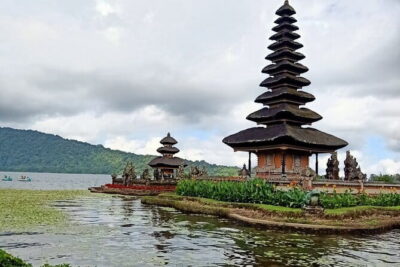
Gunung Kawi Sebatu Temple is described as one of Bali’s most tranquil holy water temples, surrounded by lush gardens and koi ponds. It includes purification rituals and a serene setting.
This is a great choice if you want temples that feel like a calm reset rather than a busy photo stop. Still, plan for wet stone and take your time around sacred areas.
Mengening Temple: Ancient Holy Springs and Purification Meaning
Mengening Temple is an ancient sacred site surrounded by lush greenery and flowing holy springs, connected to purification rituals. If you like understanding the “why” behind what you see, this fits well.
Because it involves holy springs, it’s another place where water and surfaces are part of the experience—go slowly and follow your guide’s cues.
Yana Art Gallery: Wood Carving Craft You Can Watch
Yana Art Gallery is described as watching skilled artisans carve detailed sculptures from wood, a tradition passed down for generations. This is more interactive than a typical shop visit because you can observe the process.
If you care about the craft behind the souvenirs, this is a better use of time than browsing only by price.
Rainy Season Reality: How to Stay Comfortable Without Killing the Fun
Your tour operates during the rainy season, and you’re advised to bring an umbrella and a rain jacket for occasional showers. That’s not just “nice to have.” It changes the day.
Here’s what I’d do:
- pack a light rain jacket you can keep on quickly
- wear shoes that handle wet ground
- keep your phone and camera protected, especially for waterfall stops
Rain can make Ubud look even greener and softer. The key is staying comfortable so you can enjoy the scenery rather than thinking about your next dry spot.
Who This Tour Is Best For (and Who Might Want a Different Plan)

This private customized tour is ideal for:
- couples or small groups who want a more intimate experience than a bus day
- travelers who like culture explanations, not just photo stops
- people who want to mix temples, art, and waterfalls in a single organized day
- anyone who values having a guide who can answer questions and adjust timing
It might be less ideal if you want to do everything independently with no guide input, or if you need a very strict walking style and don’t want to deal with wet paths during rainy periods.
Should You Book This Ubud Private Customized Highlights Tour?
Book it if you want Ubud to feel personal and explained, not rushed and generic. The standout advantage here is the combination of private guide time, hotel pickup, and the ability to pick up to 4–5 destinations so you can build a day that fits your interests.
Also, the guide reputation matters. Koman is repeatedly described as kind, attentive, fluent in English, and ready with explanations and humor—and that kind of guide presence can turn a list of stops into a real understanding of place.
Before you book, decide what matters most to you:
- If it’s sacred culture: prioritize Tirta Empul, Monkey Forest, Saraswati Temple, and one quiet temple like Gunung Kawi Sebatu or Mengening.
- If it’s scenic nature: choose a rice terrace and ridge walk, then add 2–3 waterfall styles you’ll enjoy.
- If it’s art and craft: pair Dewa Putu Toris, Ubud Art Market, UC Silver Gold, and Yana Art Gallery with fewer water stops.
If that sounds like your kind of day, this tour is a strong fit.
FAQ
How long is the Ubud private customized highlights tour?
It runs about 6 to 9 hours, depending on whether you choose a half-day or full-day option.
Is hotel pickup and drop-off included?
Yes. Private transportation with hotel pickup and drop-off is included for eligible areas in Ubud.
Is this tour private or shared?
It’s private. Only your group participates.
Can I customize which stops I visit?
Yes. For a full-day custom tour, you choose up to 5 destinations. For a half-day custom tour, you choose up to 4 destinations from the available list.
Are entrance fees included?
Entrance fees are included for stops where the admission ticket is marked as included. Some stops are marked as not included or free, so you may have to pay separately at those.
What’s included besides transportation and the guide?
Bottled water, a sarong for temple visits, and a licensed tour guide are included.
What should I bring because this tour runs in the rainy season?
Bring an umbrella and a rain jacket to stay comfortable during occasional showers.
Is free cancellation available?
Yes. You can cancel up to 24 hours in advance for a full refund.